460km Tour of Tuscany
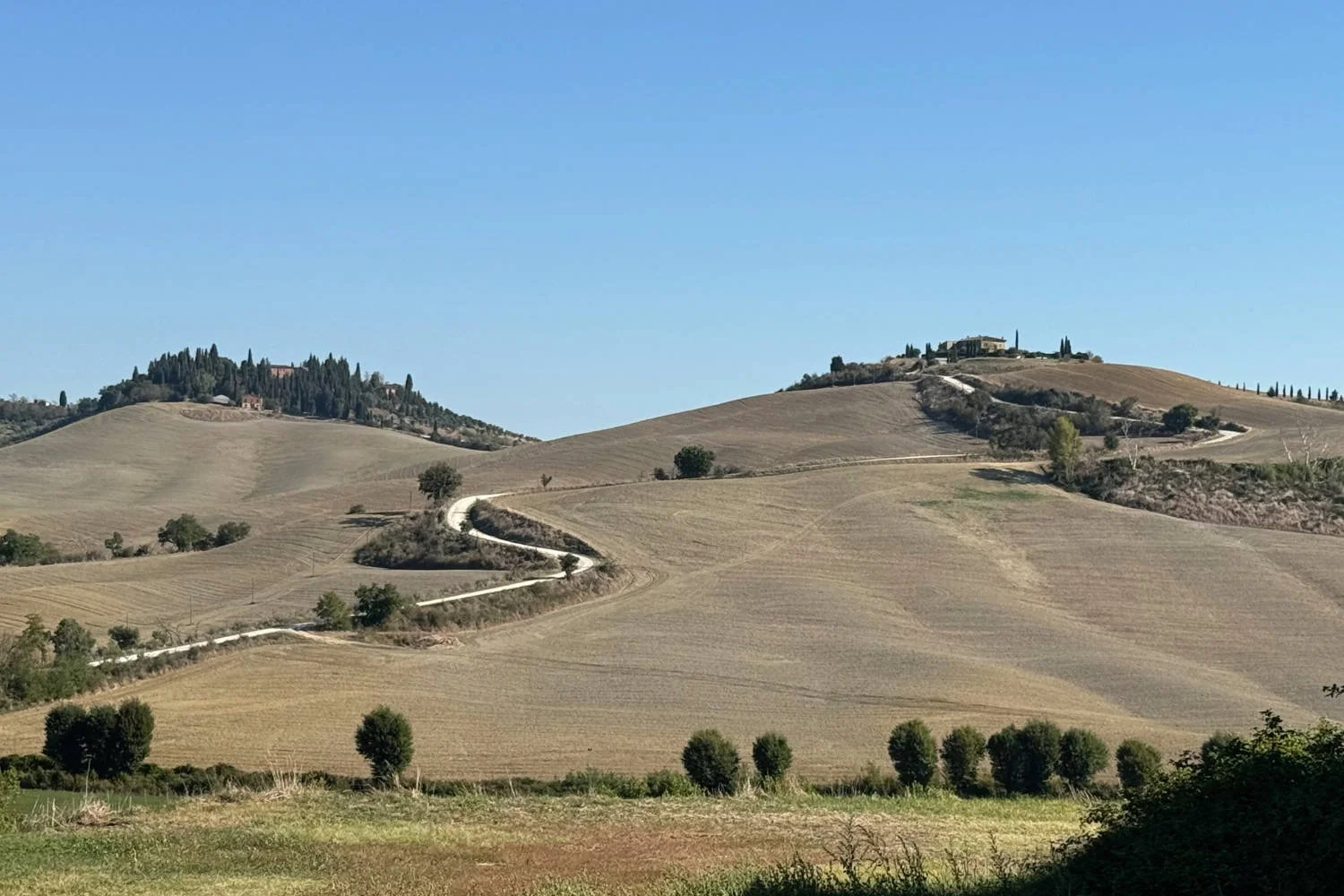
Monte Sante Marie
Ride Overview
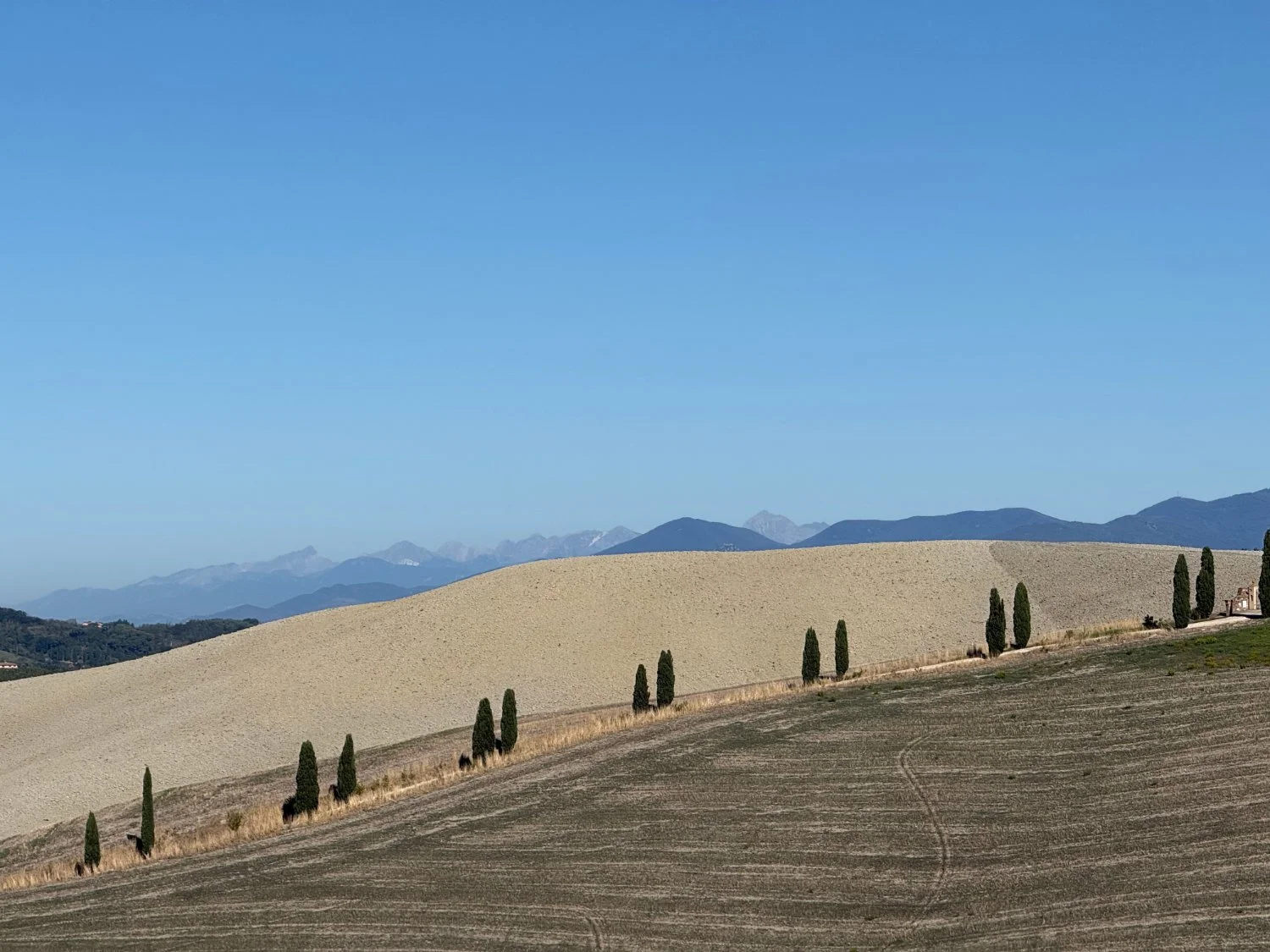
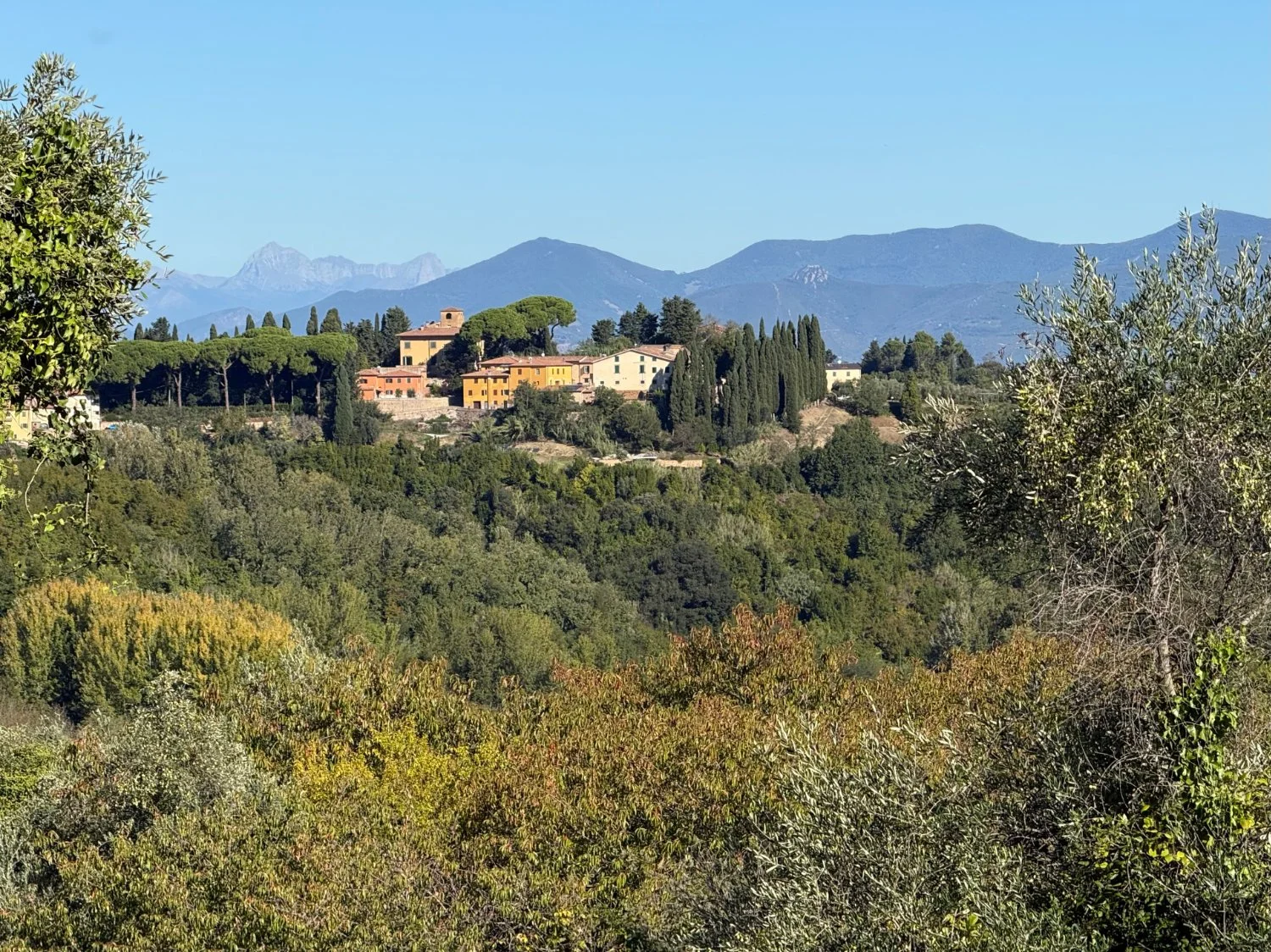
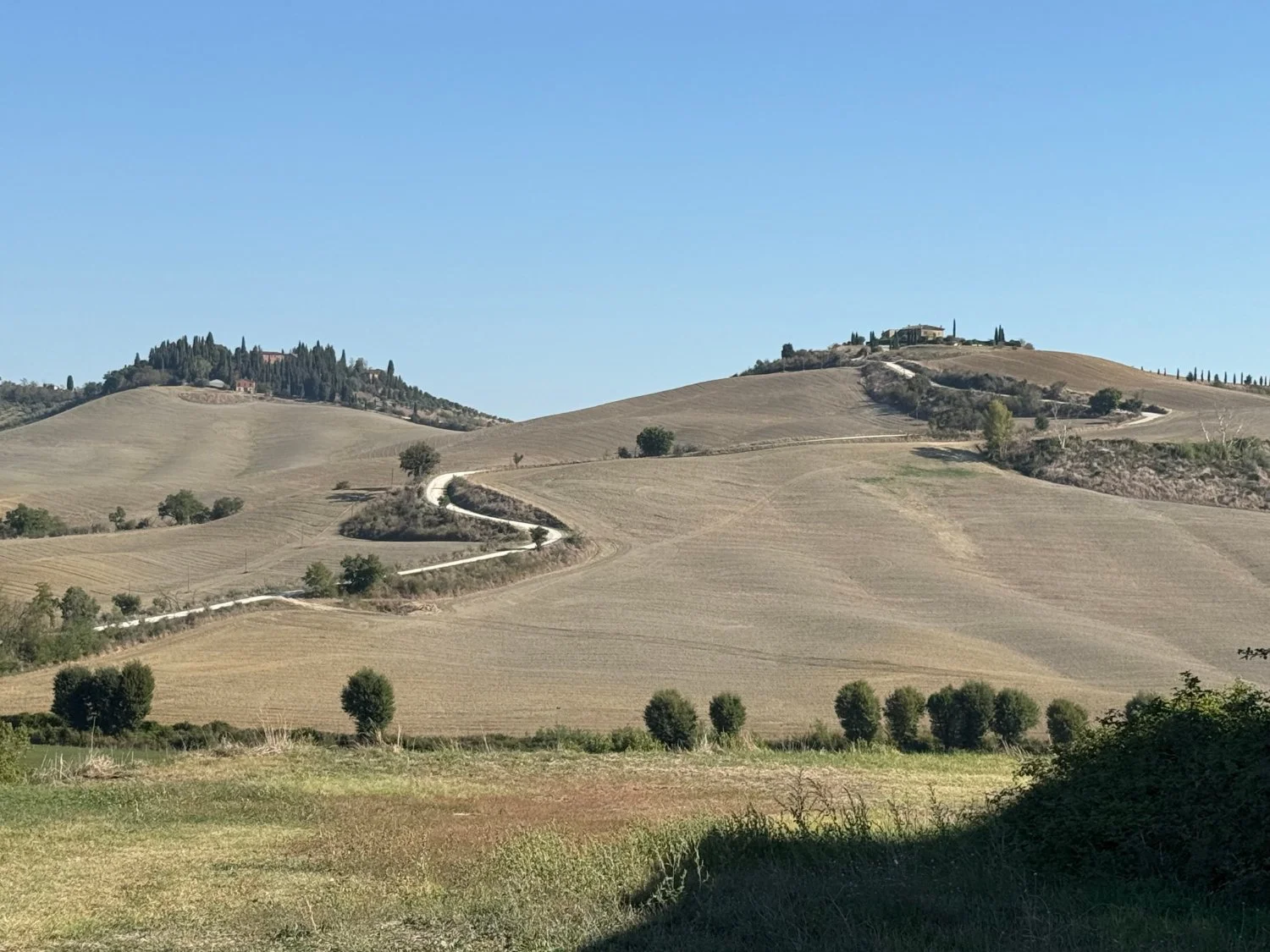
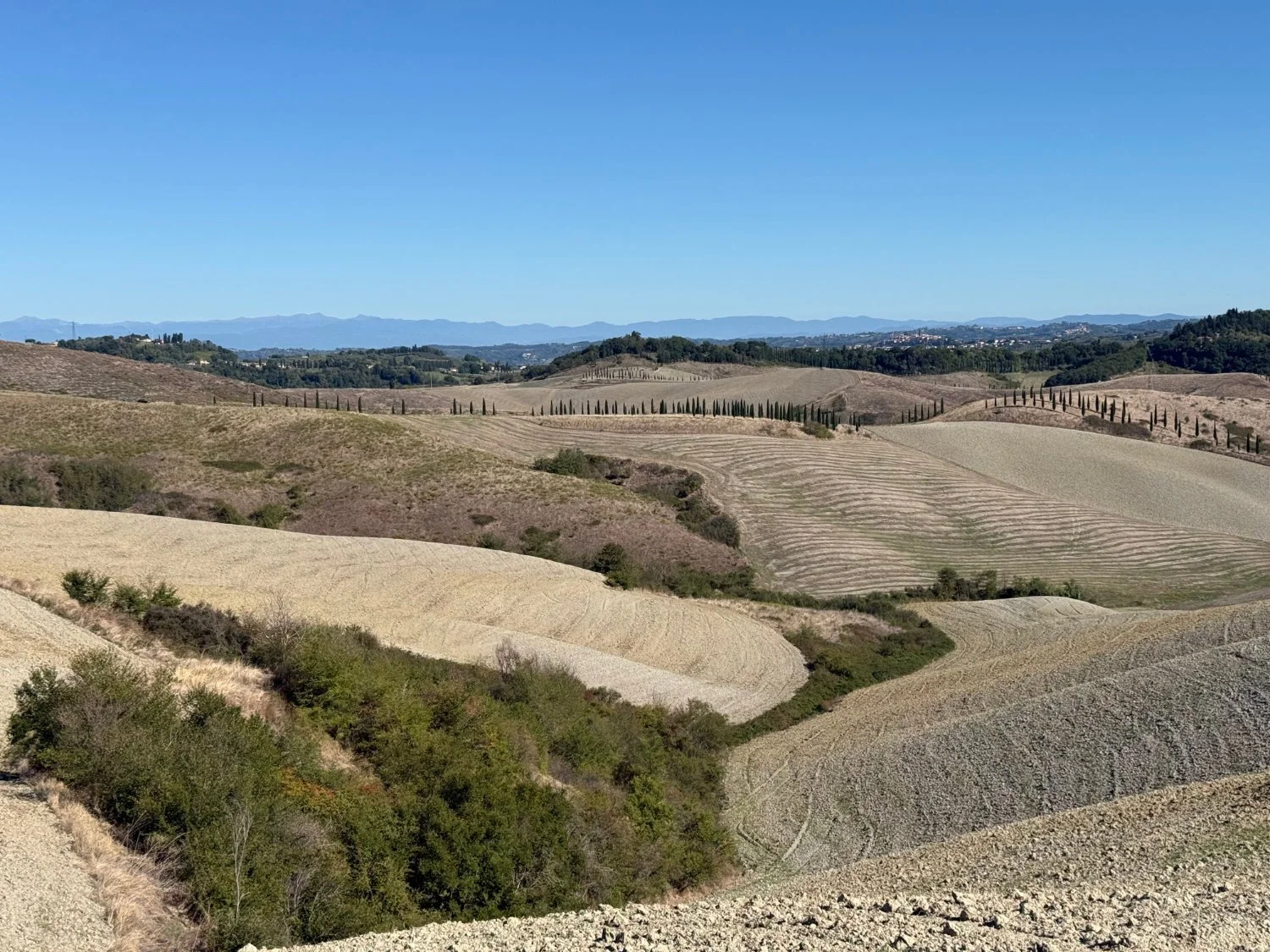
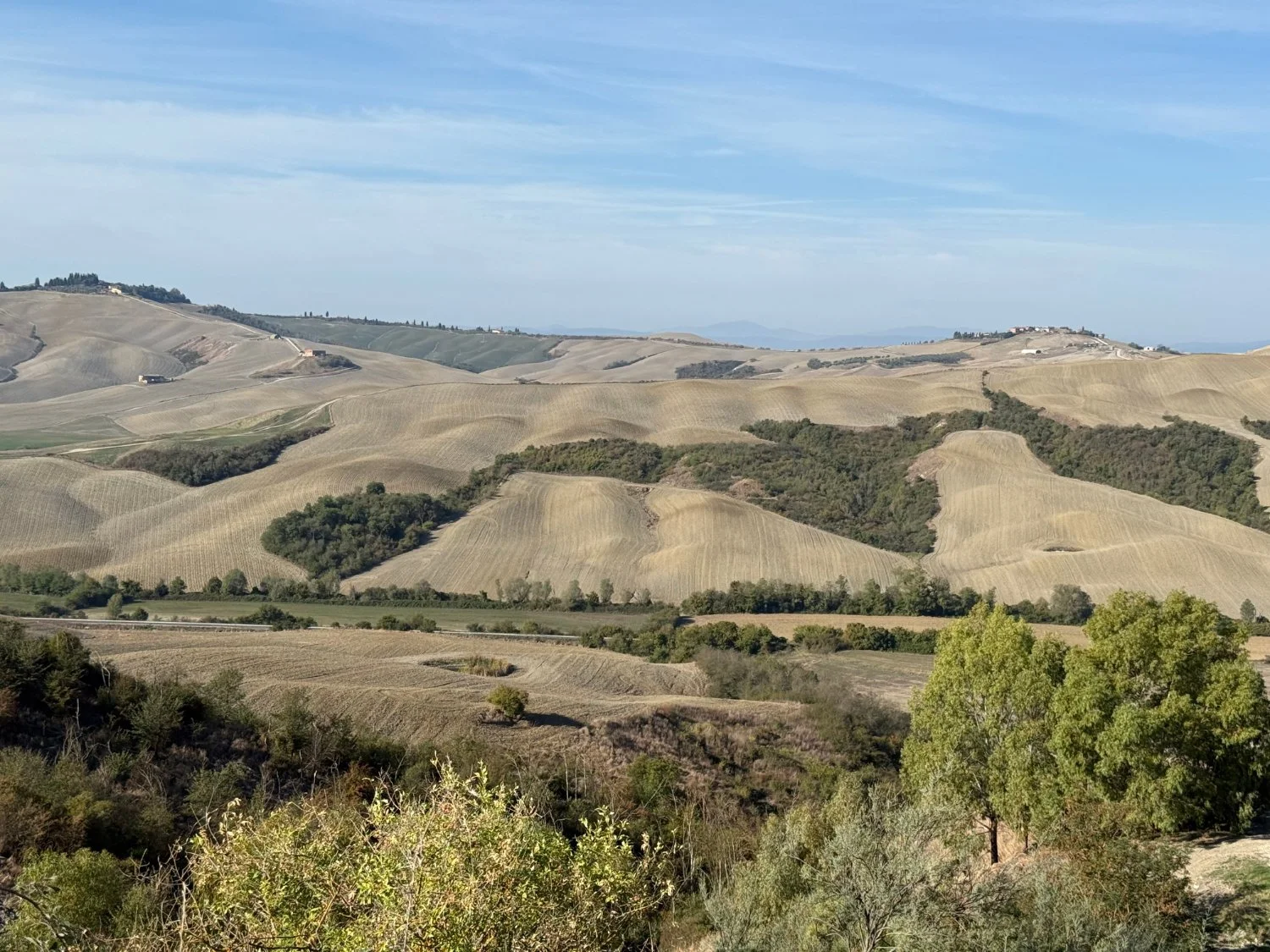
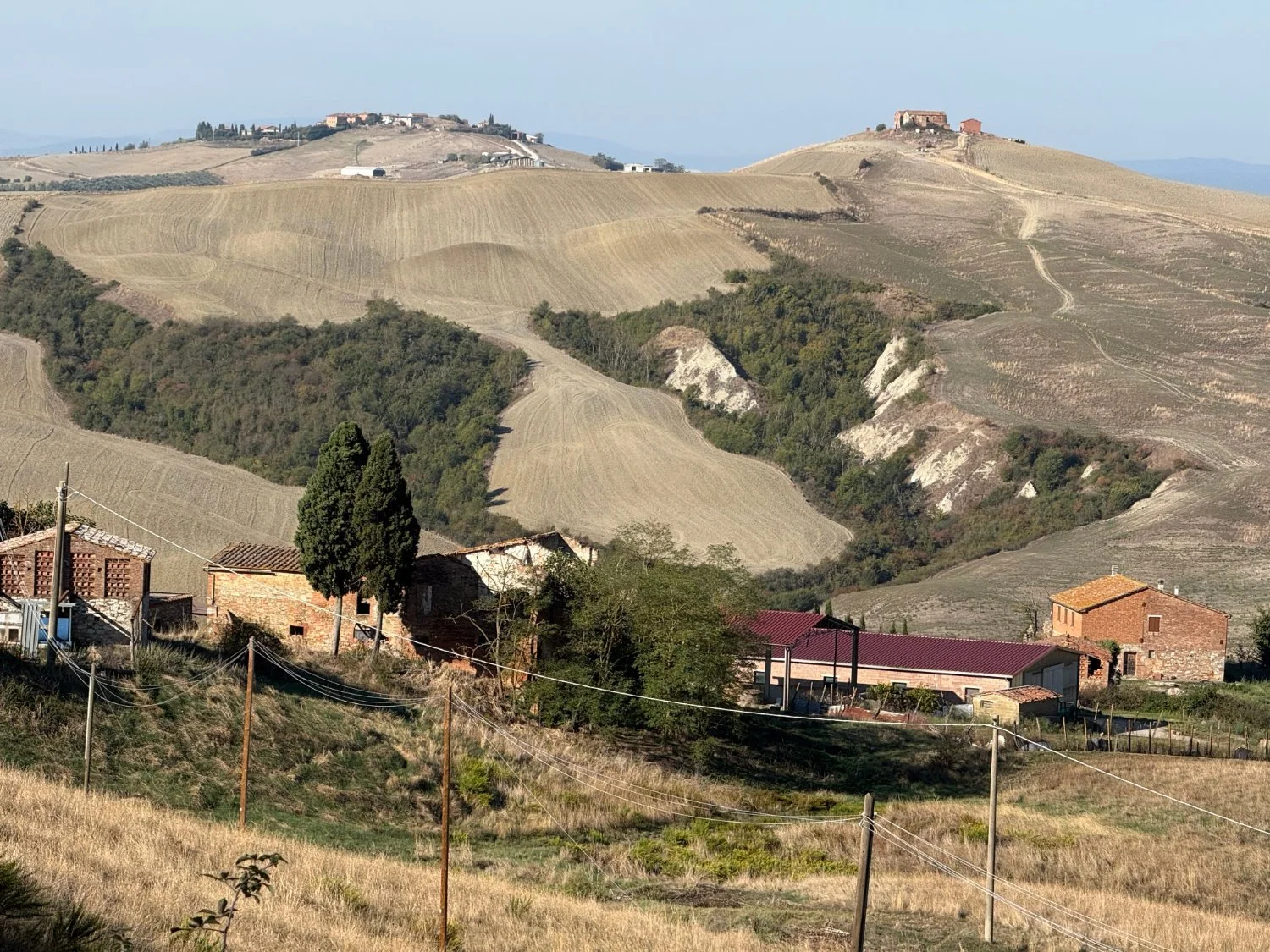
Seven days in the saddle, with as many more as you like to explore. From the Field of Miracles in Pisa to the harbour at Porto Ercole on the Tuscan coast, this is a journey through the heart of Tuscany: rolling hills, cypresses lined up like a guard of honour, and the poderi, those austere, square farmsteads, many of them now exclusive places to stay. And because we are cyclists, there are the famous strade bianche, raced by the professionals each spring and ridden each October by the vintage enthusiasts of L’Eroica on their pre-1987 steel. These roads twist and wind over ceaseless hills that will test your stamina and fitness.
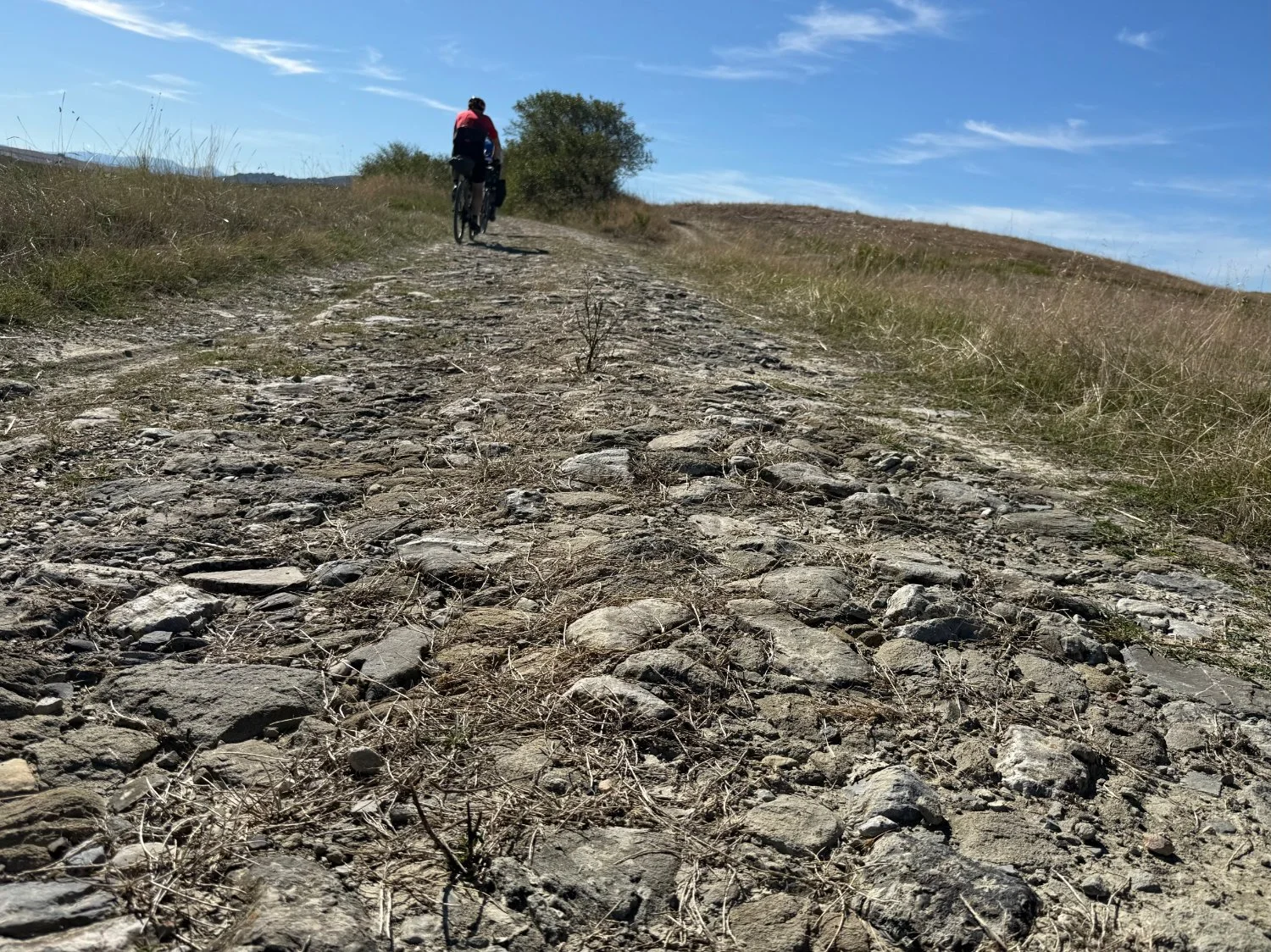
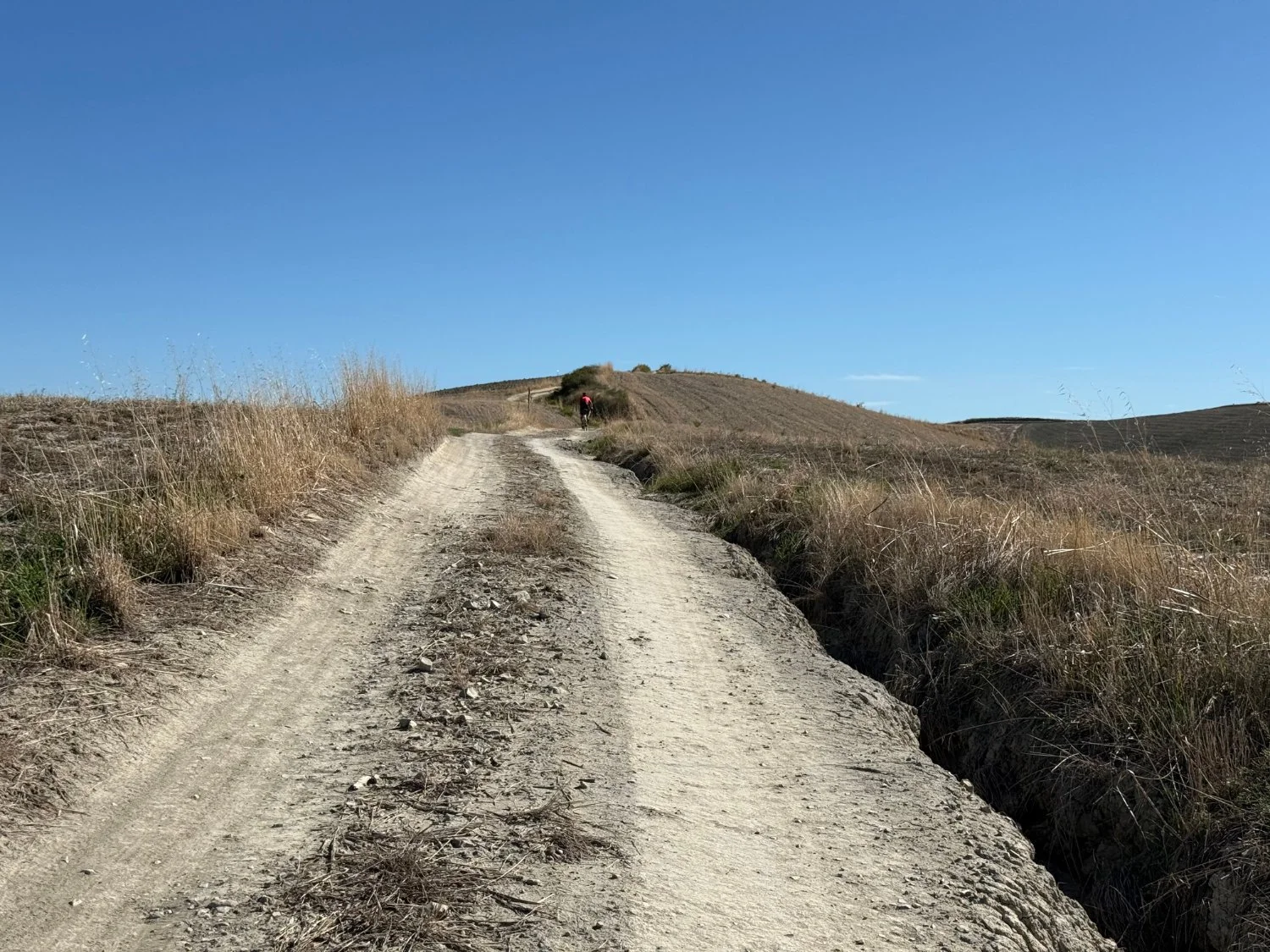
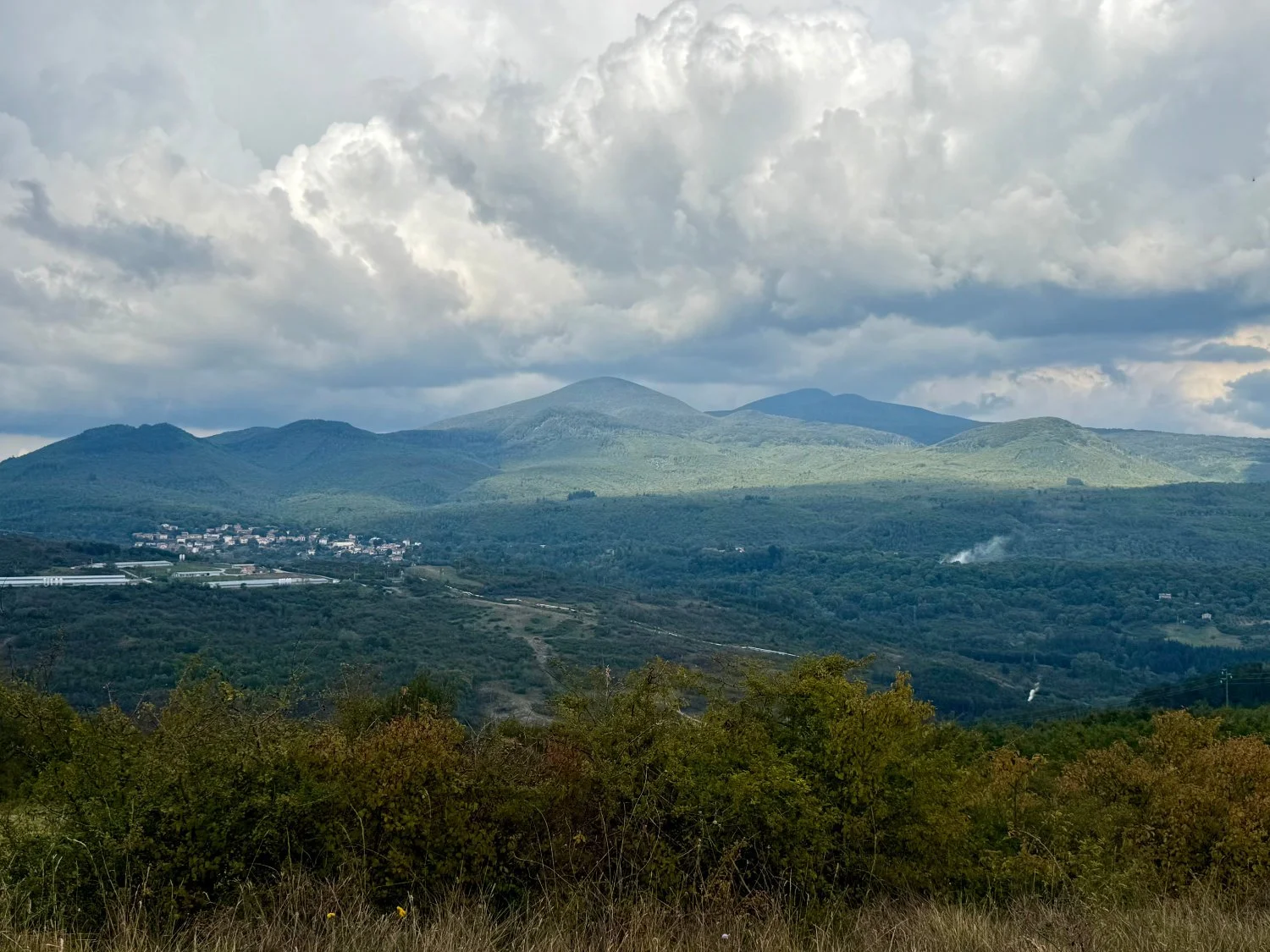
This is no ordinary ride. It is an adventure through the Tuscany everyone knows, and through the parts that never make it onto the biscuit tins. Sometimes wild and rough, sometimes serenely beautiful, always wonderfully challenging, for the tracks are not all ‘champagne gravel’: there are earth tracks, old stone-laid farm roads and the quiet lanes between them. There are some stiff climbs, and a long day over the flanks of Monte Amiata, an extinct volcano whose hot springs will ease your aching muscles. To finish, there are flamingos in a lagoon and town set around a glittering bay.
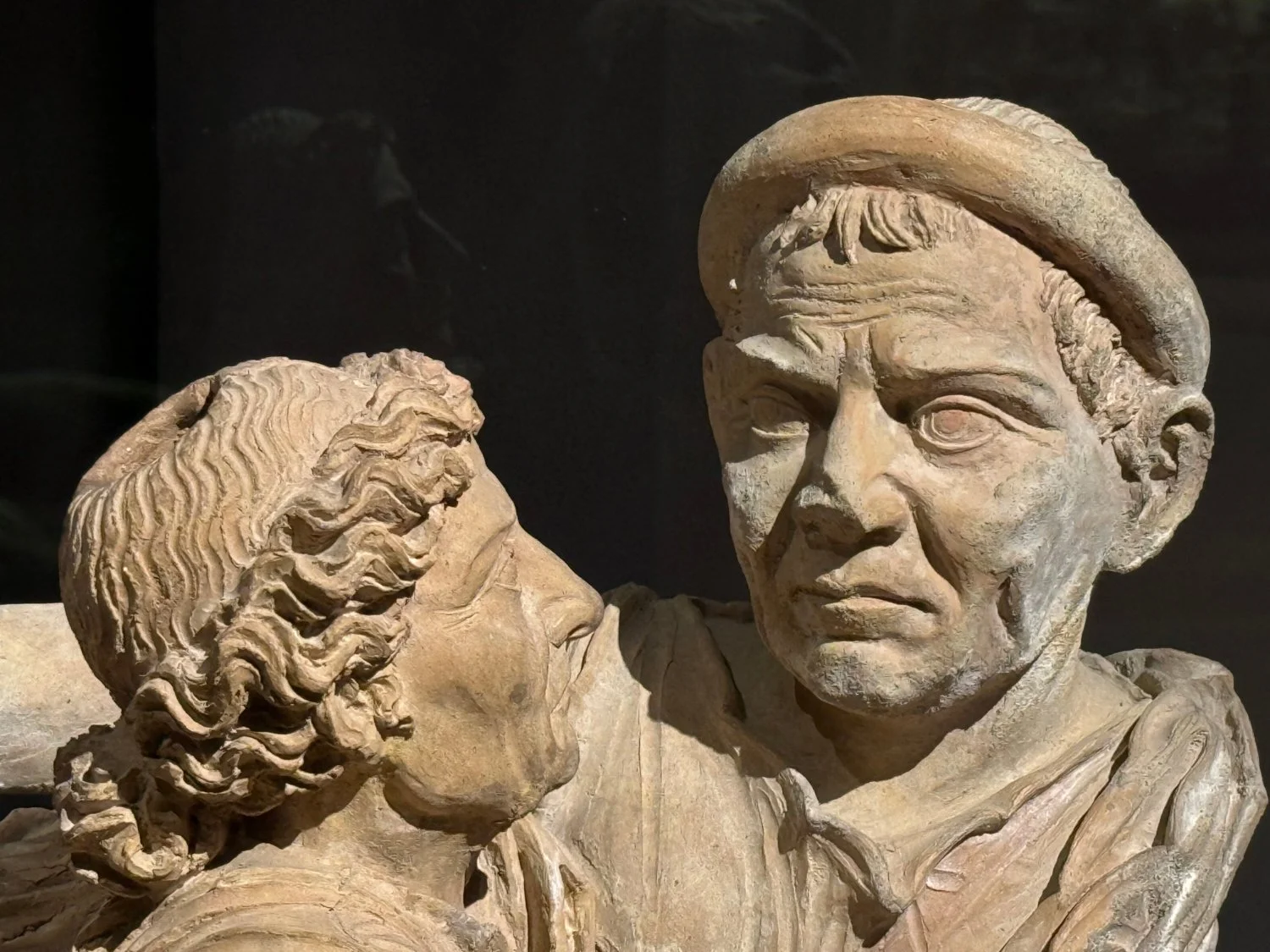
It is a cultural adventure too. Pisa’s Field of Miracles. Volterra, with its Etruscan ash urns and the Ombra della Sera, a figure that anticipates Giacometti by more than 2,000 years. You’ll ride over the bare Crete Senesi and along the Val d’Orcia to Pienza, built by a pope as an ideal Renaissance city. But the queen of Tuscany is Siena: less crowded than Florence, much less crowded, and arguably more beautiful. In its Palazzo Pubblico hang some of the earliest secular paintings in Western art. Ride out of the city afterwards and you’ll find the countryside has barely changed in the 700 years since they were painted. No pylons, almost no traffic, no modern structures, and outside the towns barely another tourist in sight.
To read the Journal of the ride - finding out what to expect, what to see, where to stay and eat, click here.
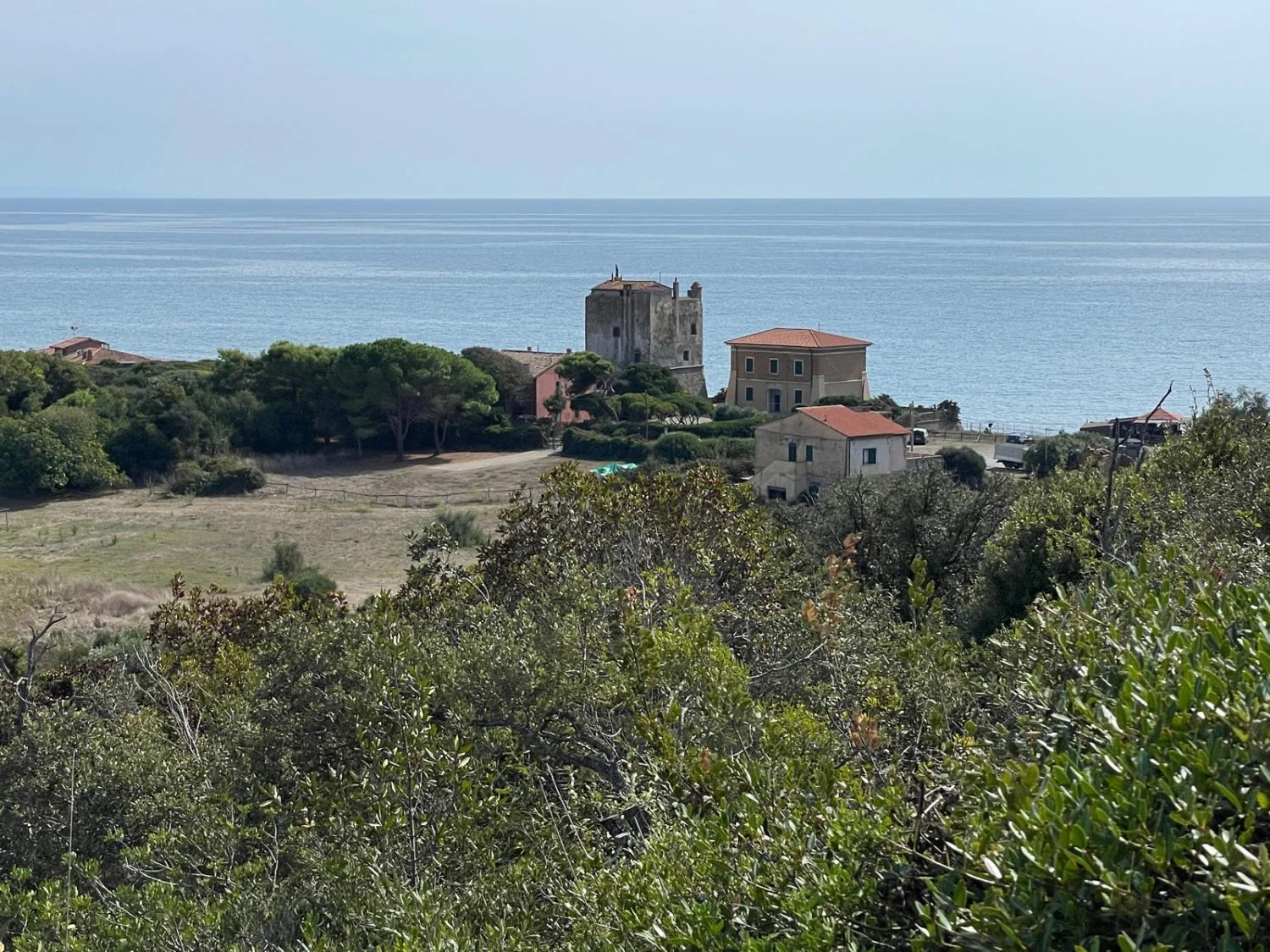
Ride Practicalities
Start/finish: Pisa, Campo dei Miracoli, to Porto Ercole Distance: 460km over seven riding days Total ascent: 7,875m
Daily stages: 1. Pisa–Fauglia 31/213m · 2. Fauglia–Volterra 53km/1,114m · 3. Volterra–Siena 78km/1,330m · 4. Siena–Agriturismo Podere Casato, Castelnuovo Berardenga 81km/1479m · 4b - an alternative shorter route; Siena–Agriturismo Podere Casato, Castelnuovo Beradenga 36km/586m · 5. Agriturismo Podere Casato, Castelnuovo Berardenga –Bagno Vignoni 78km/1,442m · 6. Bagno Vignoni–Saturnia 81km/1,583m · 7. Saturnia–Porto Ercole [60km/714m]
Terrain and surfaces: a mix of white gravel, earth tracks, stone-laid farm roads, tarmac lanes and some busier roads. The Maremma tracks on the last day are the roughest of the trip. Gravel bike recommended, tyres 35mm or wider.
When to go: late April and May, or late September and early October: cooler mornings, warm afternoons. Avoid high summer.
Water and food: fill up wherever you can. On the Fauglia–Volterra day there is nowhere to refill once you’re out in the hills, and don’t trust garden hoses. (See the Journal entry). Shops and cafés outside the main towns close in the afternoon, and on the Amiata–Saturnia stretch the villages may have nothing open at all.
Rail: Pisa Centrale at the start. For the return, Orbetello–Monte Argentario is the nearest station to Porto Ercole. Buy tickets in advance online app Trainline. There’s plenty of room for bikes - 2 per carriage, but these can fill up on weekends. Technically there’s a bike supplement to pay €1.60 (weekends) or €3.50 (weekdays). Buy it on the Trenitalia app or website, under regional services. If you’re unable to navigate the Trenitalia app (you’ll not be the first), buy a second standard ticket for the same journey from the machine instead – it counts as your bike ticket. Last resort; buy the ticket from the guard on the train.
Suggested Accommodation: Pisa: Rif Boutique, Fauglia: Villa Conti · Volterra: Chiostro delle Monache · Siena: Regis Condo · Castelnuovo Baradenga: Agriturismo Podere Casato · Bagno Vignoni: L’Orto delle Terme · Saturnia: Hotel Fonte Del Cerro · Porto Ercole: Hotel Conchiglia,
Recommended food: Pisa: Osteria dei Cavalieri , Erbaluigia · Day 1; Fauglia - Dinner: Osteria La Gattaiola · Day 2: Volterra: Lunch/Dinner: Osteria dei Poeti · Colle di Val d’Elsa - Day 3: Lunch: L’Antica Trattoria di Paradisi Enrico · Day 4: Siena - Dinner: Osteria Le Logge · Gaiole in Chianti - Lunch (full route): Osteria La Voglia · Day 5: Buonconvento - Lunch: Da Mario · Bagno Vignoni: Osteria del Leone, Day 6: Abbadia San Salvatore: Lunch: Gatto e Volpe - Saturnia: La Stellata· Day 7, Porto Ercole: Dinner: Gamberorosso
Ride Notes
Day 1: Pisa
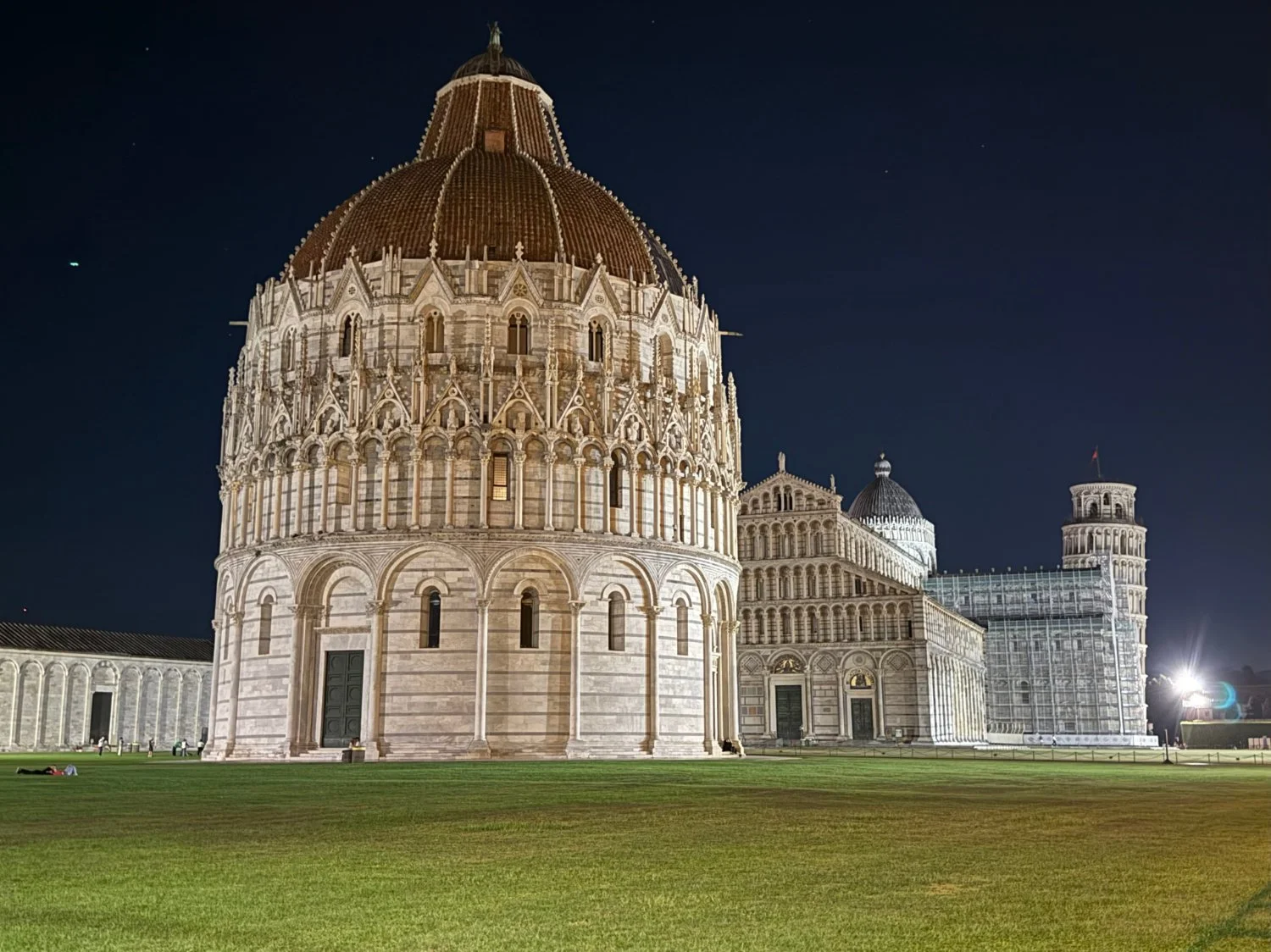
Start early. At dawn the Campo dei Miracoli is almost empty; by mid-morning it is wall-to-wall selfies. Sit in the Baptistery and wait for the attendant to sing: the acoustics are extraordinary. Buy tickets. There’s a ticket office in the Campo as well.
The ride today is easy and only 30km, flat for most of the way, on a cycle path beside the Arno river. Once you turn off for the hills, expect quite a lot of traffic on the roads. Fauglia is a quiet town.
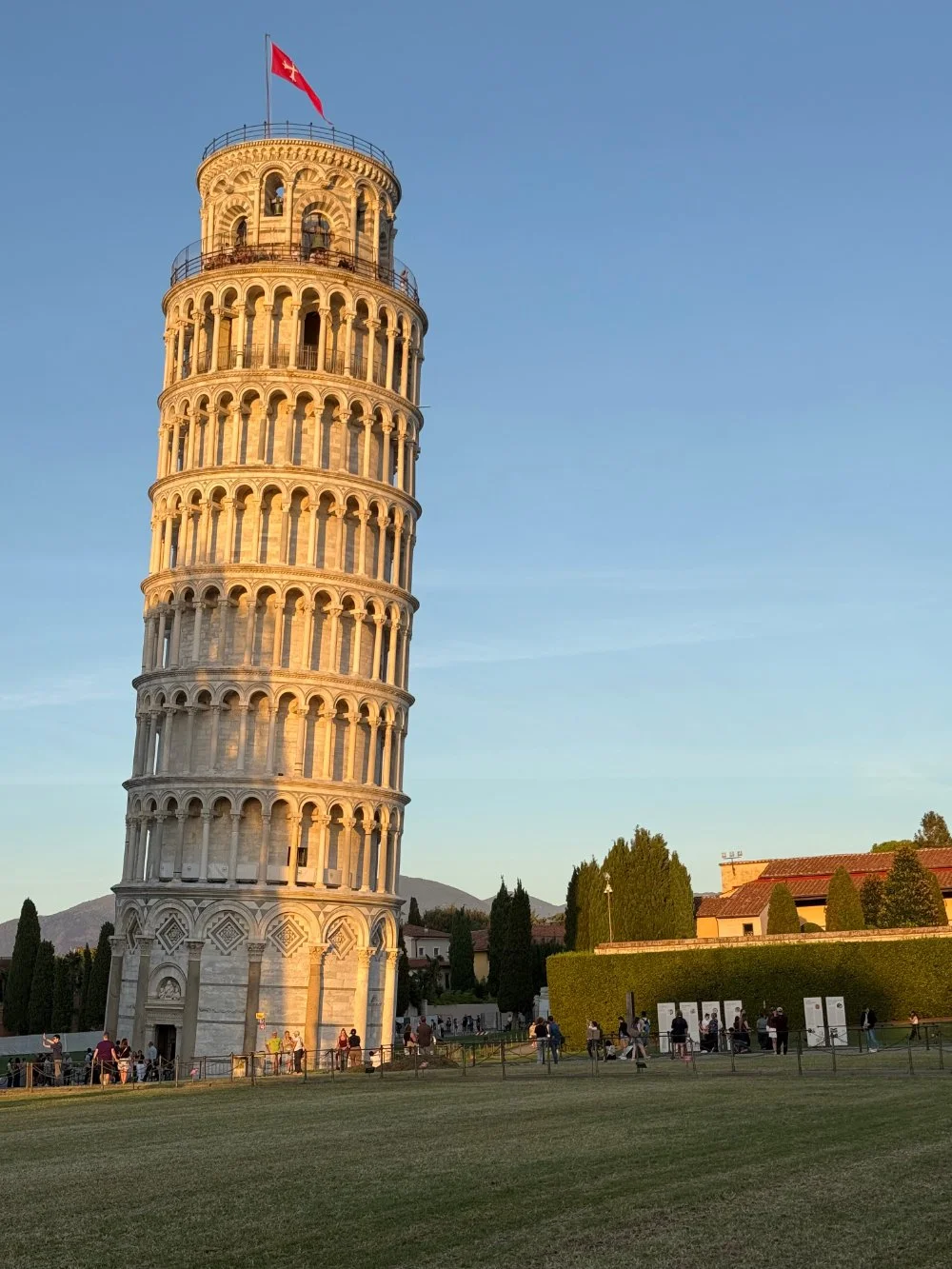
The Leaning Tower of Pisa
Fauglia
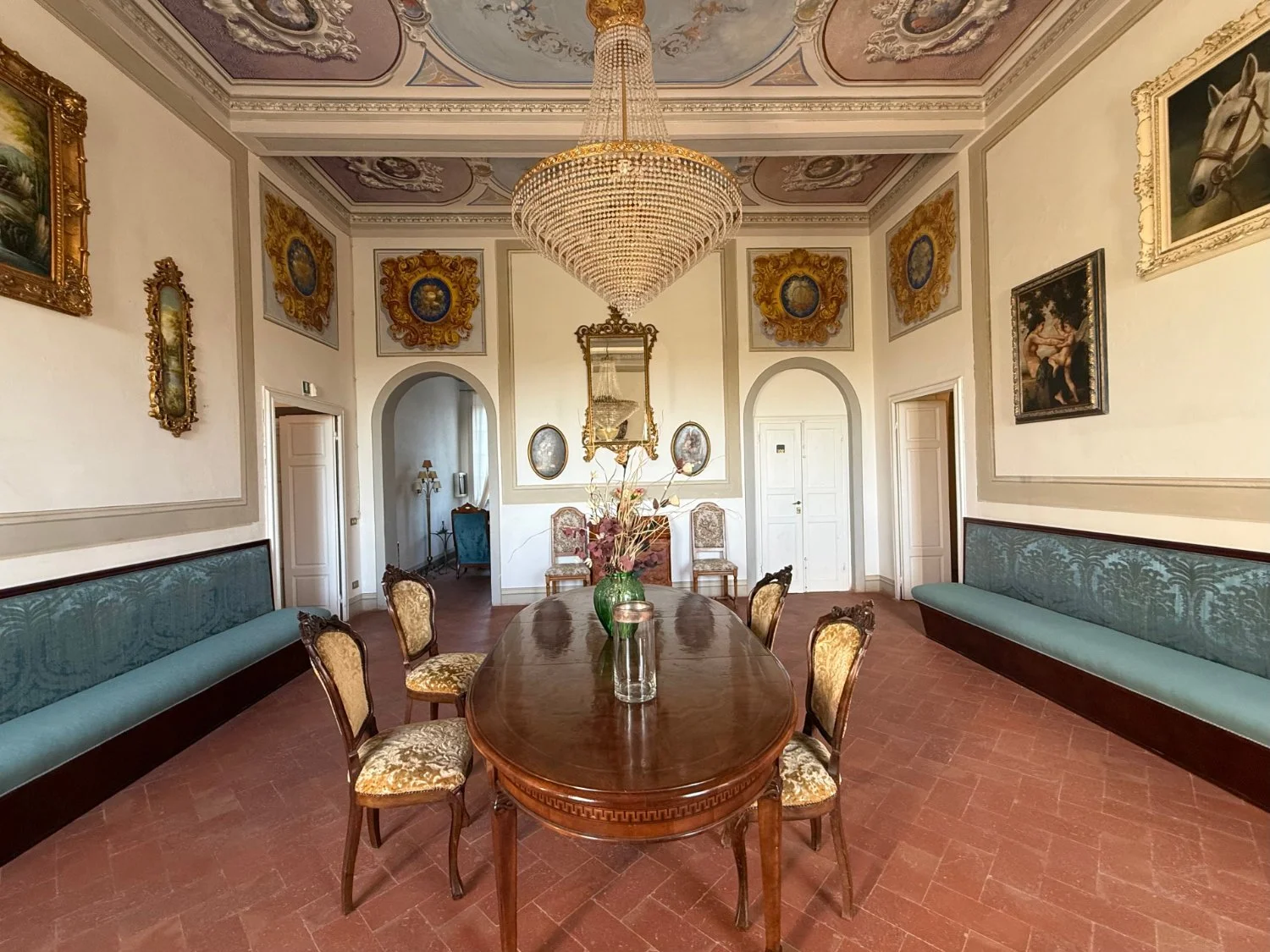
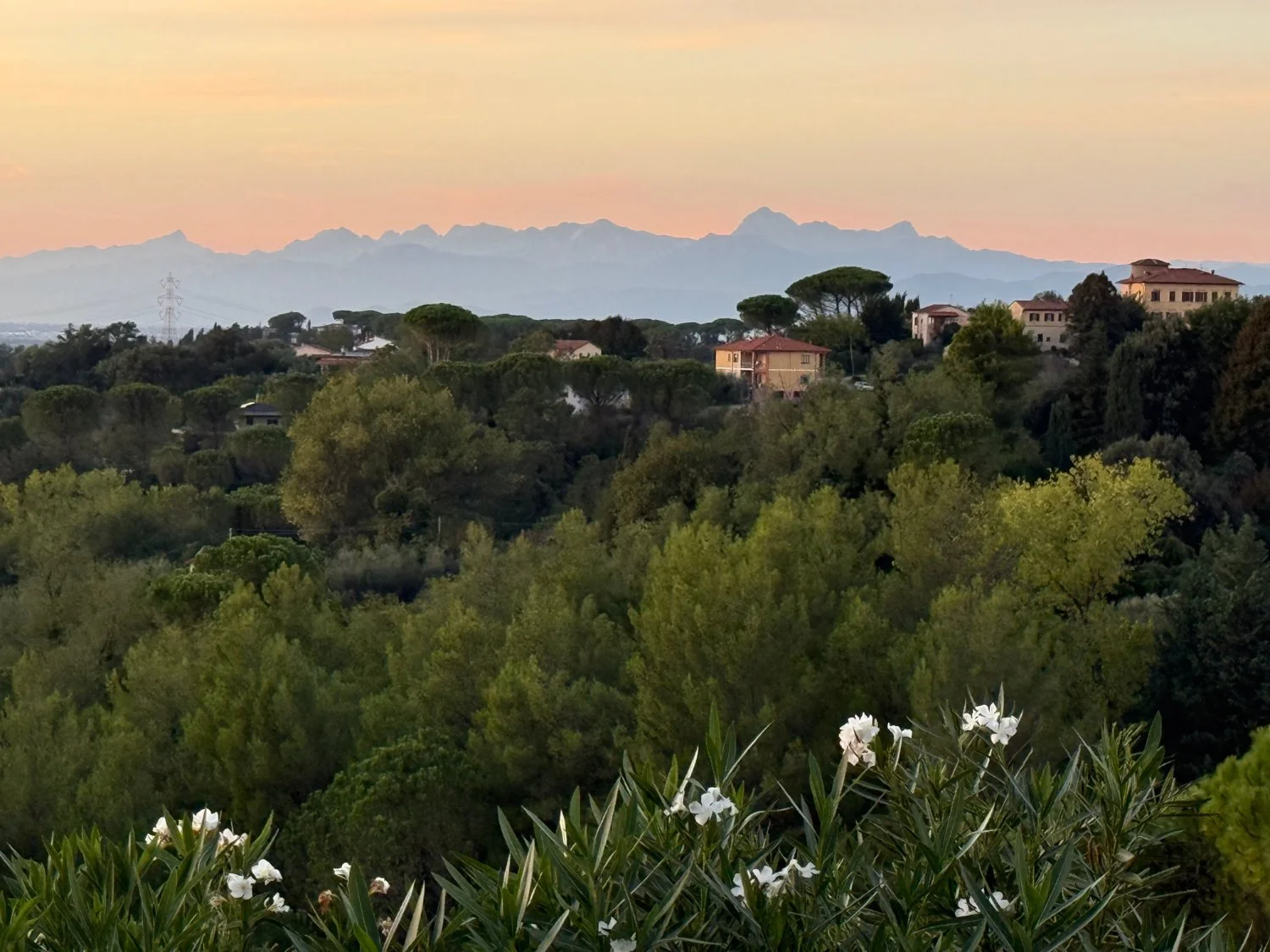
Villa Conti has frescoed ceilings, a pool and a view of the hills glowing at sunset. Eat at La Gattaiola in town, or at the Villa.
Day 2 : Fauglia to Volterra
The day starts gently, on an earth track through a tunnel of trees, then gets serious. Expect steep, walk-if-you-must climbs on rough tracks and a stretch of stone-laid farm road that will make you nostalgic for Flanders cobbles. It’s tough and rewarding. Rolling hills, cypress trees, poderi, stark fields. Everything that you came to Tuscany for! Look out for the Teatro del Silenzio near Lajatico and Mitoraj’s great cracked head on the ridge. There is no water out here.
Volterra
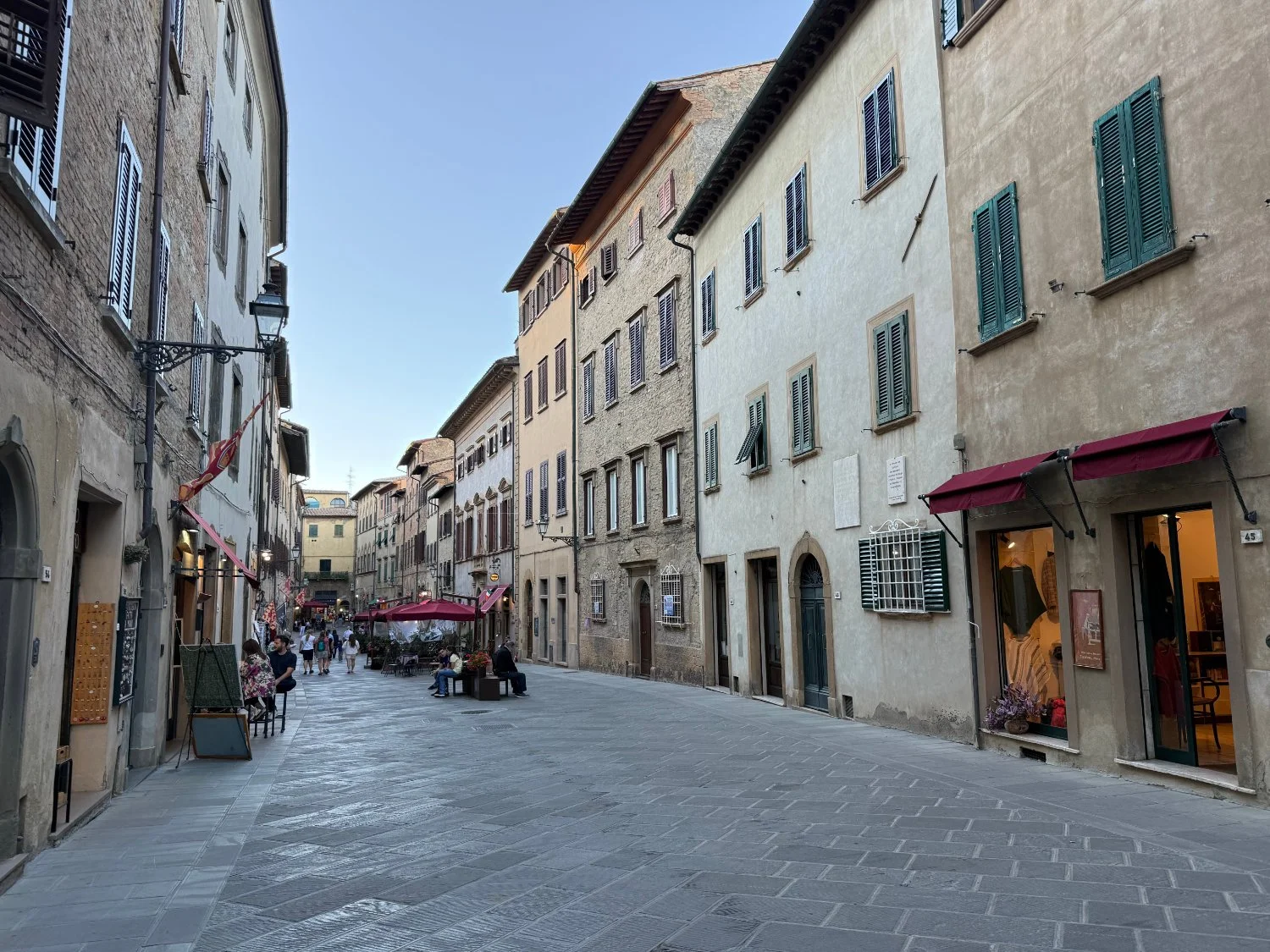
A very ancient town hill-top town, walled by the Etruscans before the Romans arrived. Lovely cobbled streets, squares and houses. There’s a great view too, over the roads that you’ve just ridden on, from the Etruscan Gateway, Porto All’Arco. Leave time for the Guarnacci Museum: the Etruscan ash chests, the Urna degli Sposi and the Ombra della Sera. Check the closing time, because they will usher you out on the dot. Next morning, be in the main square early for the sun on the tower of the Palazzo dei Priori.
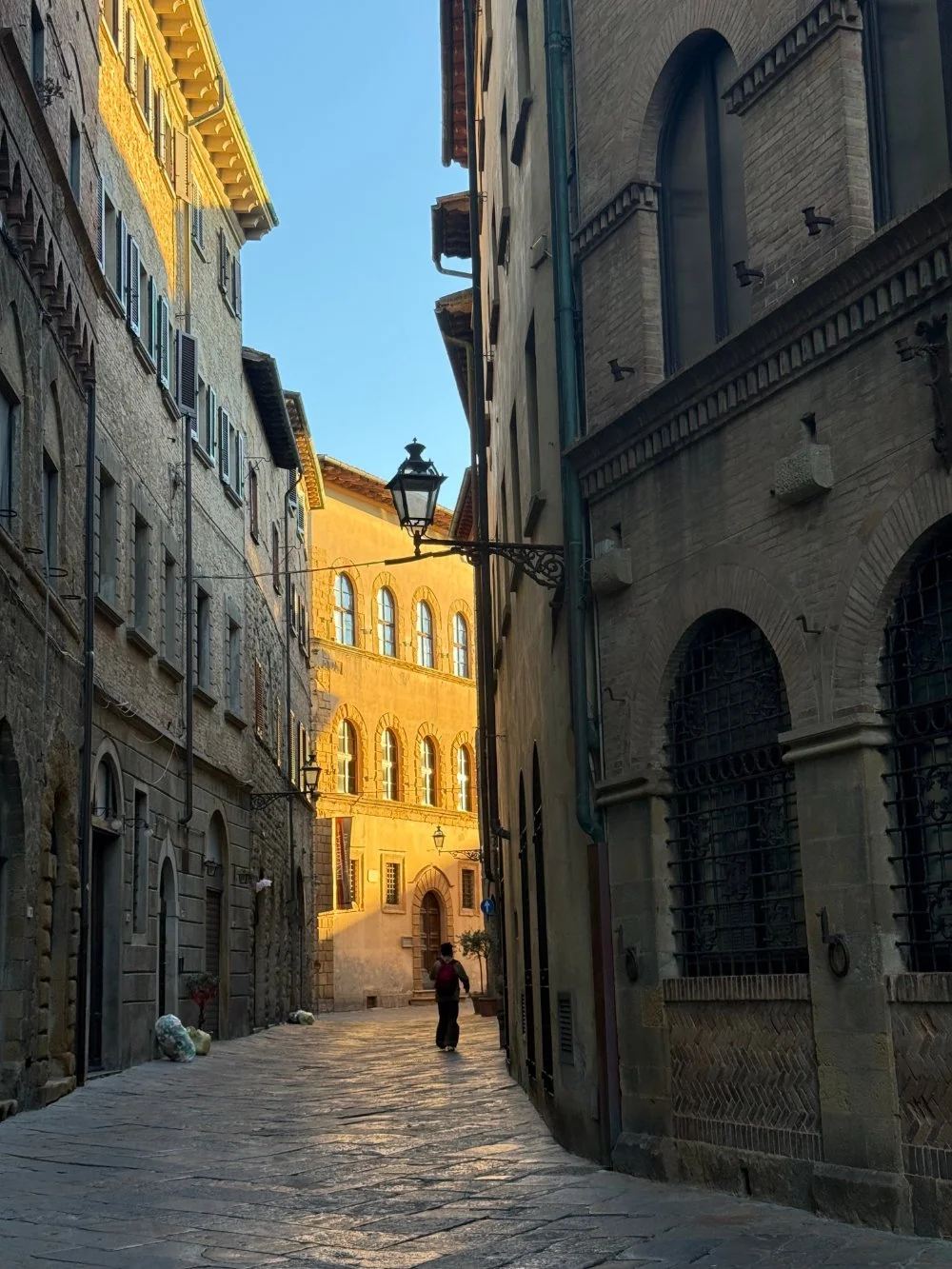
Volterra
Day 3: Volterra to Siena
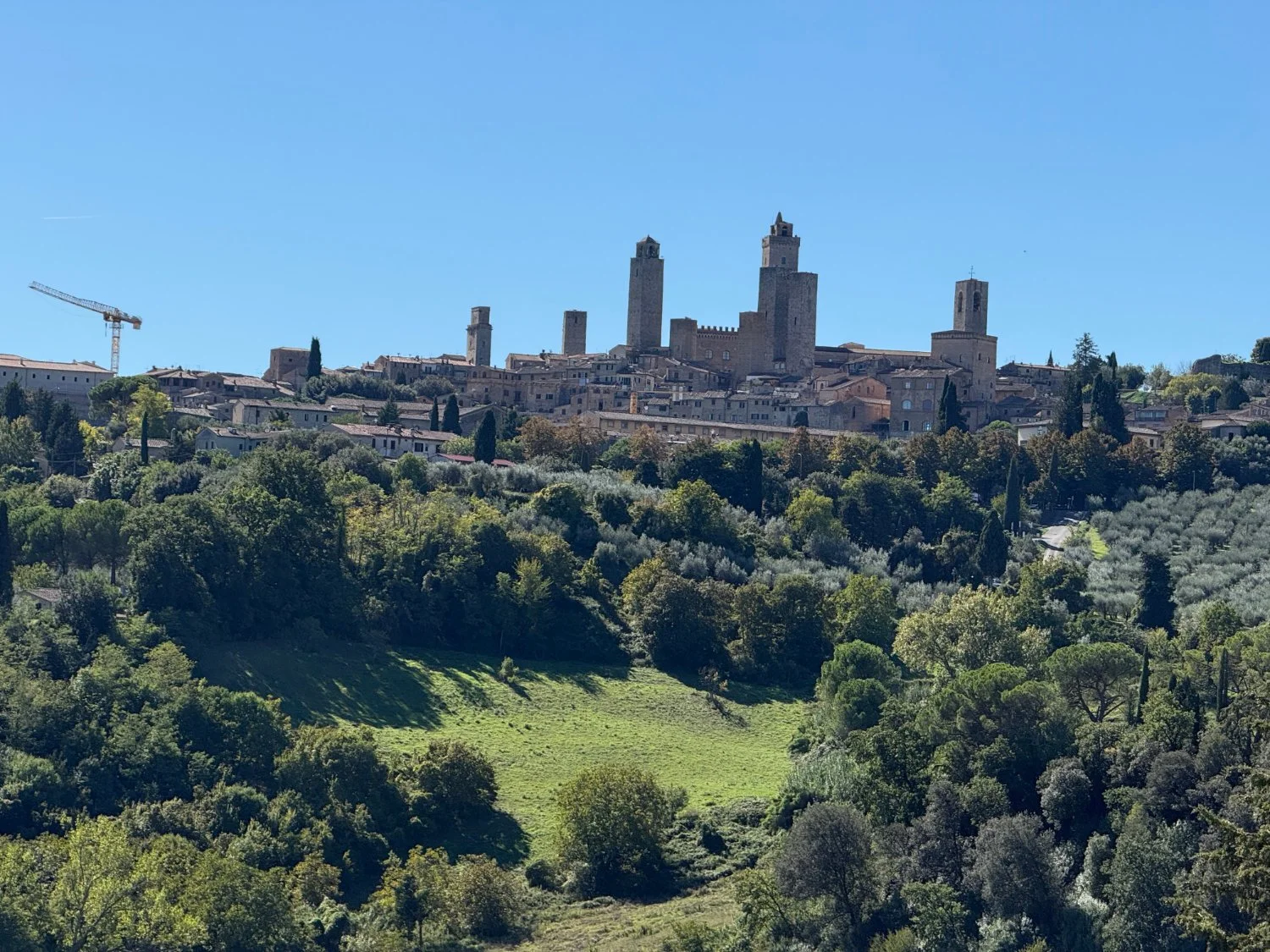
A fast, cold descent from Volterra, then eleven kilometres of white gravel climbing through the woods. Hot work, even in autumn. San Gimignano looks great from afar and will be heaving with people: push through, gaze at the remaining towers, have a coffee and move on.
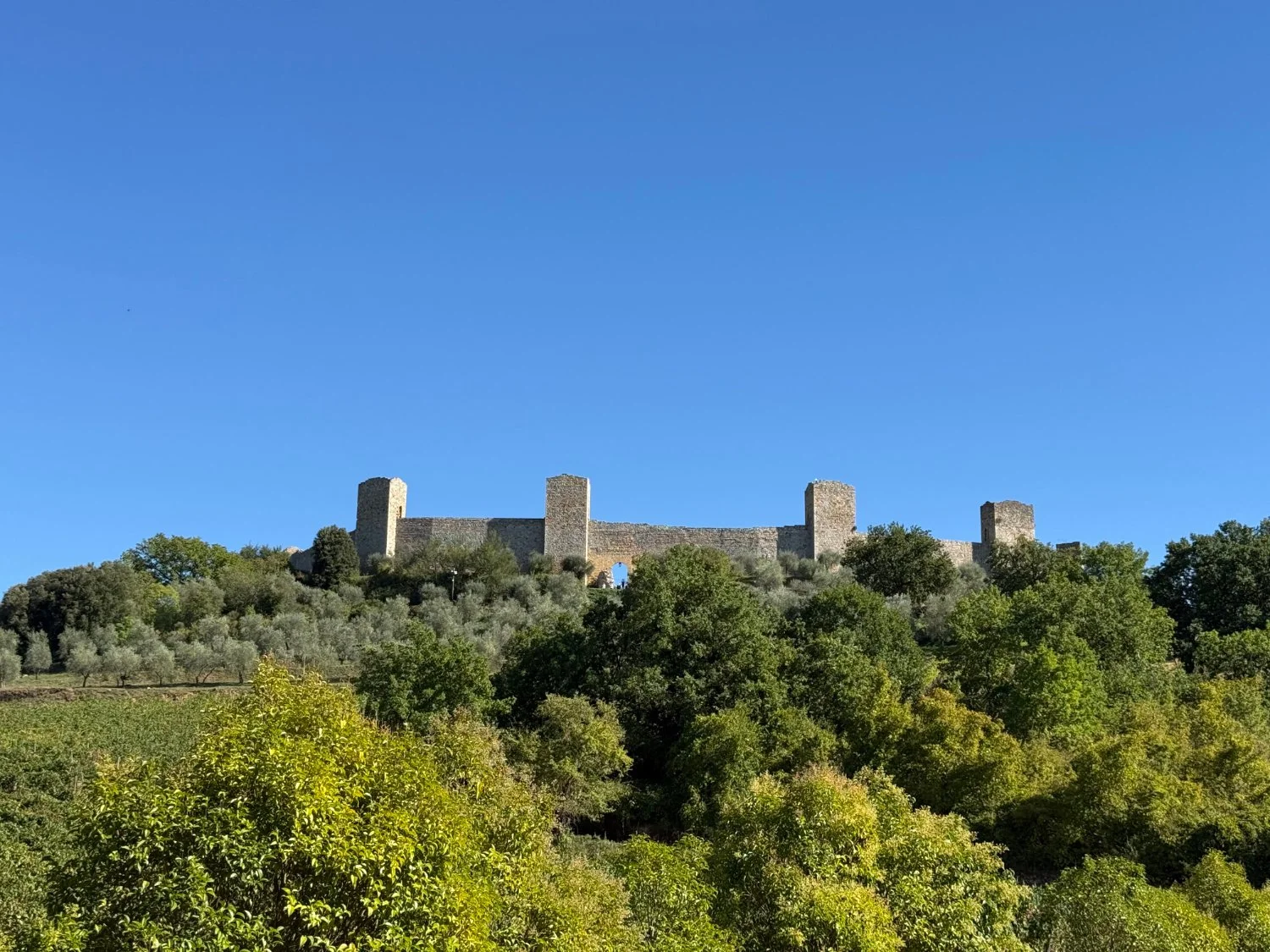
Monteriggioni and the road to Siena
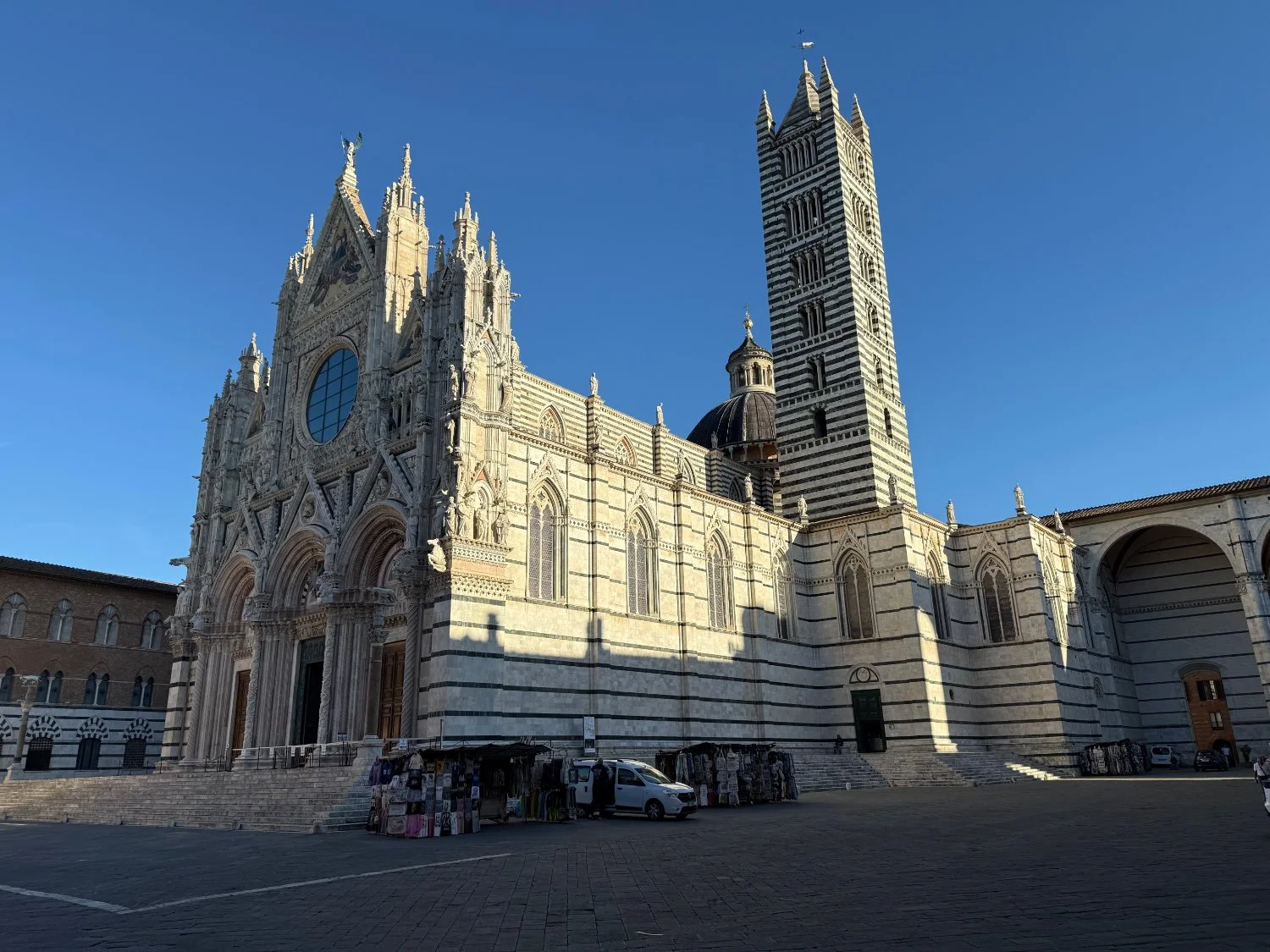
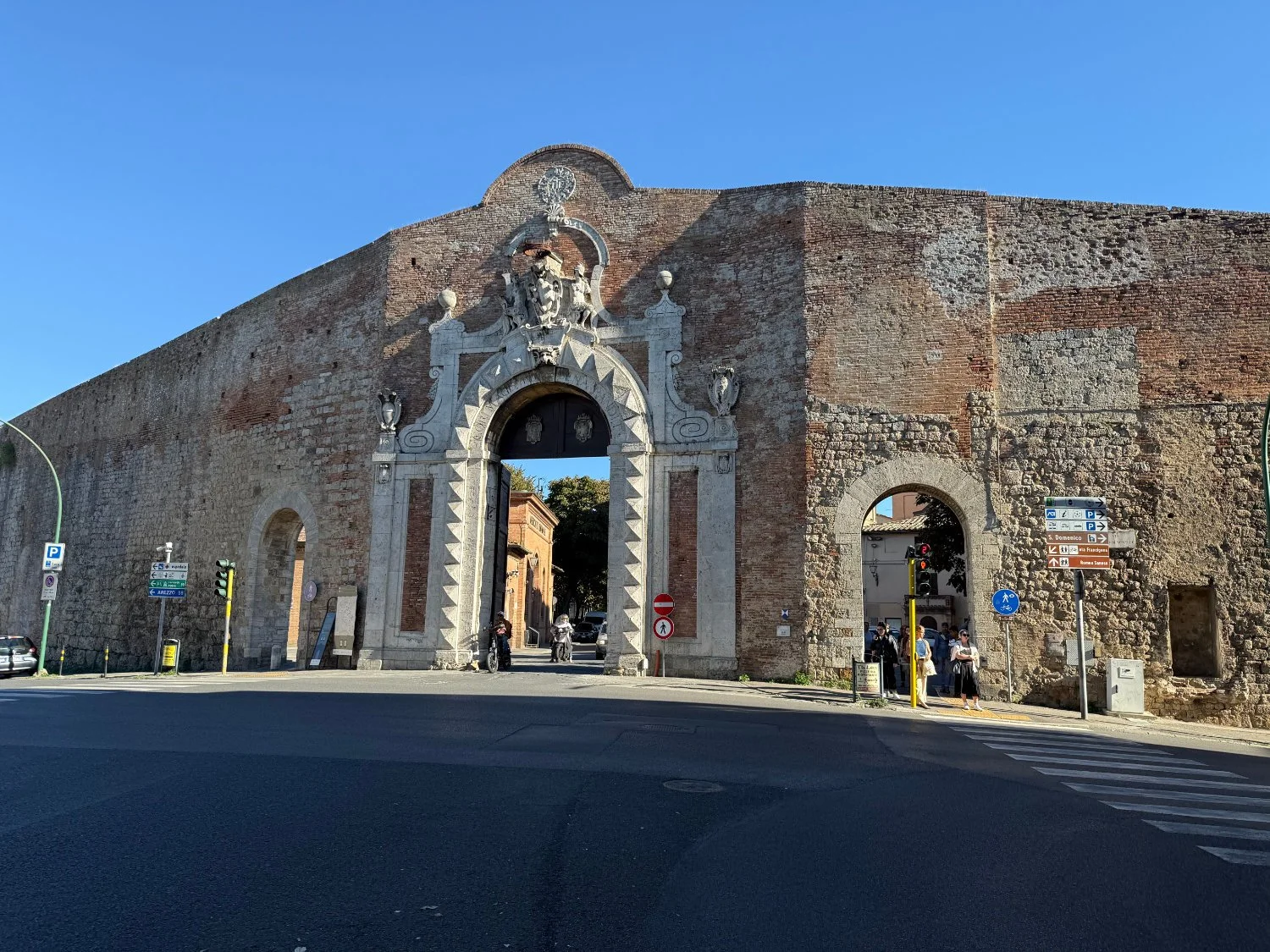
Dante’s towers above you and pilgrims on the Via Francigena below. Enter Siena by the Porta Camollia, the Pilgrim’s Gate. The streets inside are a maze where GPS signals give up. Head for the Piazza del Campo, one of Europe’s most famous ‘squares’. Enjoy a superb dinner at the Osteria Le Logge.
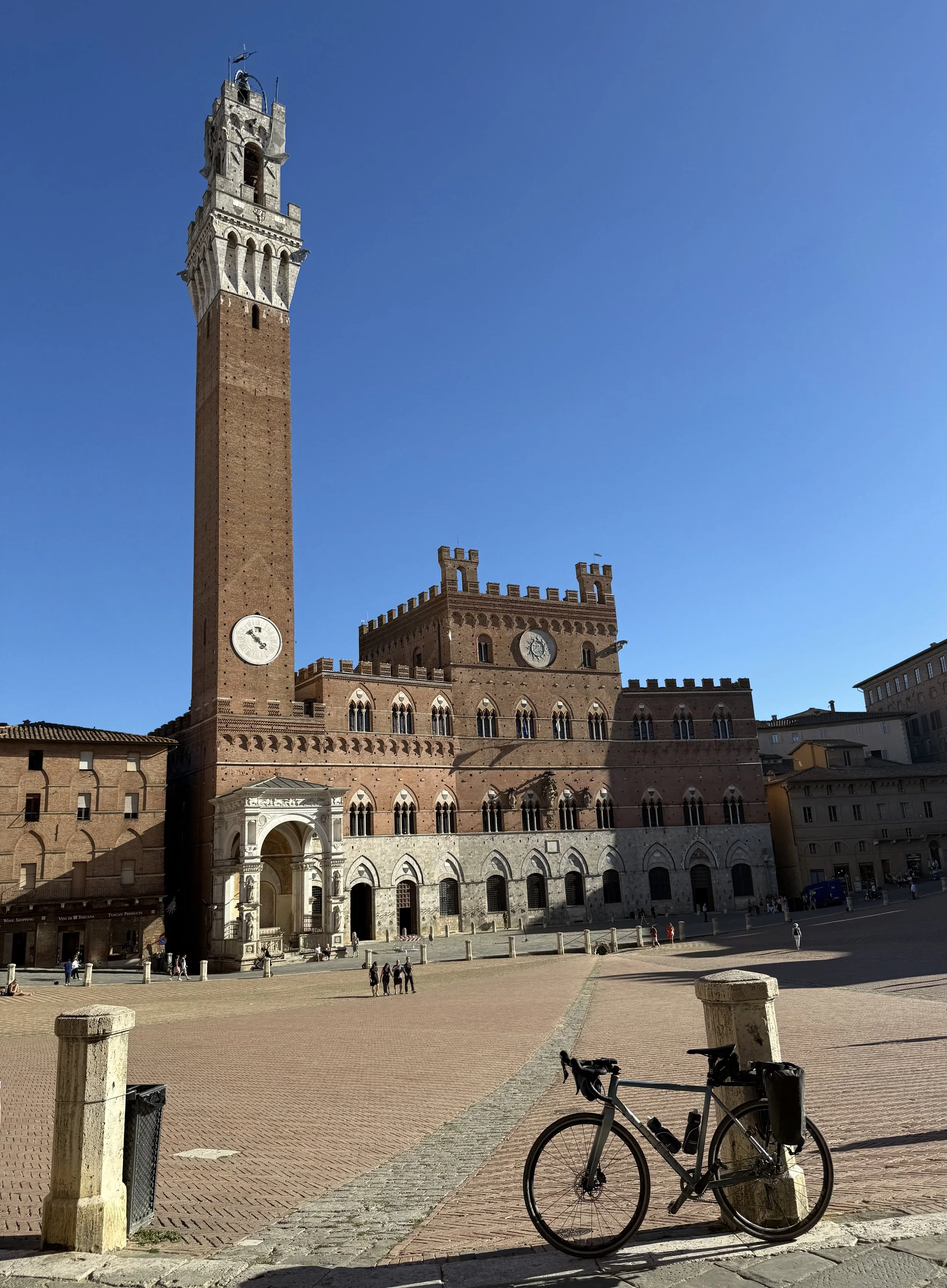
Torre di Mangia
Day 4: Siena to Castelnuovo Beradenga
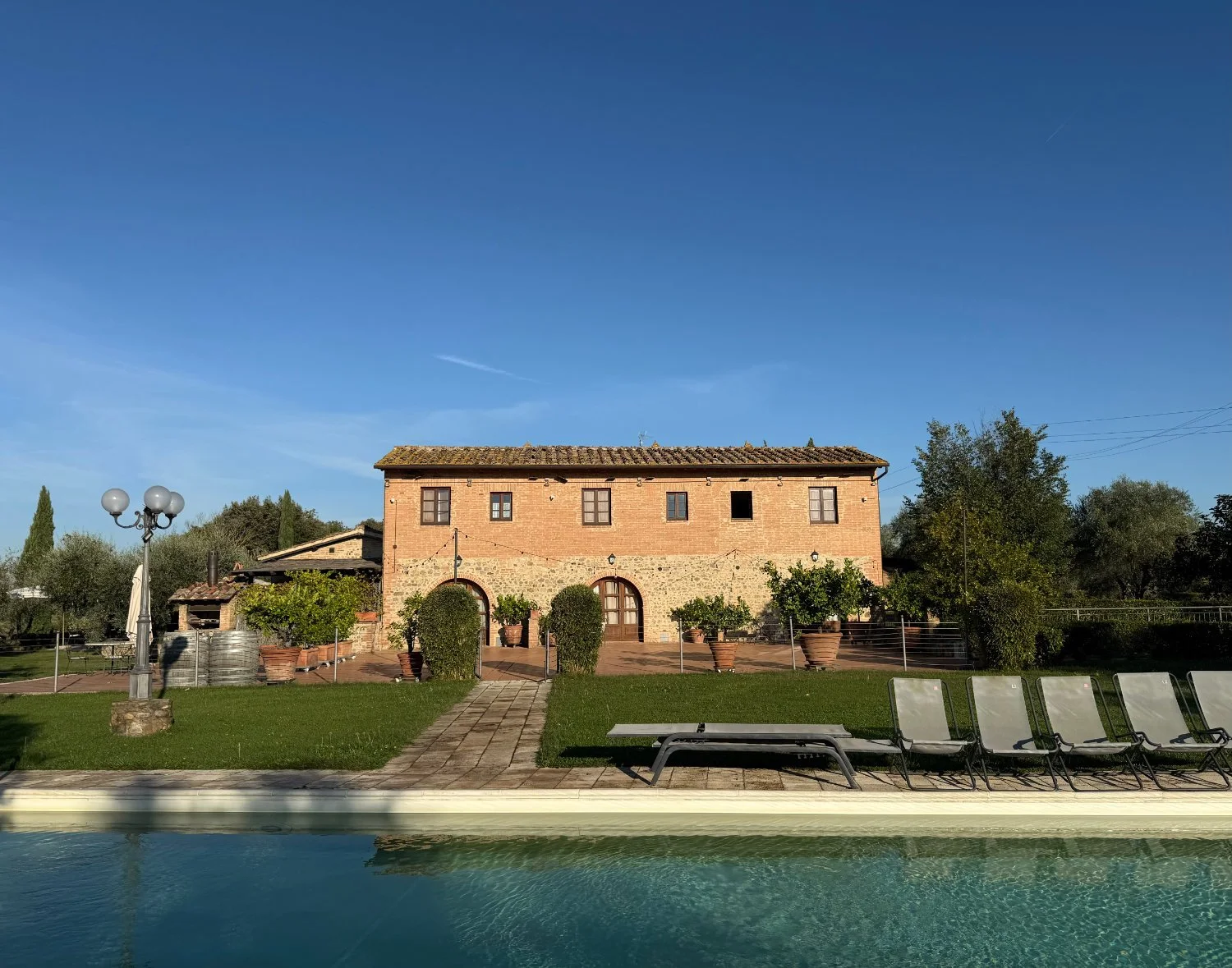
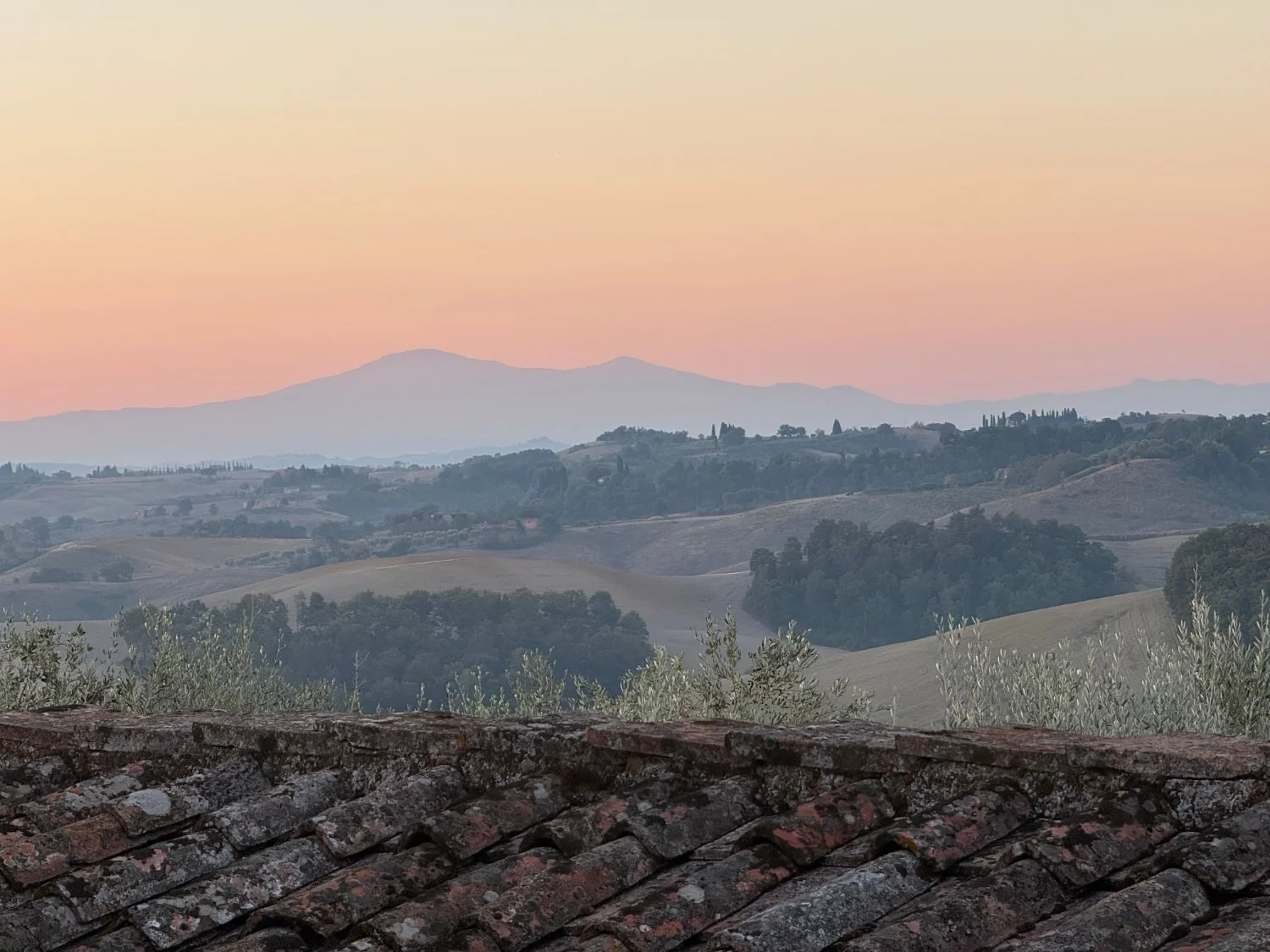
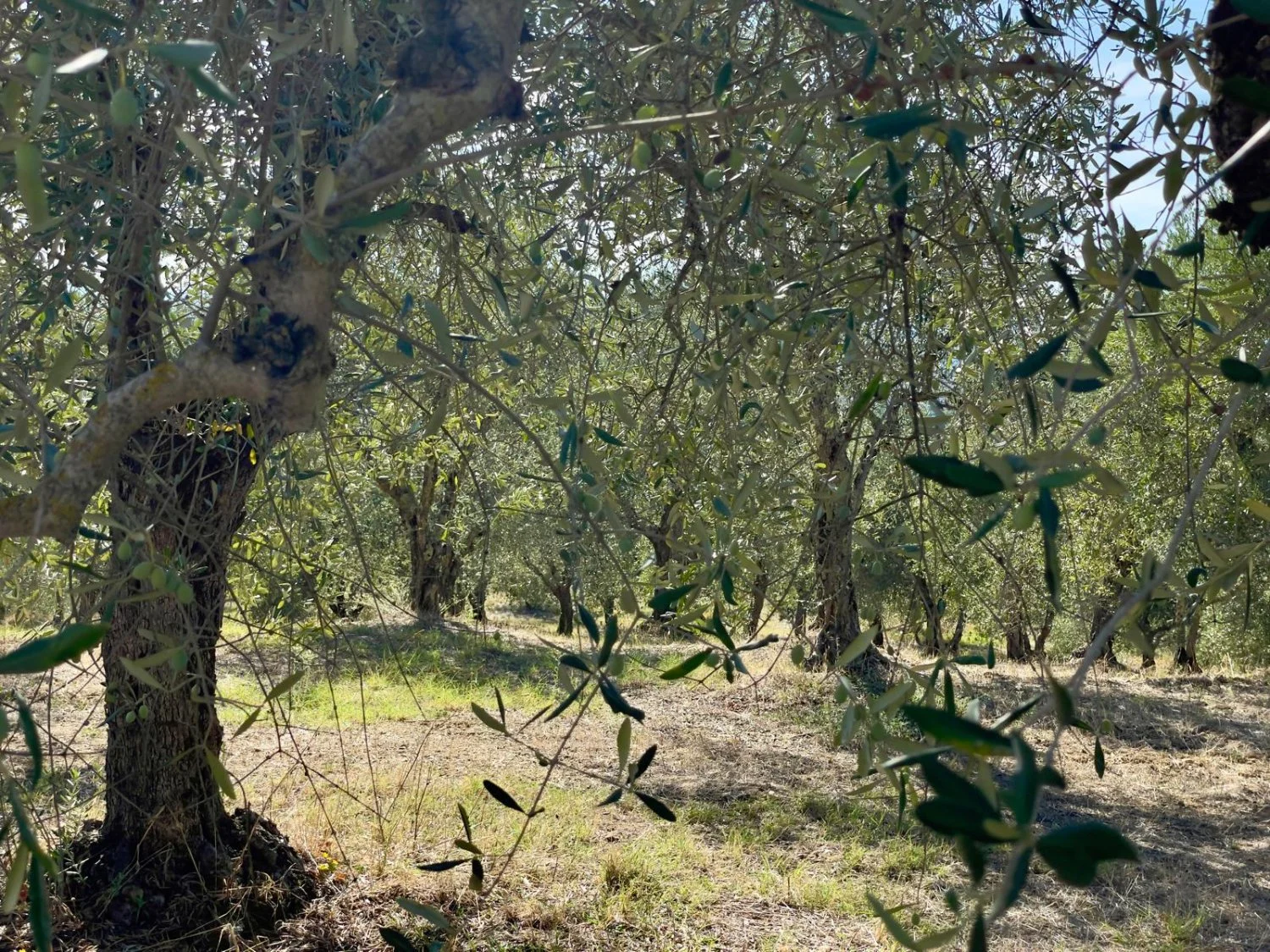
Take the morning off the bike. The Palazzo Pubblico is unmissable: Lorenzetti’s Good and Bad Government in the Sala dei Nove, and Simone Martini’s Guidoriccio in the Sala del Mappamondo next door. next door. Siena has a good bike workshop if you need one. In the afternoon, ride out into the hills Lorenzetti painted. The choice is either the longer route, which covers much of the Eroica course which is ridden each October on pre - 1987 bikes - the roads are the classic strade bianche - or if you’ve spent too much time in Siena, head for the alternative short route - which takes you out of town directly to the Agriturismo, where there’s a pool. The grounds with the olive trees and views encapsulate all that is Tuscany.
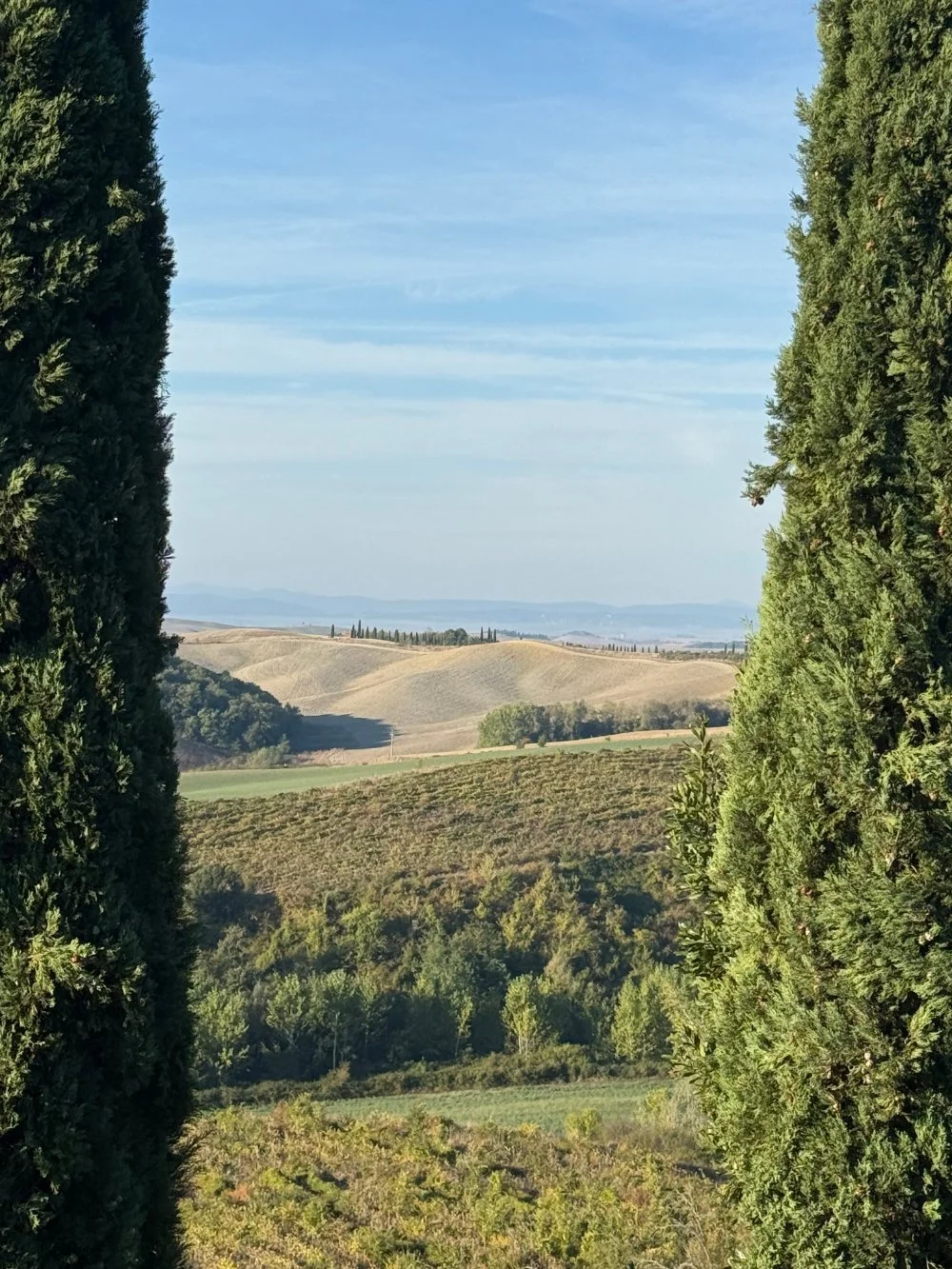
Castelnuovo Baradenga
Day 5: Castelnuovo Berardenga to Bagno Vignoni
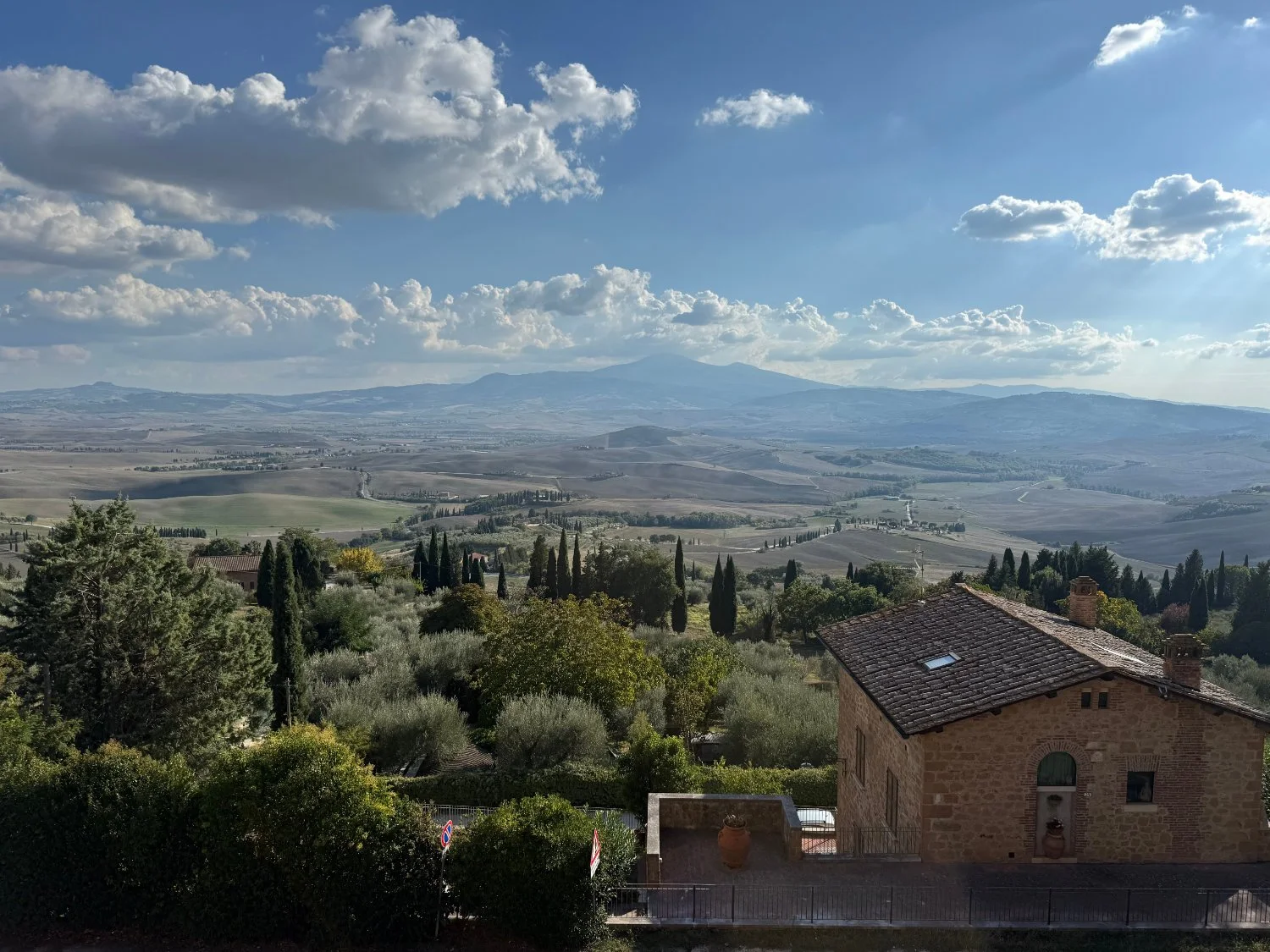
The Val d’Orcia and Pienza
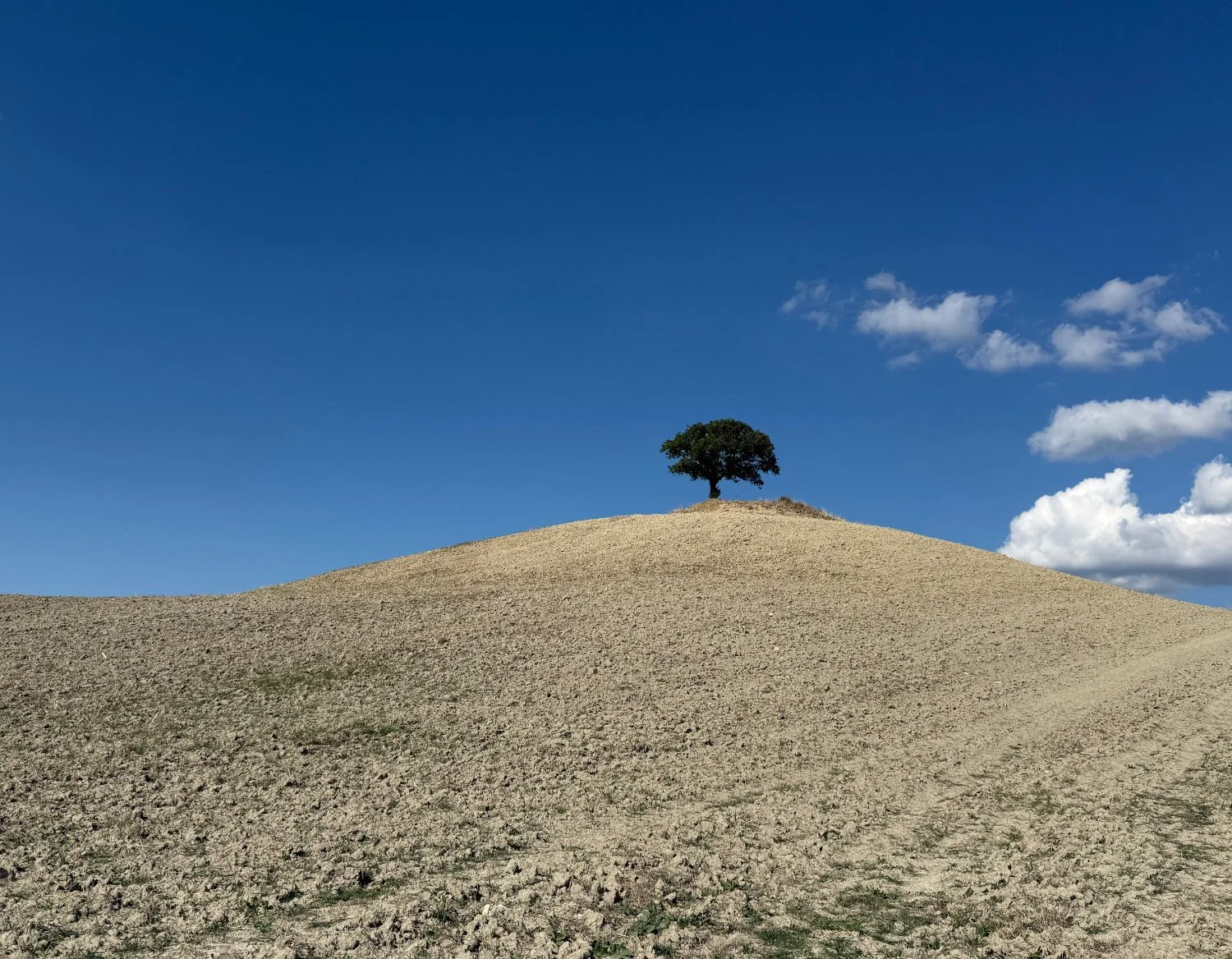
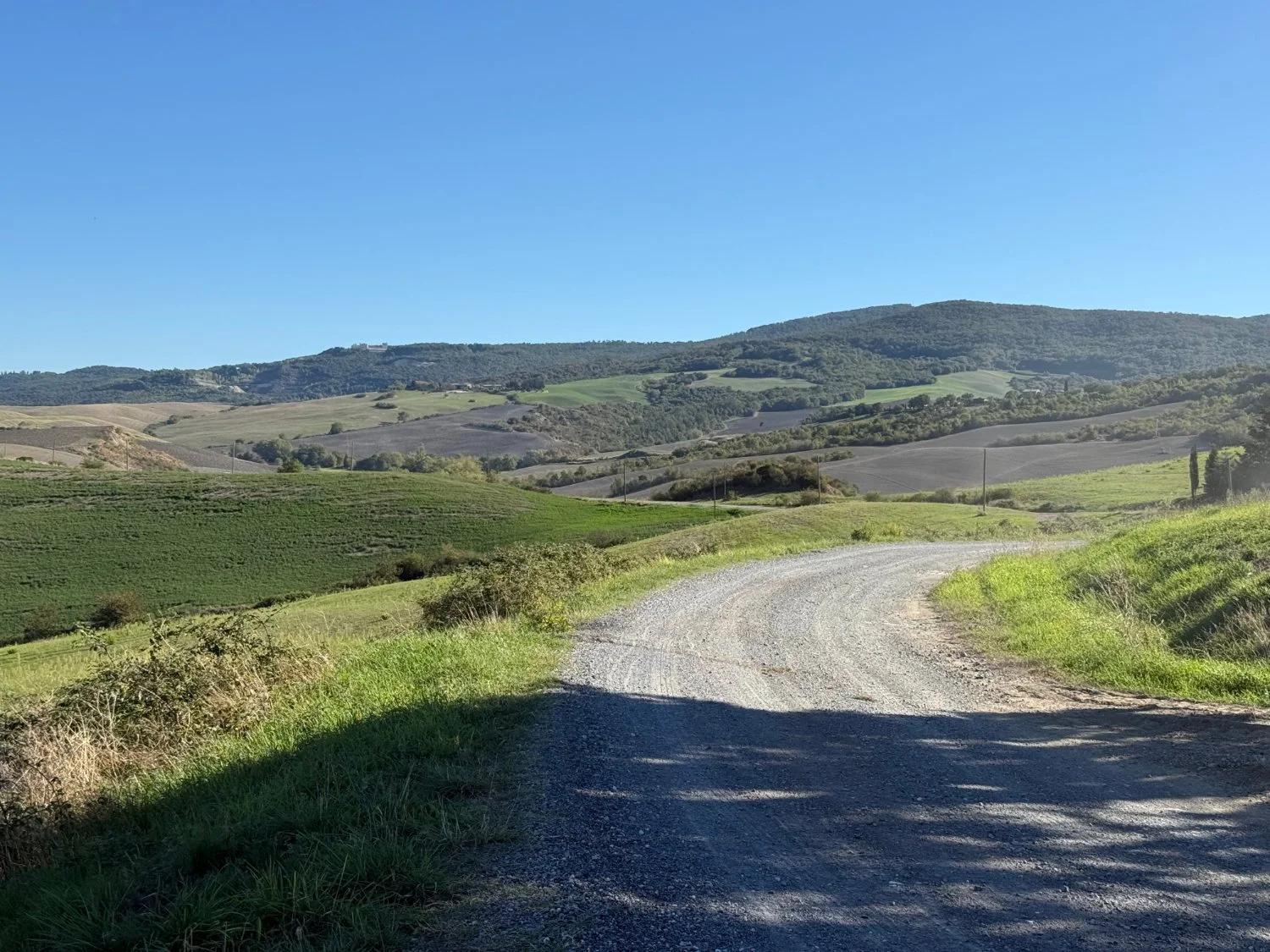
Monte Sante Marie and the Crete Senesi
The longest sector of the Strade Bianche: 11.5km of white road, with short, steep climbs and fast descents on loose gravel. Respect the bends. Admire the courage and speed of the progressionals who race along here faster than you’d ride on smooth tarmac. Beyond it lie the pale clays of the Crete Senesi and the Deserto di Accona.
Origo’s valley, and the famous zigzag cypress road at La Foce that she and her husband planted. Read War in Val d’Orcia before you go to fully understand how this near desert was transformed into what you see today - a rich agricultural landscape. Lunch in Buonconvento: Da MarioIris
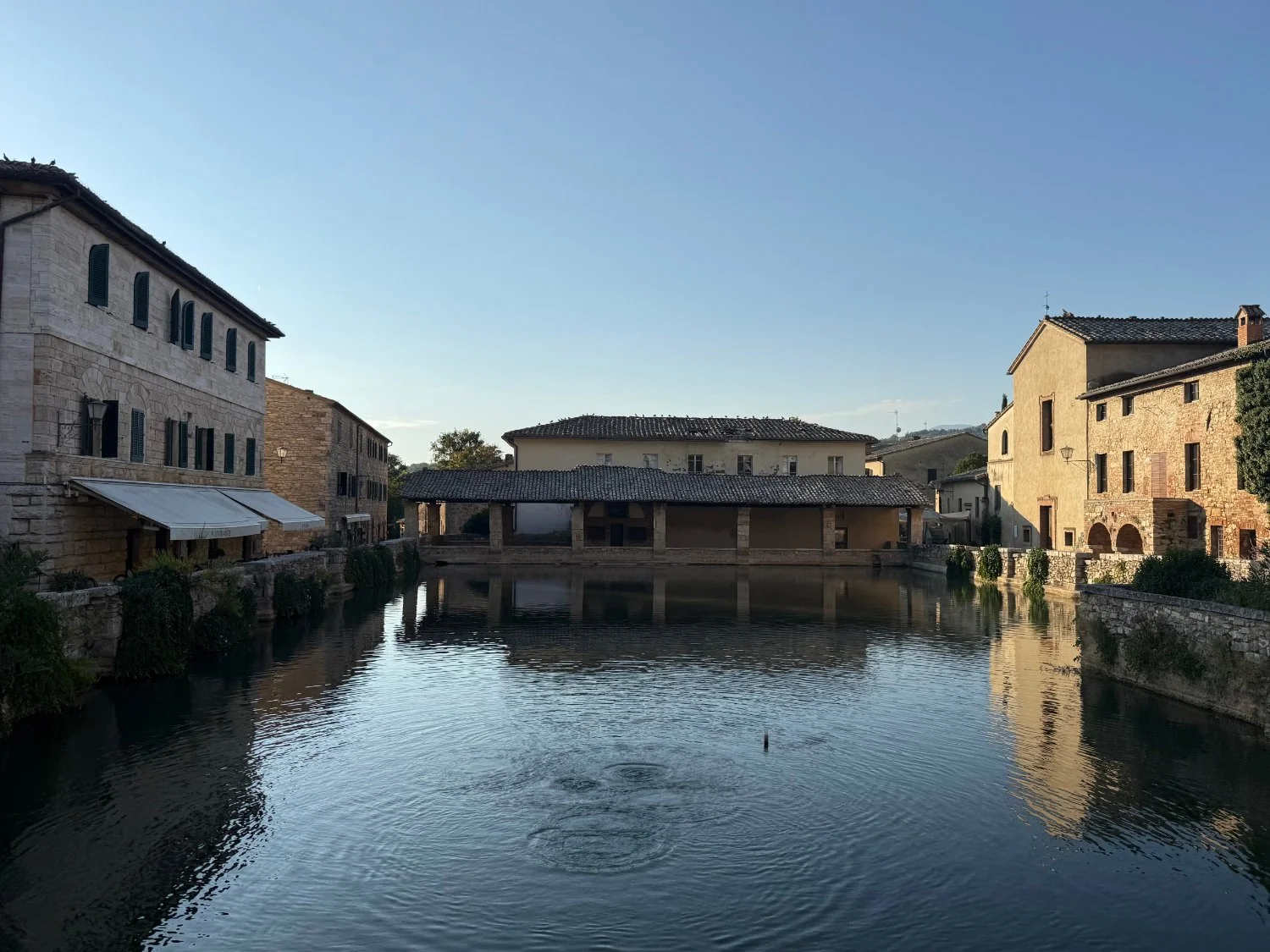
After lunch, more white roads, over rolling hills. Pienza, Pope Pius II’s ideal Renaissance City, is busy like the other well preserved hilltop towns, but worth a stop. From there it’s mostly downhill to Bagno Vignoni, with one last dusty track. A bubbling hot spring surrounded by walls has replaced the traditional piazza. Stay: L’Orto delle Terme · Eat: Osteria del Leone
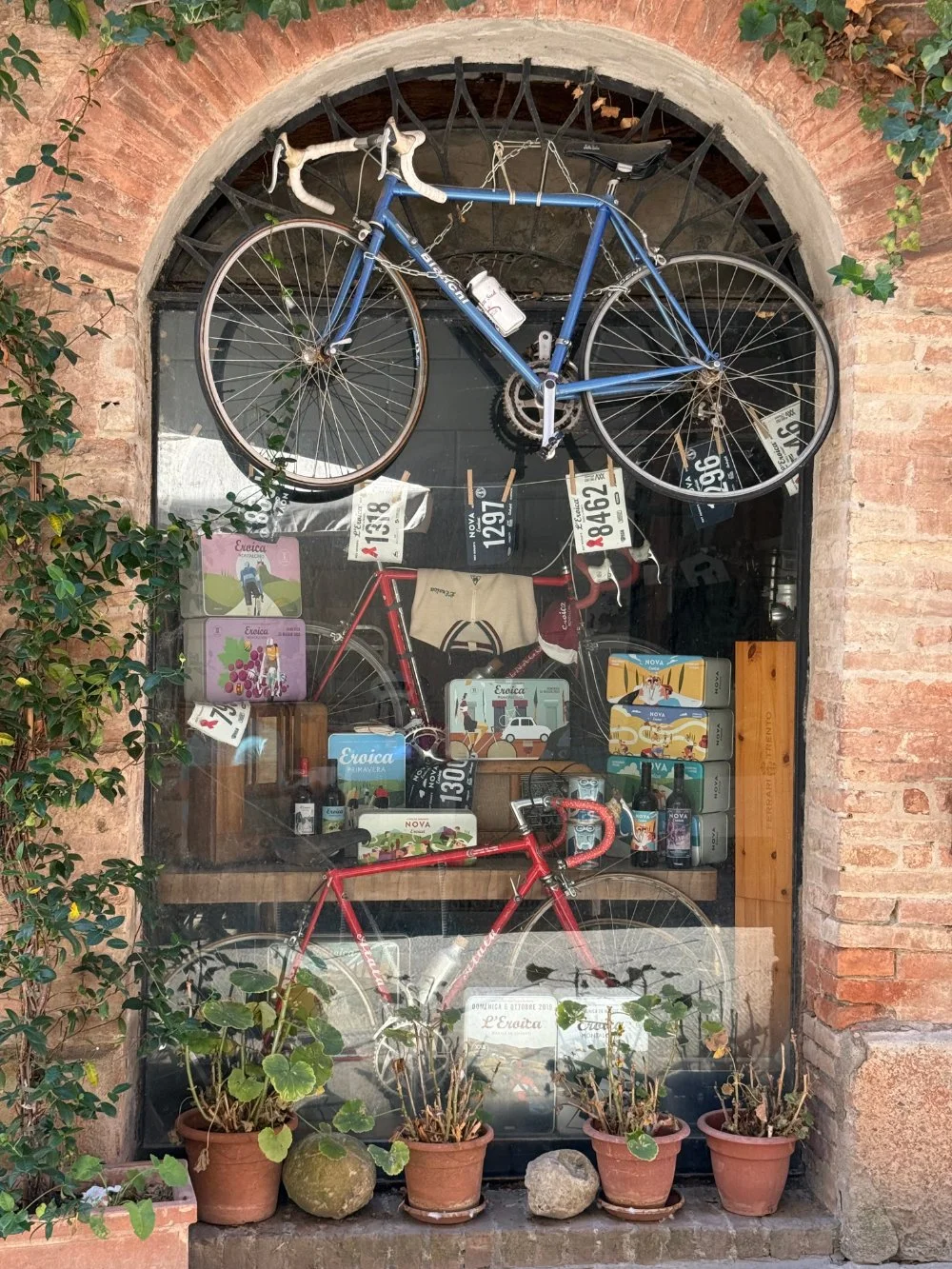
Buonconvento
Day 6: Bagno Vignoni to Saturnia
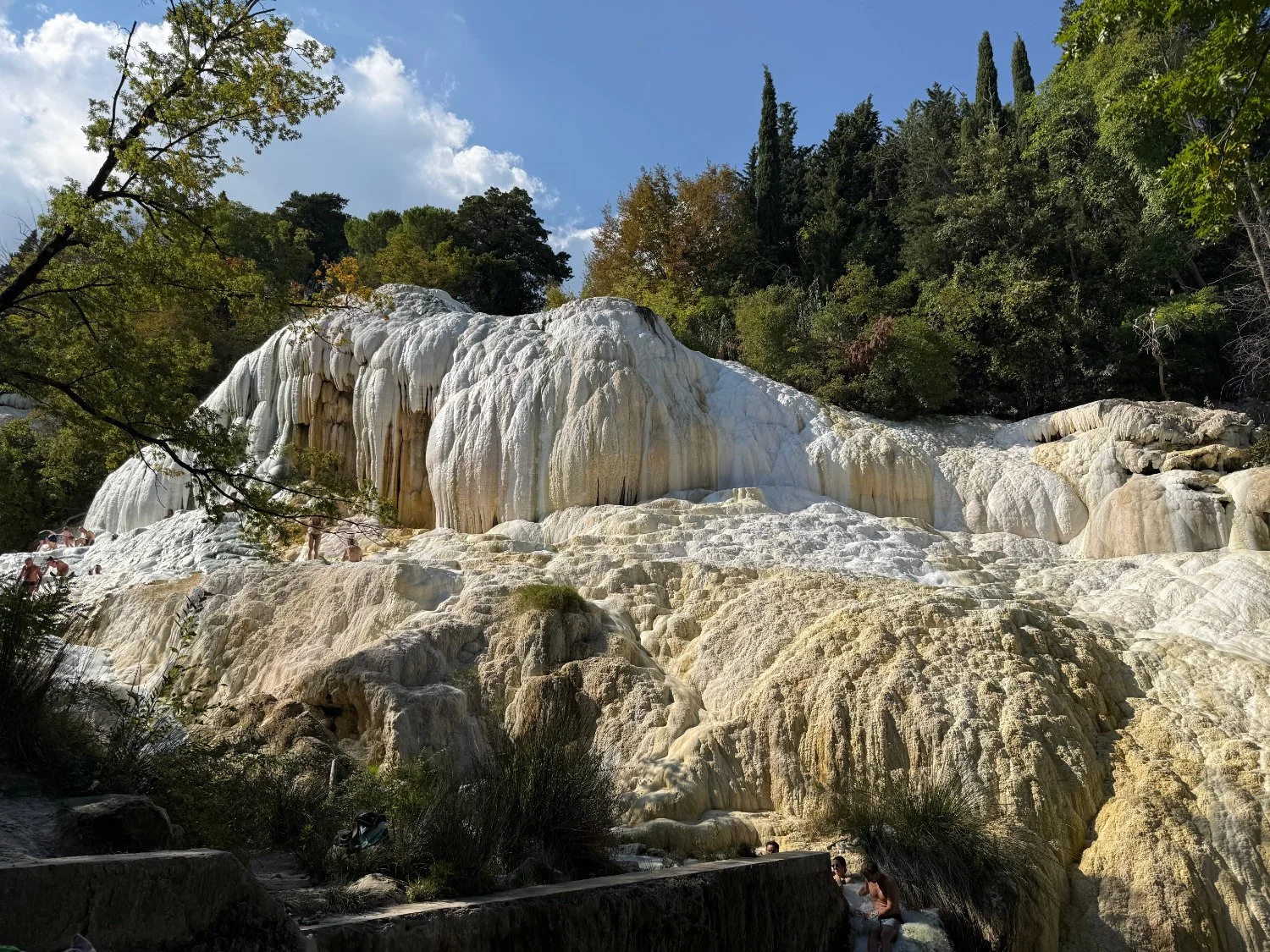
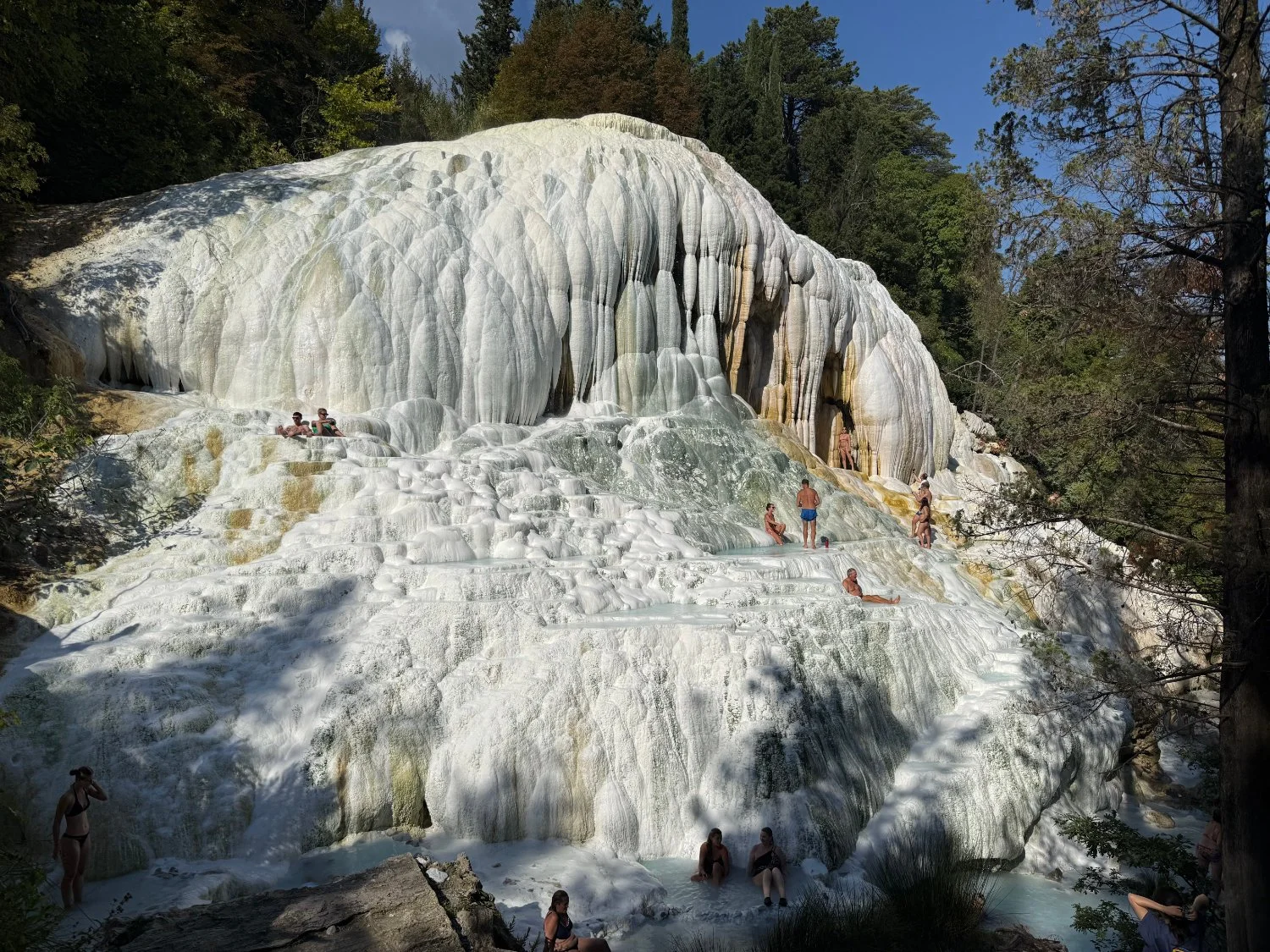
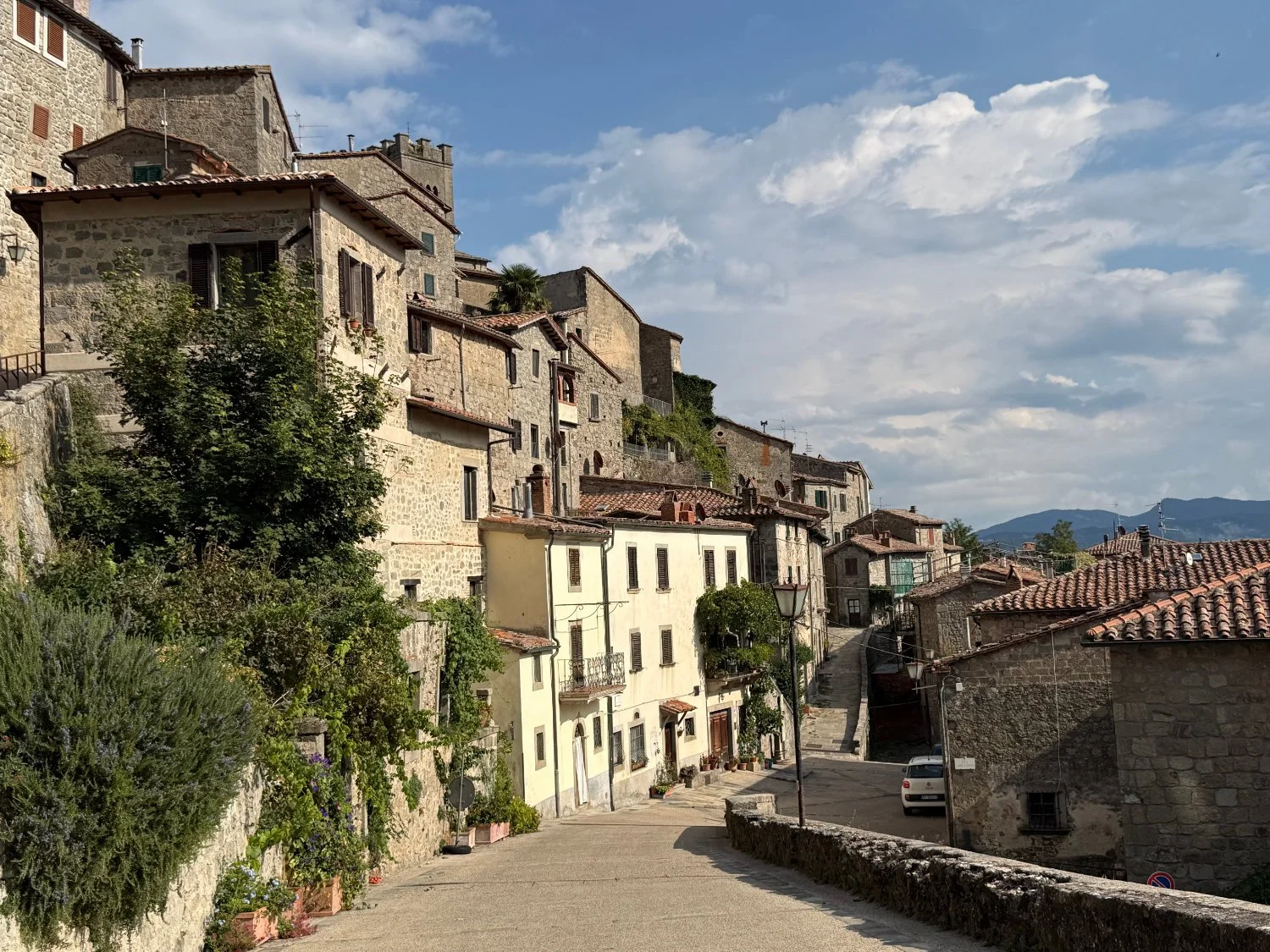
A long day. Begin on unavoidable busy roads, before heading up the mountain to the free pools at Bagni San Filippo. Warm water pools in which you can bathe, beneath the Balena Bianca: perfect for a soak before the climb. Abbadia San Salvatore is a mining town, not a beauty, but it’s the place for lunch. Contour around the mountain to Santa Fiora, another lovely stone hilltop town, made lovelier by the fact that you’ll likely be the only tourists. After the town, there’s another steep climb before a long, sweeping descent through the vines.
Saturnia
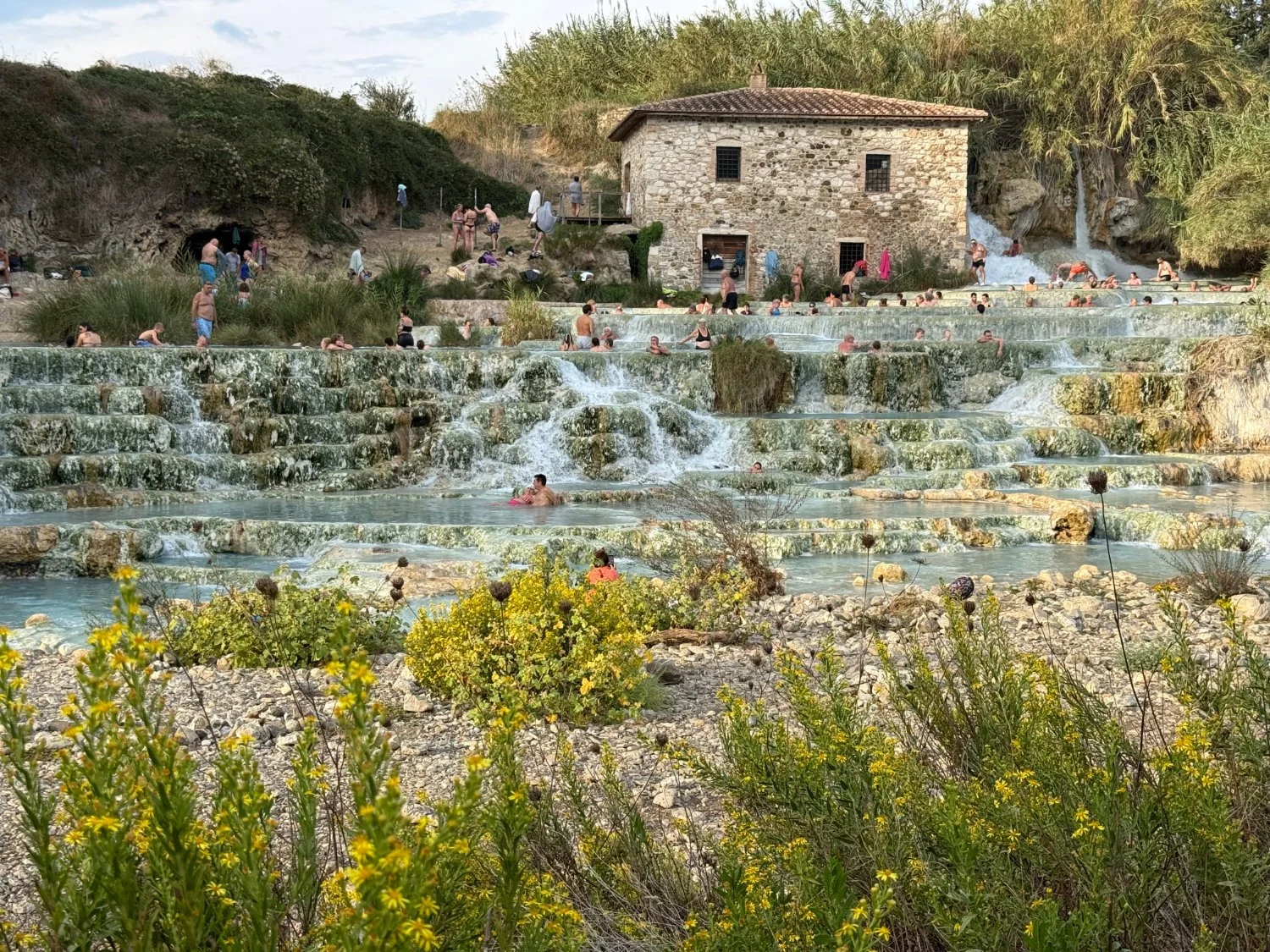
End the day at the Cascate del Mulino: warm, free and open at all hours.There’s a private footpath from the hotel to the pools which you are permitted to use. Dine at La Stellata· a wonderful, typically Tuscan restaurant.
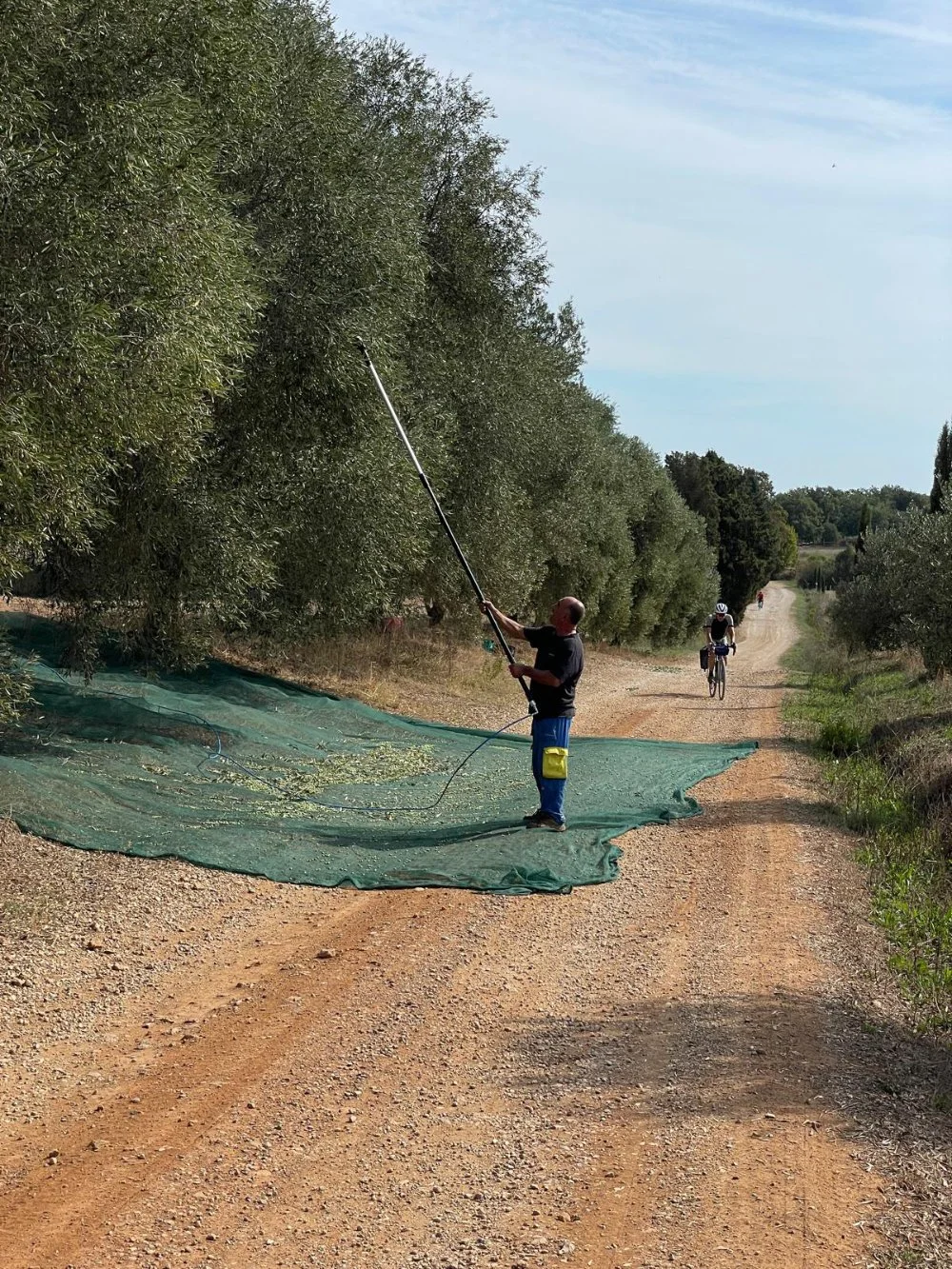
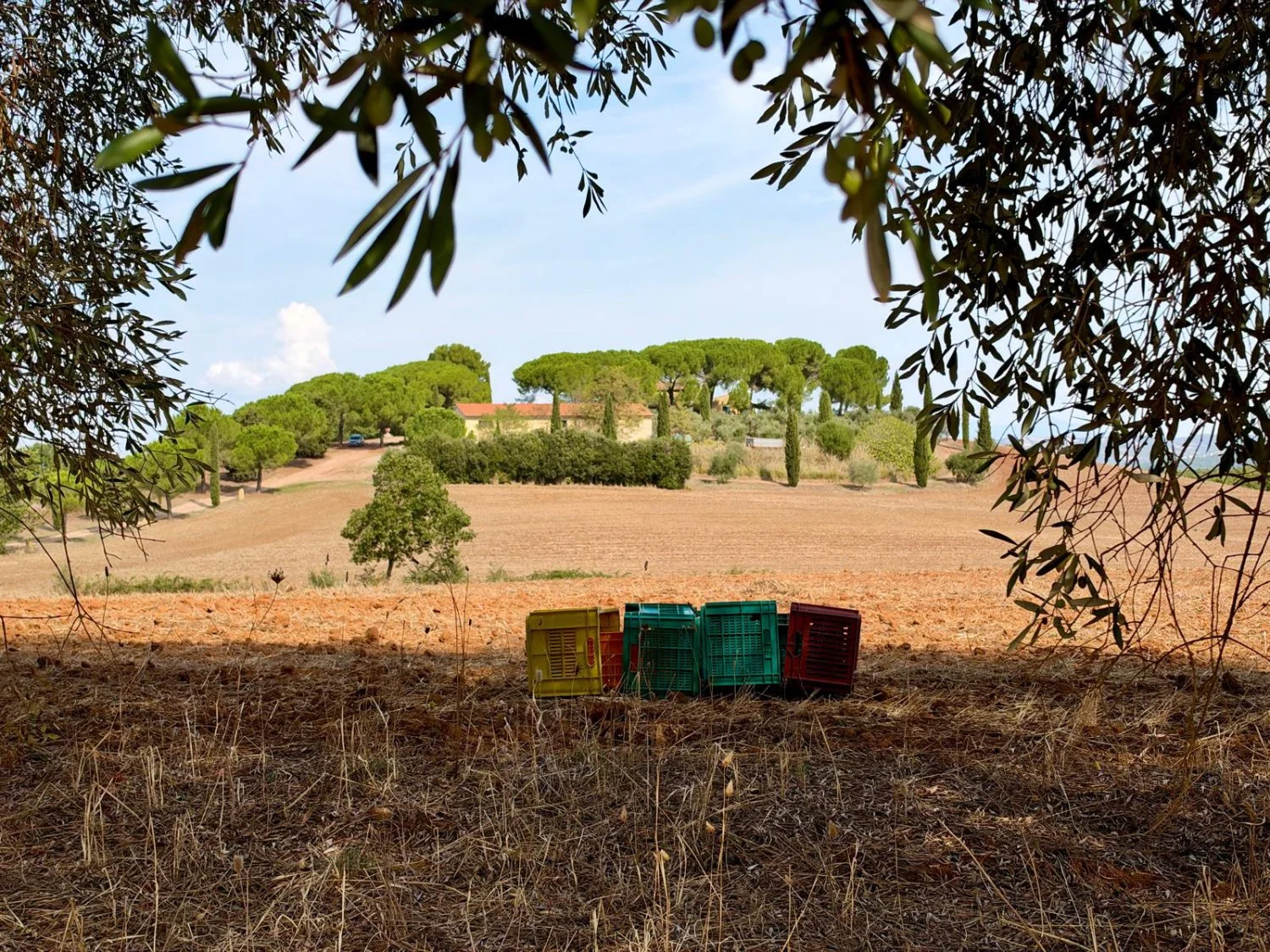
Olive harvesting, Maremma
Day 7: Saturnia to Porto Ercole
Today is a very different day from the others. you ride into an abandoned landscape with the roughest tracks of the trip, and the emptiest country: scrub, olives and ruined farmhouses. This was bandit country, home of Tiburzi, the King of the Scrub. Detour to Capalbio Scalo if you need the station and an early train back to Pisa. Food and supplies are very scarce until you get to Orbetello on the coast. Avoid the restaurant in Ansedonia. (See Journal)
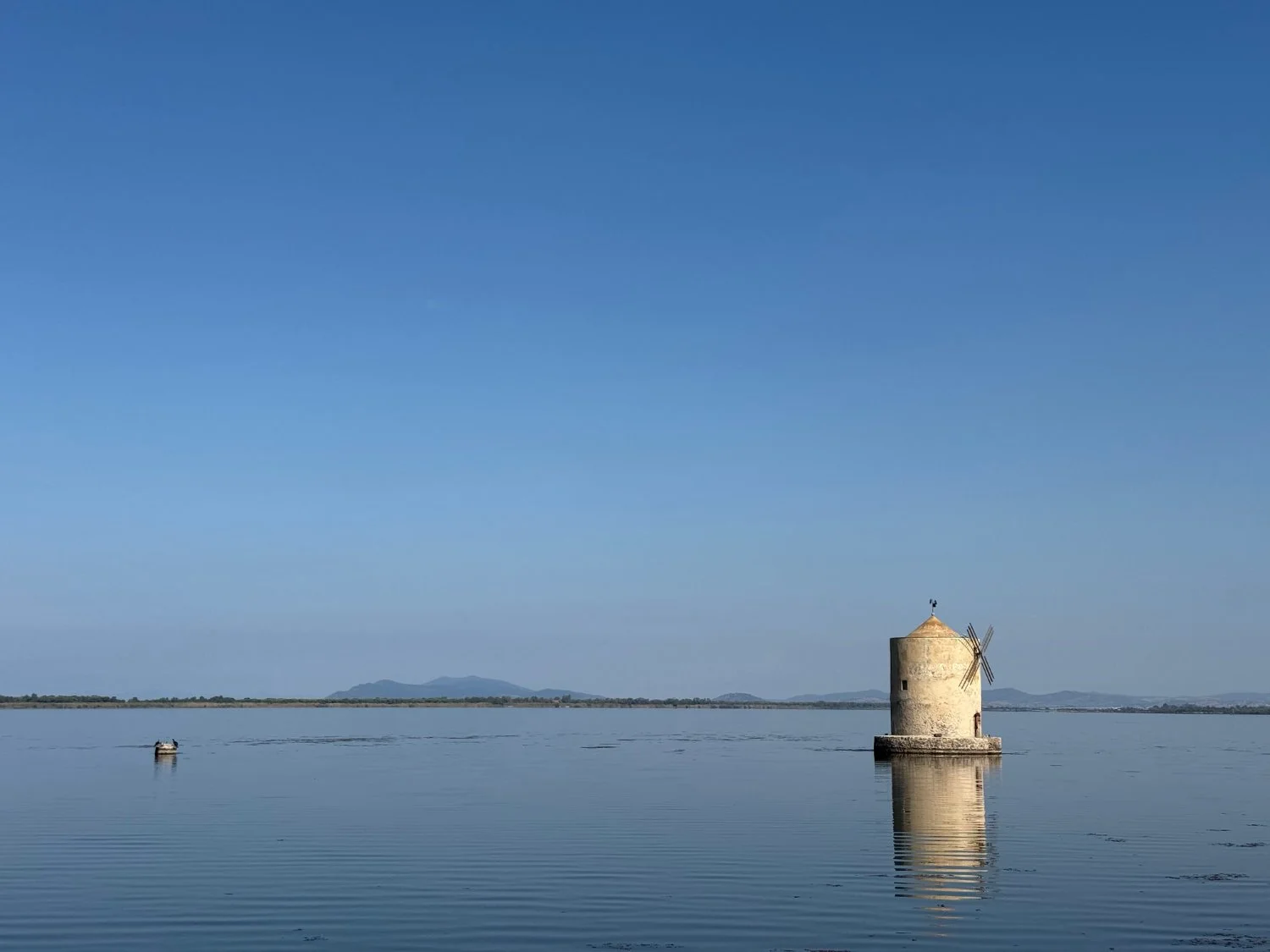
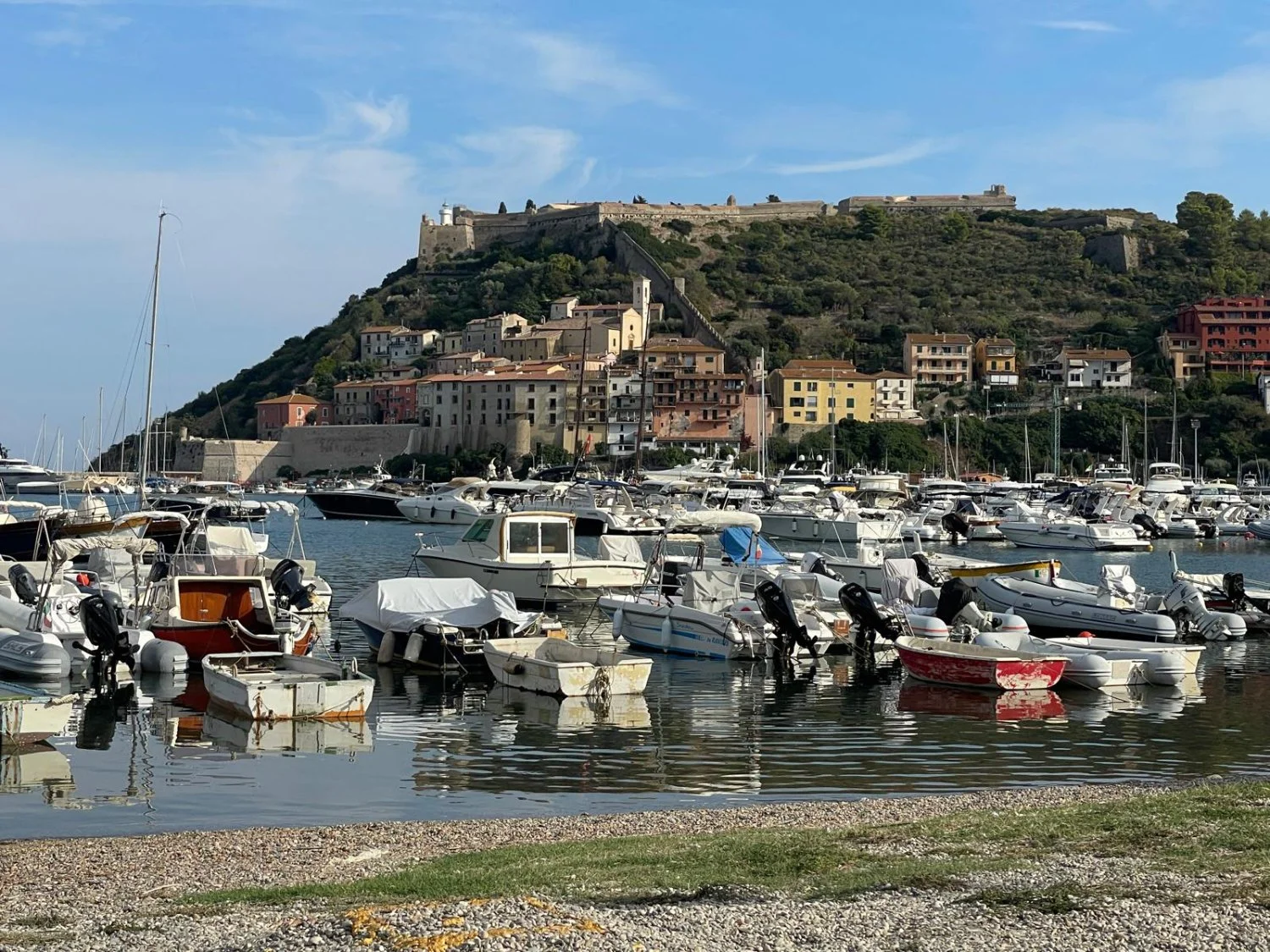
Orbetello and Porto Ercole
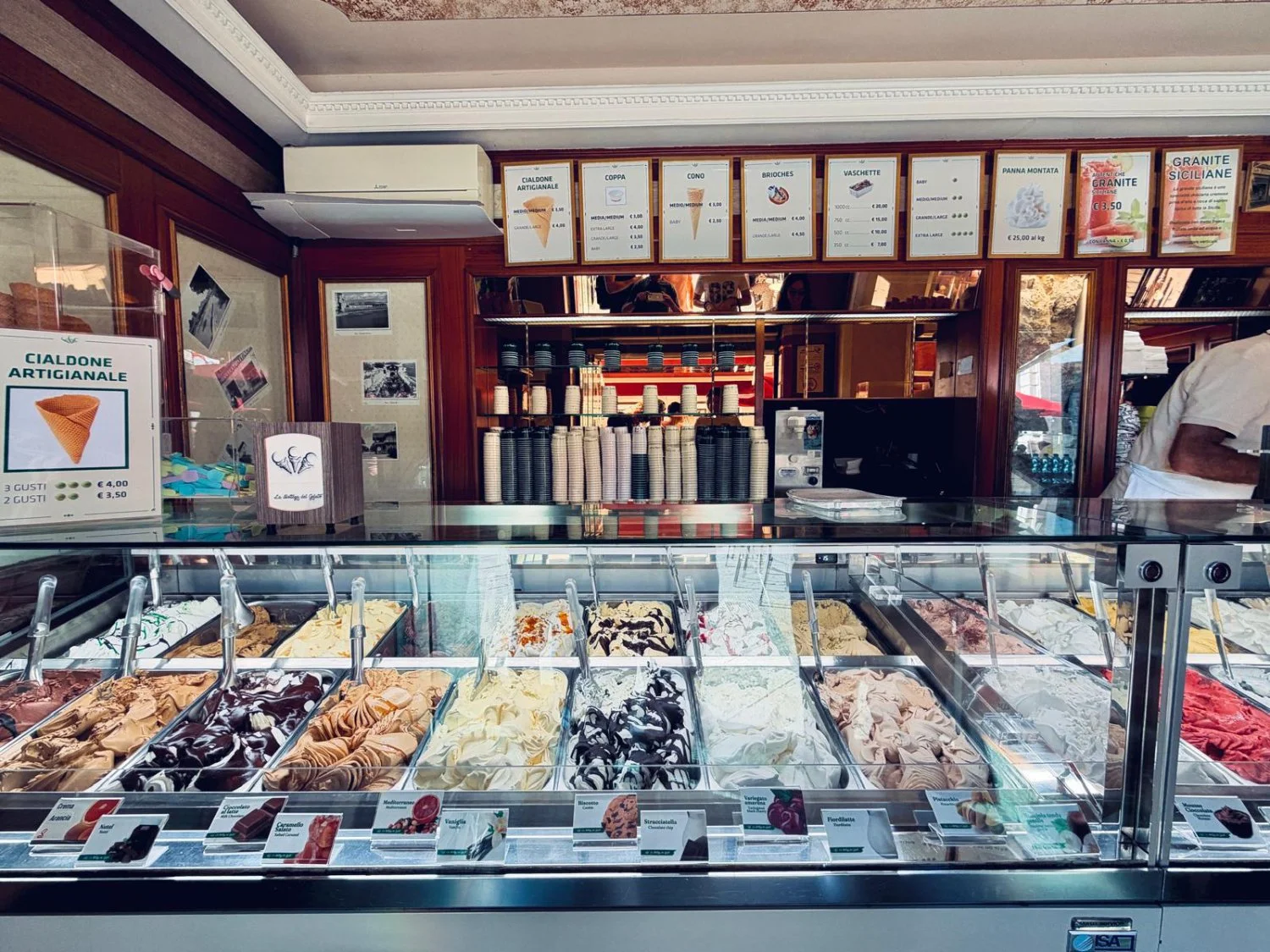
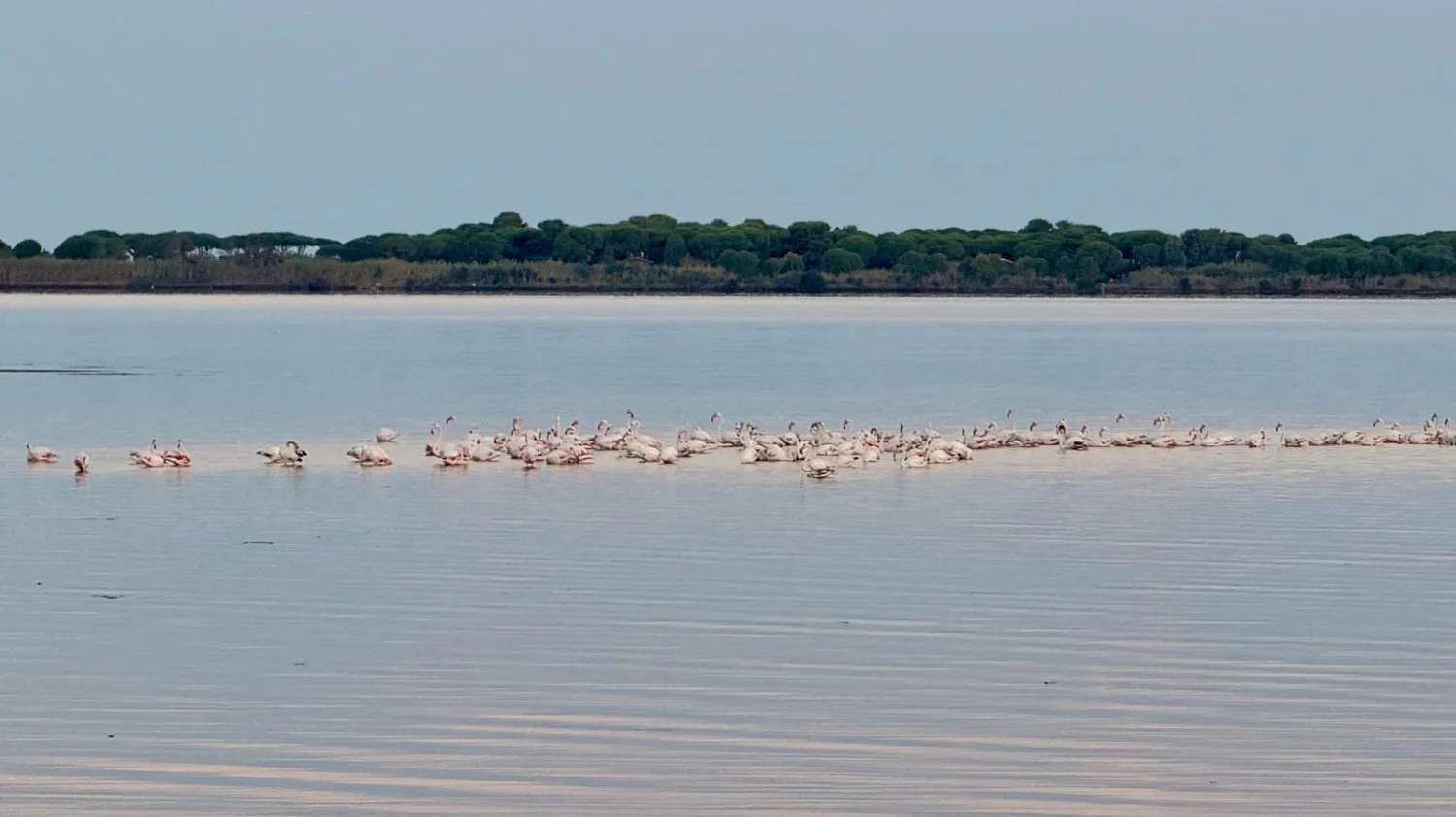
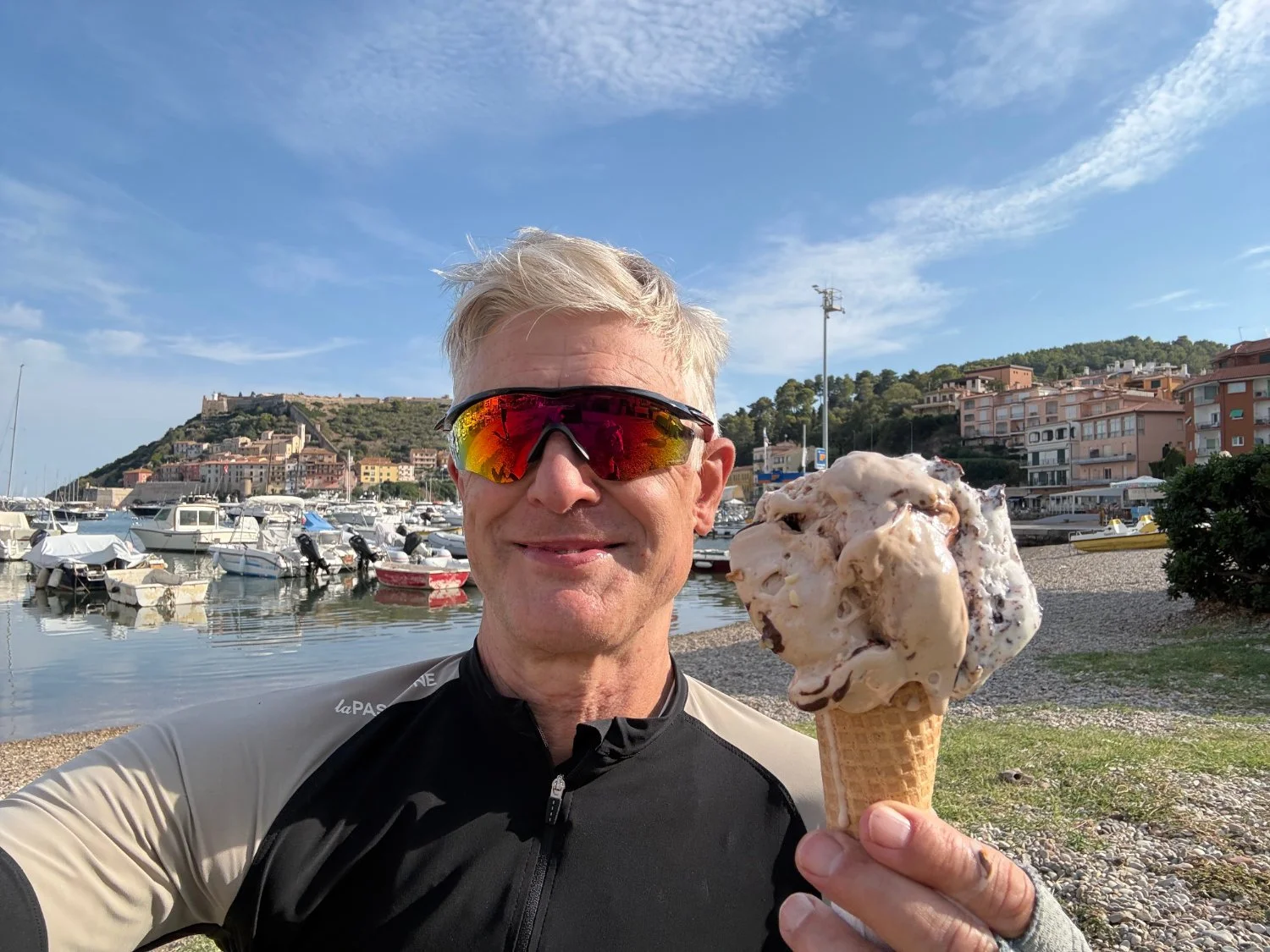
Cross the causeway over the lagoon and look out for the flamingos. Two short final climbs, then a swoop down to the harbour beneath the Spanish forts. Have a gelato, then dinner at the Gamberorosso by the water.
All the details given on this route are given in good faith. However, situations on the ground can change, so if you know of any access issues, closures, or have any thoughts and feedback on the route, please include them in the comments section below.
If you ride the route could you leave some feedback below. It is a great help to other riders.