63km The Industrial Thames

Overview
London Gravel riding at its wildest best.
“Estuaries of rivers appeal strongly to an adventurous imagination” (Joseph Conrad).
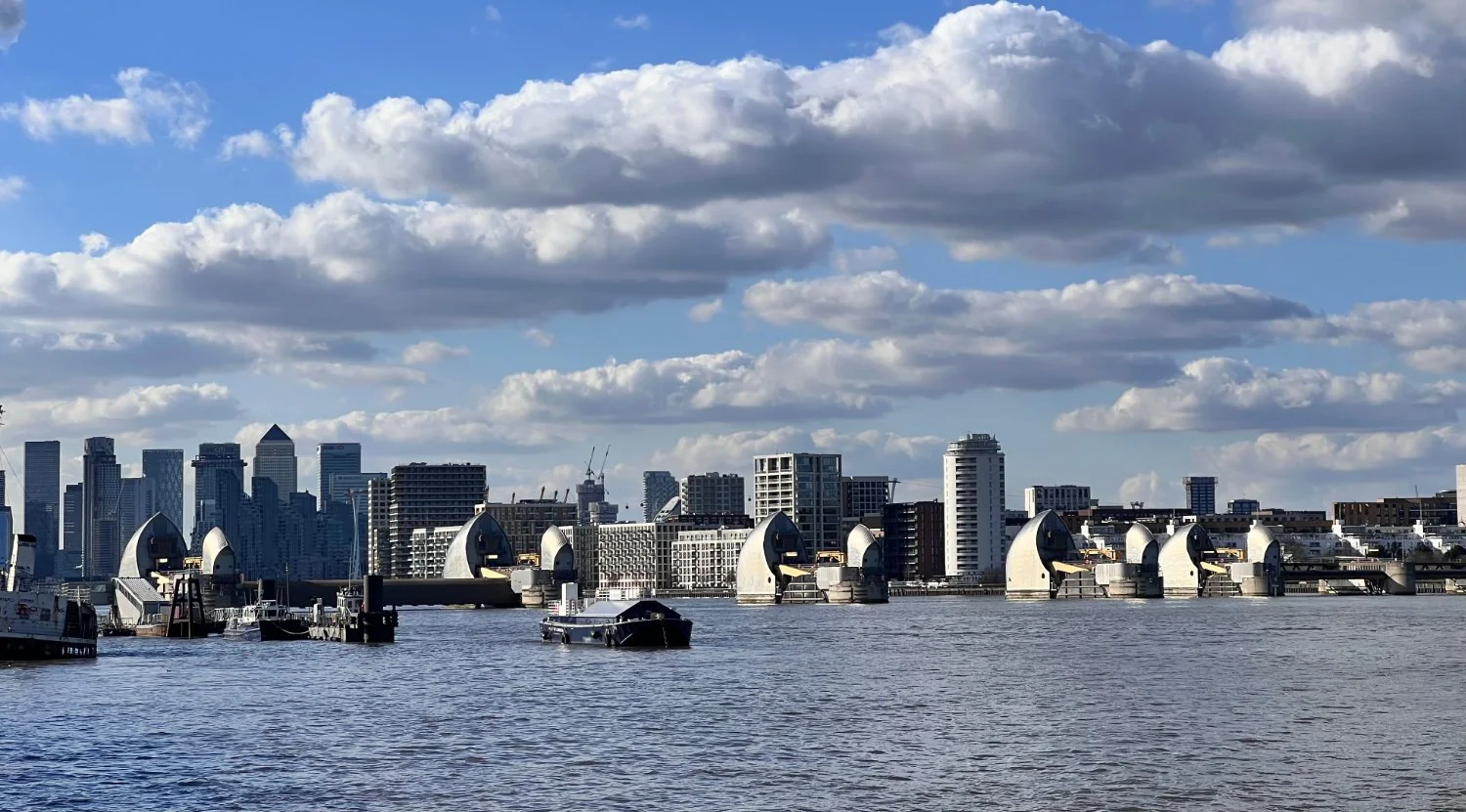
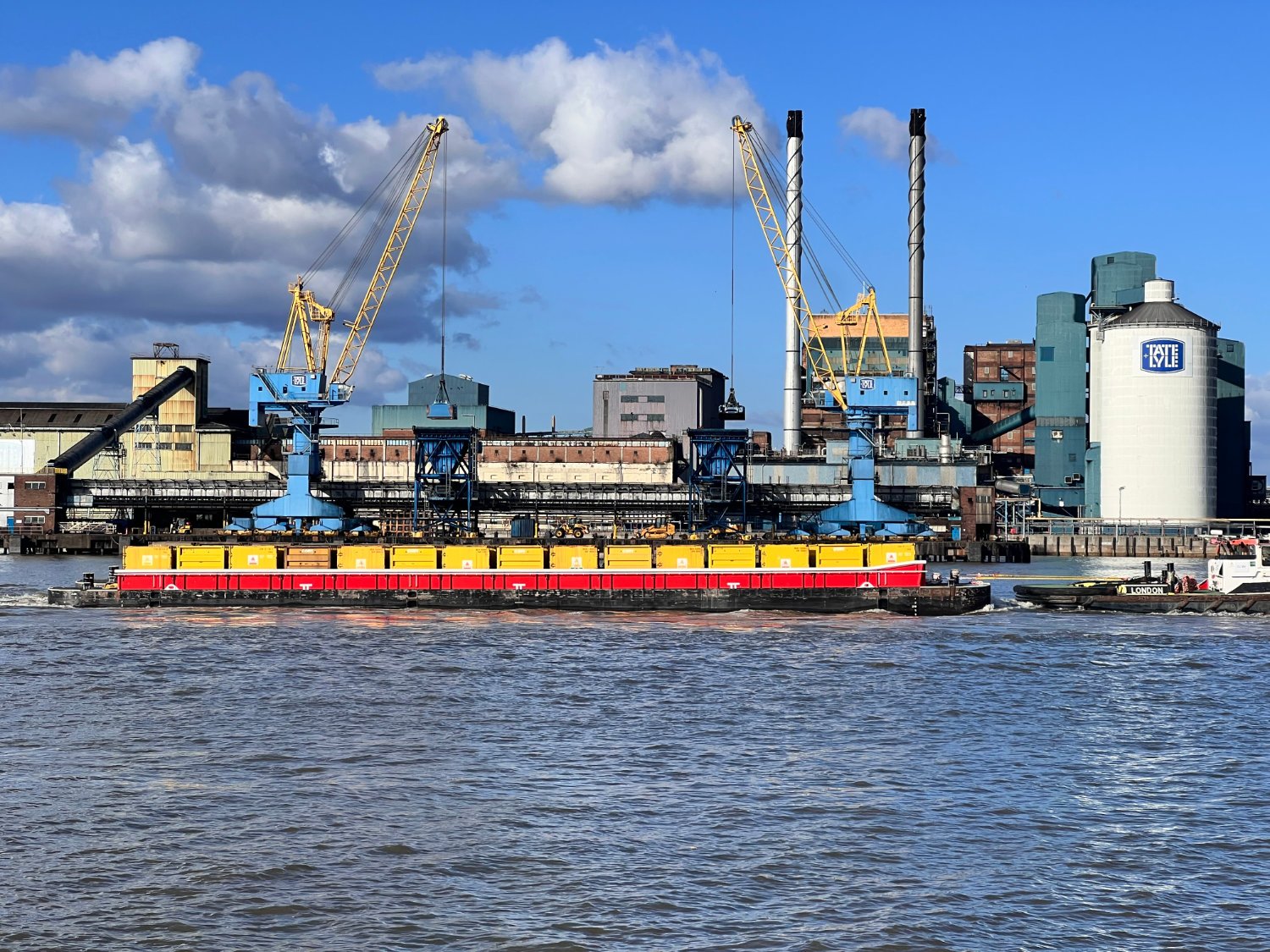
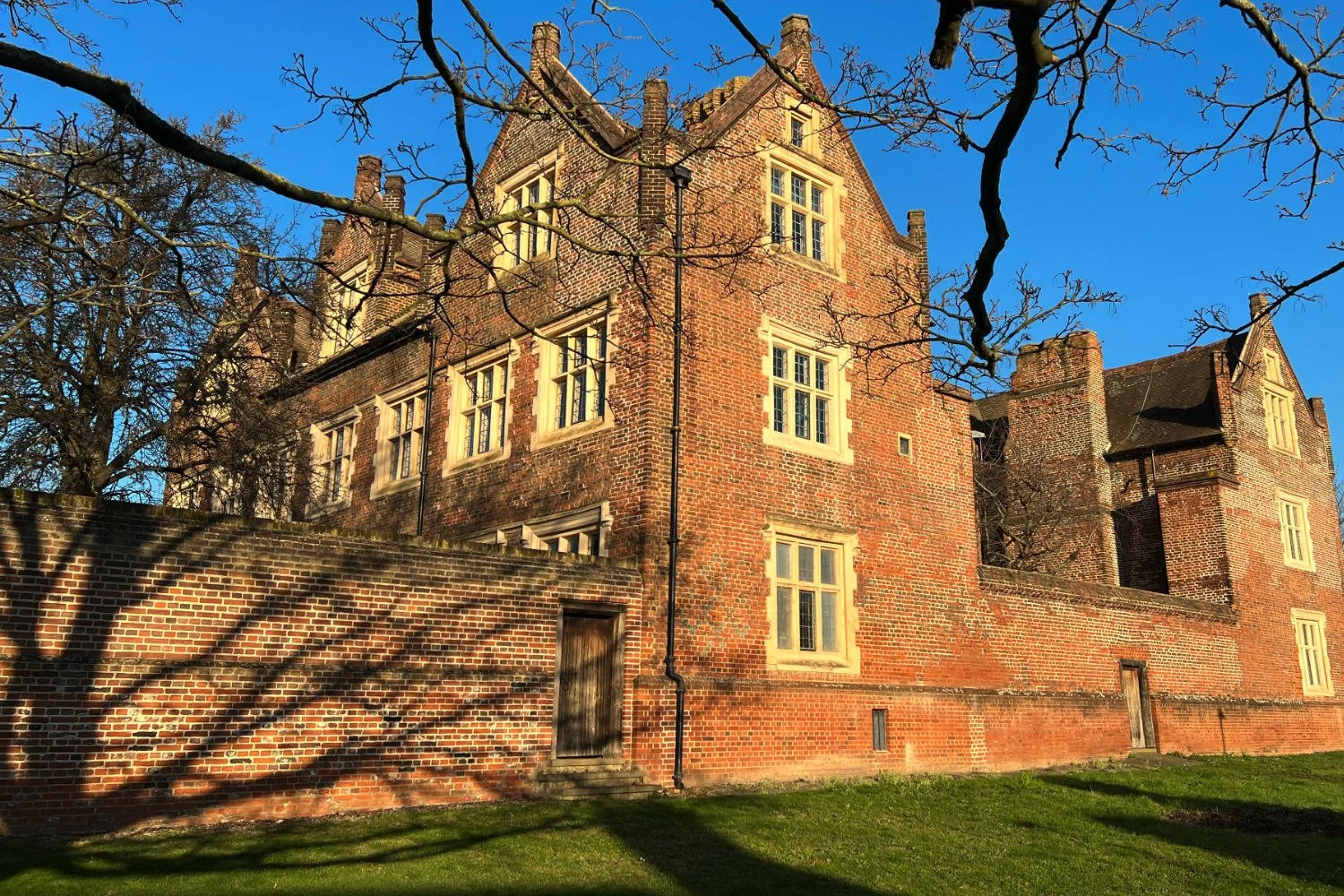
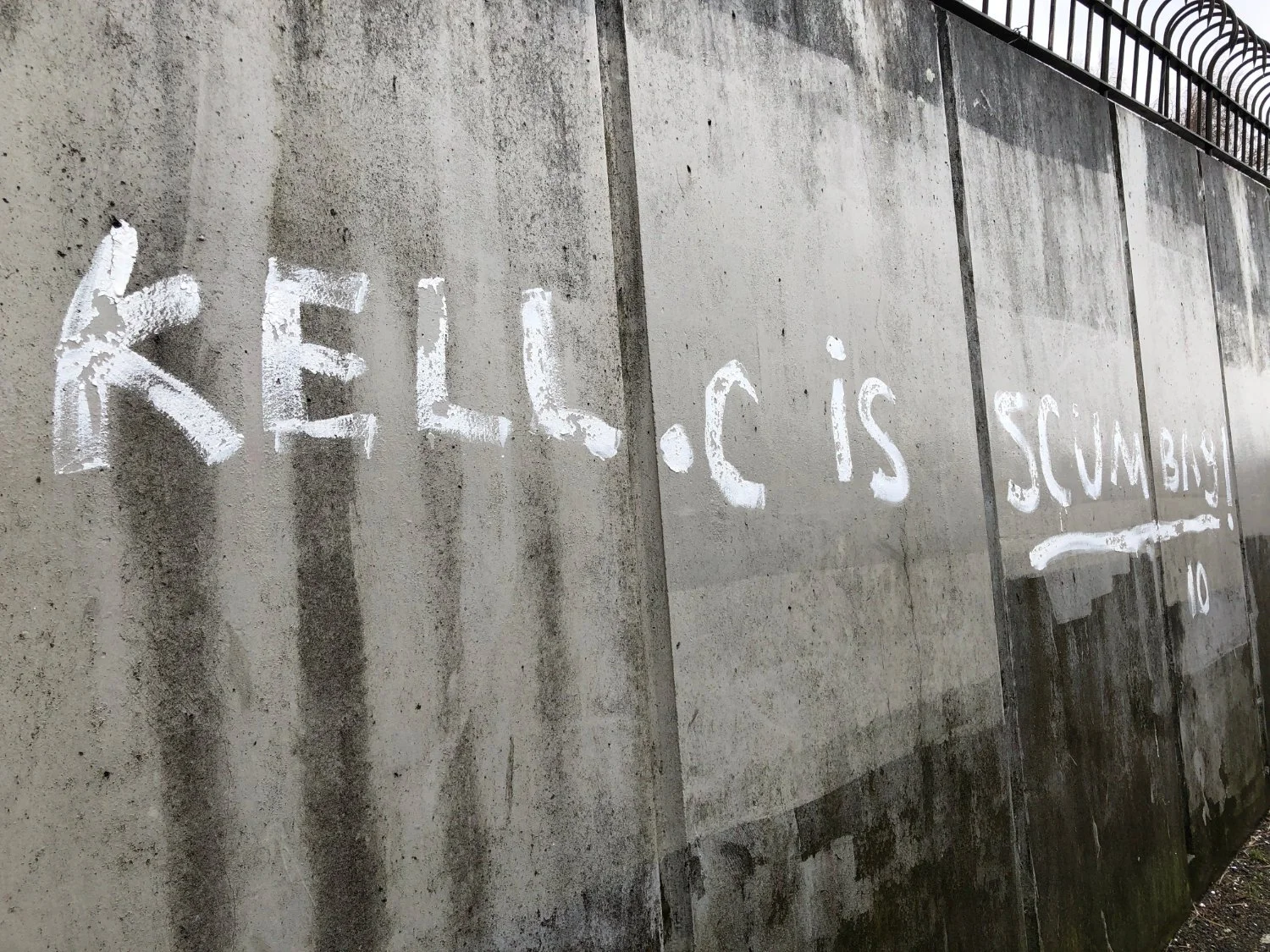
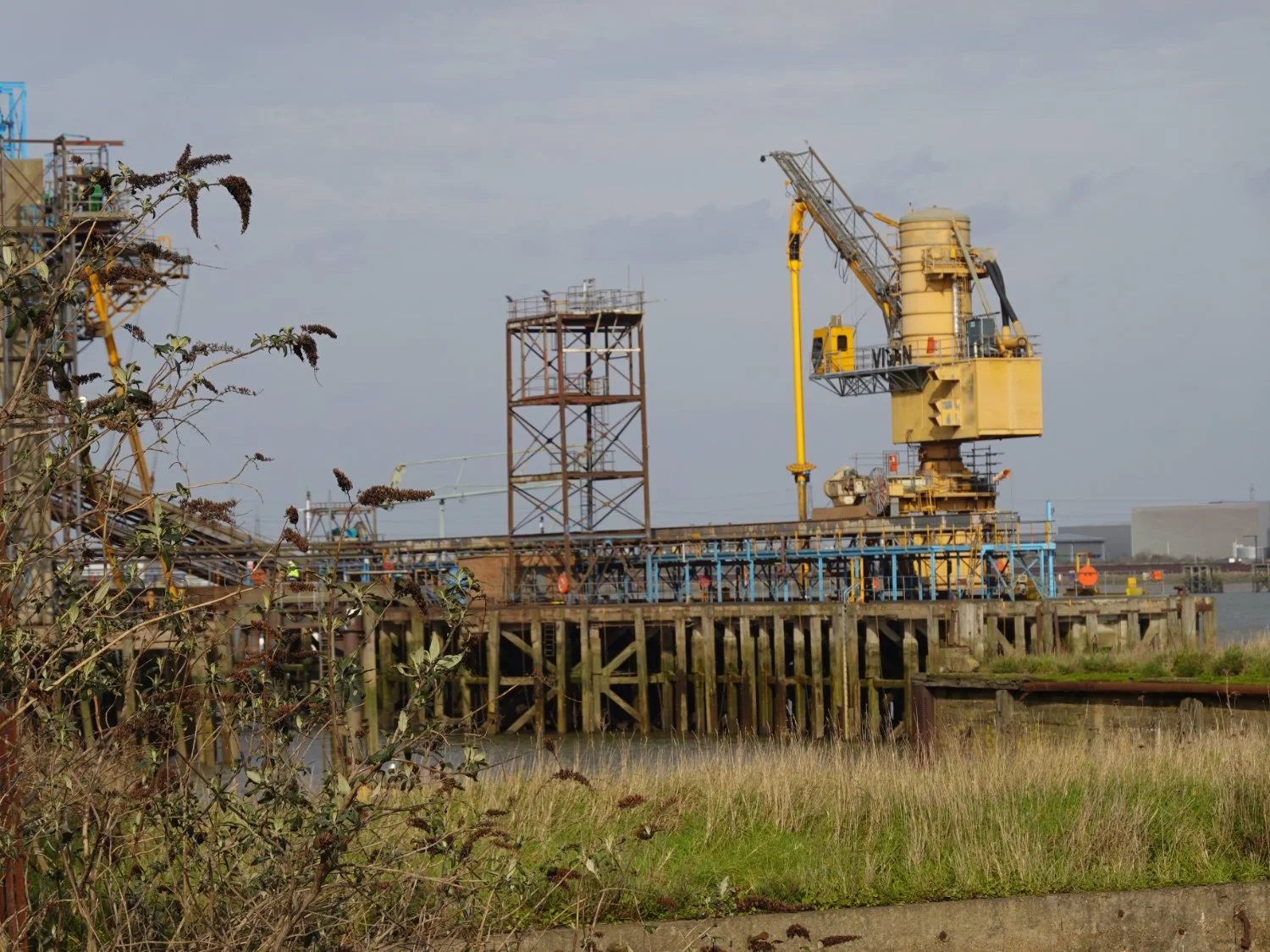
This sometimes rugged route, the third in the London Thames Cycleway series, is a London ride like no other. Despite Joseph Conrad’s assertion, that an estuary has ‘no noble features no smiling geniality’, there are two stately homes on the ride, a light which is magical, picturesque decay and dirty industry. Graffiti, rogue plants, stunning modern architecture, sea walls and ships. And always the river, the glorious Thames. There is of course plenty of industry, some of it beautiful, some in decay. And then there are the salt marshes, home to thousands of over-wintering birds and semi-wild horses.
The ride mixes poignancy with poetry, peace with cacophony, tragedy with joy. It’s a ride that frees you from the cares of the city, and seems to settle under your skin, bringing you back time after time after time. Surfaces vary between the true gravel and paved cycleways.


Ride practicalities
START/FINISH: Woolwich Ferry Pier DISTANCE: 63km. TOTAL ASCENT: 292m TERRAIN AND SURFACES: A mix of segregated cycleways and rough tracks around the Dartford Marshes, which can be muddy after heavy rain As with all rides on the website, the route is not suitable for bikes with skinny, slick road tyres. FOOD: Woolwich; The Gunnery Works, Woolwich Works, Rainham; Rainham Hall (NT) The Stableyard cafe, PUBLIC TRANSPORT: UBER Thames Clipper Ferries, Barking Riverside, Woolwich MAINLINE TRAIN SERVICES: Rainham and Purfleet: are on the C2C Fenchurch Street Line, Woolwich: DLR and Elizabeth Line Links to other rides: NCN 13, Brentwood to Rainham, London to Rochester, Far Eastern Gems, Purfleet to Paddington, NCN1 Dover to London
N.B. This route requires crossing the river on the QEII bridge in a FREE minibus service. As you approach the bridge, there is good signage taking you to the minibus collection point. You may have to summon the bus using the free telephone provided. It’s usually about a 15 minute wait. The bikes are attached to the back of the bus.
Ride Notes
The Woolwich ferry which is free for passengers and their bikes, has been a constant since at least the fourteenth century. Once in North Woolwich, continue on the C3 cycle path to Barking.
In its time, this eastern outpost of Greater London has been home to one of the most powerful abbeys in the land (you ride past its ruins and still-standing gateway), its port was the centre of Europe’s largest fishing fleet, the surrounding flat marshlands were the site of Britain’s first airfield, and in the twentieth century, Britain’s largest coal power station was sited here. Today, new chapters are being written; the first direct goods train arrived from China in 2021 and the Barking Riverside regeneration project is set to become London’s largest new town.
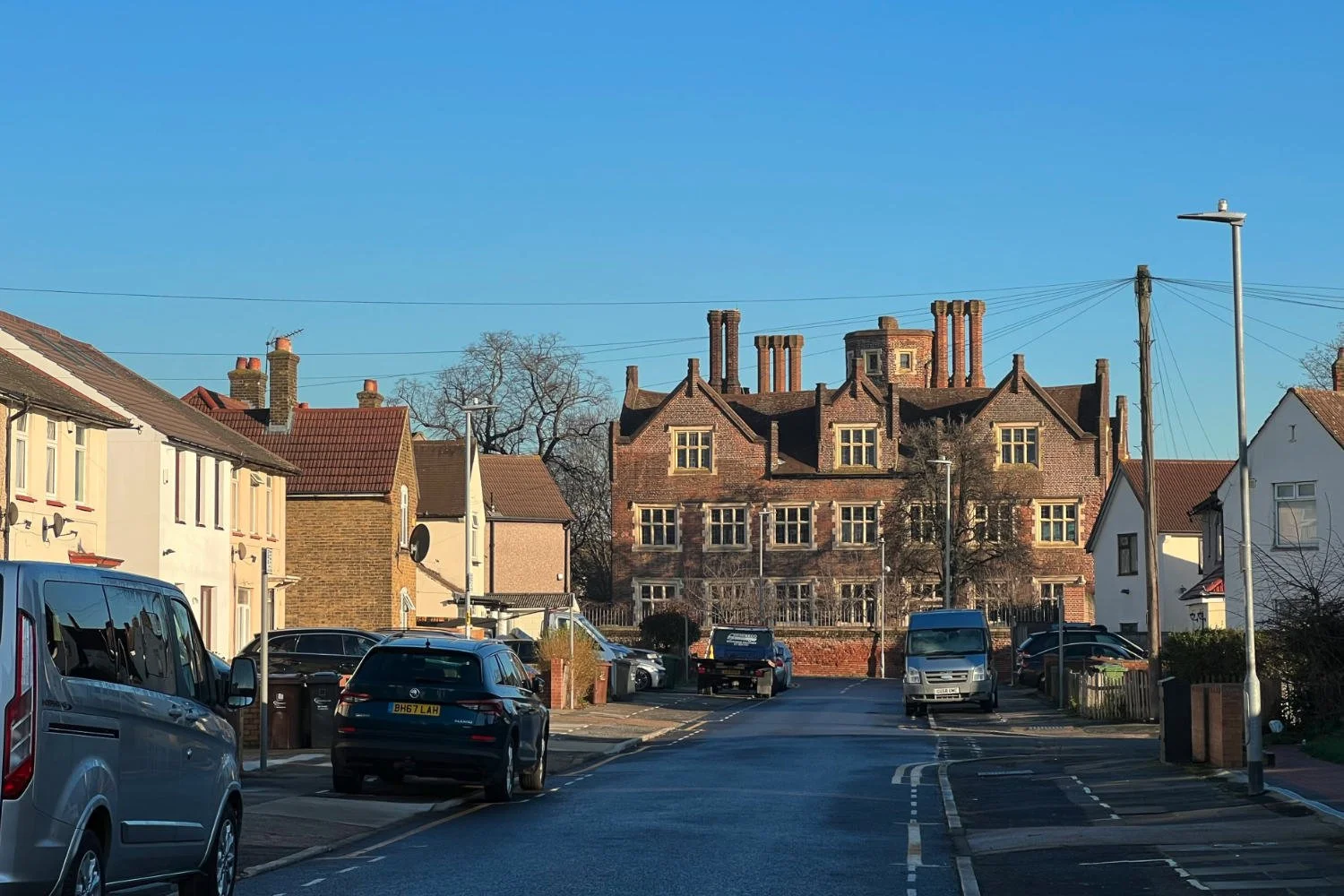
For those who like their stately homes, a worthwhile diversion is to leave your bike (locked at the foot of the railway bridge, or carry it up the stairs) and continue for 200m to Eastbury Manor (NT), one of the grandest of all London’s historic homes. Its setting in the centre of a post war housing estate is most incongruous. It was here that the 1605 Gunpowder Plot was hatched.
Bank of violets, Thurrock
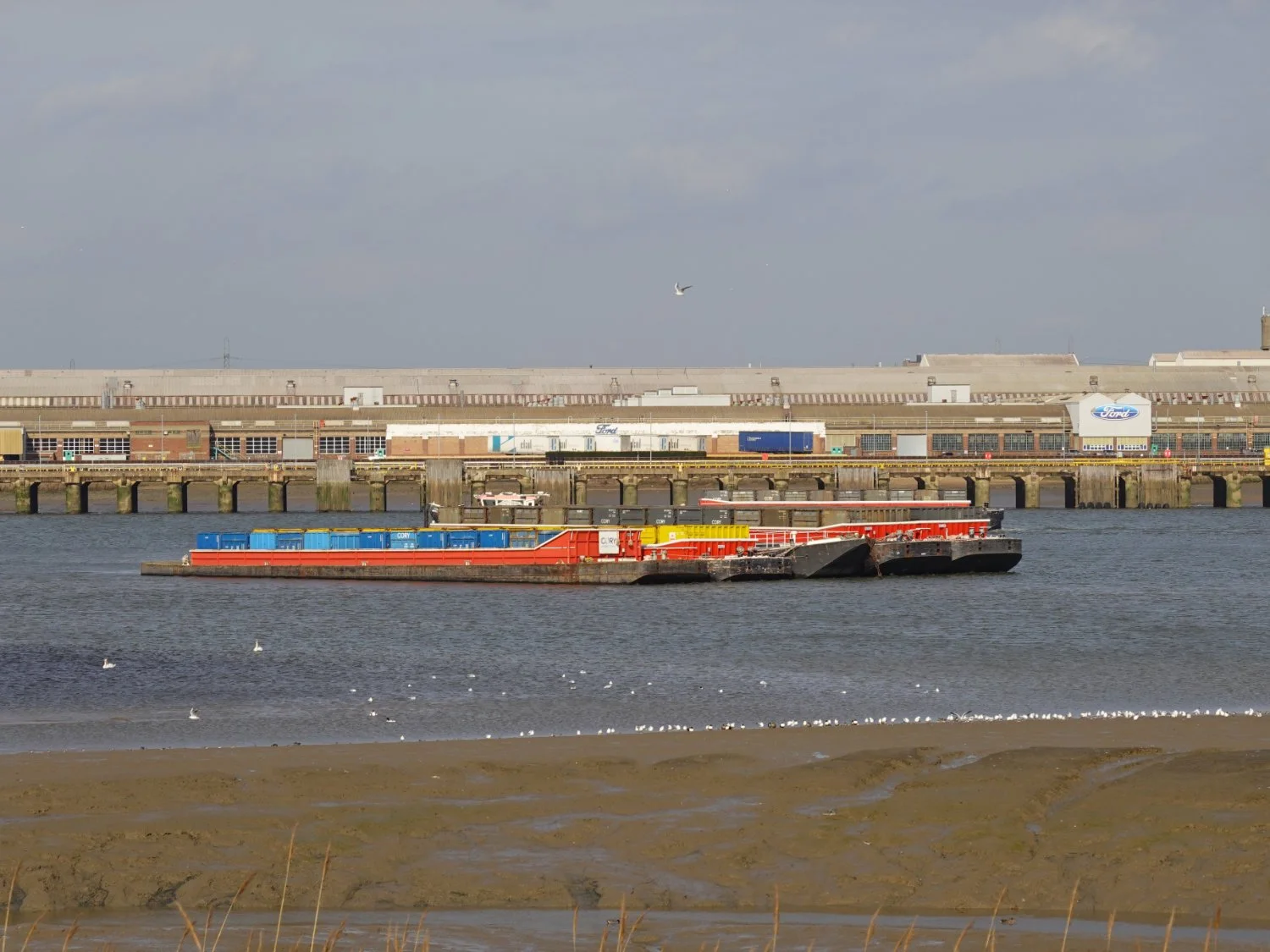
Dagenham is still very much an industrial area. The 8km ride on a segregated path, past re-cyling centres, tyre shops, aggregate industries, cement factories, even industrial bakeries, is noisy and grubby. More Sex Pistols than Cliff Richard. That said, it is in its way, thrilling riding and a nice change from the sometimes overbearing harmonies of central London.
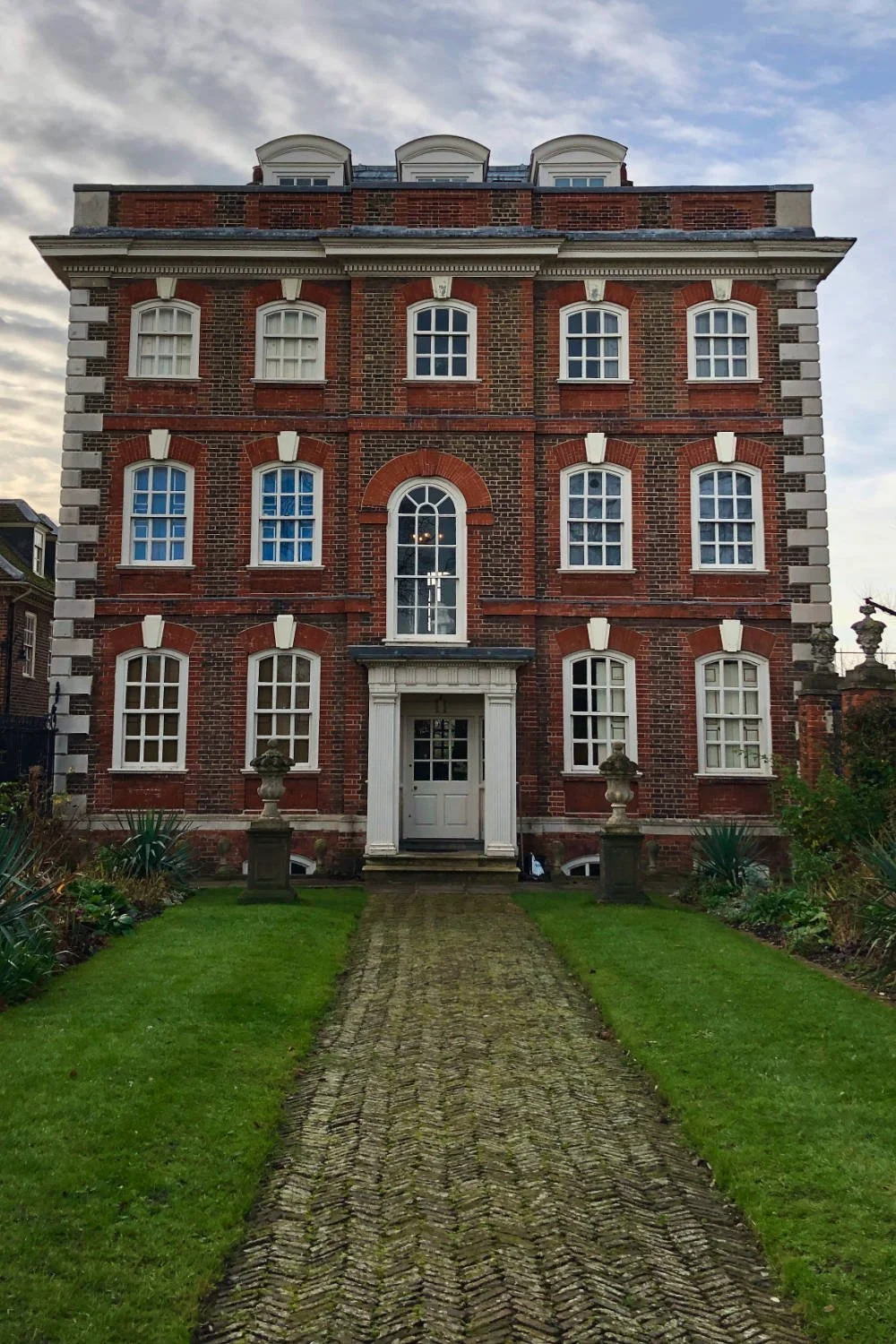
Peace is restored in Rainham, where you pass a Norman Church and another of London’s historic homes, Rainham Hall (where there’s also an excellent café).
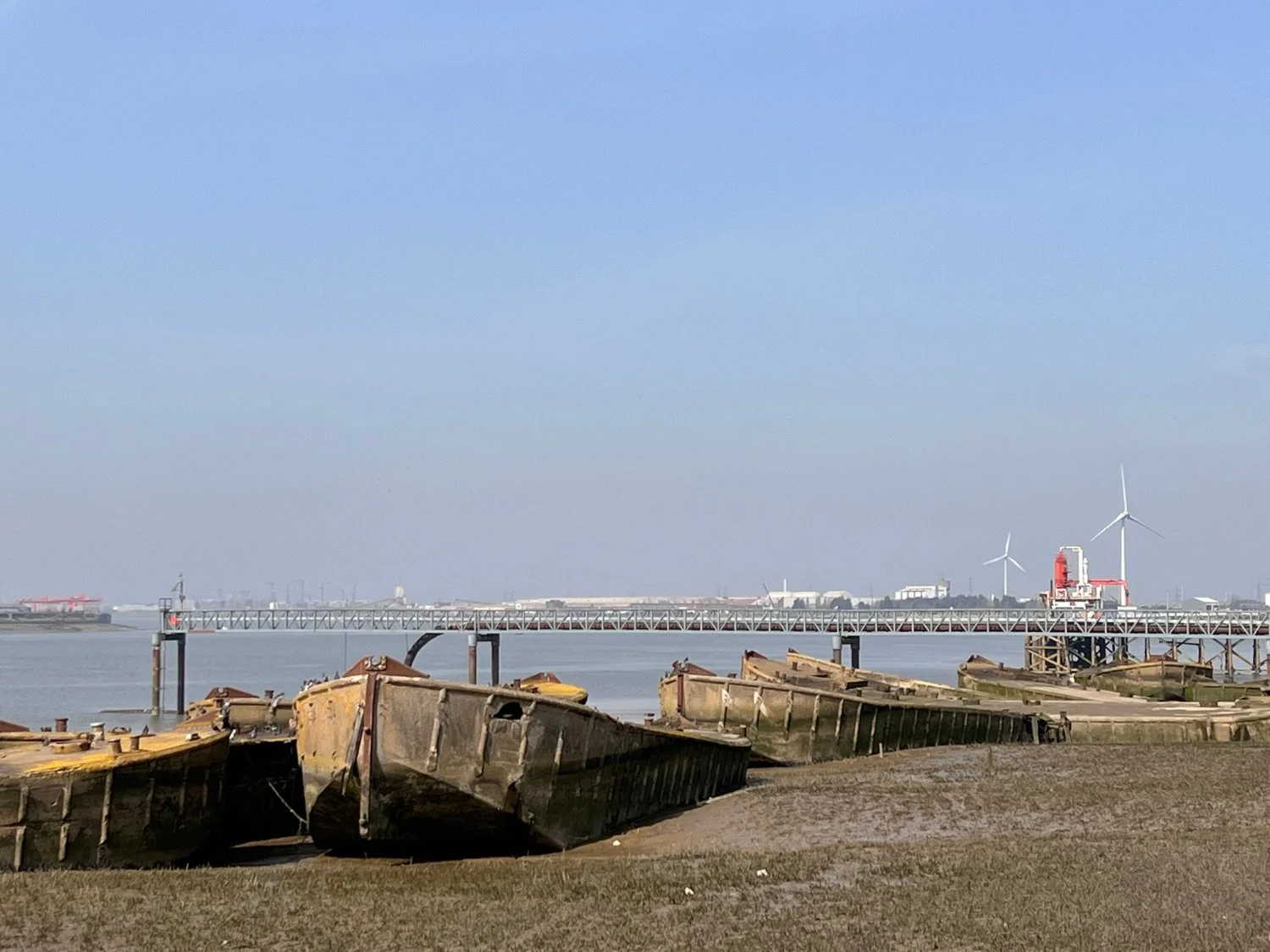
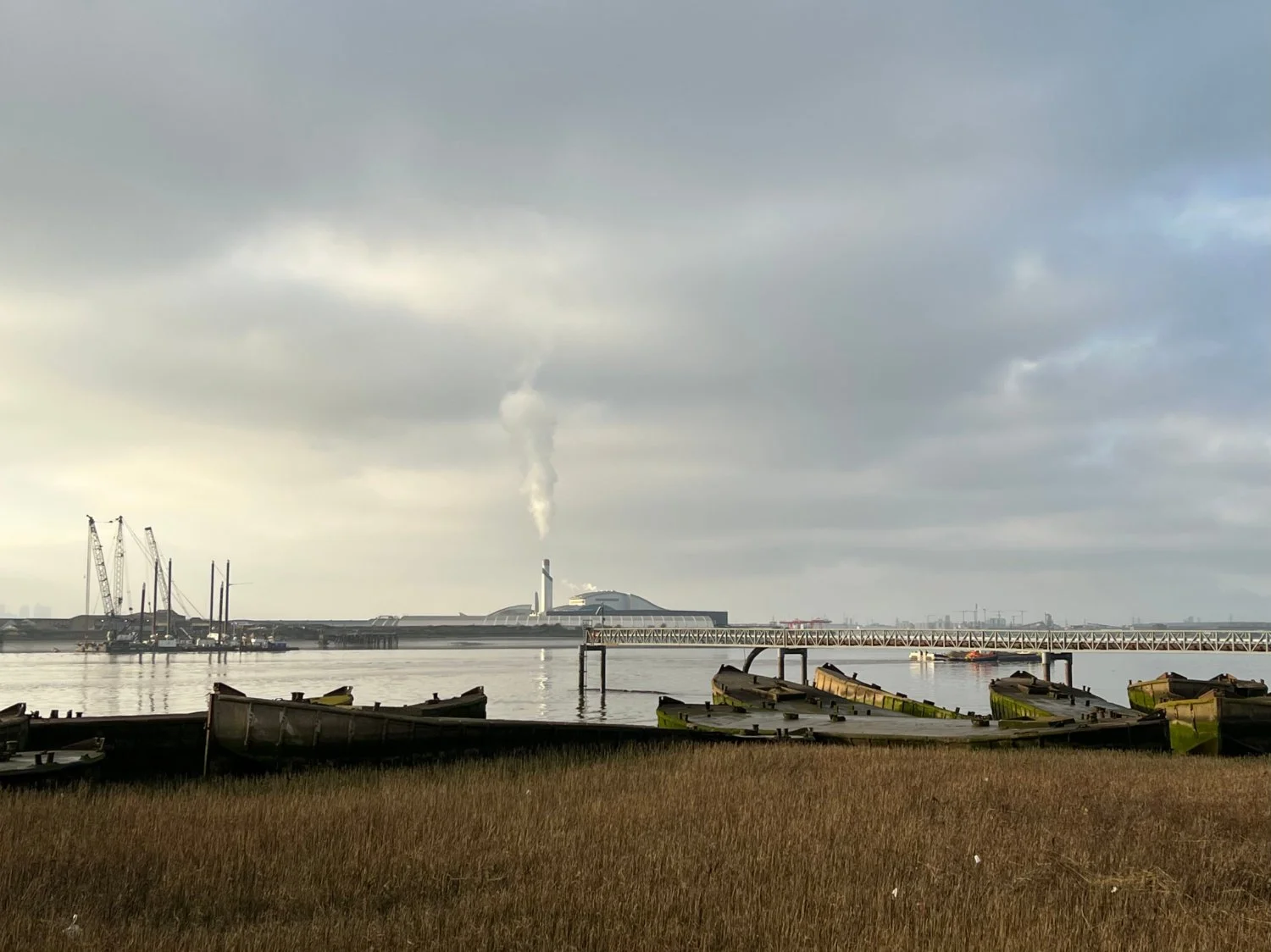
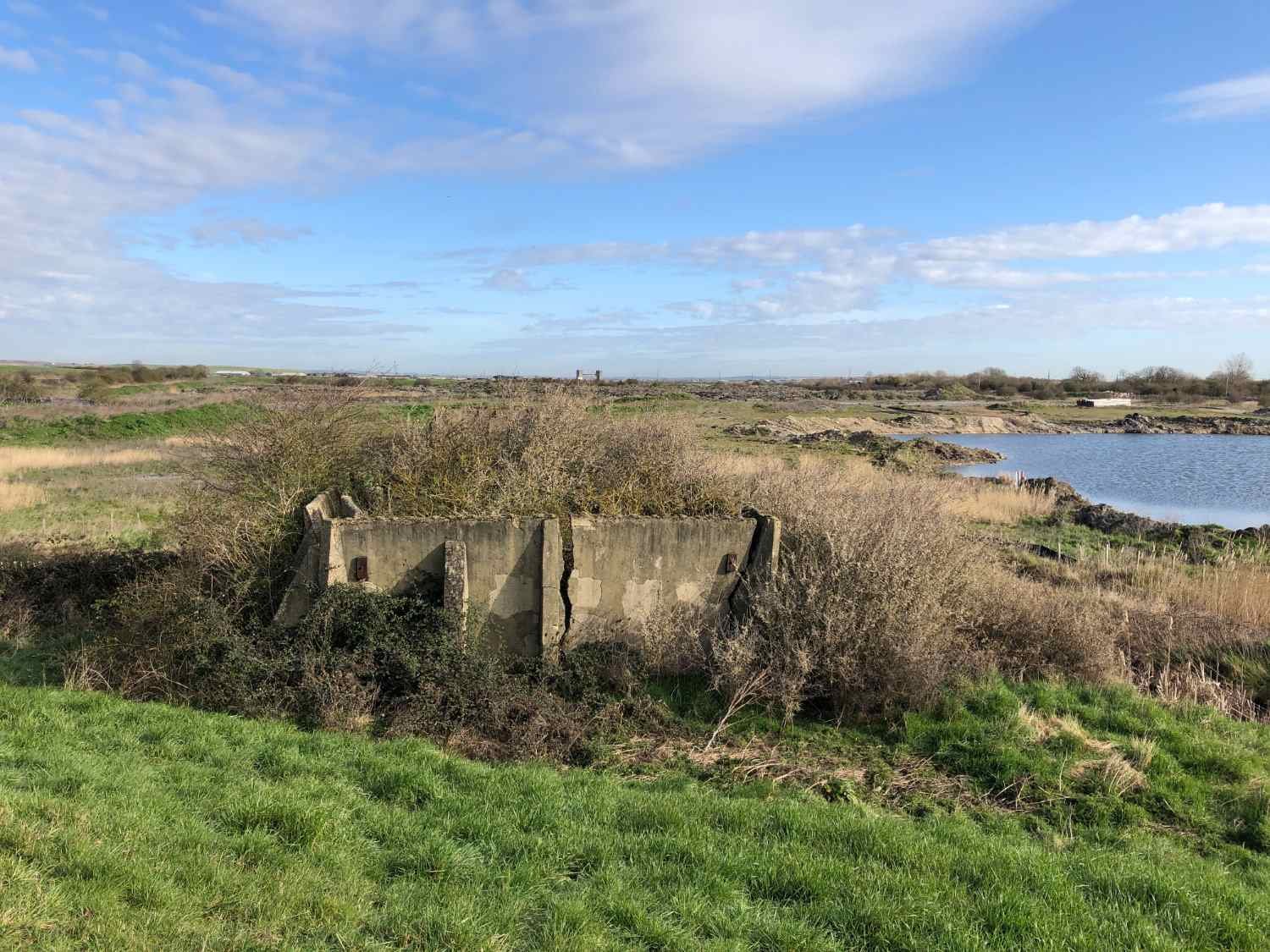
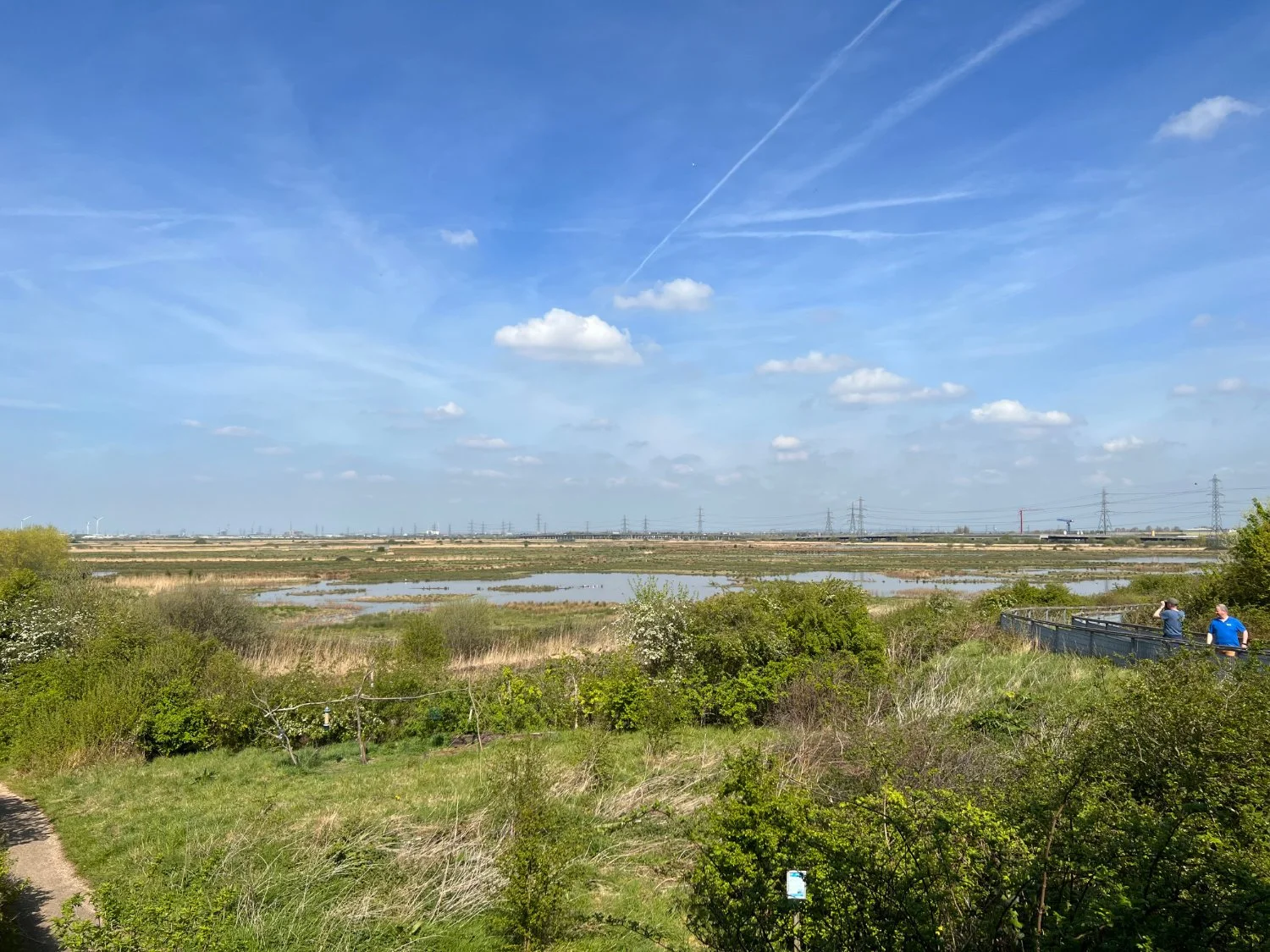
Out on the marshes, traffic becomes a distant hum, the reeds rustle in the wind, stonechats and willow warblers twitter away. The cycle path follows the river, passing the concrete hulks of the WWII barges which formed part of the D-Day assault. Depending upon the tide, you may or may not see the John Kaufman’s ‘The Diver’, a steel sculpture created to honour the divers of the Thames. Despite being 4.6m tall, it is almost entirely covered at high tide.
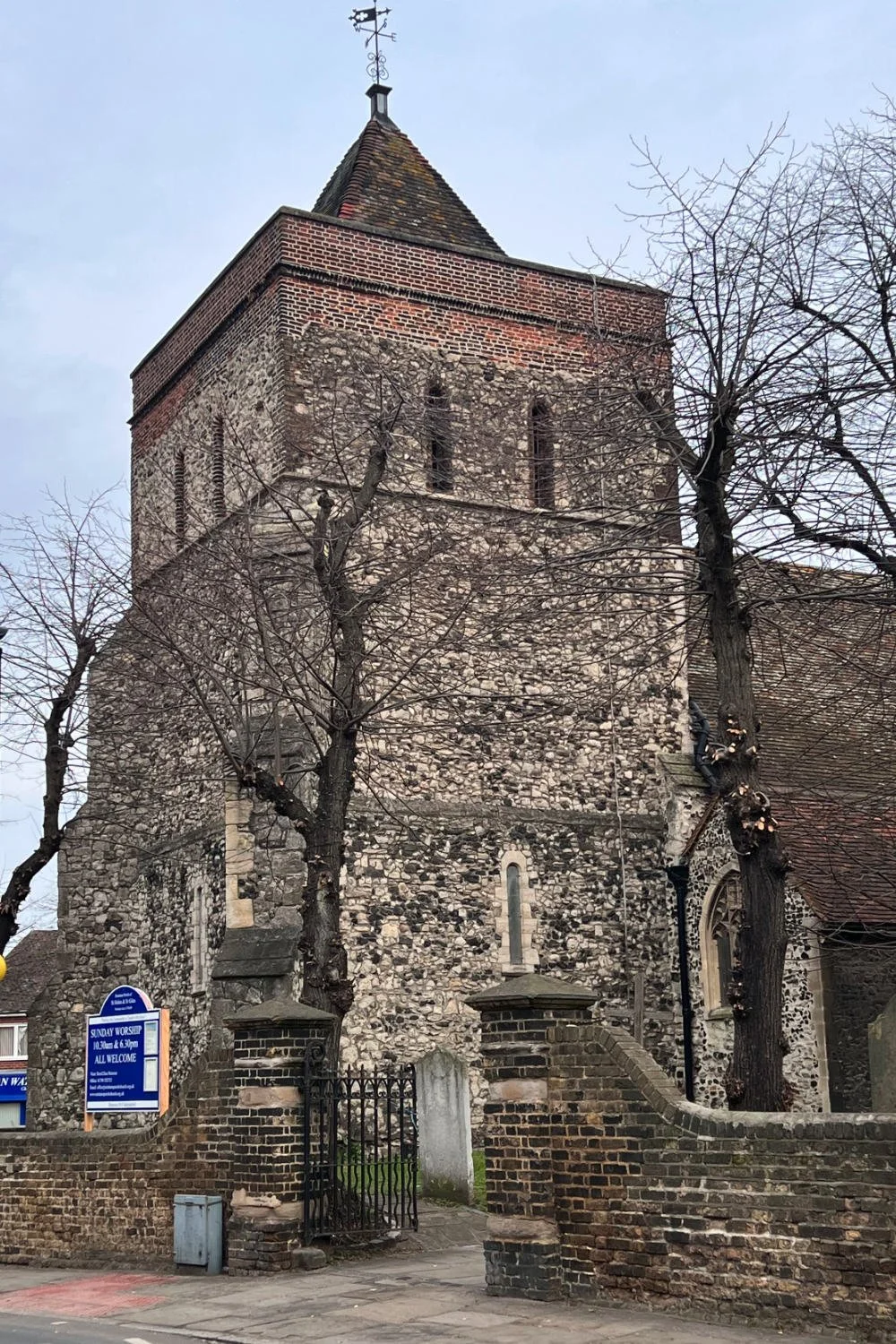
At the end of the marshes, you cross from Greater London into Essex. In the early part of the twentieth century, Purfleet was very much a destination. Pleasure boats brought crowds of Londoners to enjoy fresh air and to walk along its promenade. At other times in its history, Purfleet has been a dumping ground; those with infectious diseases such as smallpox were put onto isolation barges moored on the river. Gunpowder was stored in what is now the Purfleet Heritage Museum and Gurkha Memorial. Dracula buried his cases of Transylvanian soil under what is now St. Stephen’s Church. Beyond these curiosities, the town is much neglected.
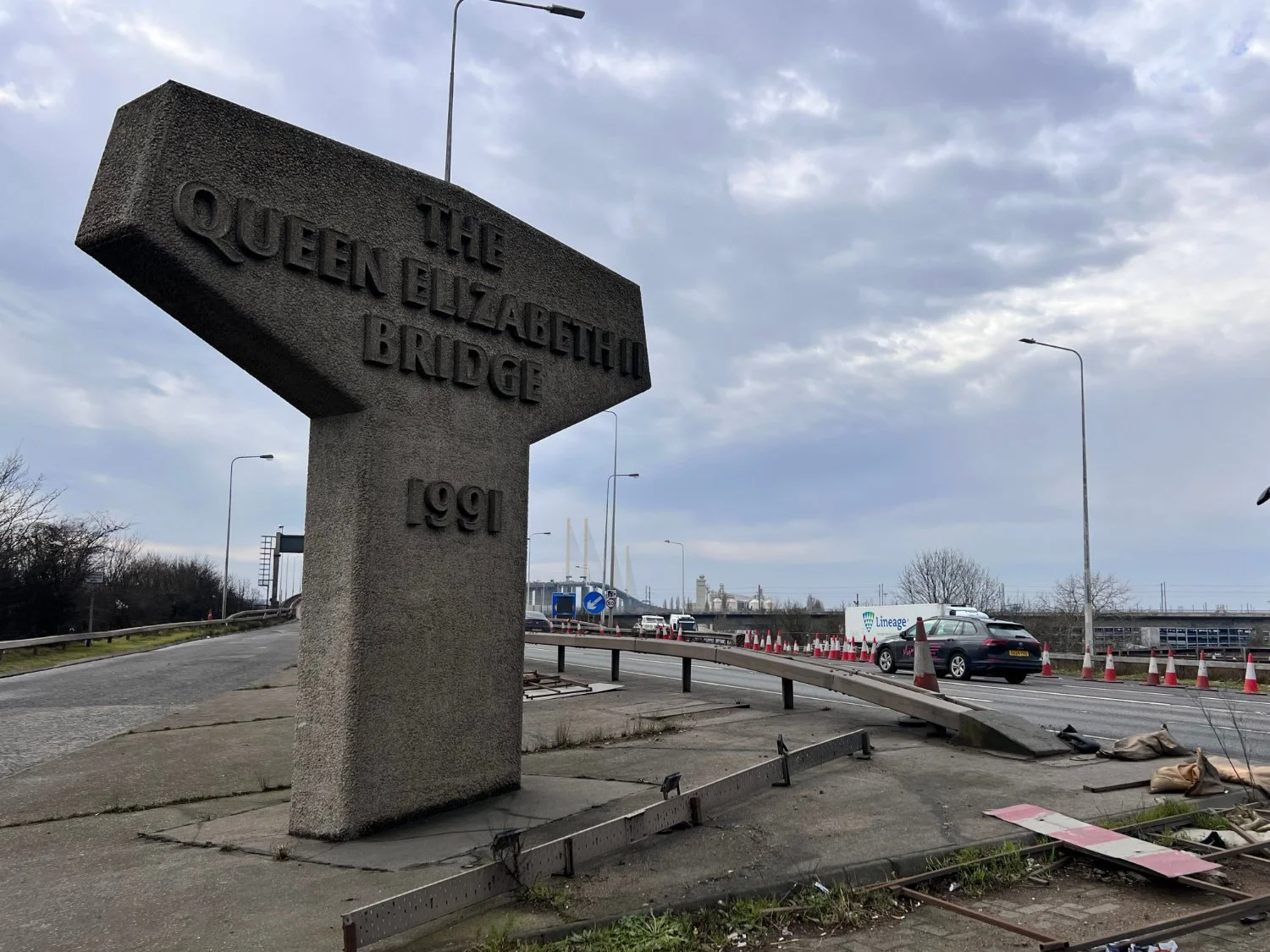
The ‘ride’ across the QEII bridge is a very British experience. When building the bridge, it was deemed ‘too expensive’ to build a cycle/pedestrian lane (£86m was spent building the bridge in 1991), so in order to accommodate car-less commuters (and their bikes), it was agreed that the DoT would pay for a 24 hour minibus service. So, ‘ride’ across the Thames in a bus.

QE II Bridge
Fire, explosions, machine guns, aircraft and bombs all have a story to tell as you ride over a wild and isolated land, full of rough grass and brambles, disintegrating huts and sheds, creeks, wild horses, rivers and reeds. The Dartford and Cray Marshes were the hub for several gunpowder, firework works, TNT factories as well as a Vickers airfield between 1914 –1919. Maxim machine guns were developed here too. Inevitably there are sad human stories to tell, as people died working in unsafe and unregulated factories. One such girl, Edna Allen aged 16, who on her first day of work at The Slade Green Filling Factory (where unused shells were dismantled) was killed in a huge explosion. 16 girls (aged 16-23) also died on 18 February 1924.
As at Purfleet, old man o’ war ships were re-purposed as isolation vessels and moored along the banks on which you ride. By the end of the 19th century the conditions on board were so bad the Joyce Green Hospital was built 1909. You ride along the tramway, which was used to transport patients from boats to the hospital. (You’ll see the grooves and cobbles under your tyres as you turn from the Thames and ride up to Dartford).
A note on the surfaces on this section; The route into Dartford and onwards to Erith is where the ‘mixed surfaces’ tag comes to play. Expect some hard-packed and sometimes rough gravel sections which can be muddy after heavy rain. Despite being part of the National Cycle Network, the path is often not well-maintained. That said, the paths are rideable on 30mm tyres with some tread whatever the weather. I ride 30mm Schwalbe G-one All-rounder on the bike pictured below, without issue regardless of the weather. Embrace the adventure!
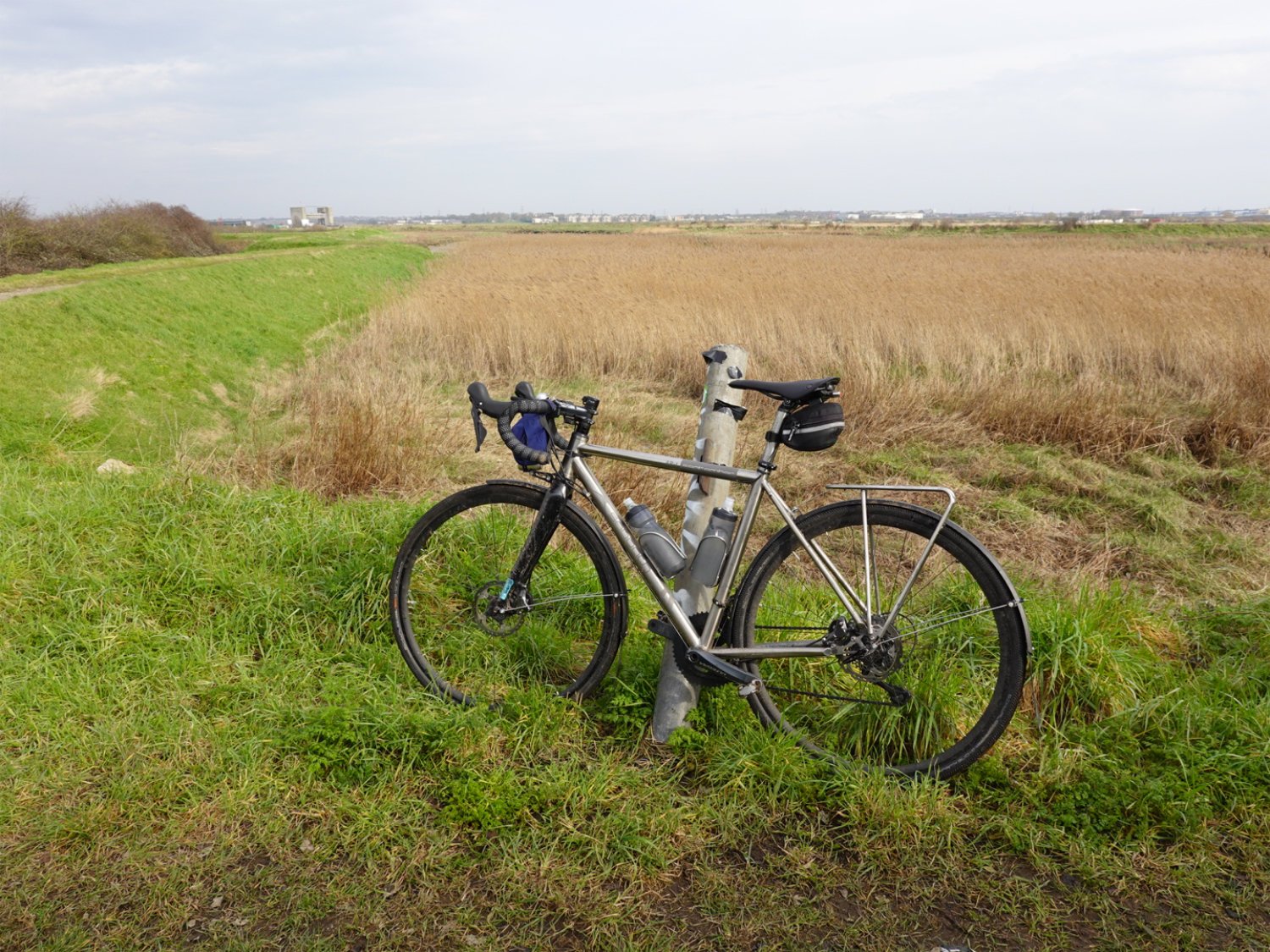
The River Cray and Crayford Marshes
Mick Jagger fans may wish to ride down Dartford High Street to see the local boy with the rest of the Rolling Stones. There’s a striking mural of the band in full song behind the bronze statues.
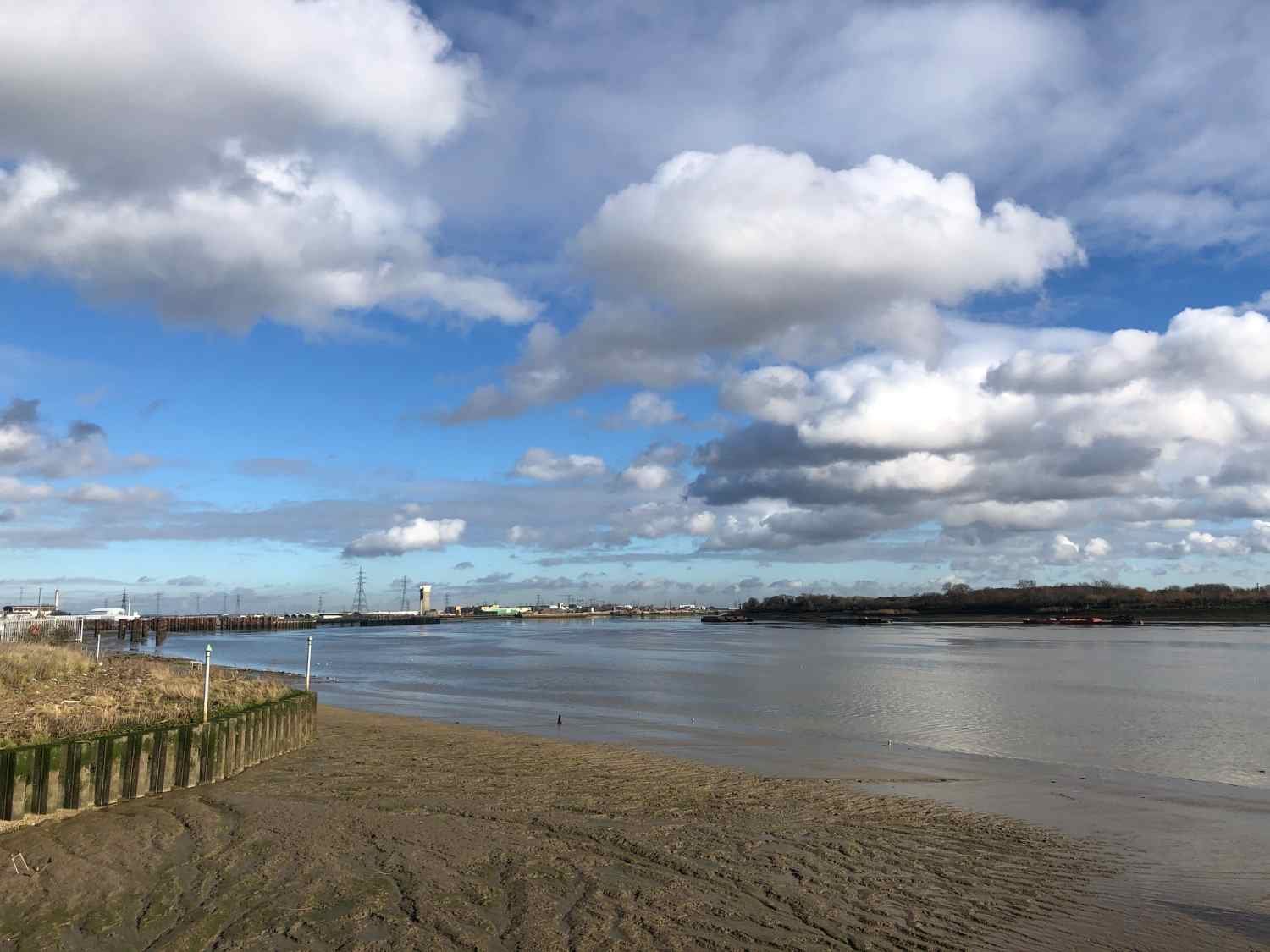
As well as poignant remnants of former munition factories and isolation hospitals, this part of the Thames has the last remnants of an 8,000 year old forest. The stumps of the fossilised trees are visible at low tide sticking through the mud. The precise OS grid reference 527 779.
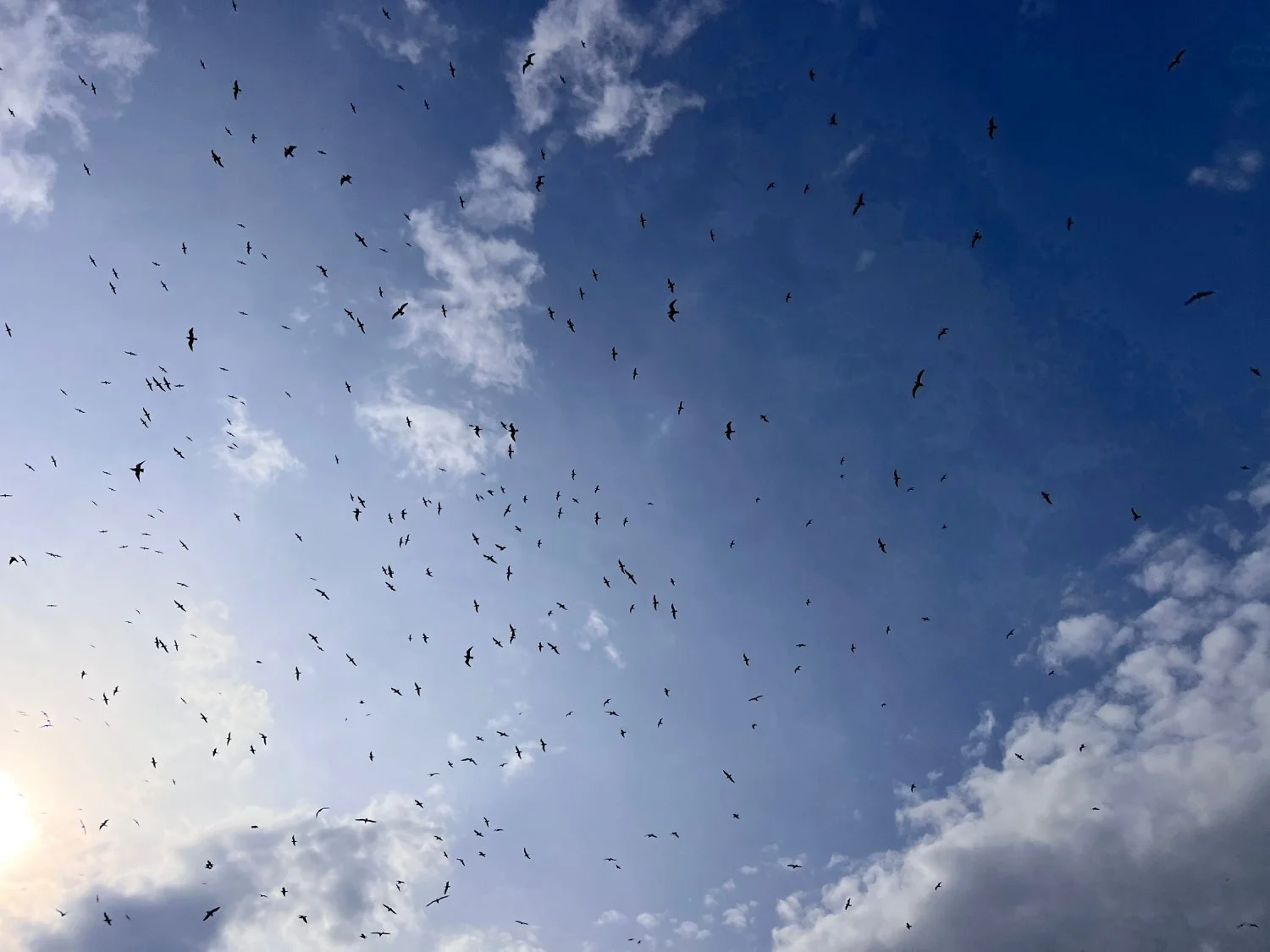
Birds over the Thames
As well as poignant remnants of former munition factories and isolation hospitals, this part of the Thames has the last remnants of an 8,000 year old forest. The whole of this area was carr - a term given to wetland woods - and the stumps of the fossilised trees are visible at low tide. The precise OS grid reference 527 779.
Erith has always struggled to prosper and there’s little to persuade you to pause on your ride, other than the pier, the longest on the Thames. From it, you may well see some of 4,000 seals which live in the river, or in winter any number of wading birds poking around in the silvered mud.
The ride to Gallions Reach is memorable for the striking architecture of the waste incinerator plants, Crossness Pumping Station, a masterpiece of Victorian engineering, as well as more of the lonesome landscape of salt marsh. Water in the marshland’s drainage ditches glint in the sun, wind swishes semi-wild horses’ tails.
Nearing Woolwich, you ride past Tripcrock Point, where a red light beacon stands. Here on the bend of the river on 3 September 1878, sailed the Princess Alice, laden with day trippers who were returning to London from Gravesend. Heading towards her from the opposite direction and hidden by the bend in the river until too late, was the Bywell Castle, a collier. The resulting crash and sinking of the pleasure steamer resulted in over 700 deaths. Most died of asphyxiation or through ingesting toxic water. Tripcock Point is opposite Becton Sewage works, where the city’s waste was discharged into the river. (You can still see the discharge pouring into the river on the far bank, although the water you see has been treated). The sinking remains the Thames’ worst disaster and led to a whole raft of new laws governing maritime safety regulations. Curiously, there is no memorial.

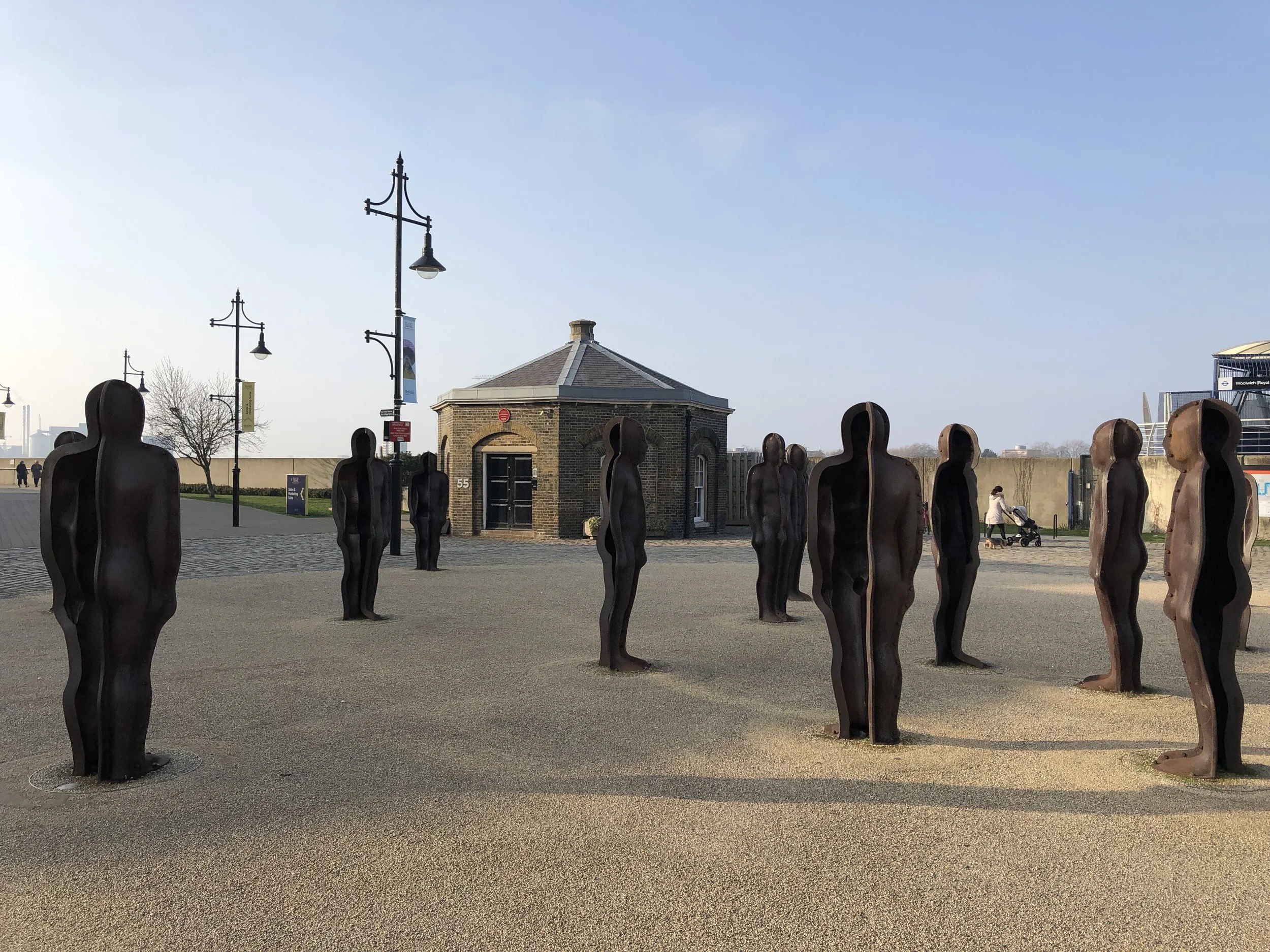
Peter Burke's Iron Men
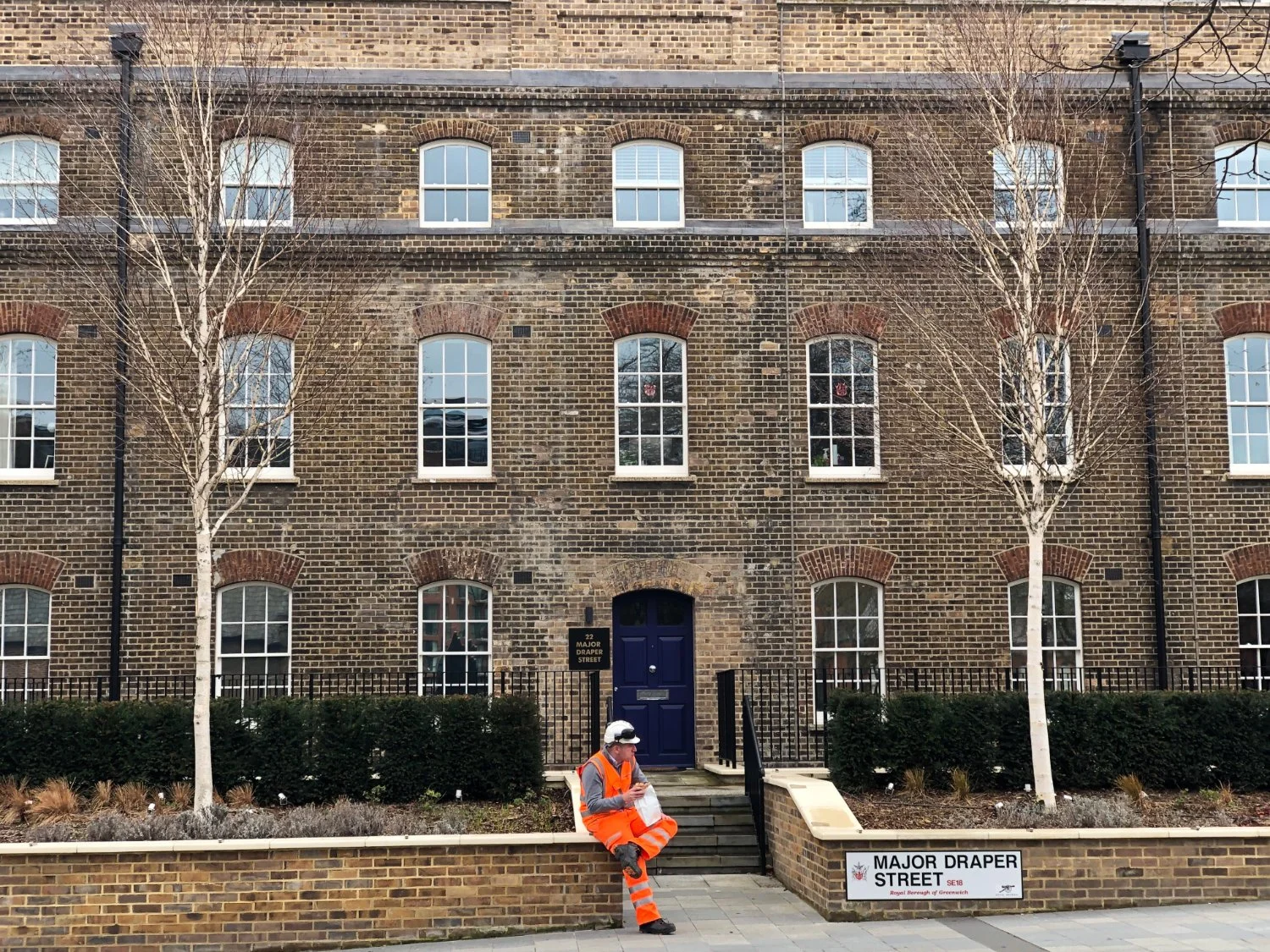
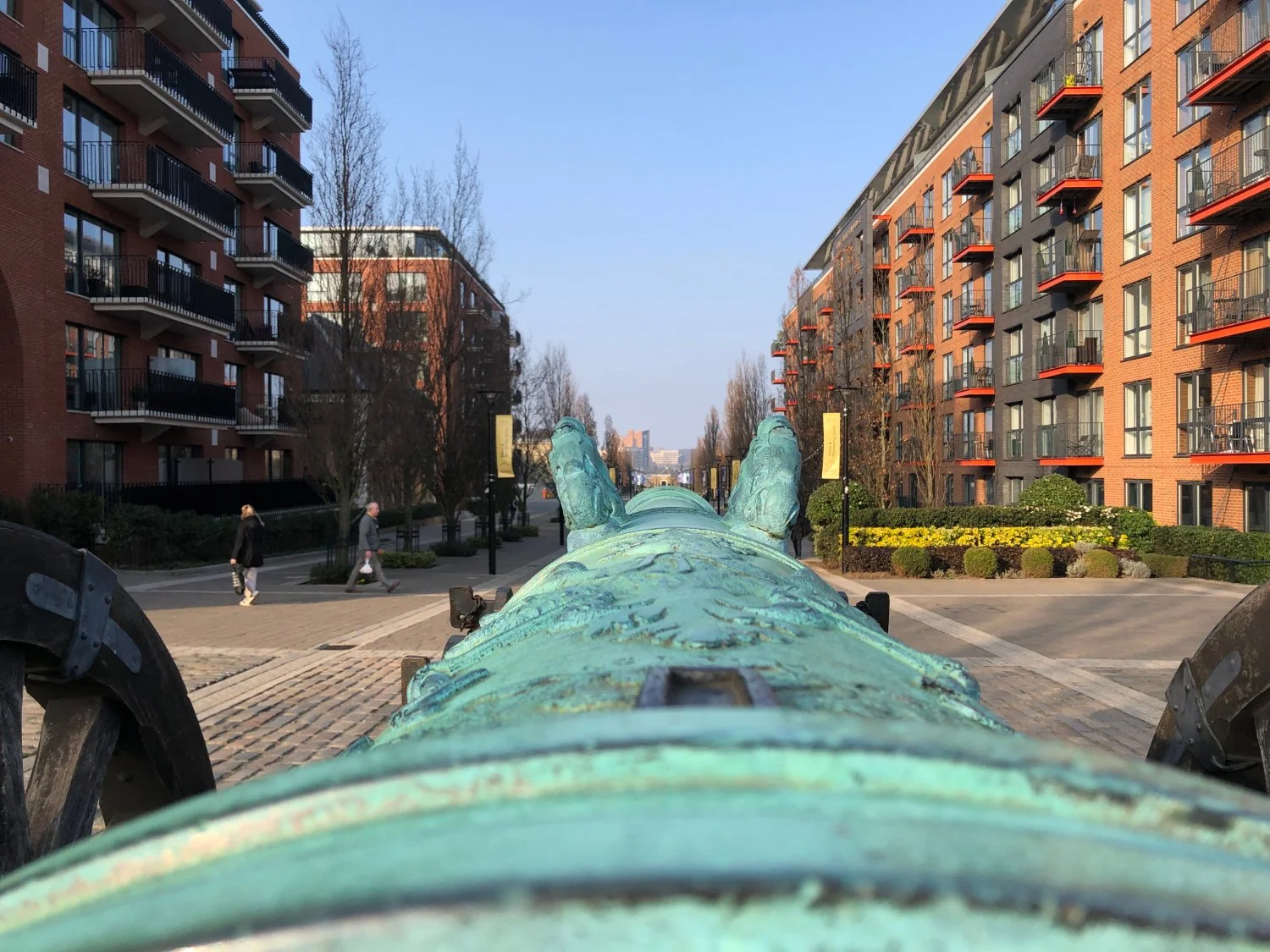
Woolwich Arsenal soon comes back into view, with its magnificent miltary architecture. The Arsenal played a critical role in supplying munitions for the all wars from the Napoleonic to both World Wars. During WWI, over 80,000 people - mainly women - were employed here.
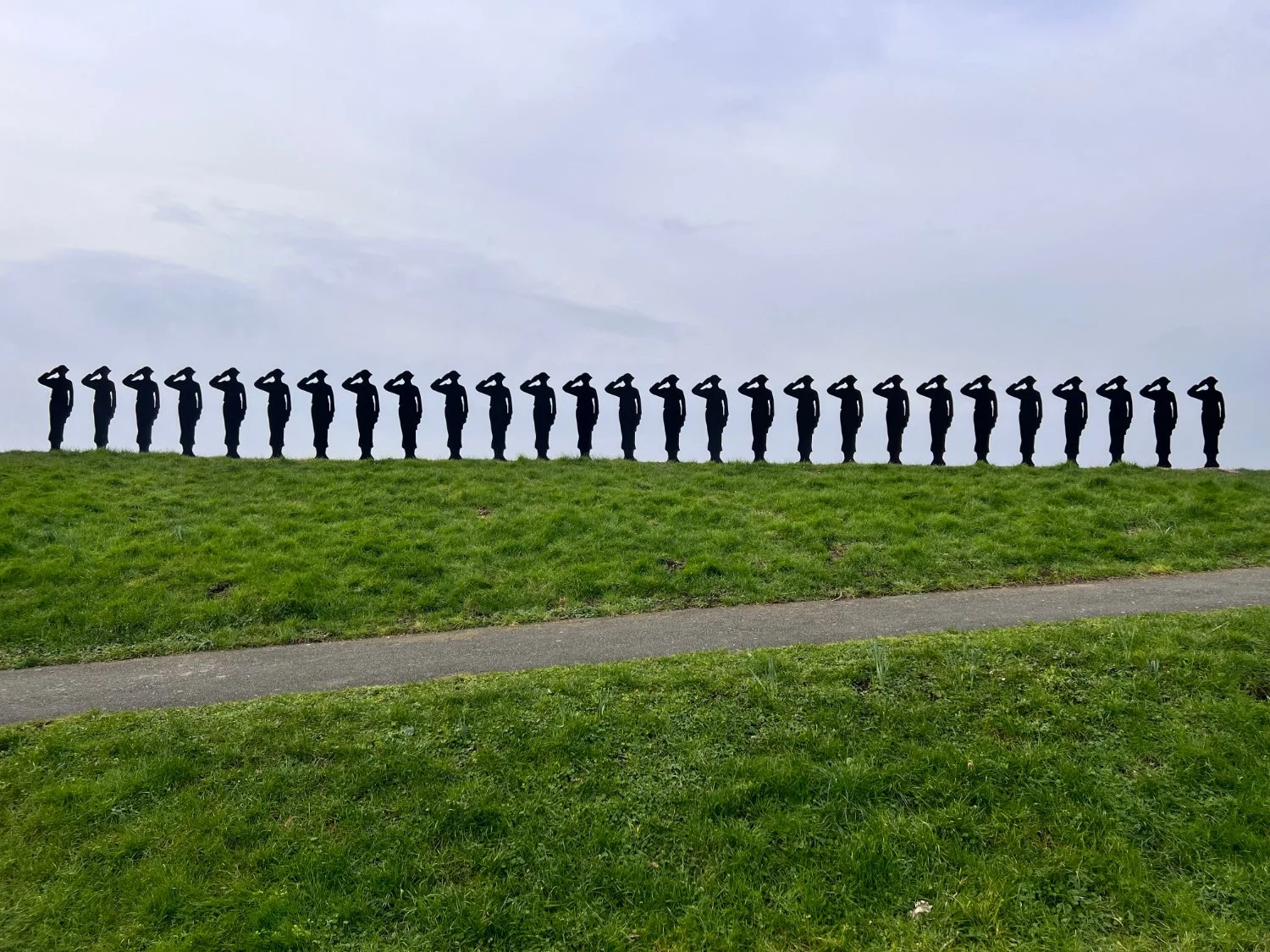
The ride finishes beside Peter Burke’s ‘Assembly’, a collection of sixteen male figures, portraying a group of people coming together. The Arsenal has several cafe’s (both the Woolwich Works and the Gunnery Works are recommended) in which to recharge whilst waiting for the UBER Thames Clipper which will take you and your bike back into Central London.
Every route on this website has been carefully researched as well as ridden. However situations on the ground can change quickly. If you know of changes to this route, or cafes, pubs and the like which you think other cyclists need to know about, feel free to share your thoughts below.
If you enjoyed this guide, why not subscribe to the website so as not to miss other inspirational routes?
wheremywheelsgo.uk is a Feedspot UK Cycling top website