The London Thames
The view from Westminster Bridge
Ride Overview
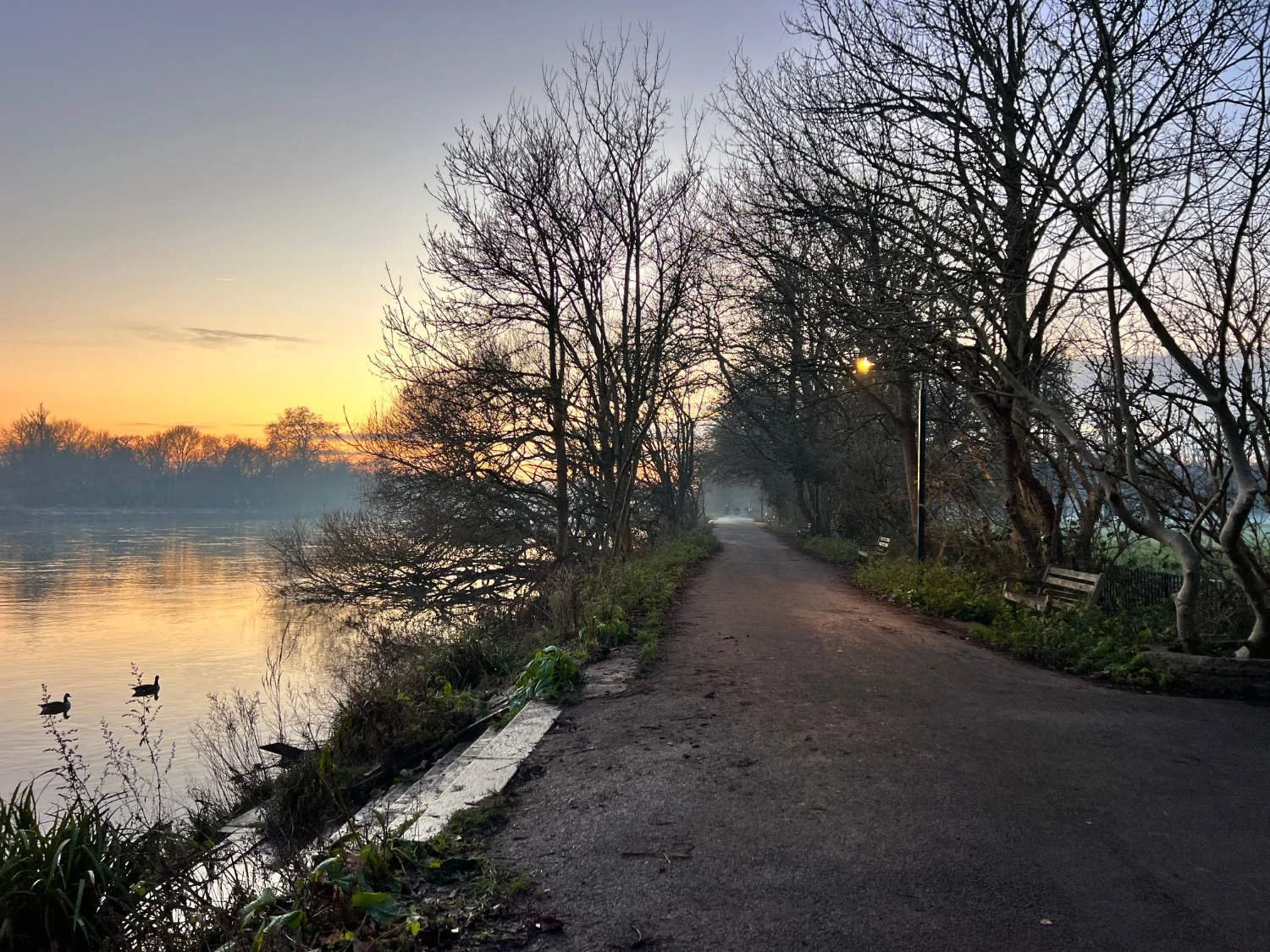
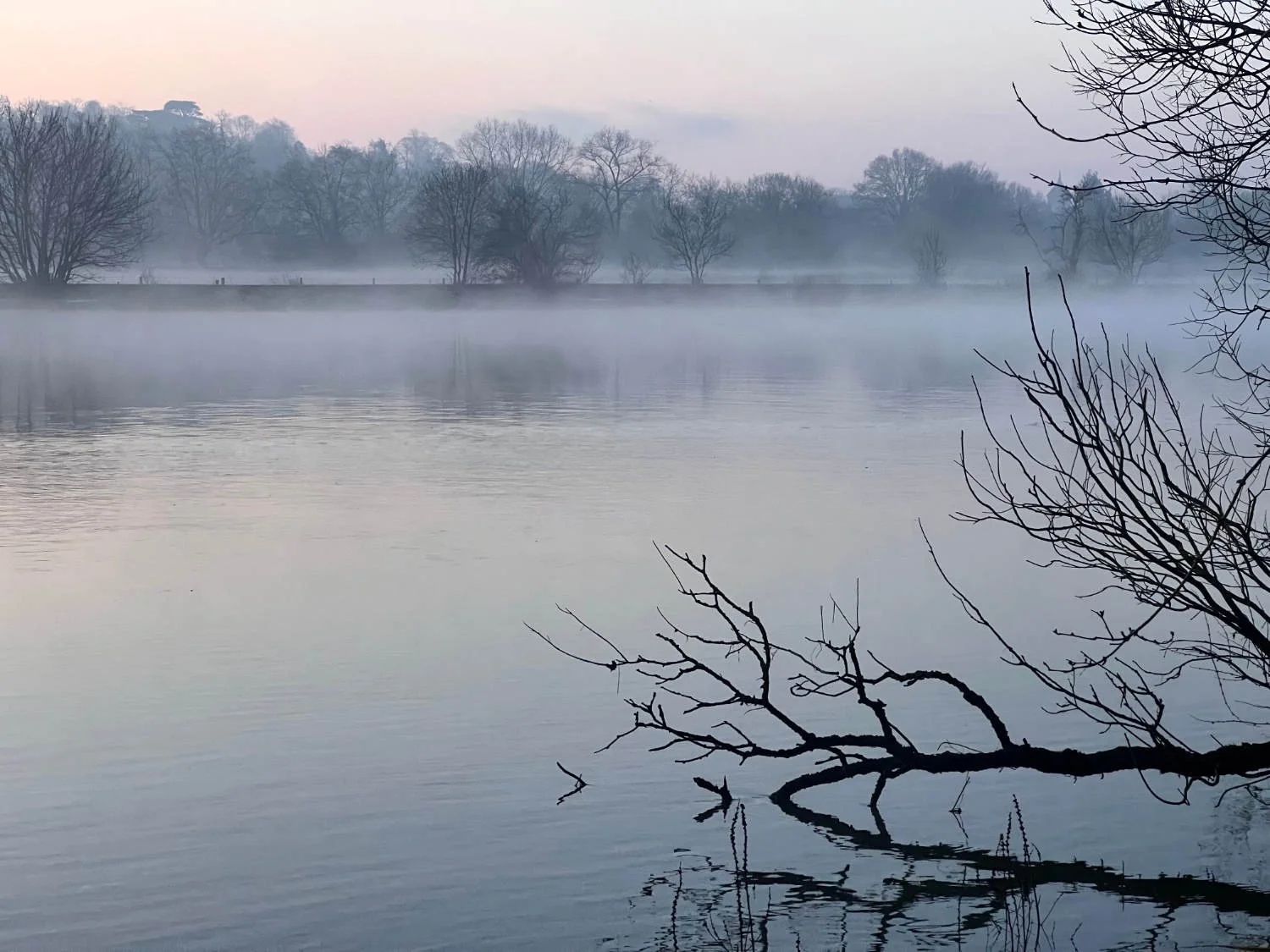
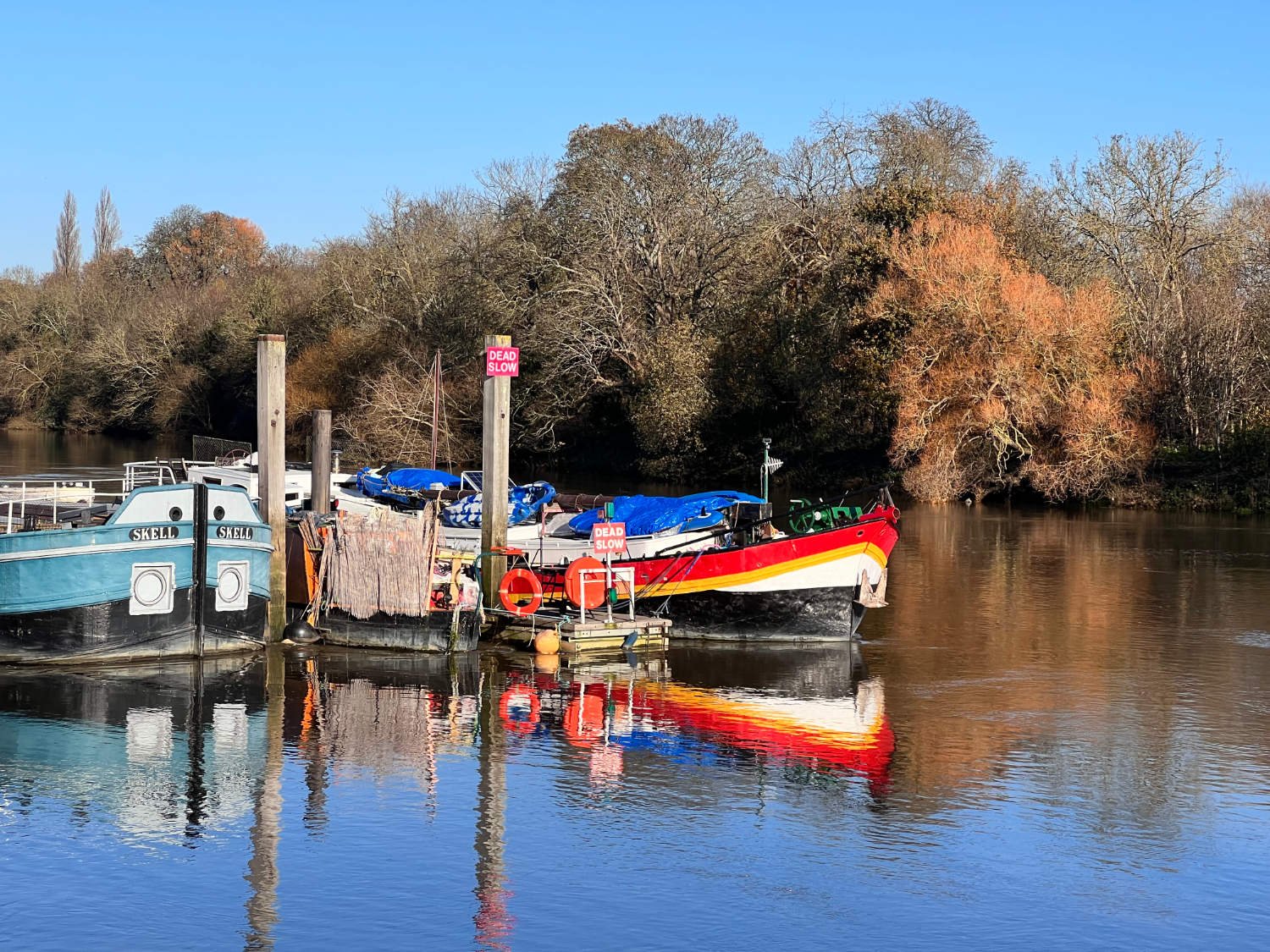
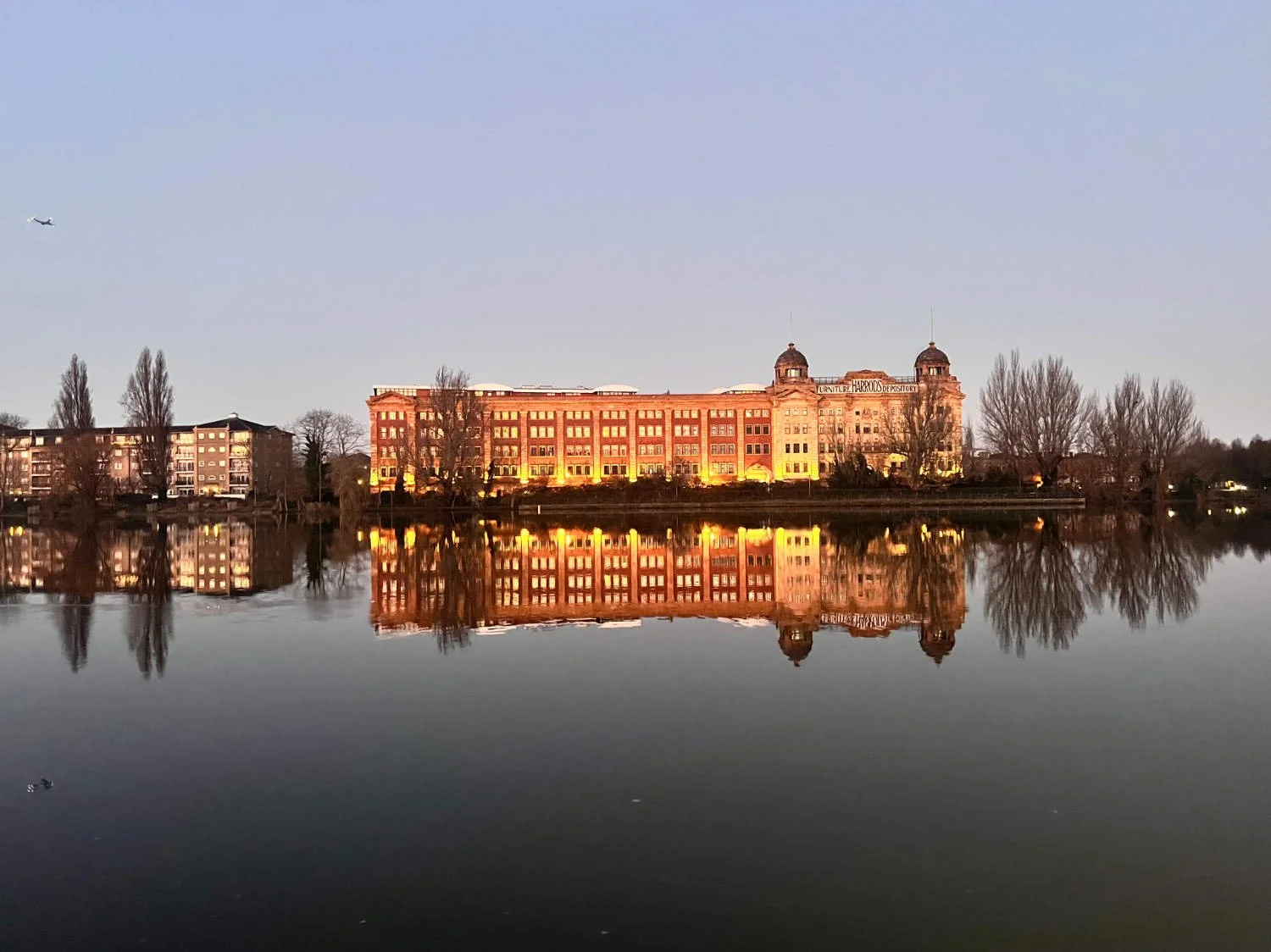
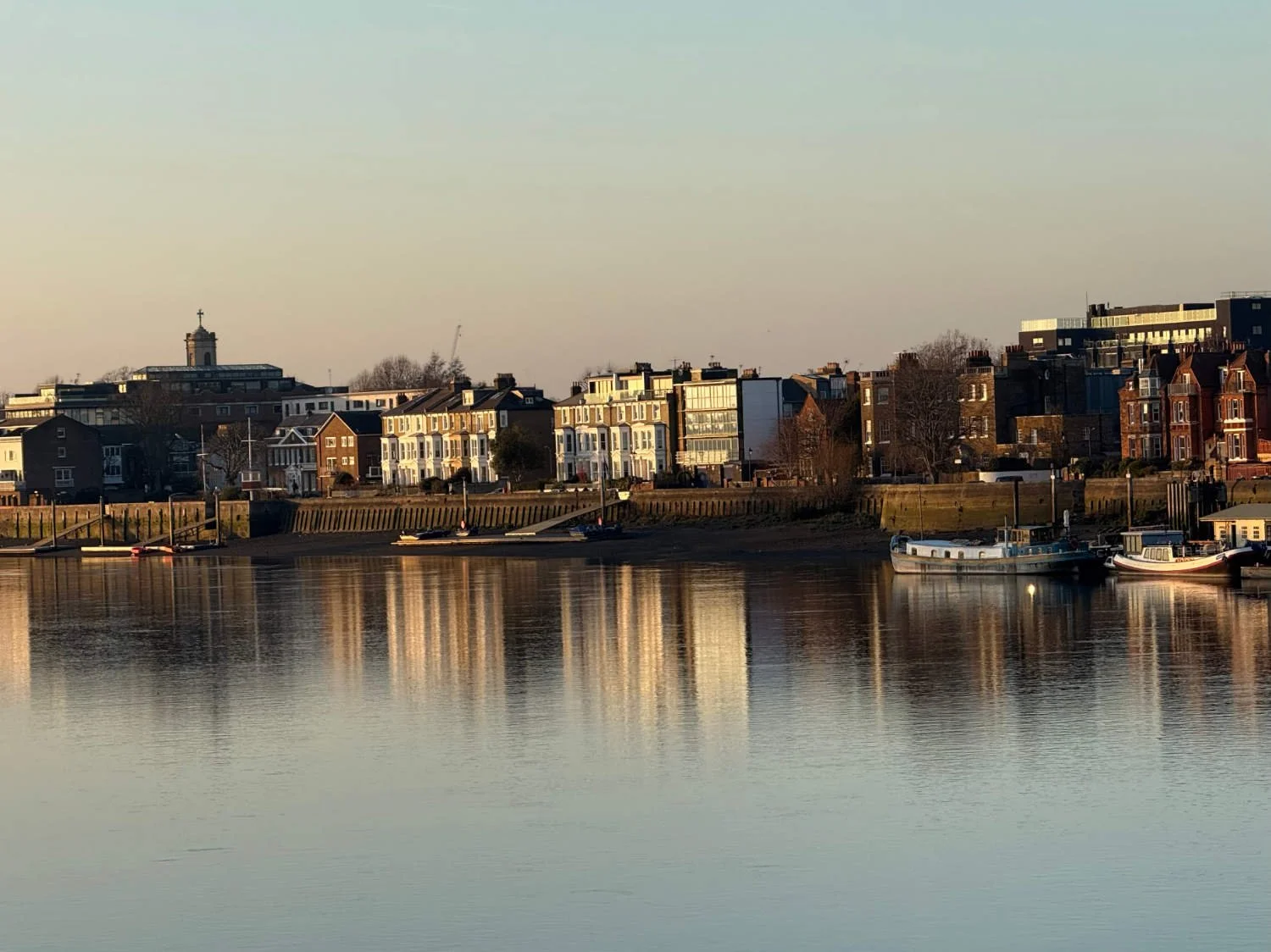
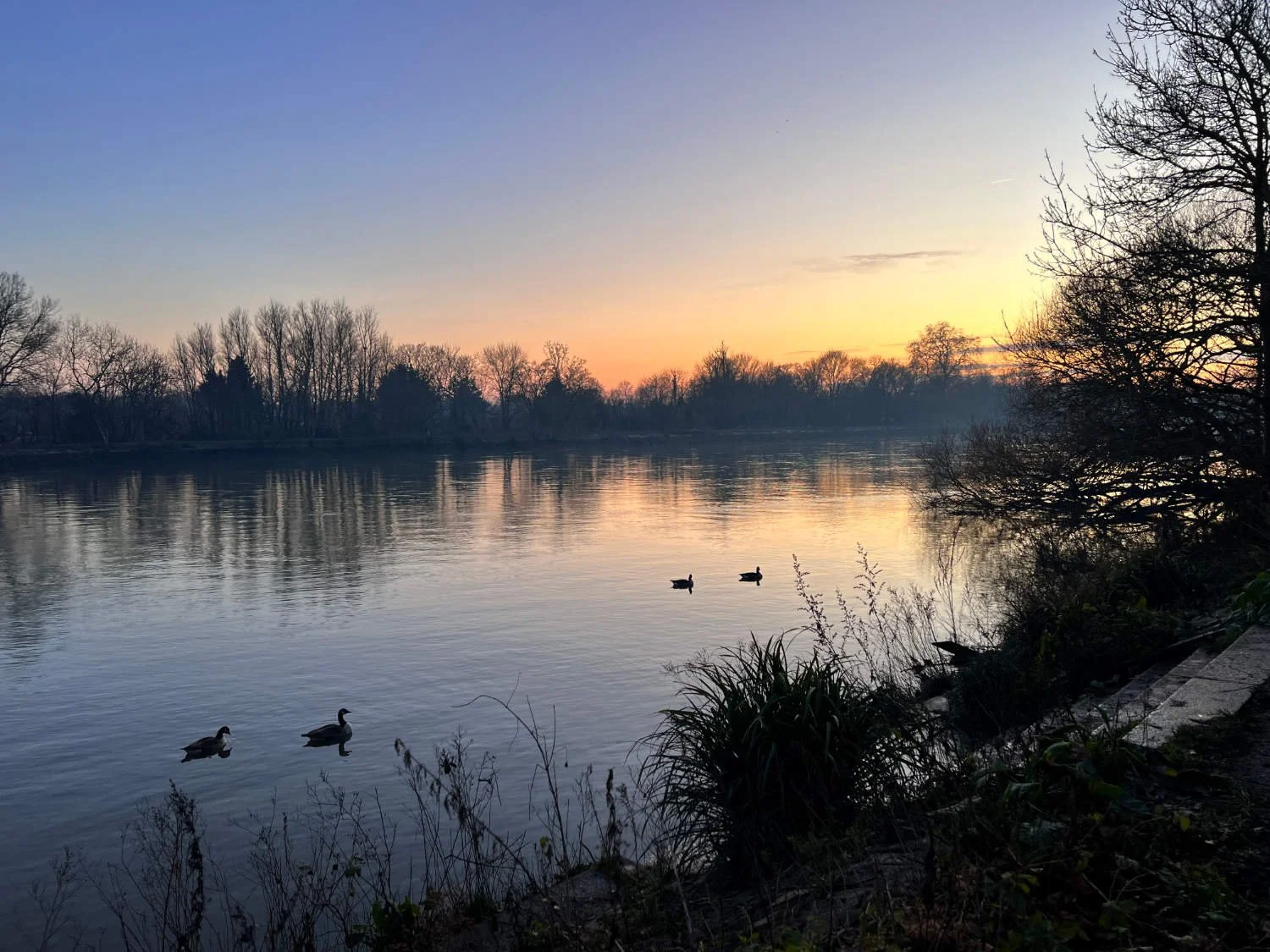
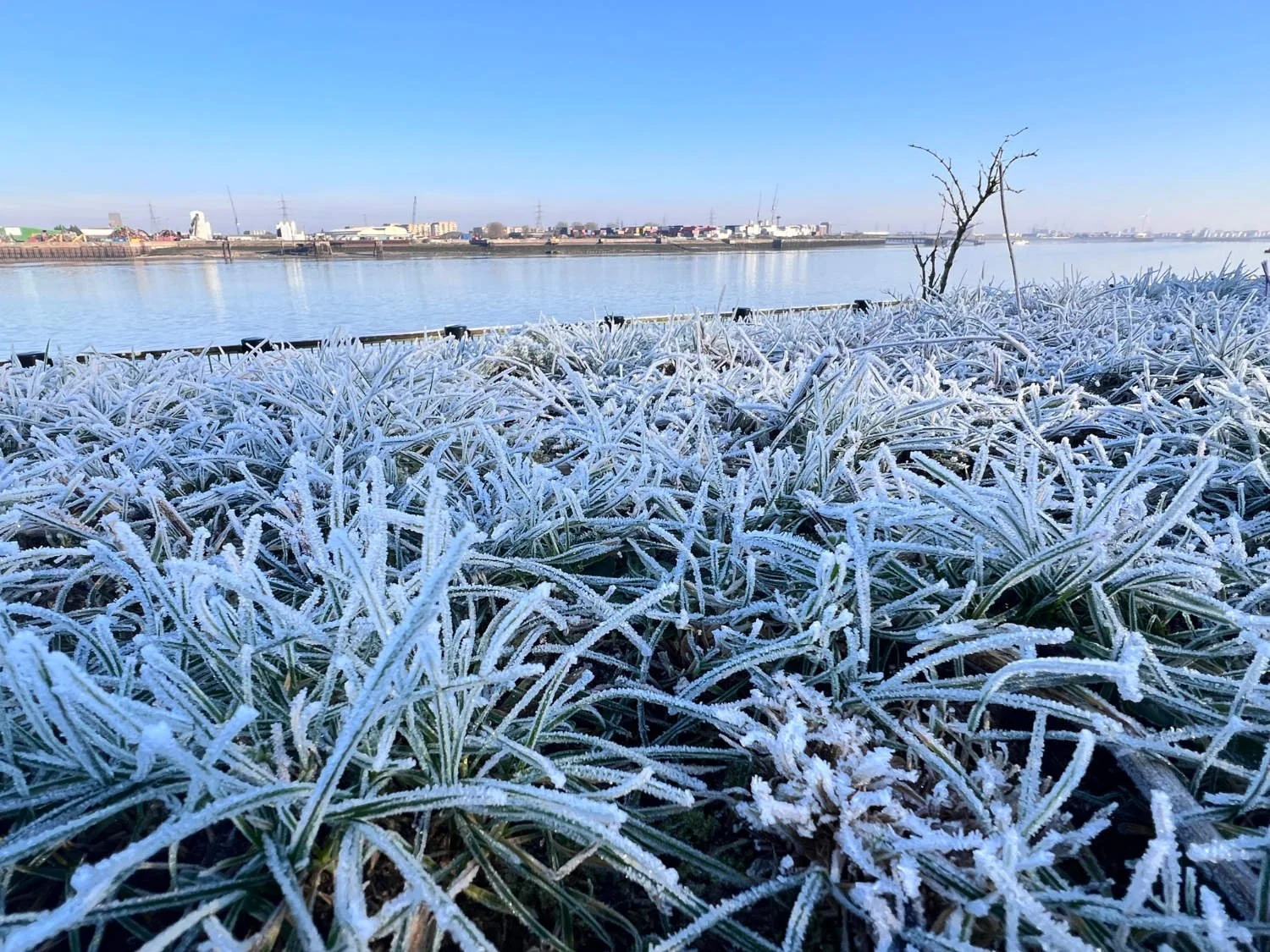
The Thames, London’s river. Wonderful at any time of year; green and luxuriant in summer, invigorating in new spring light, mellow and misty in autumn, but it’s in winter when the river grabs your attention; those days when the crazy-diamond light heightens the riverside drama into the realms of magic. The palaces, the new blocks of steel and glass, the rusting gantries. Come at dawn and ride the short day till dusk and you’ll journey along what is the greatest urban river journey in the world.
The route is almost entirely traffic-free, using the Thames shared paths and cycleways. It’s a journey through time and endless change. A ride through docklands and woodlands, salt marsh and landscaped gardens. Ride the route as a series of short stages, choosing the days when dawns and dusks are going to illuminate the river and the sky. Stop to visit the innumerable palaces, abbeys and galleries and everything in between. And it’s not just the cultural places which need your time and attention; the river is blessed with some of London’s most historic pubs, all with prime riverside views.
If this were any other European Capital, the route would have the full weight of the city’s Tourist board behind it. There’d be posters and signs and thousands of people riding along it. But this is London and we do things differently. Whether you are a life-long Londoner or a first time visitor to this great city, this is the ride which sits supreme above all the other London rides. In order to understand London, you need to ride alongside its river.
Ride Practicalities
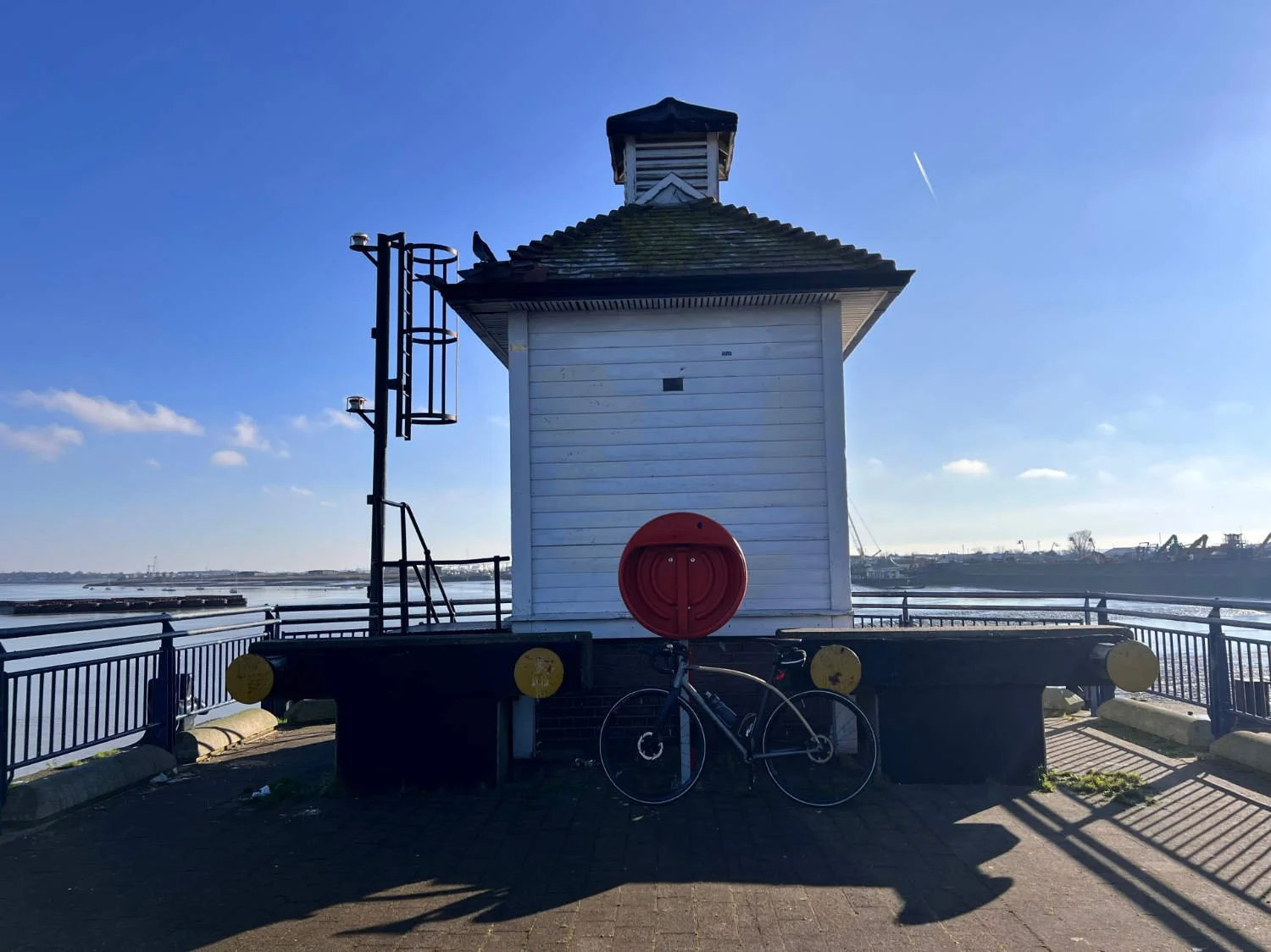
START/FINISH: Hampton Court Palace/Erith pier DISTANCE: 80km. TOTAL ASCENT: 465m TERRAIN AND SURFACES: Traffic-free cycle paths, and the occasional quiet back road SELECTED EATS AND DRINKS: Twickenham: Orleans House, Hammersmith: The Elderpress Café, The Dove, Lambeth; The Garden Café, Wapping: The Town of Ramsgate, Captain Kidd, The Prospect of Whitby, Docklands: The Gun, Trinity Wharf: The Orchard Café, Woolwich: The Works LINKS TO OTHER RIDES: Arcadian Thames, Chiswick to Greenwich
Ride Notes
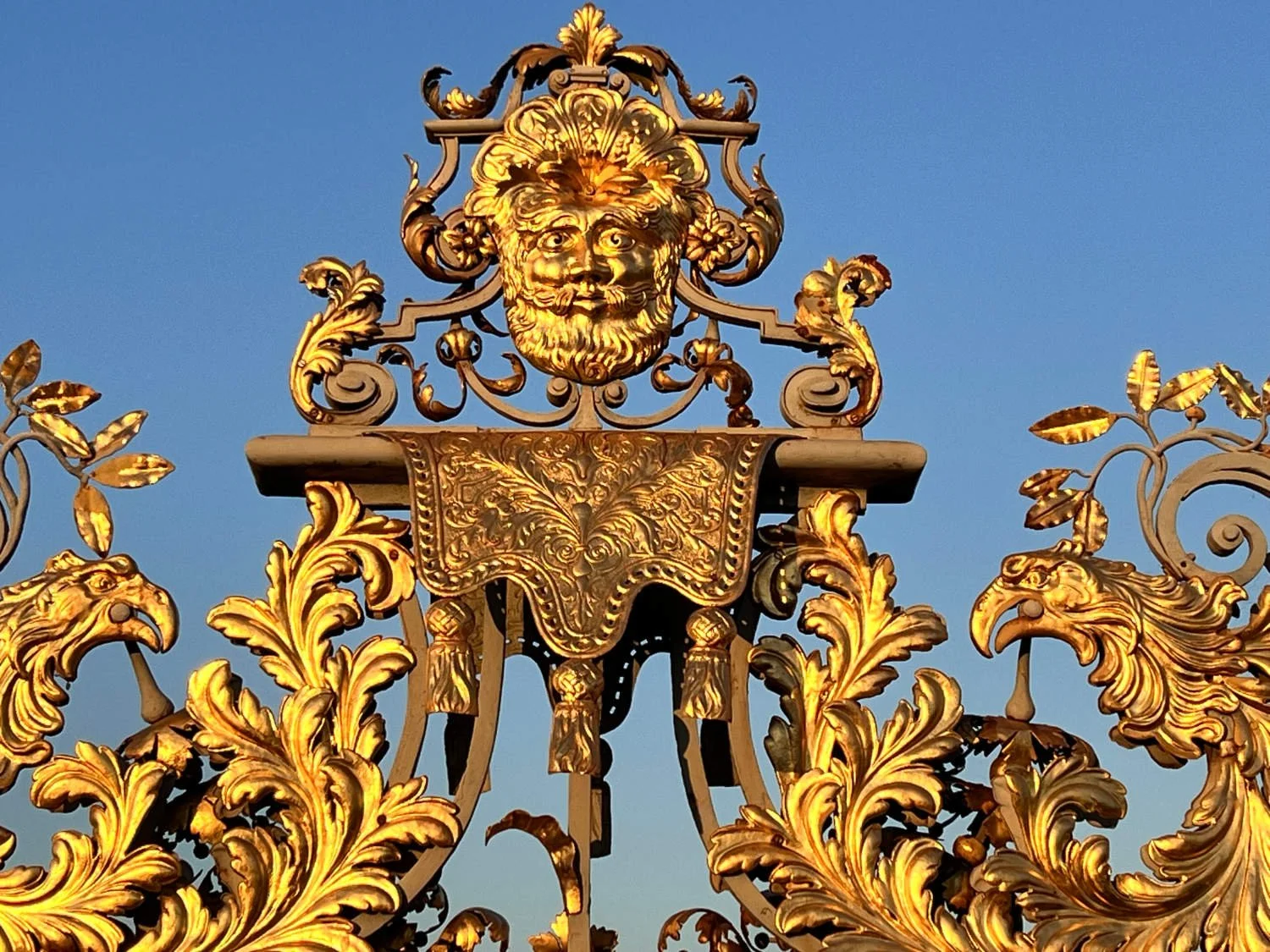
Twenty-six million bricks and over 241 individual chimneys poke into the sky. The vast courtyard Hampton Court Palace, is where the ride begins right on the Greater London boundary. For all its pomp and magnificence, the Palace was little more than a glorified ‘holiday home’ for monarchs. 1,390 rooms, 18 courtyards, tennis courts, pleasure gardens and parks. Henry VIII, spent a total of 811 days there in his entire reign of 38 years, which amounts to little more than three weeks a year.
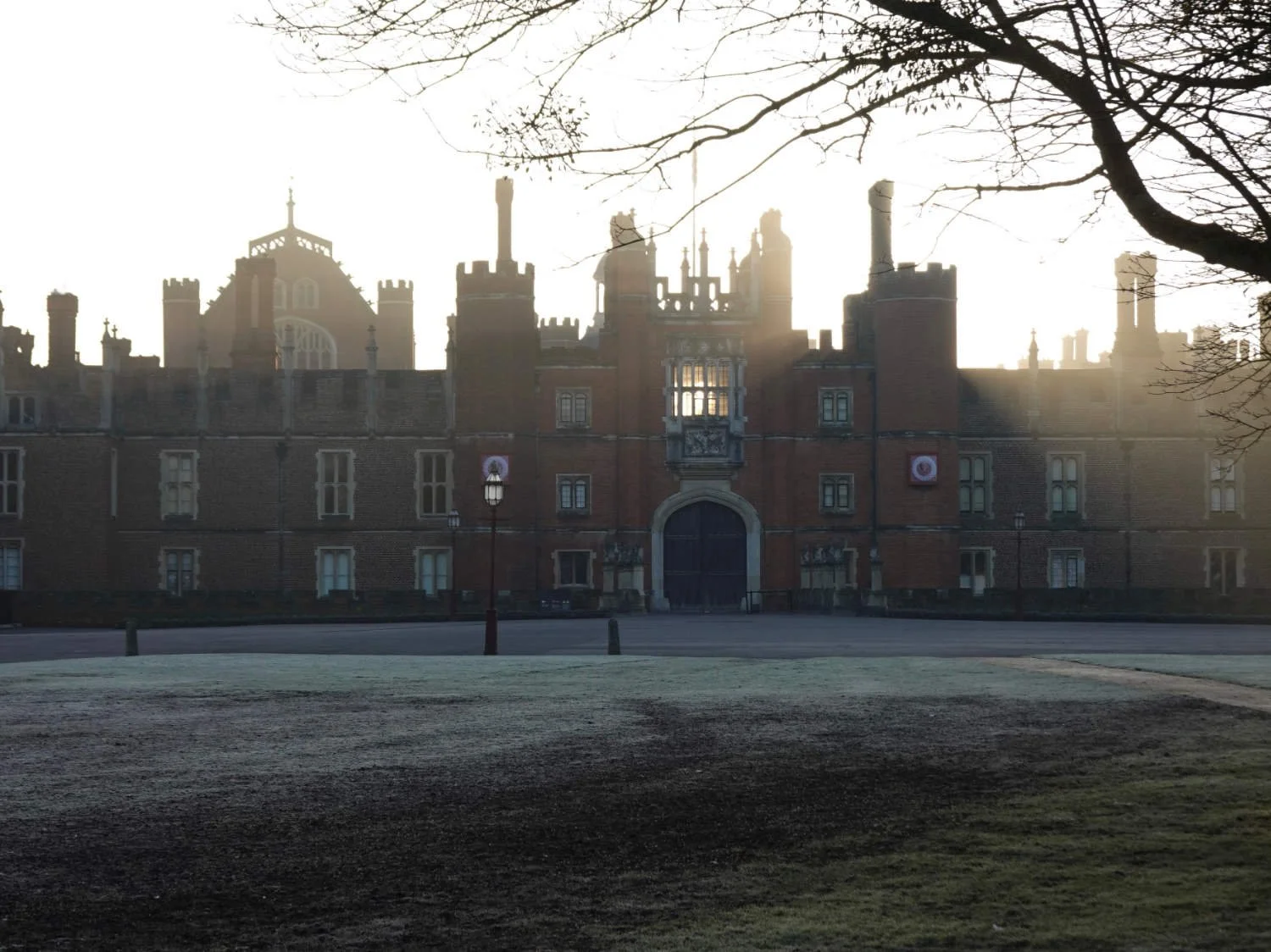
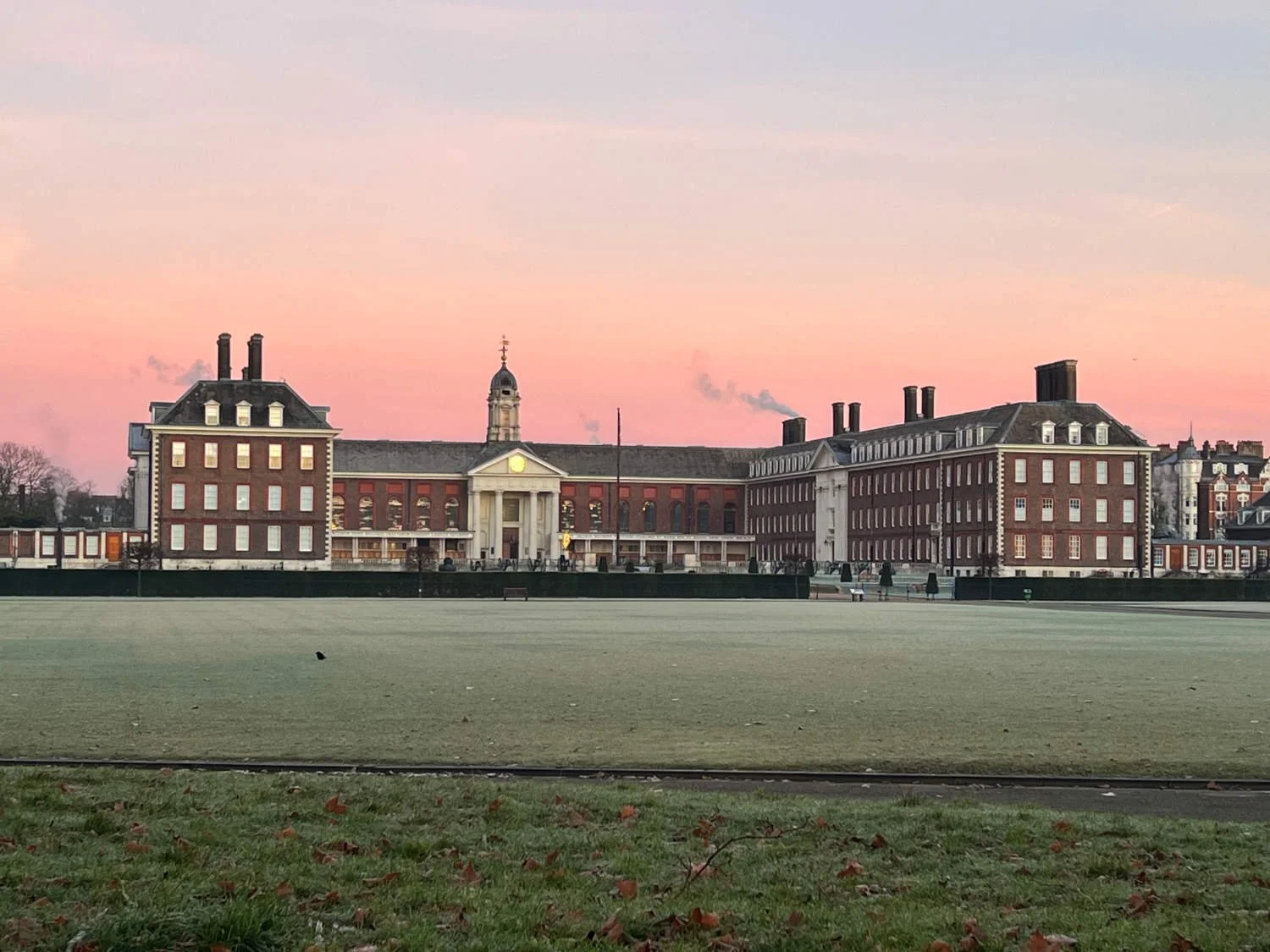
Dawn breaks over Hampton Court Palace
Using excellent cyclepaths, the route heads into the ‘Arcadian Thames’, an eighteenth century re-imagining of an Ancient Greek landscape. Water, trees, pasture, grazing animals (cows, sheep, deer), grand houses, vistas, with carefully placed temples or follies were, and are still, part of the landscape. It is a lovely ride on a cyclepath and could take you many days to complete if you were to stop at the many great houses along the way; Ham House, Kew Palace and Gardens and Chiswick House being the top picks. Two towns break the sylvan dream, first Kingston-upon-Thames, followed by Richmond. In Kingston - the King’s Town - Saxon kings were crowned on the Sarsen stone (the same type as that used at Stonehenge). It can be seen (but not sat upon) outside the town hall. Another short diversion is at Richmond, where you may ride up the only hill of the ride, to enjoy the only view protected by law. It is, even if you’ve never been here before, familiar. A curving river, woods, water meadows, an island. The much painted view has been replicated in countless 18th century landscapes fro Hyde Park to Blenheim.
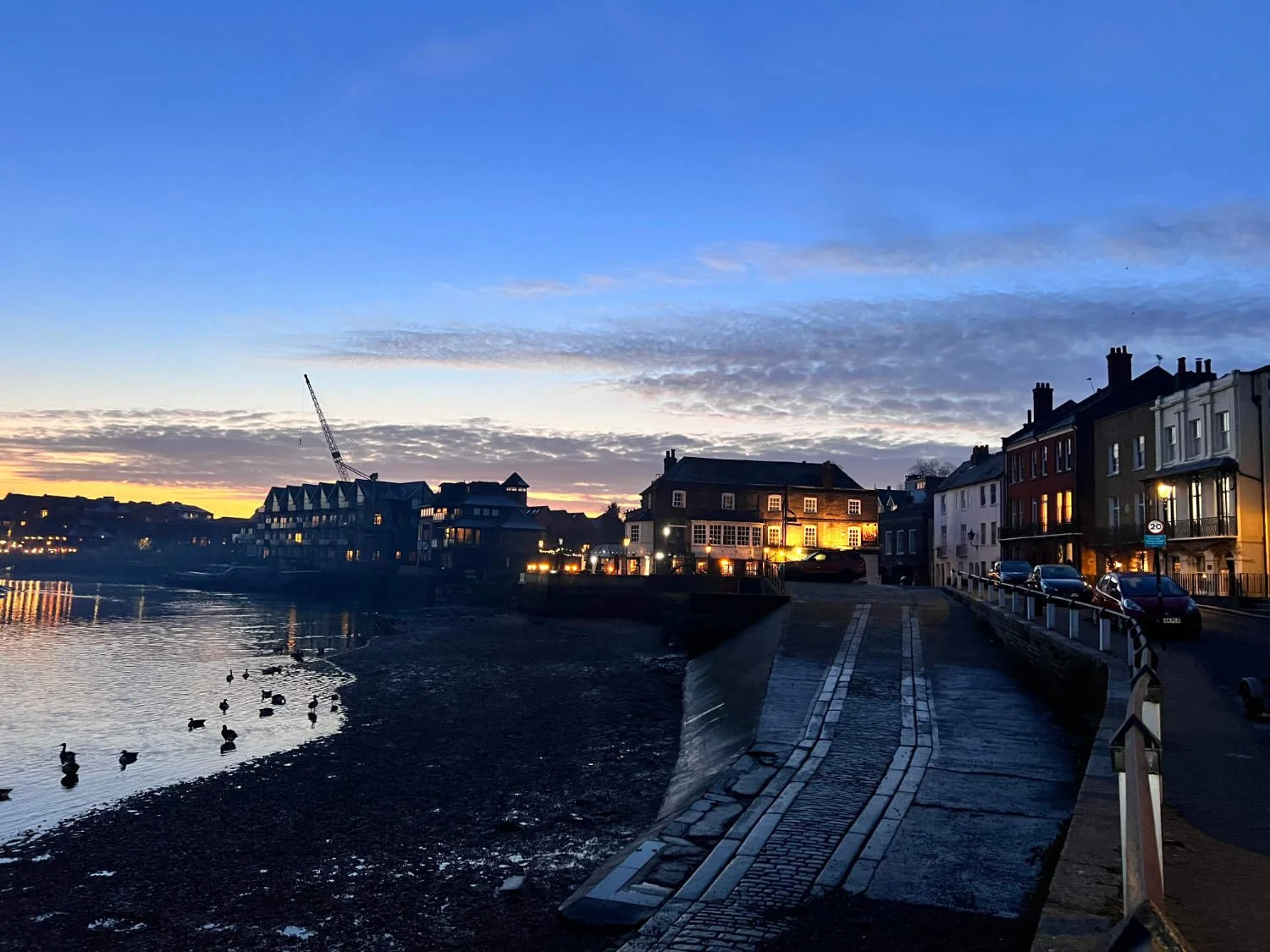
Back across the river on Chiswick Bridge, the path runs beside gracious and very large homes, and a good collection of pubs, such as the Dove, which has according to the Guinness Book of Records, the smallest bar in the UK. The whole of this stretch for much of London’s pre-19th century existence, the city’s market garden, famed for its strawberries and grapes.
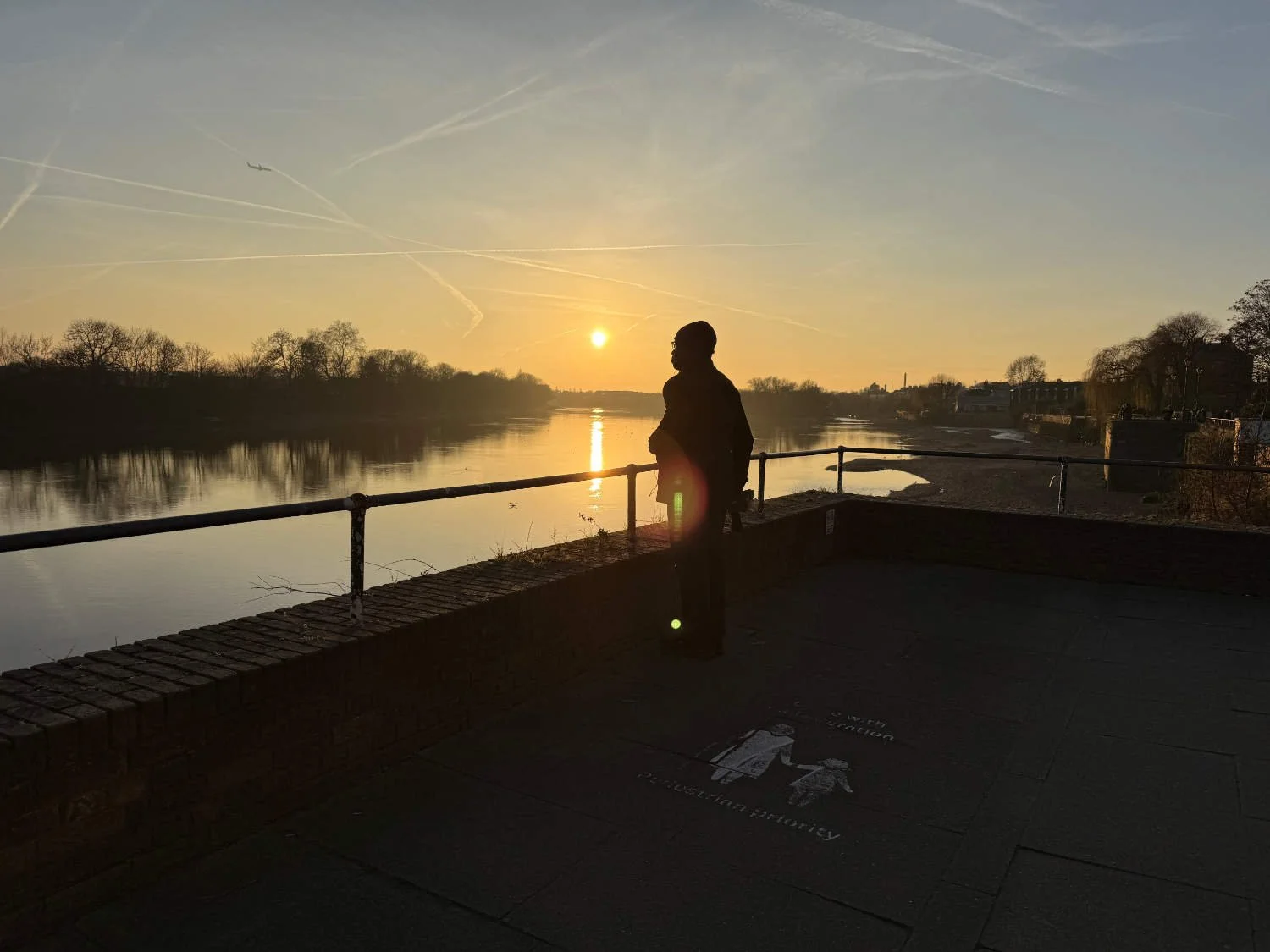
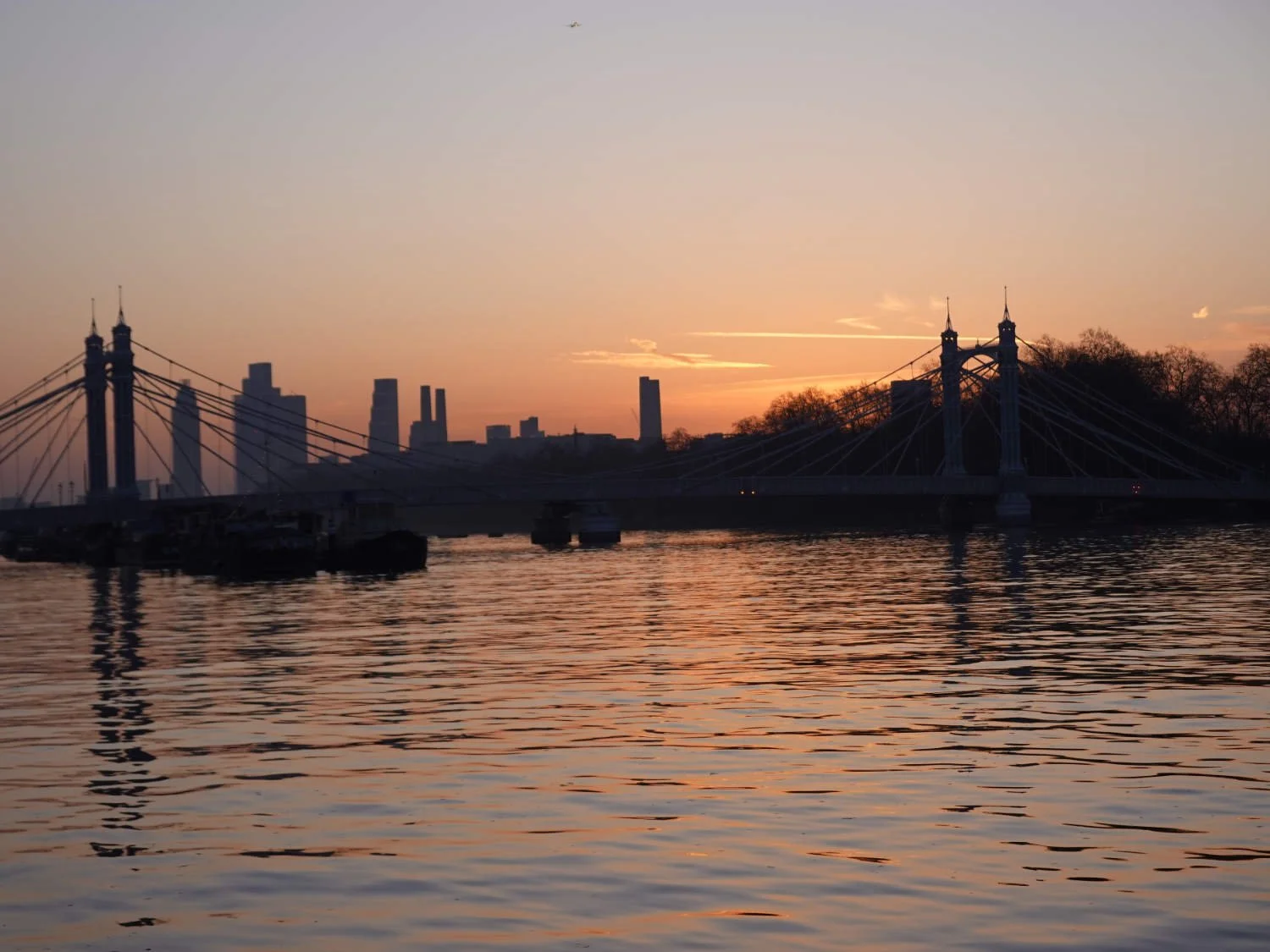
Sunset along Hammersmith Reach
Crossing Hammersmith Bridge, the first suspension bridge to cross the Thames, you ride on a gravel path through trees to Putney beside the stretch of river on which the famous Oxford and Cambridge Boat race runs each spring.
Wandsworth and Battersea were filled with docks and wharves which have morphed into late twentieth century riverside flats. Unusually for London, the river path has remained in public ownership. It’s well used by walkers, joggers and cyclists. The ride continues into Battersea Park. The area, once known as Battersea Fields, was a lawless place, where illegal dog fighting, bare-knuckle boxing and duelling all took place, including a duel between the Prime Minister of the time, the Duke of Wellington and the Earl of Winchelsea. It’s a peaceful park, with lovely gardens and a Peace Pagoda.
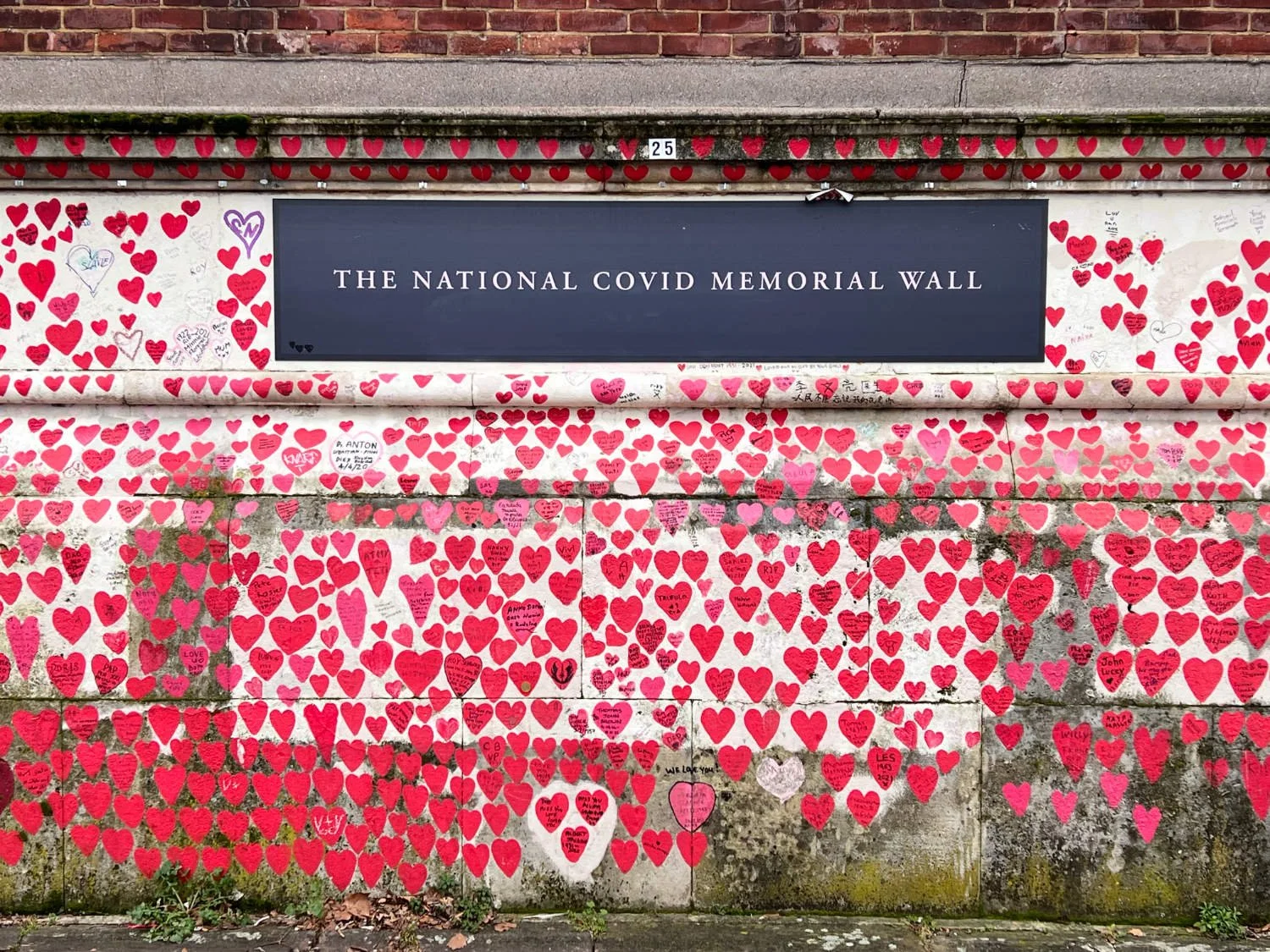
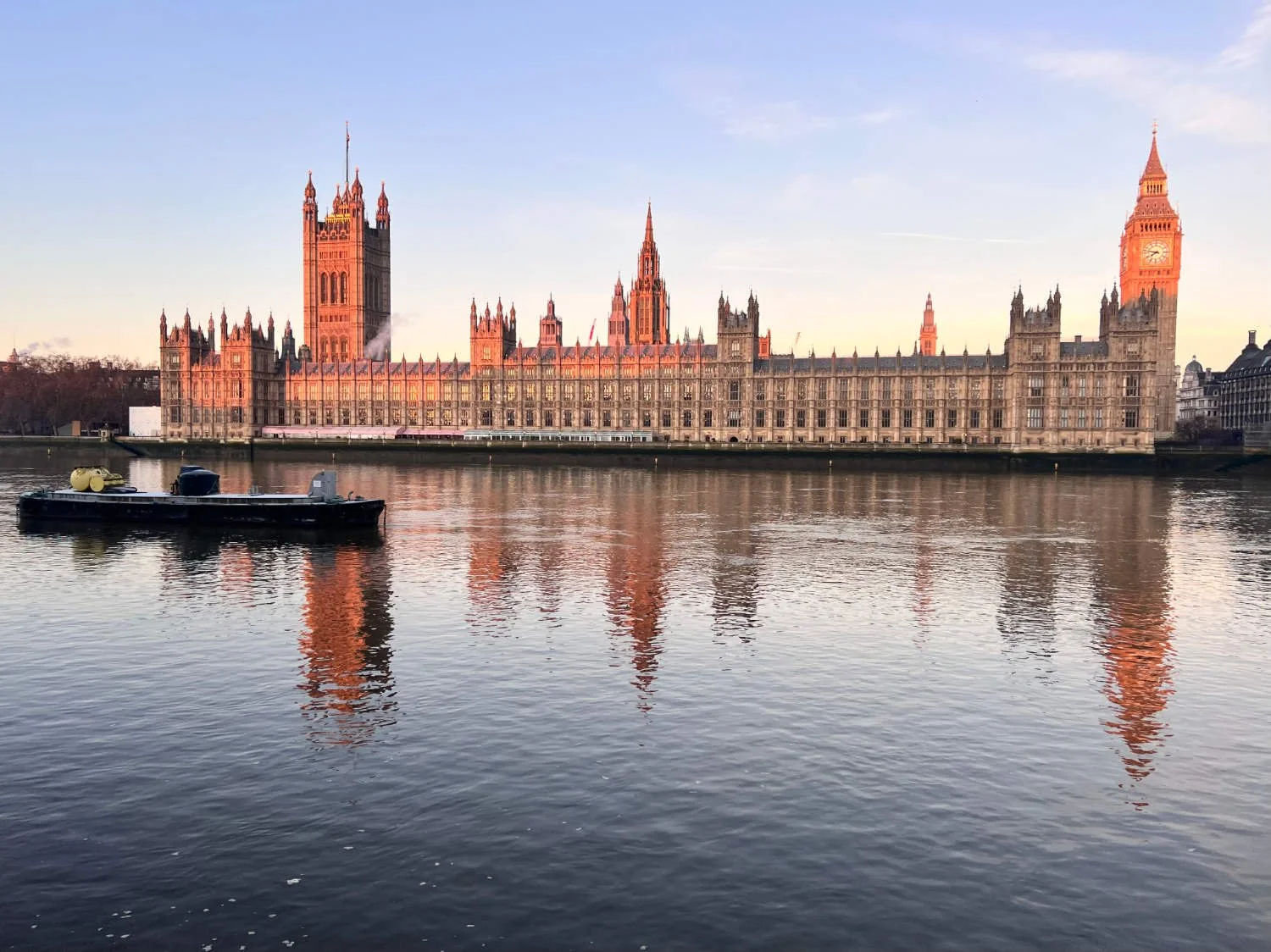
Cross the river on Chelsea Bridge, where you ride on an unprotected cycleway for 150m, before you join C8, one of London’s first segregated cycle paths, passing the Tate Britain an art gallery built on the site of London’s biggest prison from where convicts where transported to Australia. At Lambeth Bridge, you’re back over the river again, passing the Archbishop of Canterbury’s palace before continuing on a shared path beside the National Covid Memorial Wall. You’ll probably have to weave your way through the Instagrammers taking selfies against the back drop of the Palace of Westminster across the river.
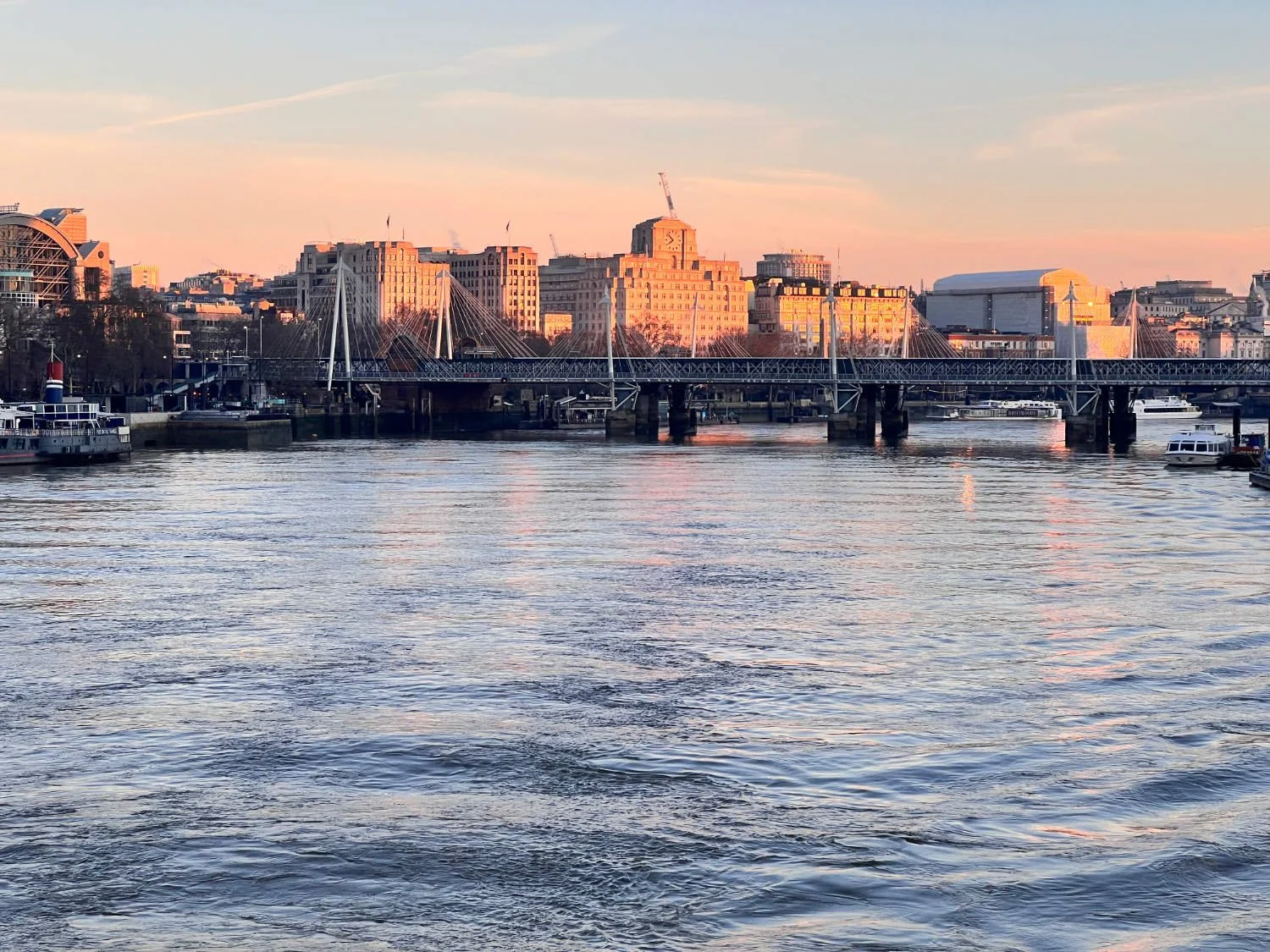
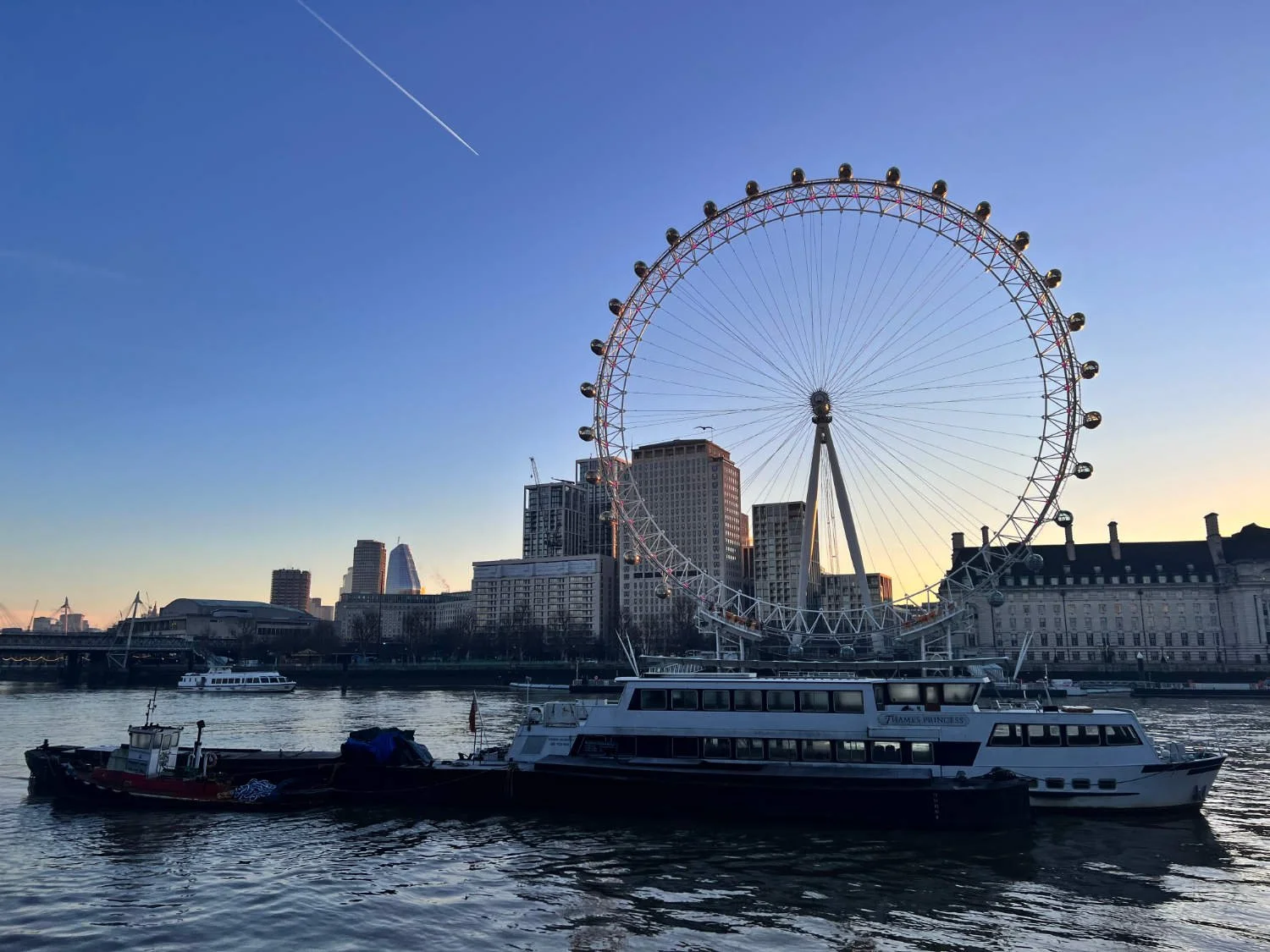
Back across the river on Westminster Bridge, the route joins London’s busiest cycleway passing a succession magnificent city vistas. The next few kilometres are without doubt, the world’s most splendid city rides. Each pedal stroke demands another stop to admire the views opening around you. Ministries and HQs of multinationals, The South Bank Centre, The London Eye, various re-purposed warehouses, old power stations. The dome of St. Paul’s Cathedral, the clusters of modernist City towers. There are memorials and camels and dolphins. Boats, London Plane trees, Law Courts and old Fish markets, Customs Houses. It is a ride through the nation’s brain - it’s power centre.
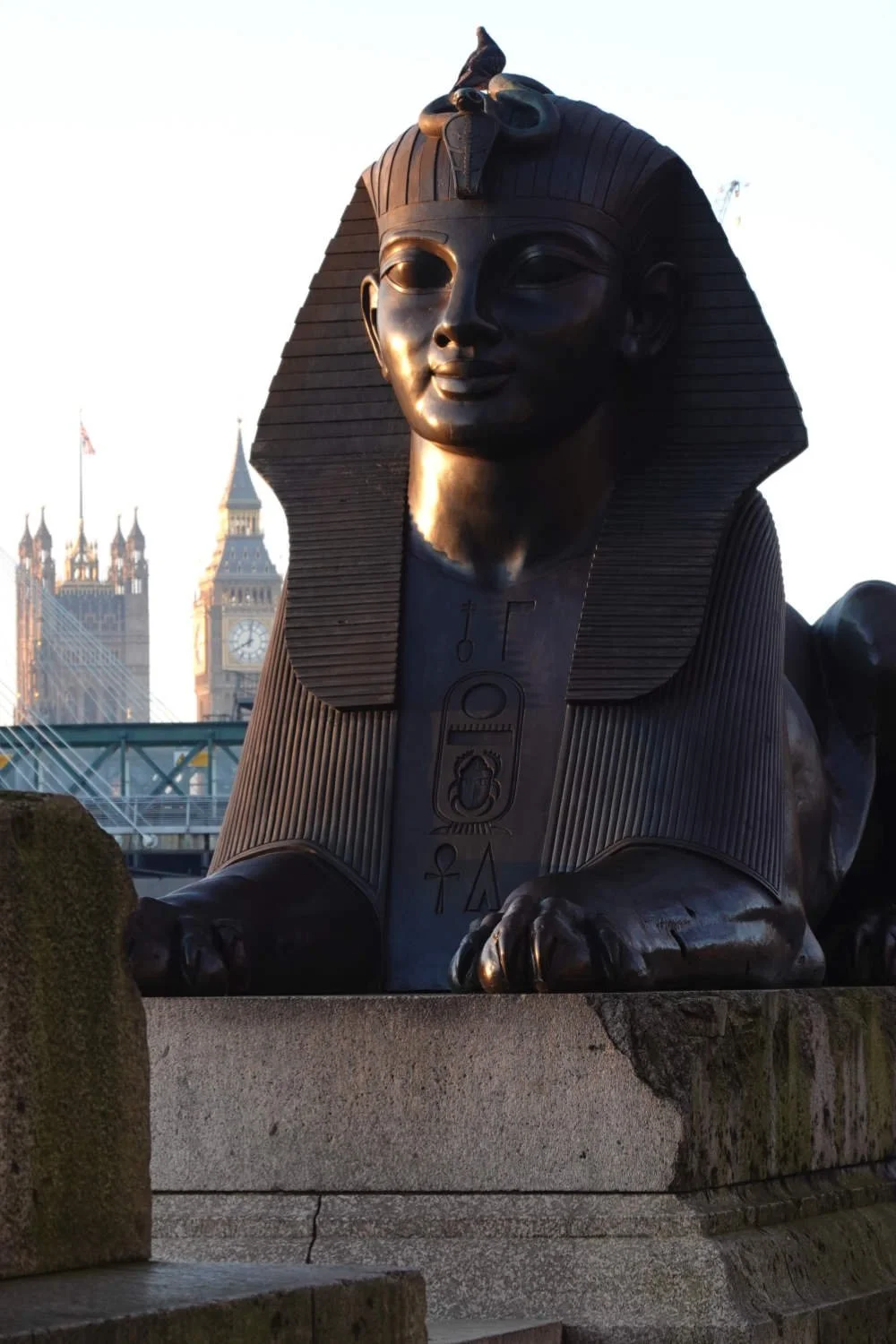
The Sphinx beside Cleopatra’s needle
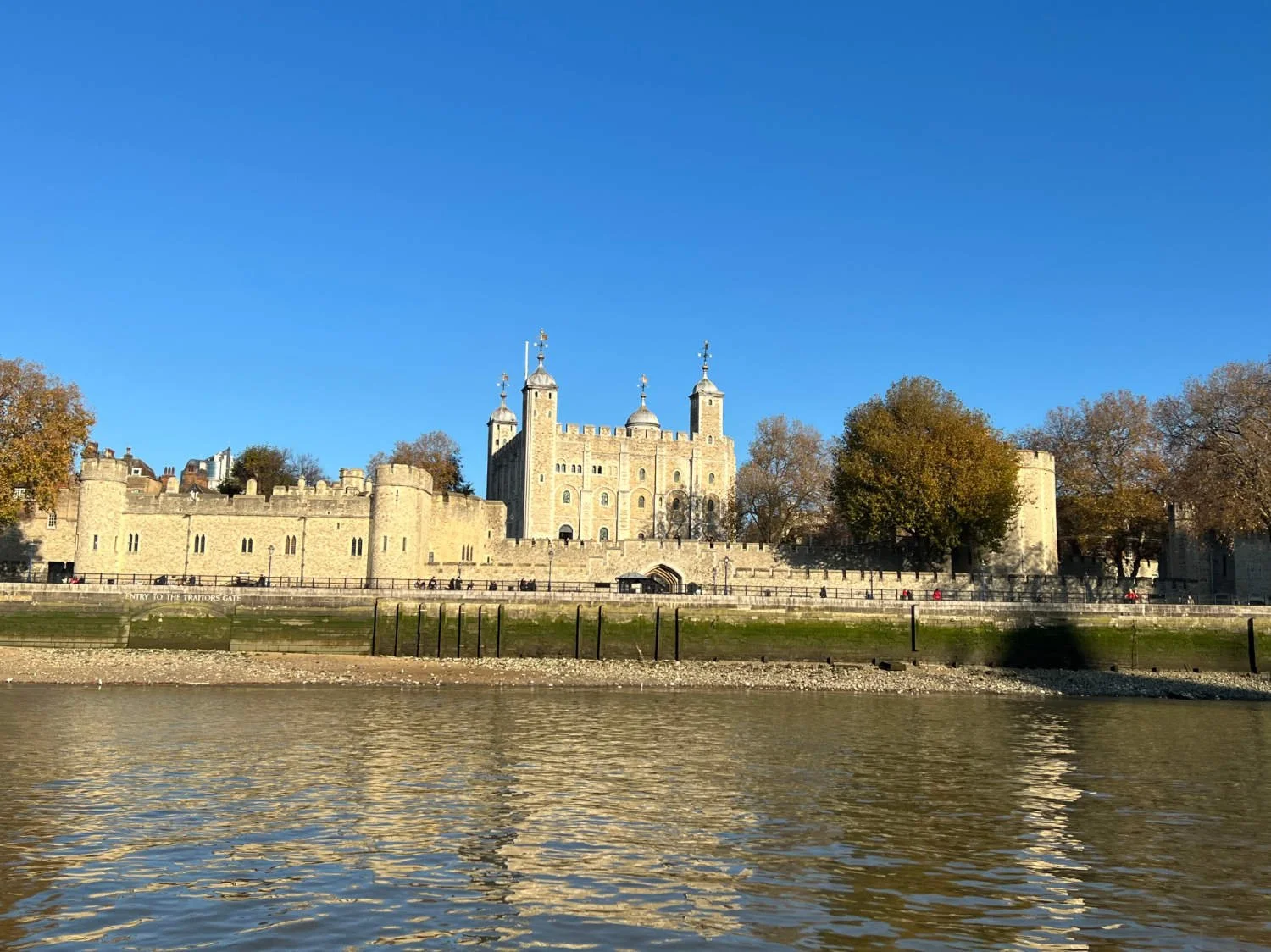
You emerge from a canyon of warehouses and city churches onto the crown of Tower Hill, where those who’d incurred the wrath of the state were executed. The pub, The Hung, Drawn and Quartered (very tourist orientated, there are better pubs ahead), recalls how they met their end. Ride past the Tower of London, its moat now flower-filled, its menagerie of exotic animals reduced to metal sculptures.
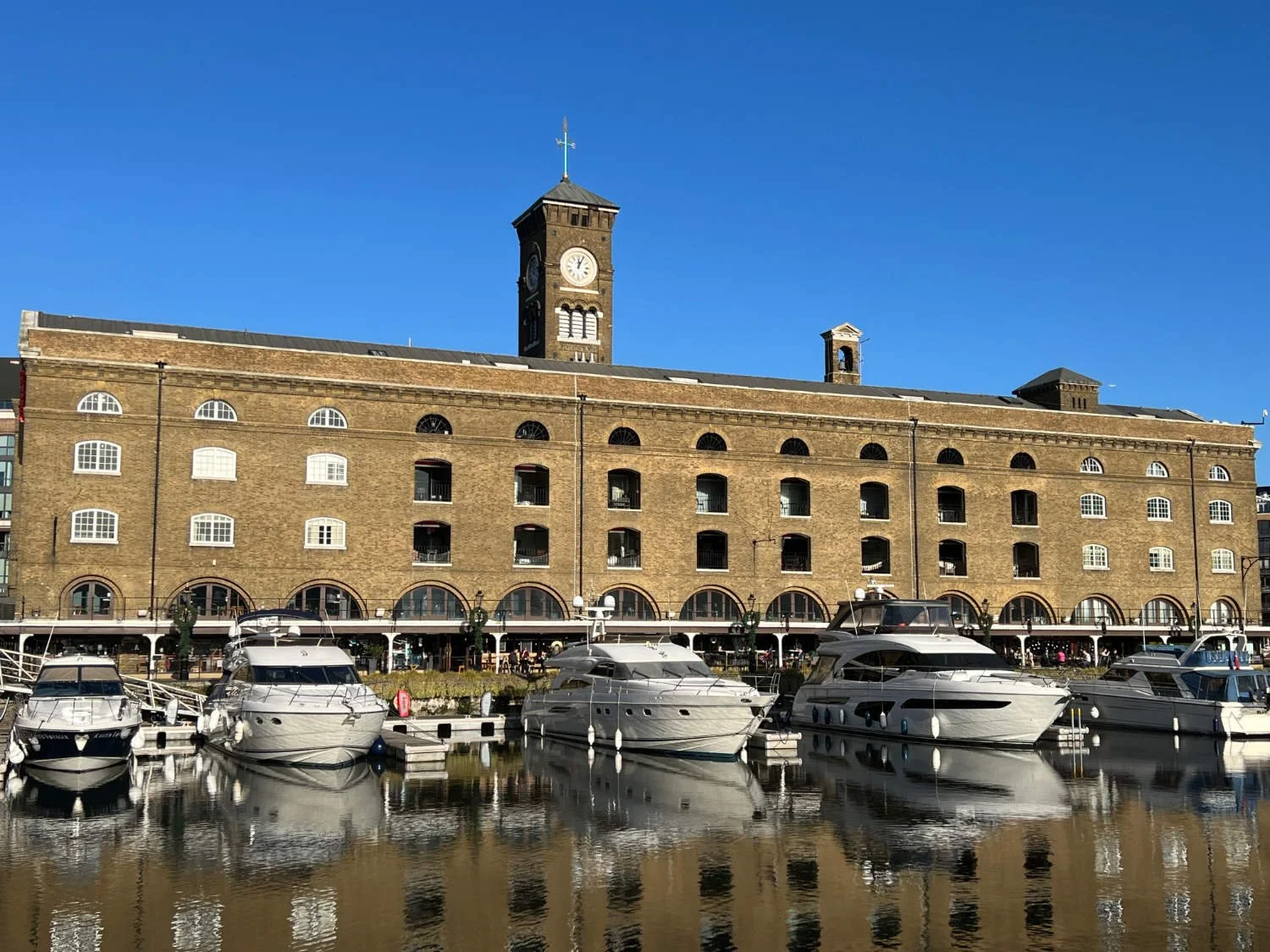
St Katherine’s Dock
From governance to commerce, the route now heads towards London’s Docks, once the heart of Empire and the centre of world trade. Even today, a third of Britain’s goods are imported via London, although the modern docks are way downstream. The transformation of the Docklands after their closure in the late 1970s from abandonment and dereliction is frankly astonishing. The serendipitous ride alongside canals, through parks, beside the curving river is a traffic-free cycle joy.
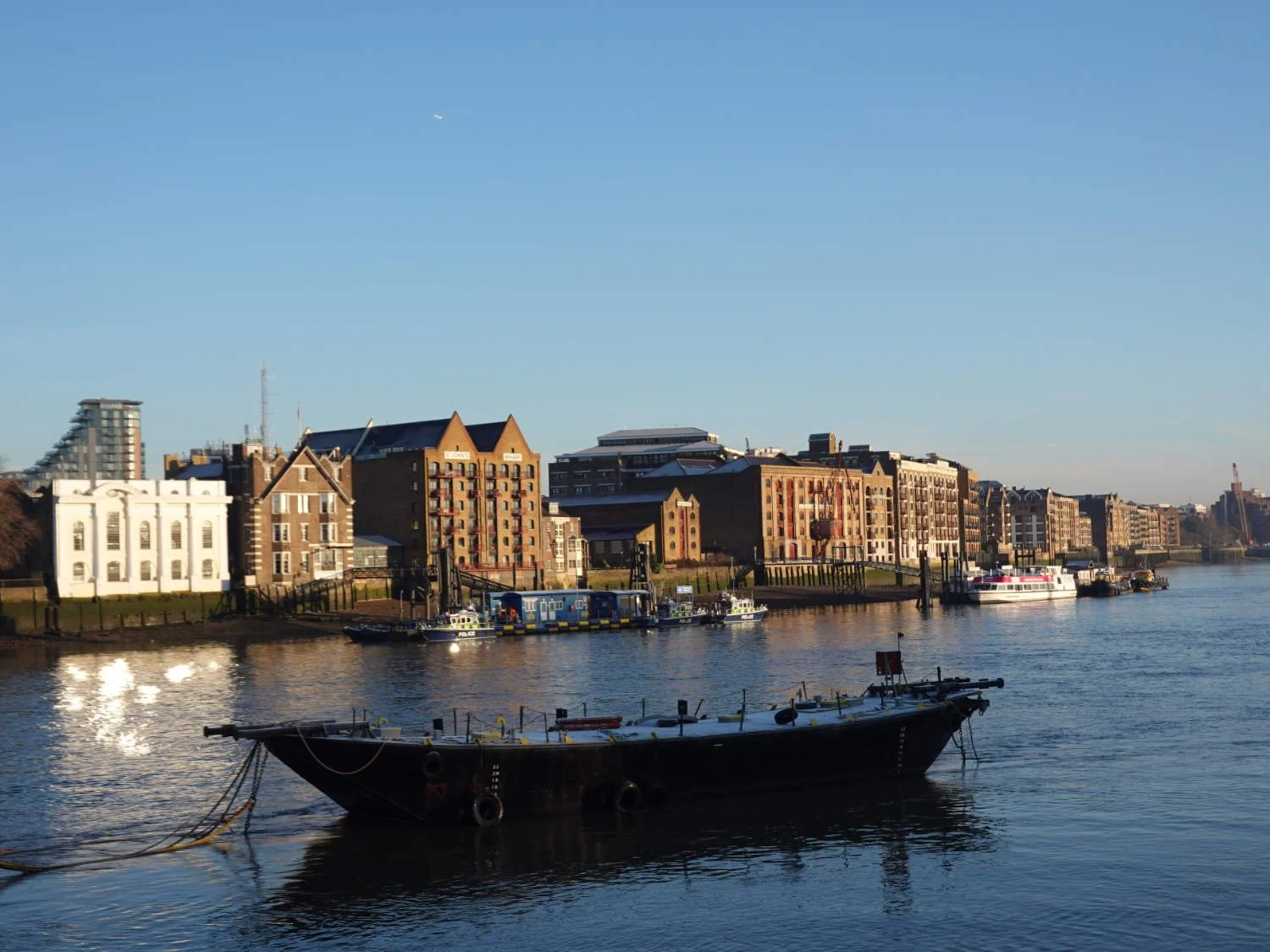
To Wapping now and its High Street. After the modernity of the re-imagined docklands, riding here seems as if you’ve ridden into some time preserved landscape. The streets are still cobbled and lined by London’s most impressive Victorian warehouses and you have expect barrow boys, carts and be-hatted and be-jacketed men to be bustling around. There are three historic riverside pubs and Wapping Stairs to walk down to the water’s edge where pirates were first tarred then hung in cages, as a warning to other seamen.
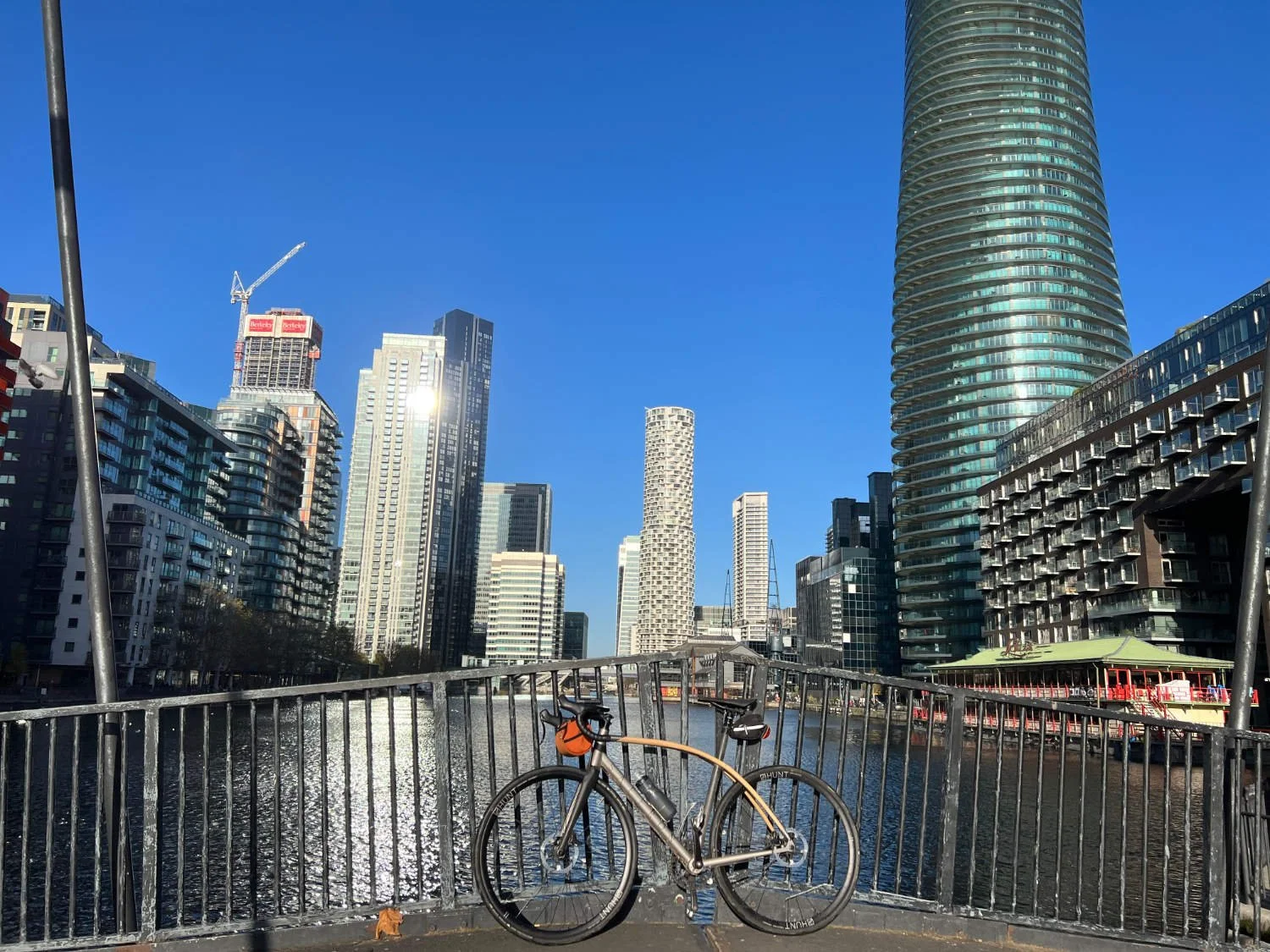
West India Docks
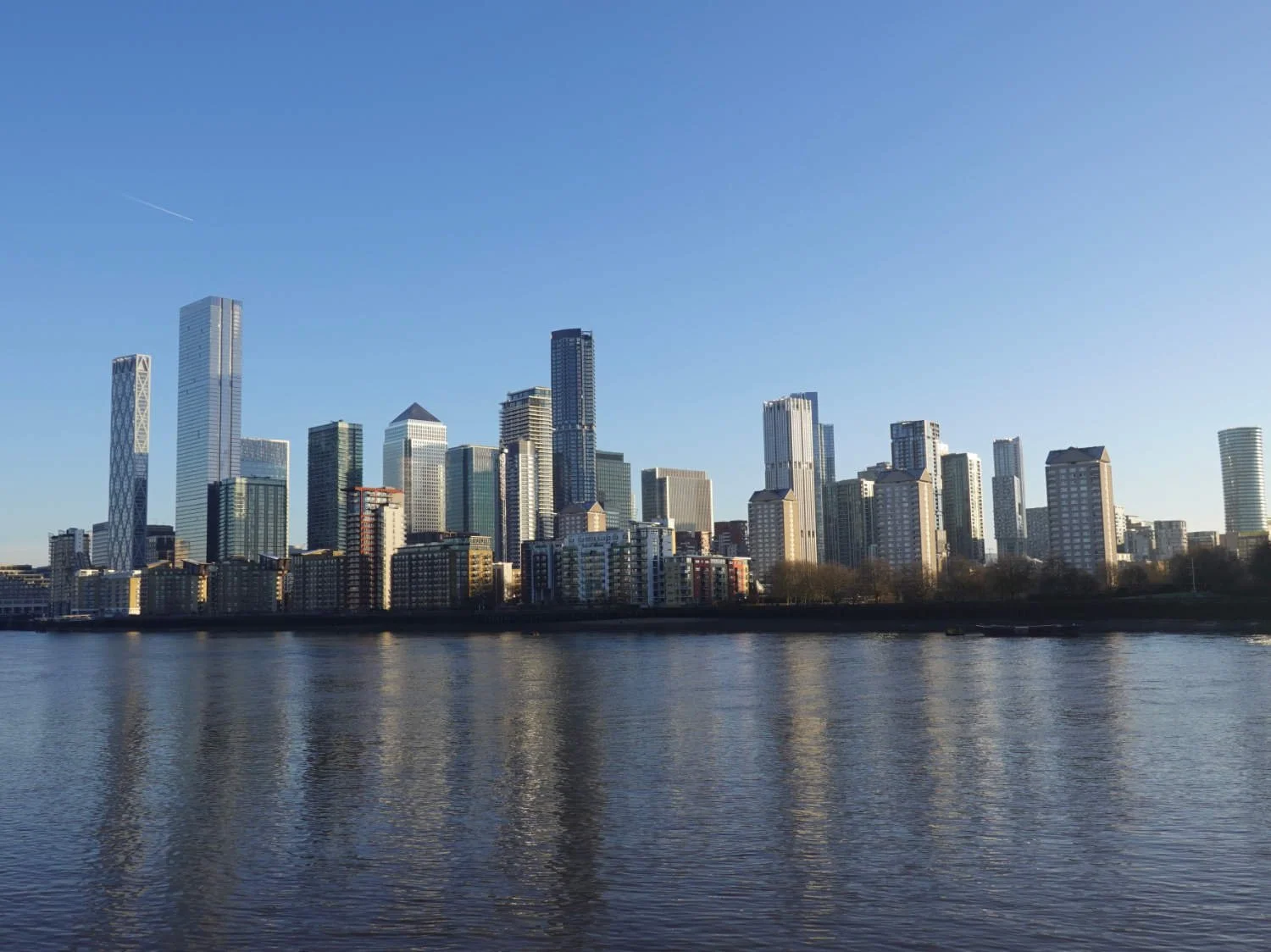
As you leave Wapping, you’ll see fistful of towers ahead glinting in the sun, or having their tops cut off by clouds depending on the day. Once marsh land where Henry VIII allegedly kept his hunting dogs - thus the name Isle of Dogs - it is now a thrilling land of monumental glass and steel set around the landscaped West India and Millwall Docks.
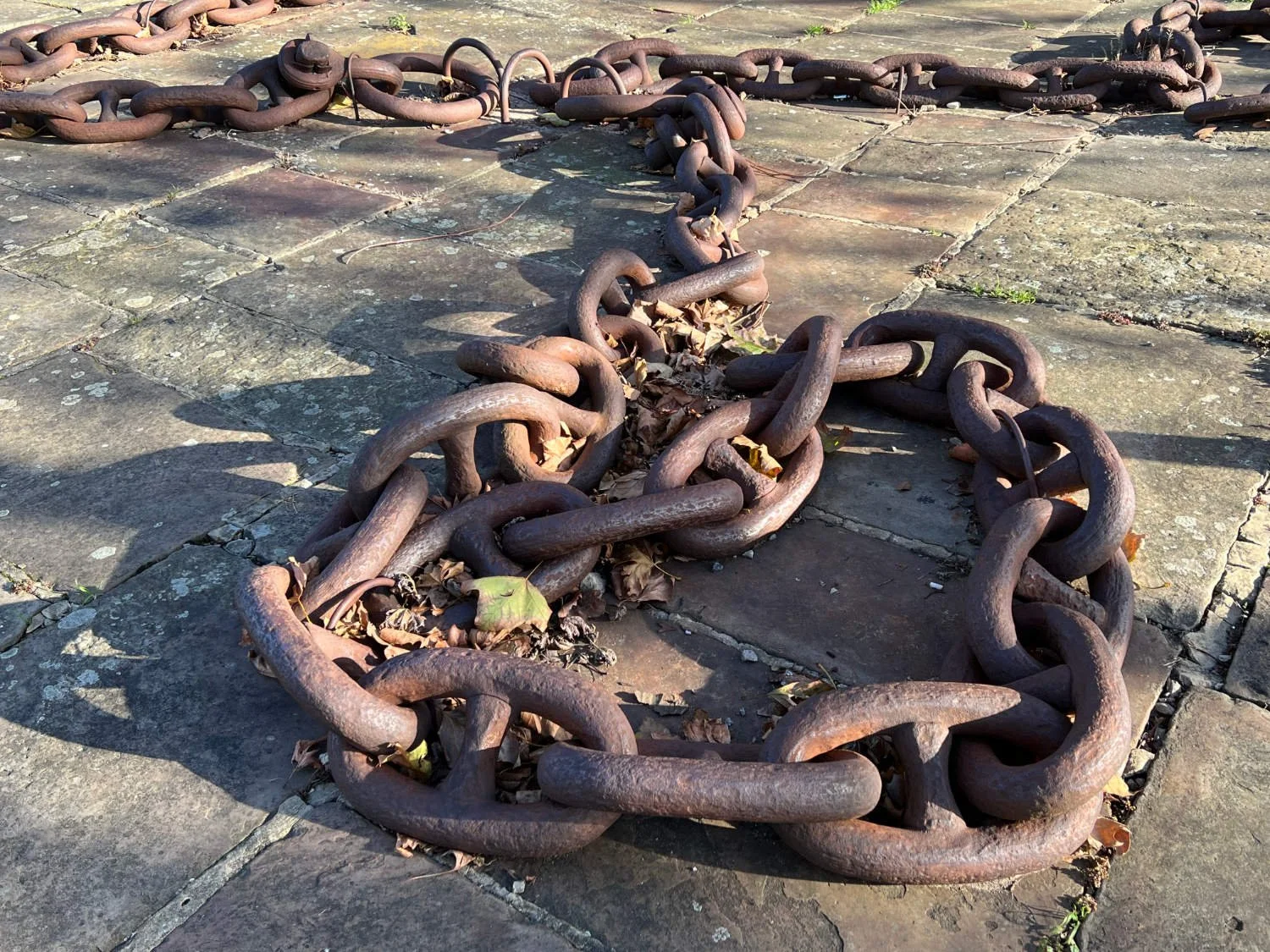
The chains of the Great Eastern
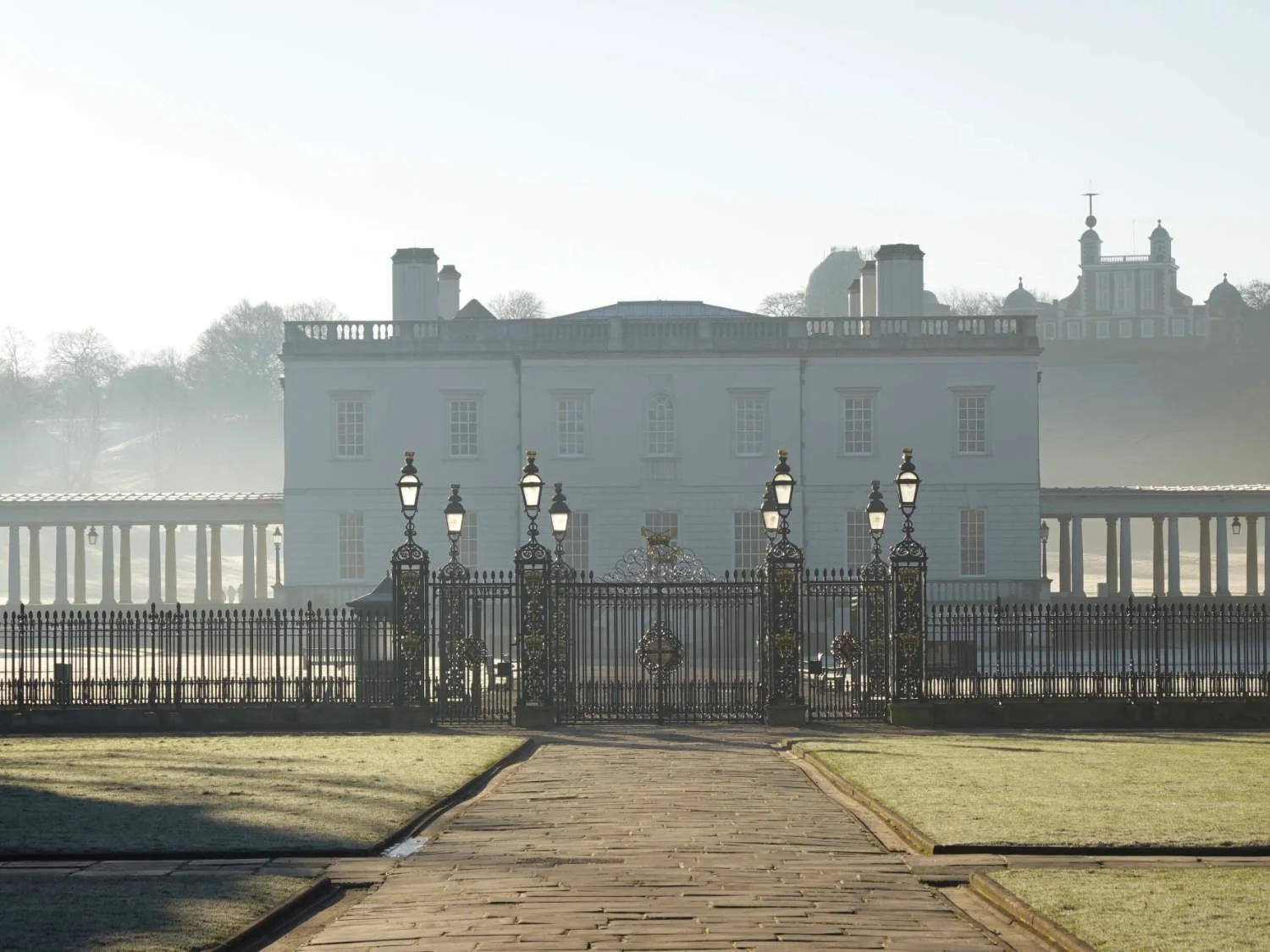
The massive chains seemingly strewn across the paved area on the apex of the river’s bend, once helped to launch the world’s largest vessel. The Great Eastern, designed by Isambard Kingdom Bruneld, was the most complex ship of its day and so fraught were the challenges that it led to Brunel’s early death. Note the much painted view of the Old Royal Naval College Greenwich, a world UNESCO Heritage Site, on the other side of the river.
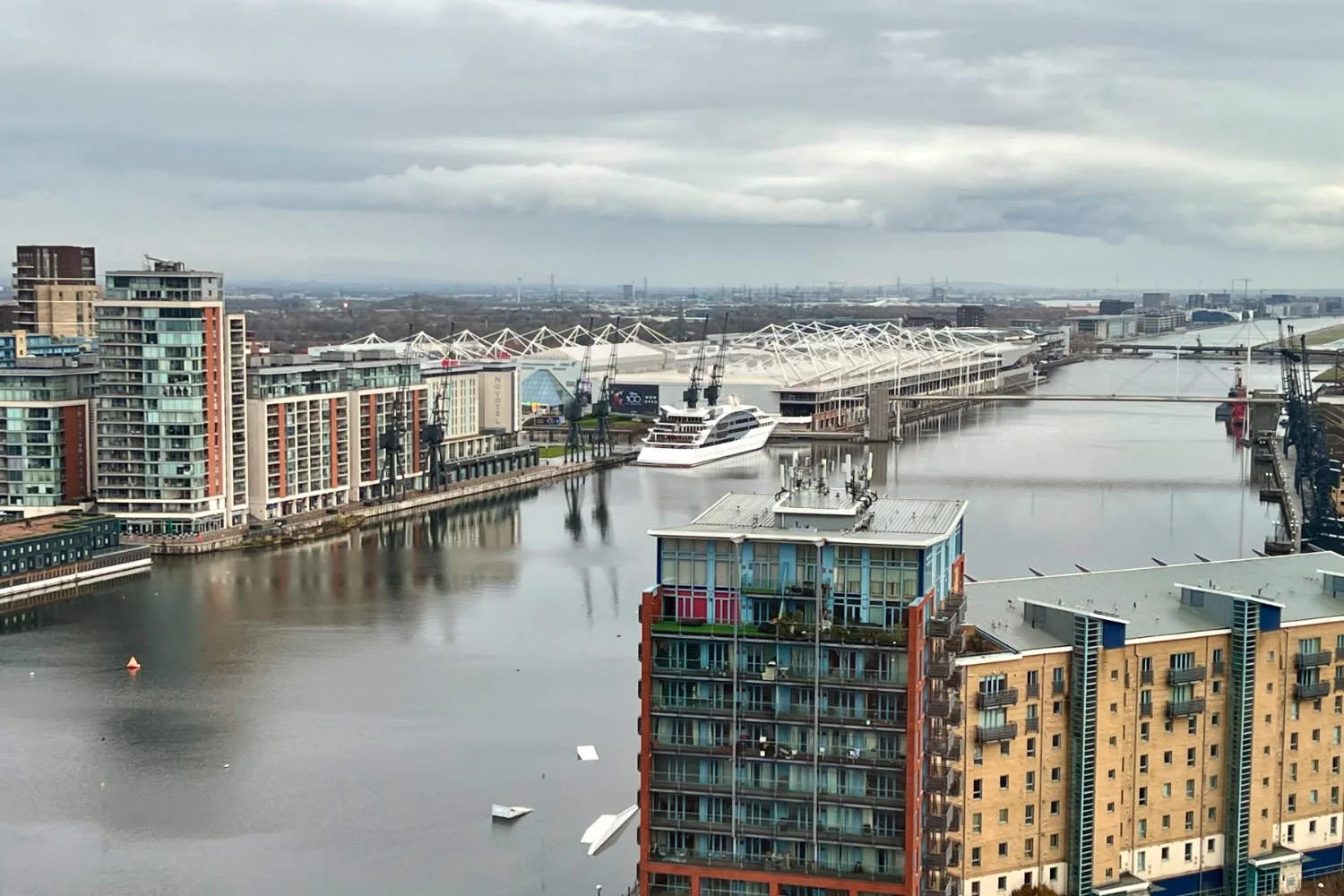
The Royal Docks from the IFS Cloud
Continue riding round the peninsula, passing The Gun, another of the Thames’s historical pubs and down a cobbled street on which Lord Nelson lived, before flying over the Thames - literally - on the IFS Cable Car. For all the derision surrounding former London Mayor Johnson’s vanity project, the ride does offer fabulous views of the city. Bikes enjoy a free ride.
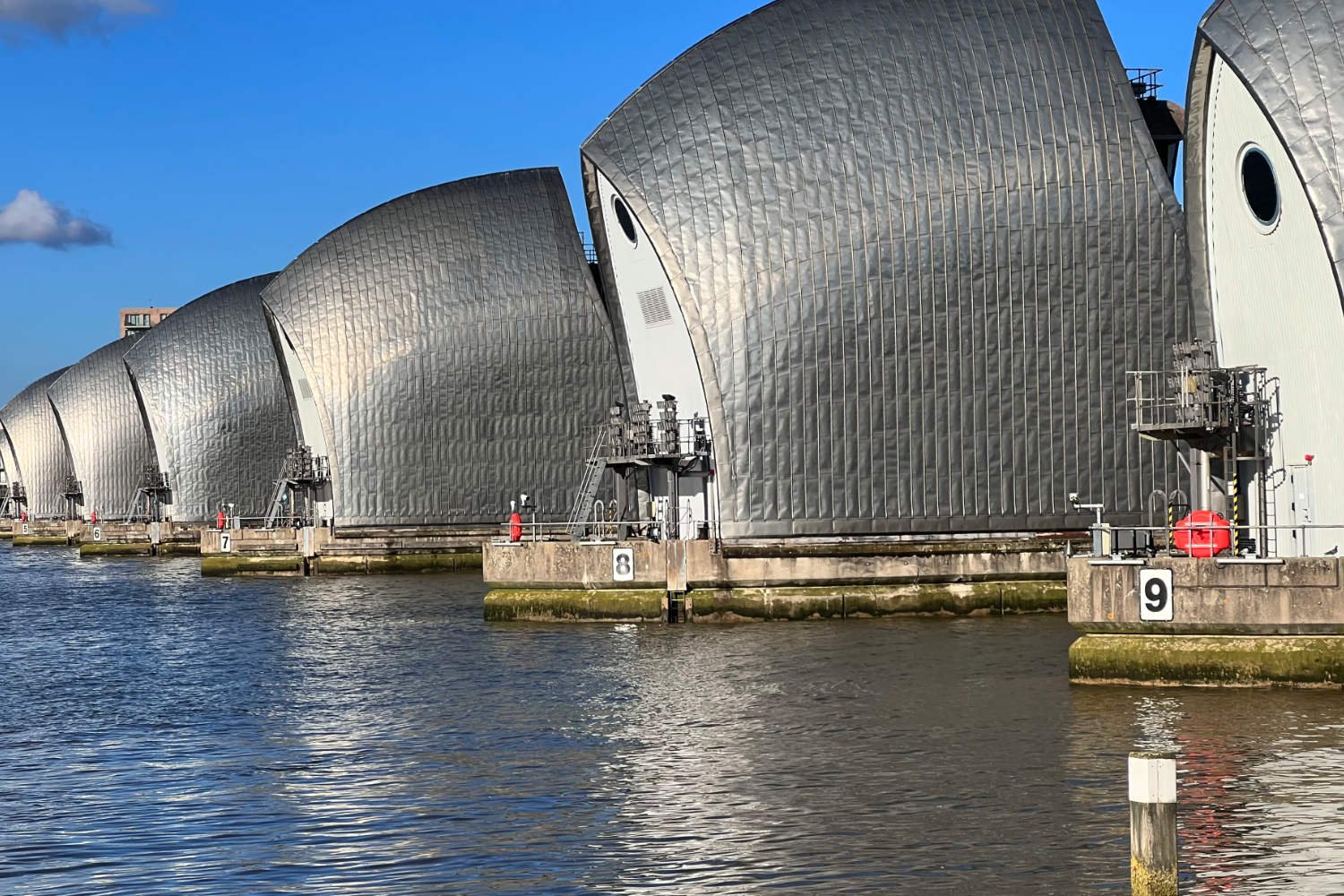
Thames Barrier
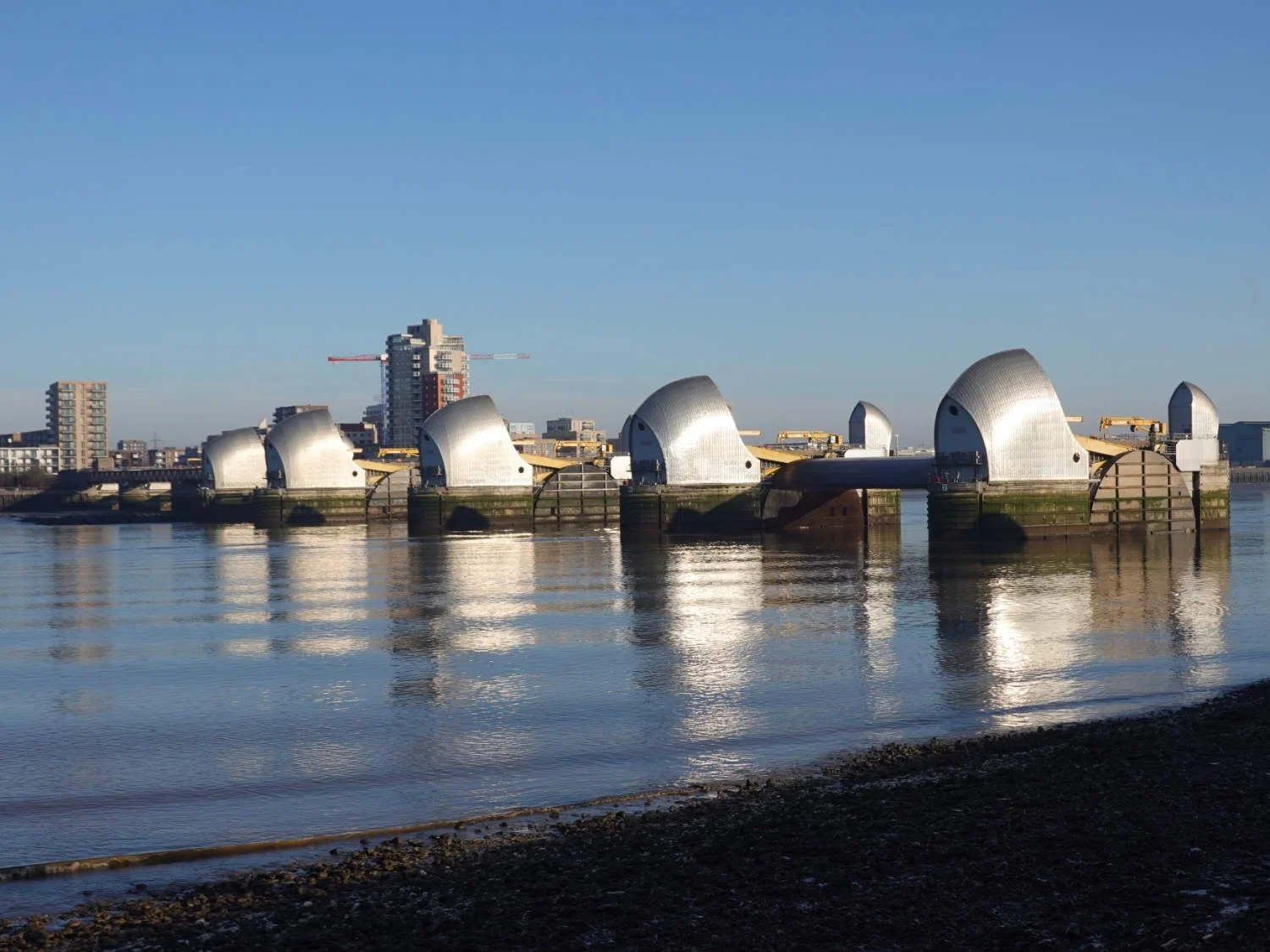
Back on earth, the Thames path widens and heads east. Industry replaces banking and finance, grace is exchanged for grit. Ride past the Angerstein Wharf, and its marine-dredged aggregates and the old Faraday centre where advances in telephony and ocean cabling were developed, past the silvered Thames Barrier, still looking futuristic, and even more essential to London’s security than it ever was.
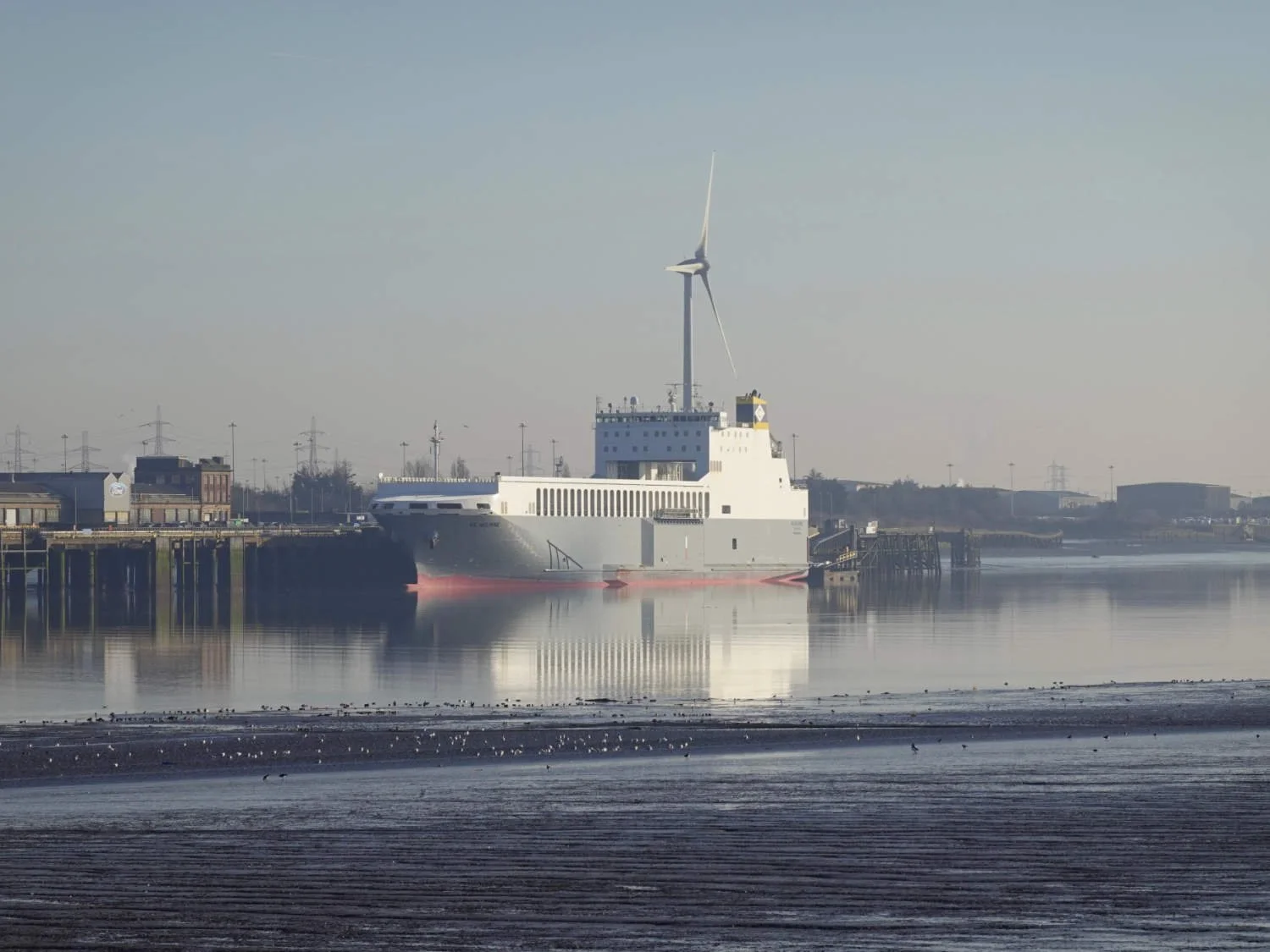
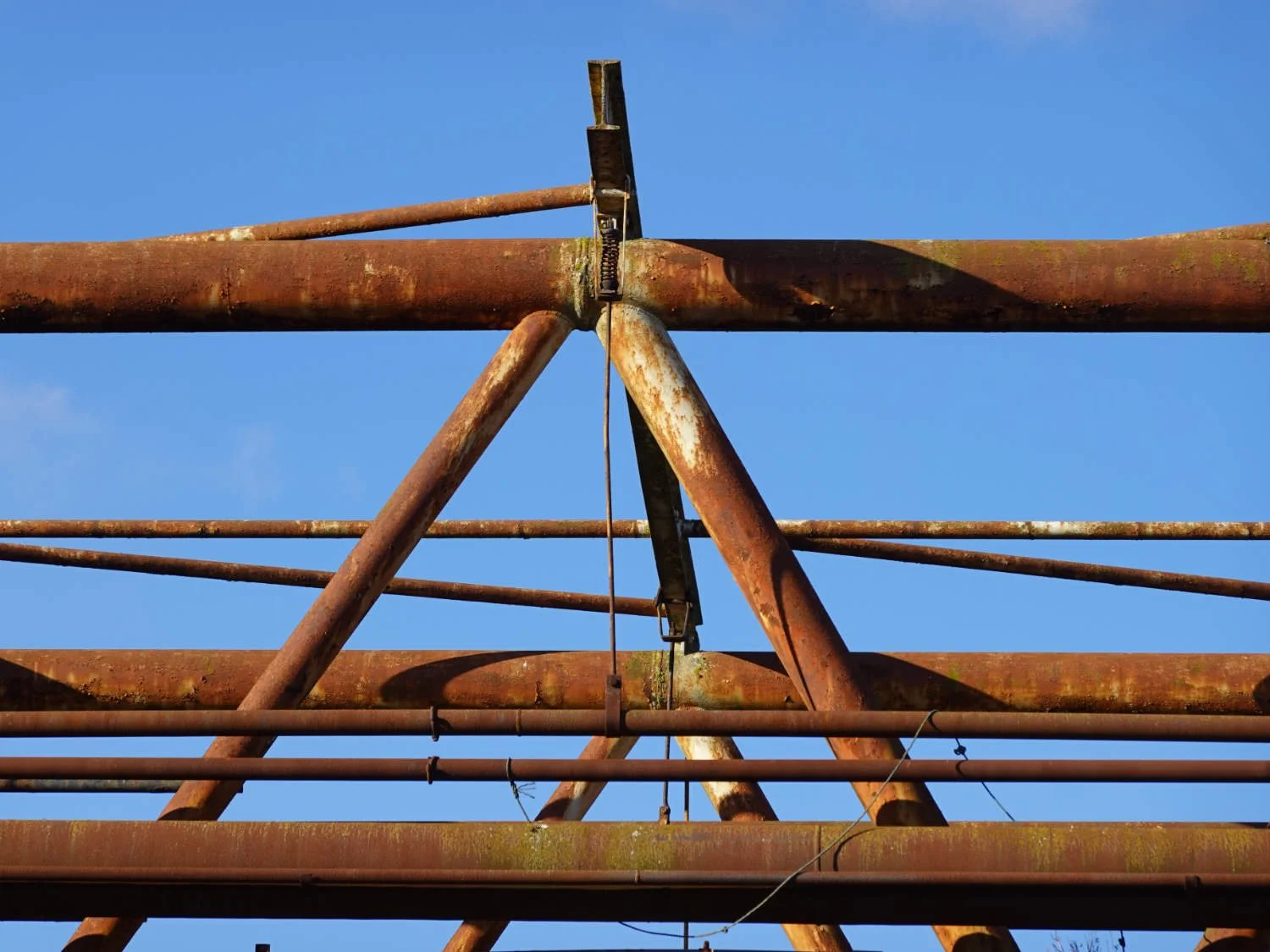
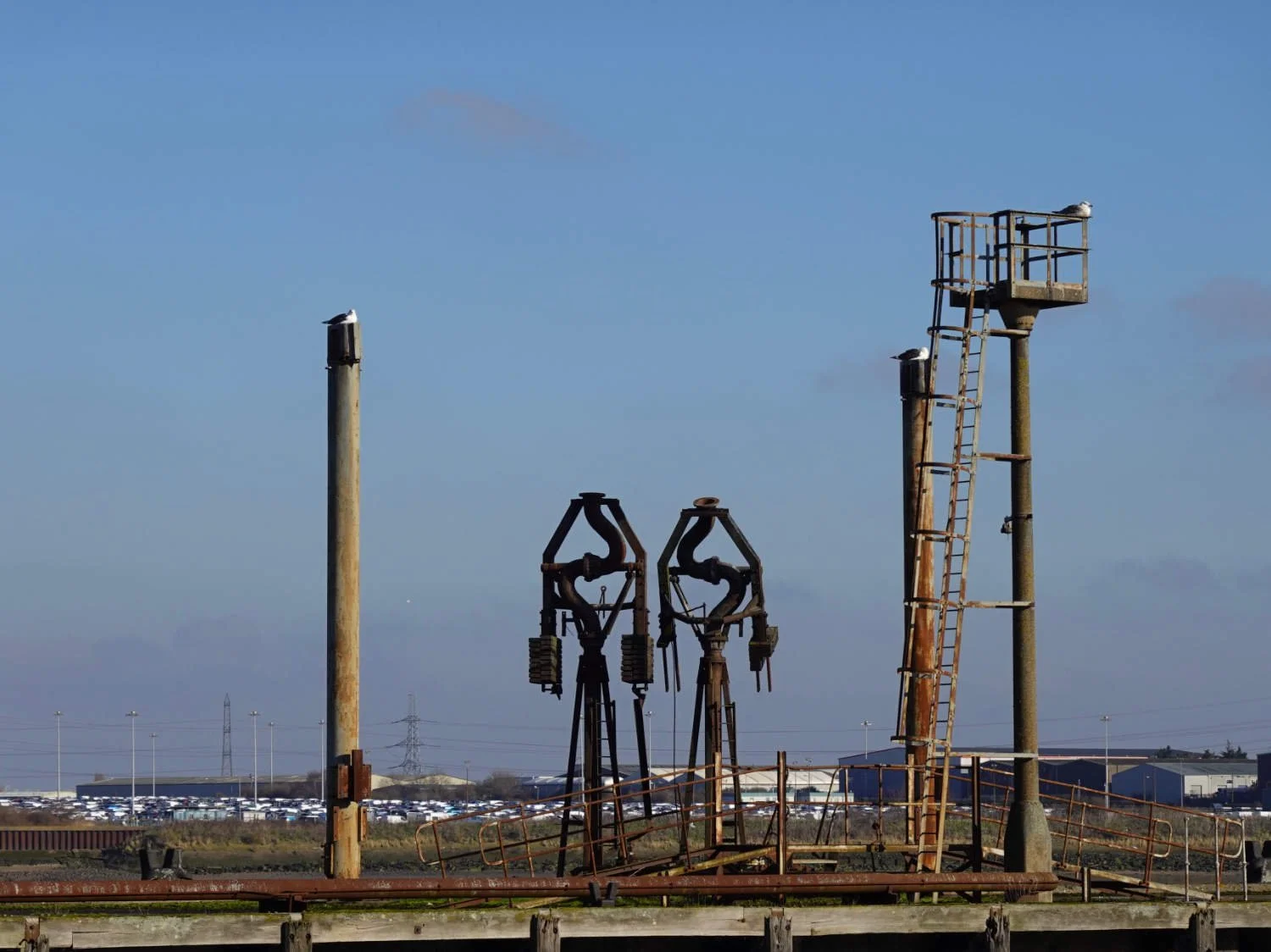
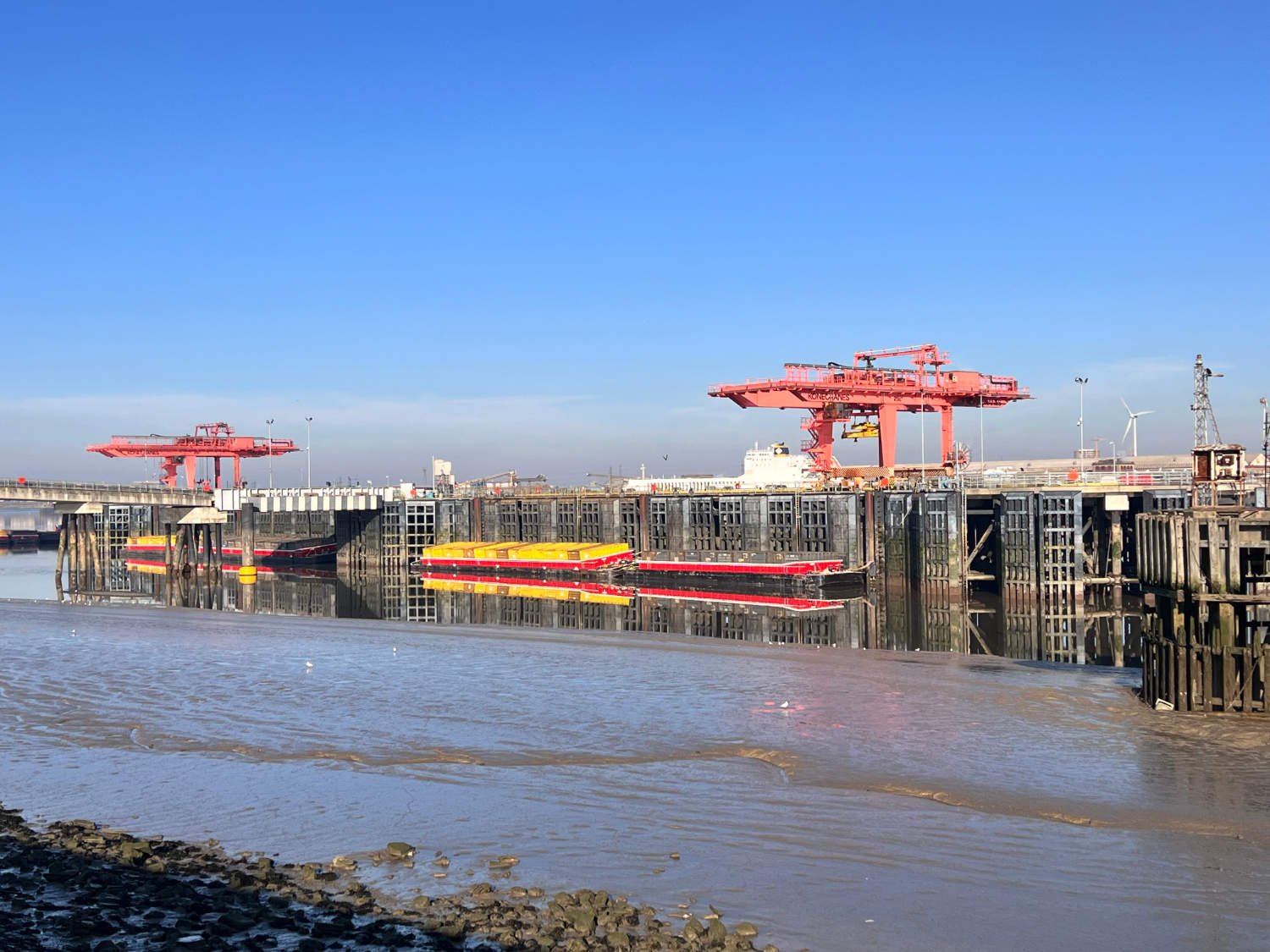
The far-eastern riverscape; a heady mix of decay and modern-industrial, of enterprise and neglect. The clanging of metal, whirring of fans and belts, colourful containers, conical mounds of aggregates. Ships unload cars and vans. Oil and gas storage cylinders arranged in rank and file. Twisted and abandoned metal on long abandoned quays and piers, rust streaks on the old gantries. And always the silent and widening river.
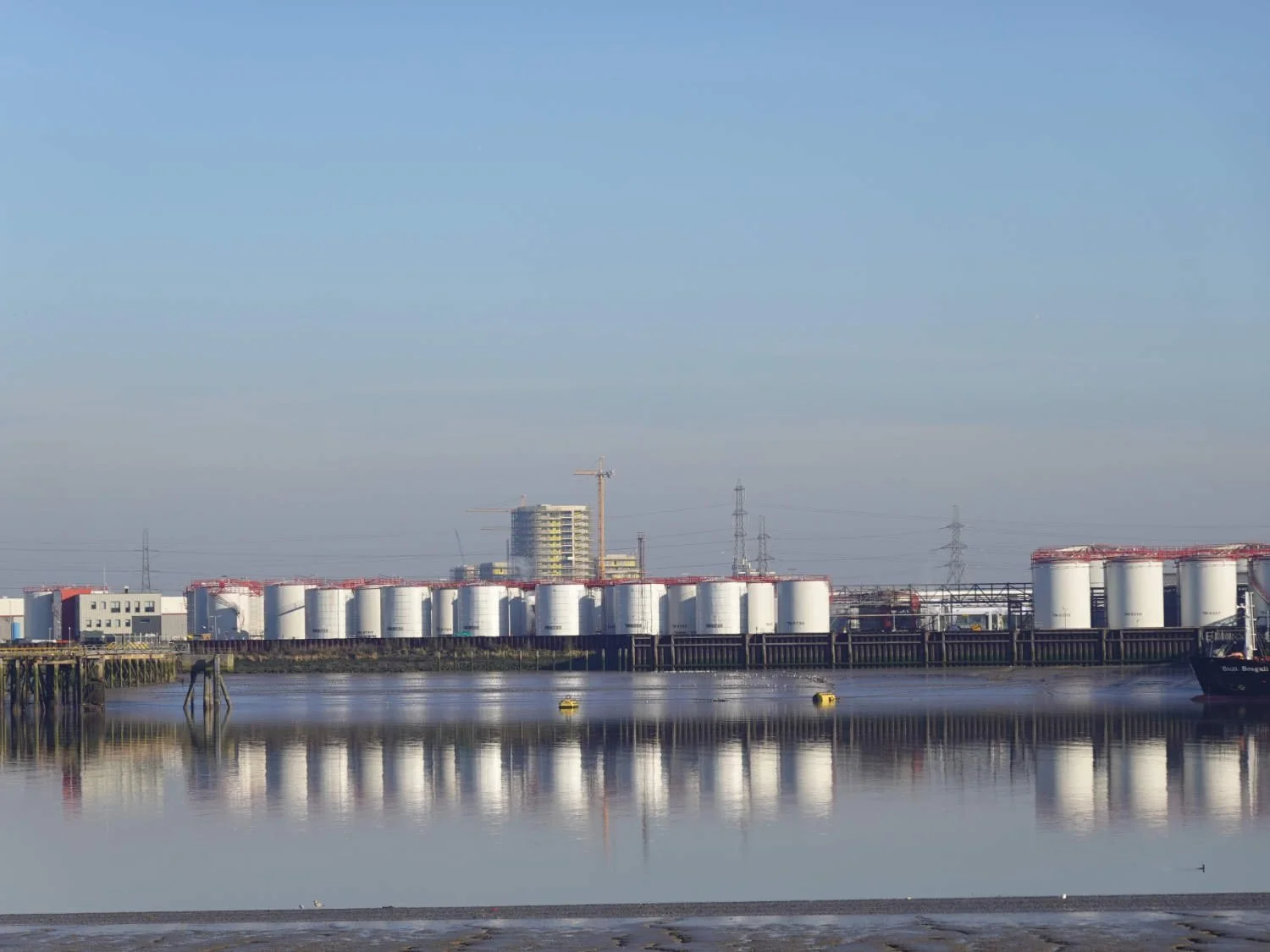
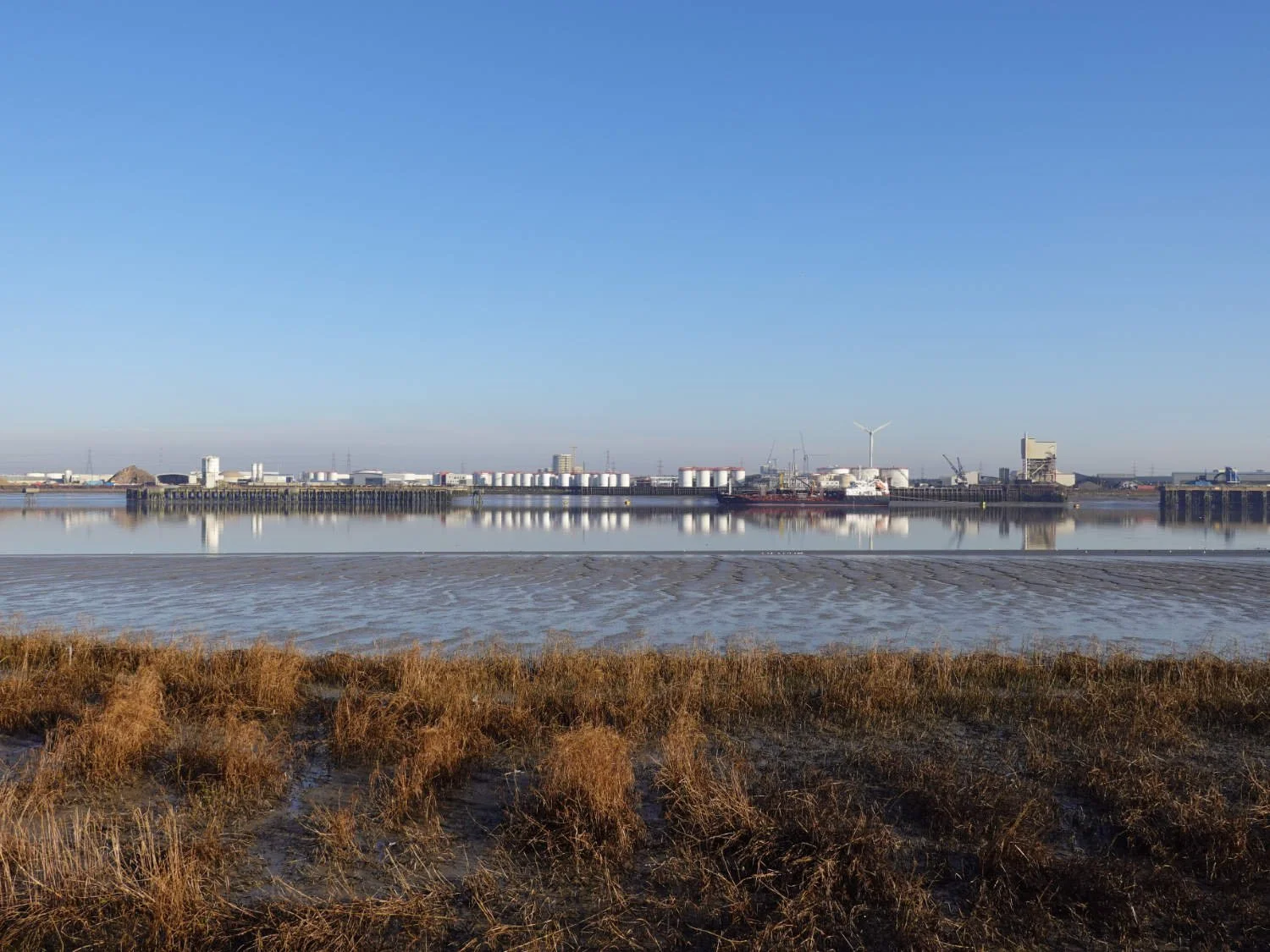
Petroleum and gas storage tanks, Dagenham
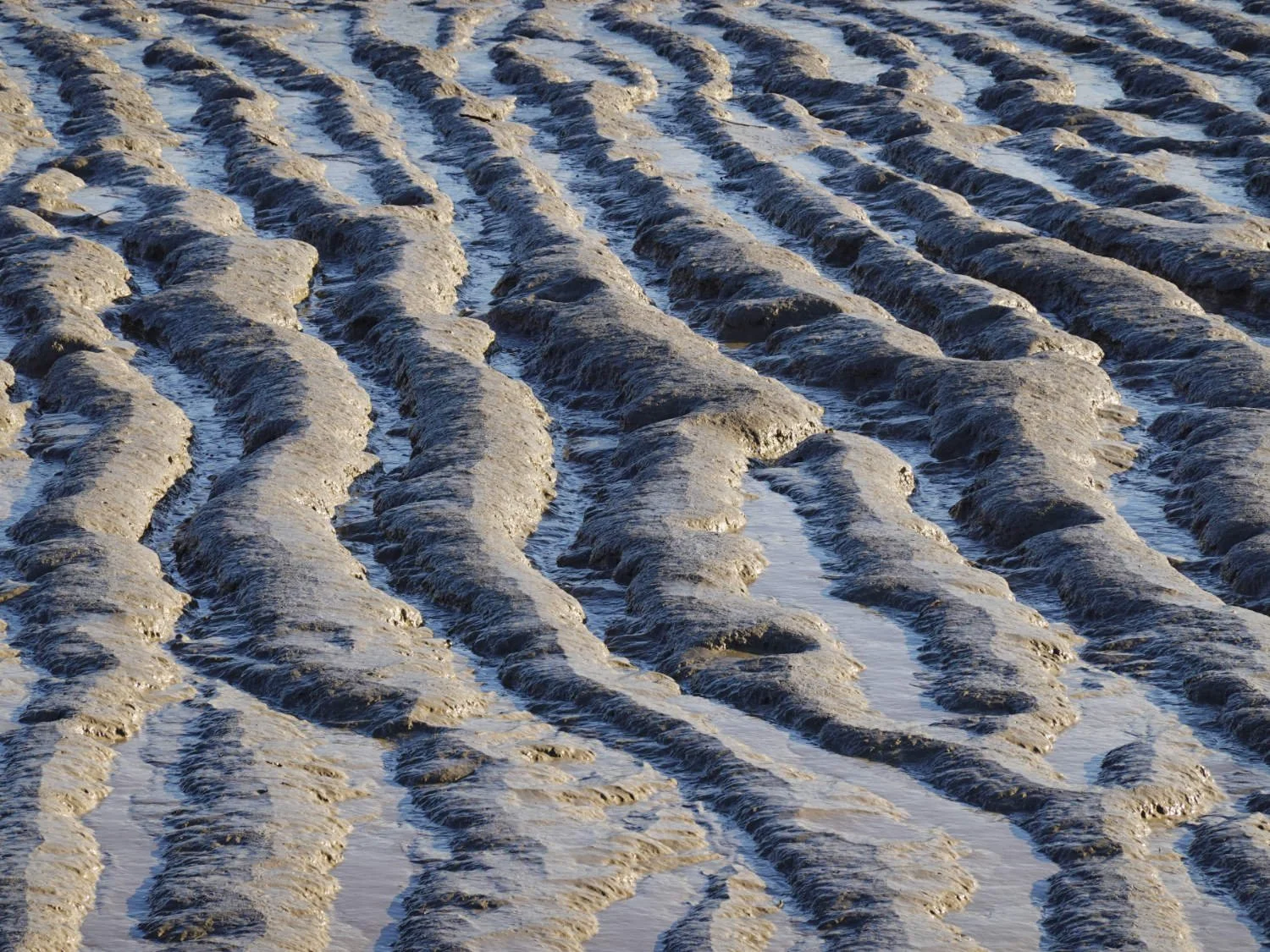
Over the last few kilometres, the contrast between the Arcadian Thames and its Eastern reaches could not be greater. For 200 years and more, the Estuary has been a place to dump sewage, refuse, prisoners and the infectious. It is both stridently industrial mixed with a wild and beauteous emptiness. Riding on London’s widest and least used cyclepath you pass sewage, incinerators and recycling centres, all archtecturally striking. The “Cathedral of Sewage’ a Victorian masterpiece of wrought iron, is worth a visit should you pass on an open day. Here, the sky is huge, the river wide, the city far behind. The river’s rich mud is picked over by redshanks, plovers, egrets, and other migrating wildfowl. Here, on London’s eastern fringe, is an avian winter dream destination.
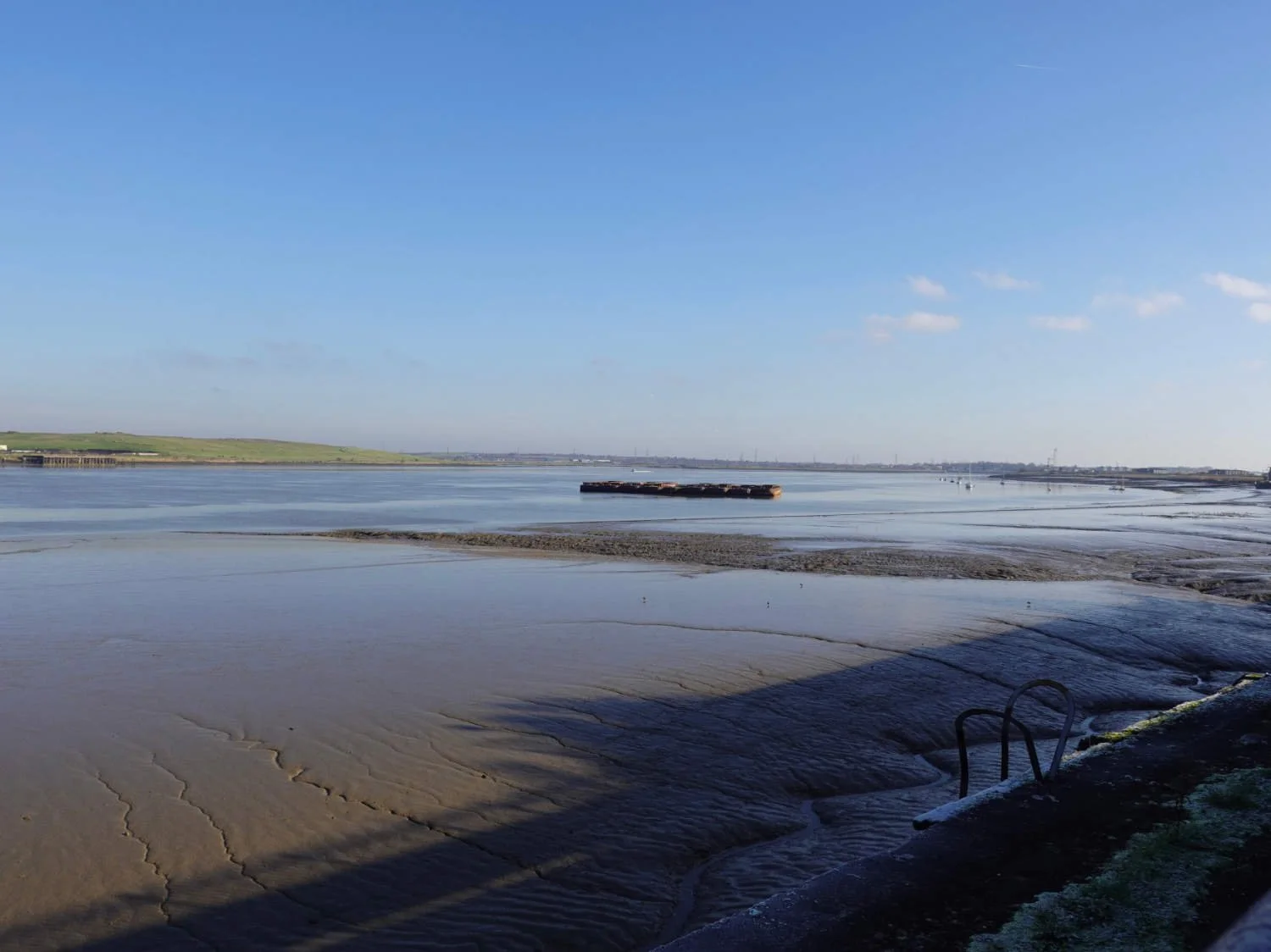
Erith Rands
Ride to the end of Erith’s pier, London’s end as well as its beginning. Here, ‘the sea-reach of the Thames stretches before you like the beginning of an interminable waterway…. leading to the uttermost ends of the earth’ (Joseph Conrad). If the silvered light is not too blinding look out for some of the 4,000 plus seals who call the Thames home. There’ll be fishermen hoping for a catch of dabs or bass.
You may find that the landscape here is so beguiling that you are compelled to continue beyond London’s boundary, along the estuary to the sea. It is a magnificent ride, melancholic, remote, uplifting and beautiful. Or, to explore the whole of London’s river from both banks. Now there’s a route which calls out to be ridden.
Every route on this website has been carefully researched as well as ridden. However situations on the ground can change quickly. If you know of changes to this route, or cafes, pubs and the like which you think other cyclists need to know about, feel free to share your thoughts below.
If you enjoyed this guide, why not subscribe to the website so as not to miss other inspirational routes?
wheremywheelsgo.uk is a Feedspot UK Cycling top website