85km Hadrian's Cycleway -Ravenglass to Silloth
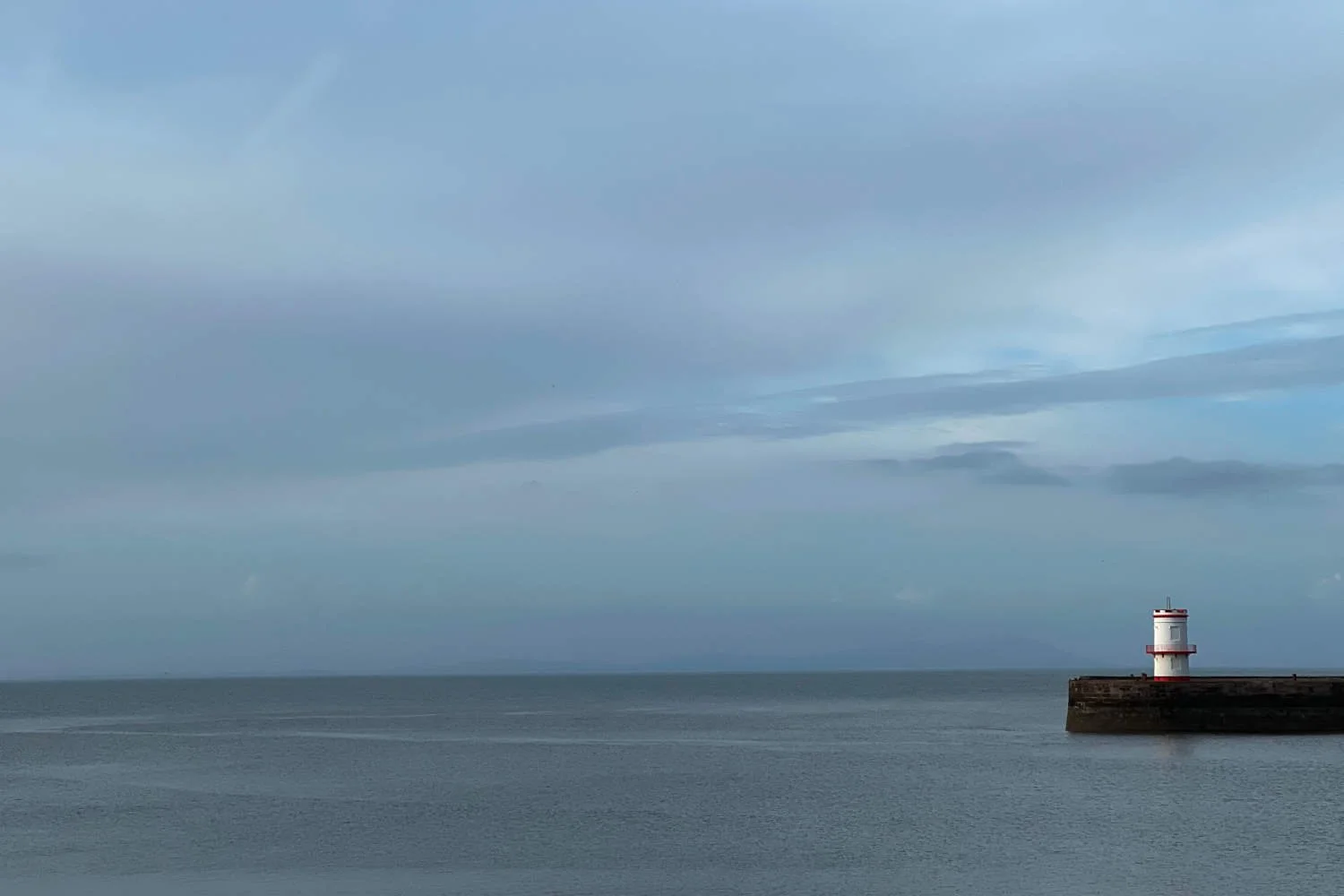
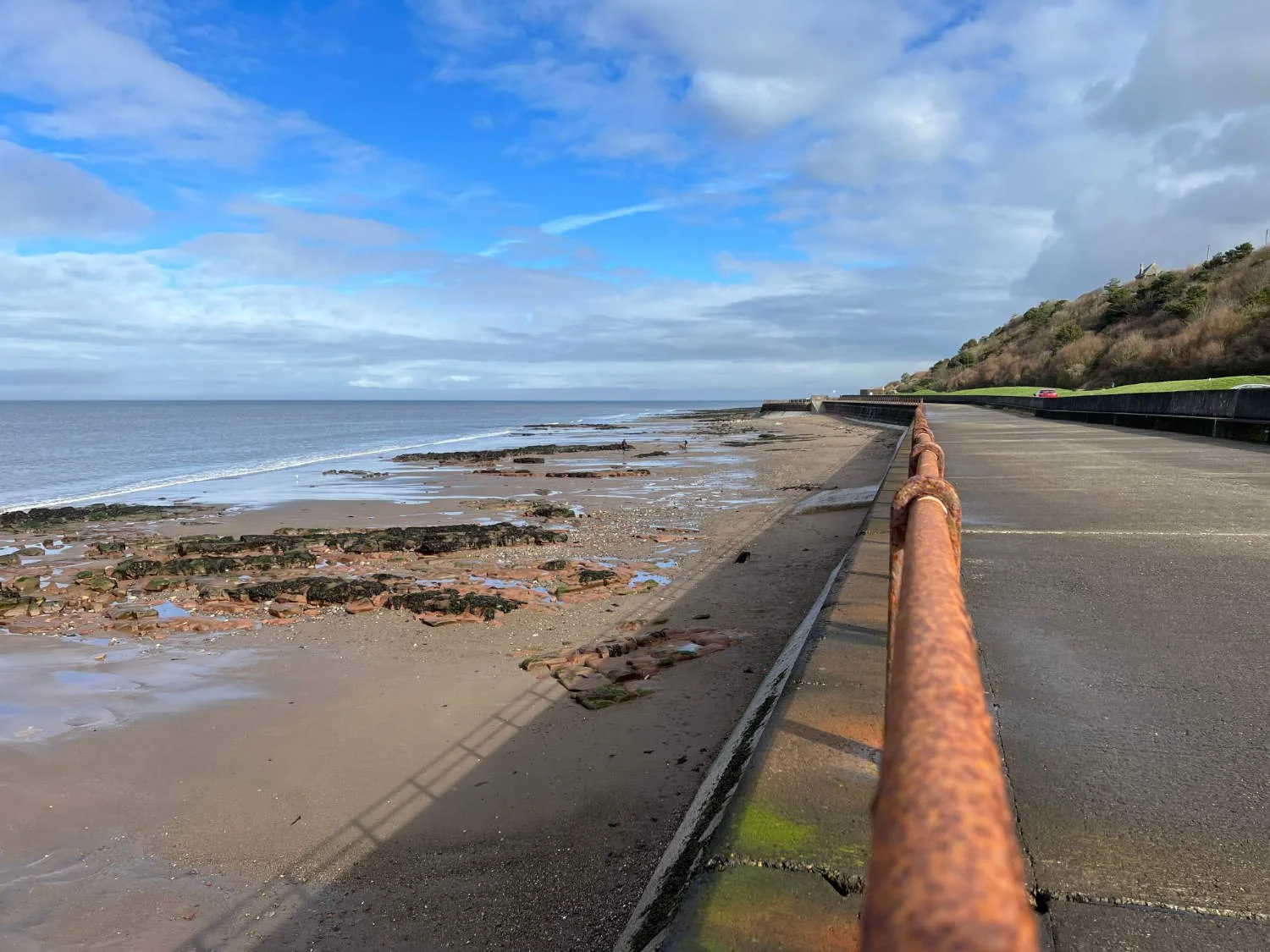
The Irish Sea beyond Whitehaven’s Sea Wall
Ride overview
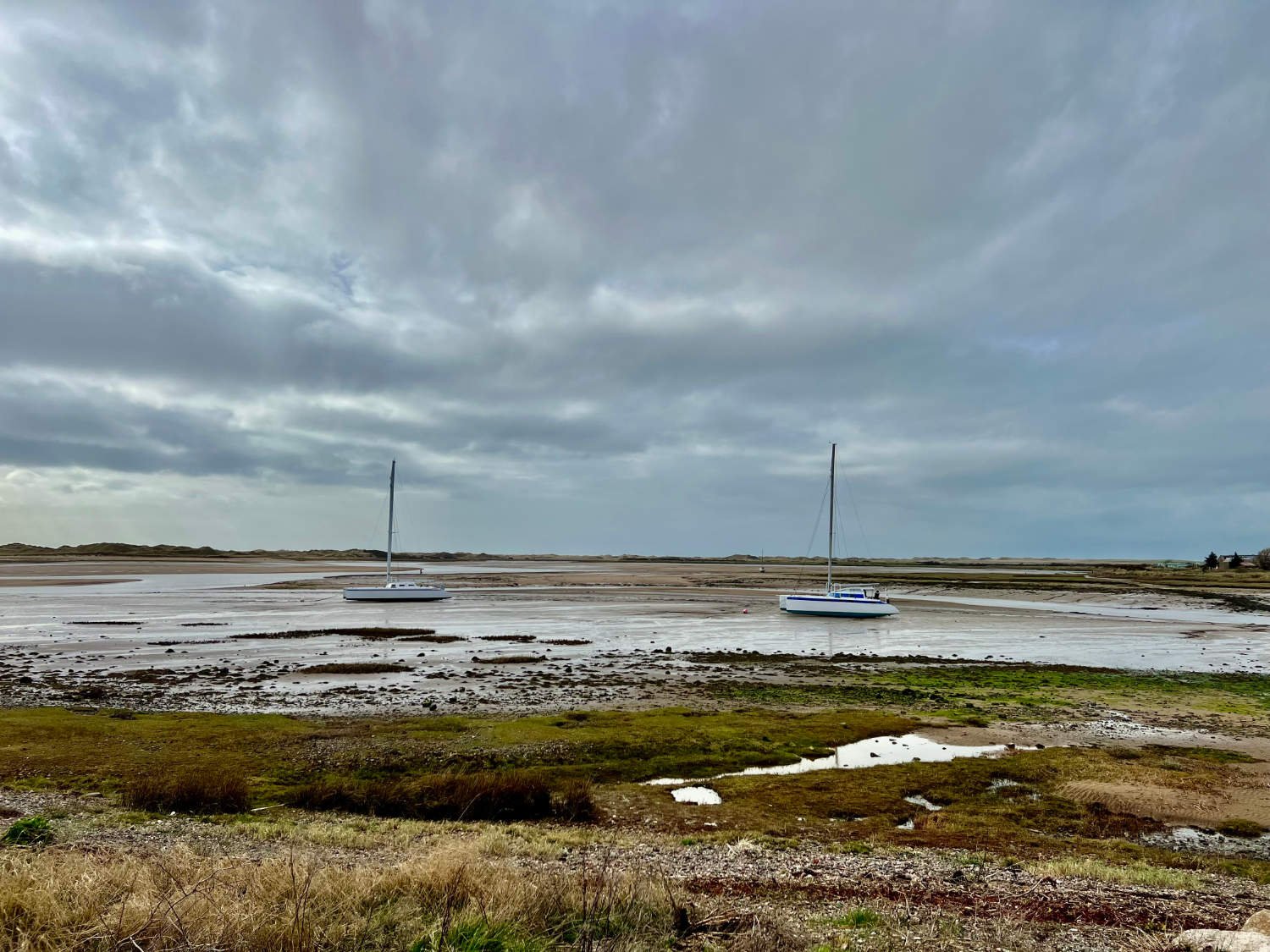
As coastal rides go, this is up there with the best: wide sandy bays, traffic-free cycle paths, robustly-walled houses facing the turmoils of the sea. Huge skies and salty air. Wind. Oh yes, the wind off the Irish Sea adds another layer or 6 not just to your clothing but to the efforts required to keep going forwards. Add to all this some historic ports, including the only one to have come under American bombardment, a nuclear processing plant, old coal mines marked by sculptures and installations views across to the Lakeland Fells. The day finishes in Silloth, ‘the jewel of the Cumbrian Riviera’.

Ride Practicalities
START/FINISH: Ravenglass DISTANCE: 85km TOTAL ASCENT: 494m TERRAIN AND SURFACES: Traffic-free cycle lanes, coastal paths, and quiet roads. A gravel/touring/hybrid bike with more than 28mm tyres RECOMMENDED EAT/DRINK/SLEEP: Ravenglass: The Inn at Ravenglass, Silloth: The Queen’s Hotel,NEARBY MAINLINE TRAIN SERVICES: Ravenglass, Whitehaven, Workington, Maryport, Silloth PLACES TO VISIT; Ravenglass: Glannaventa, Maryport: Alana LINKS TO OTHER RIDES: The Solway Firth
Ride Notes
The Solway Coast and Western Cumbria
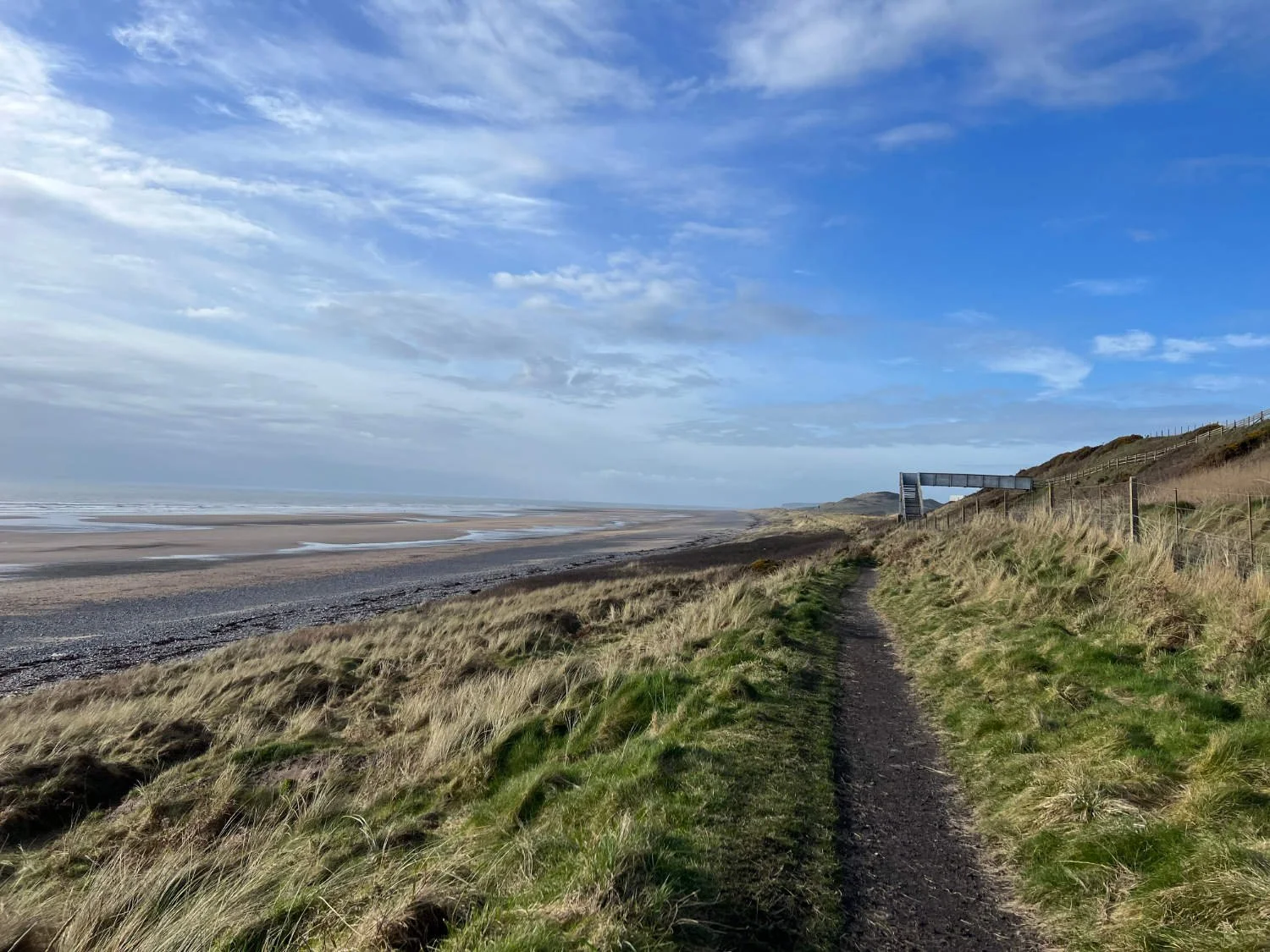
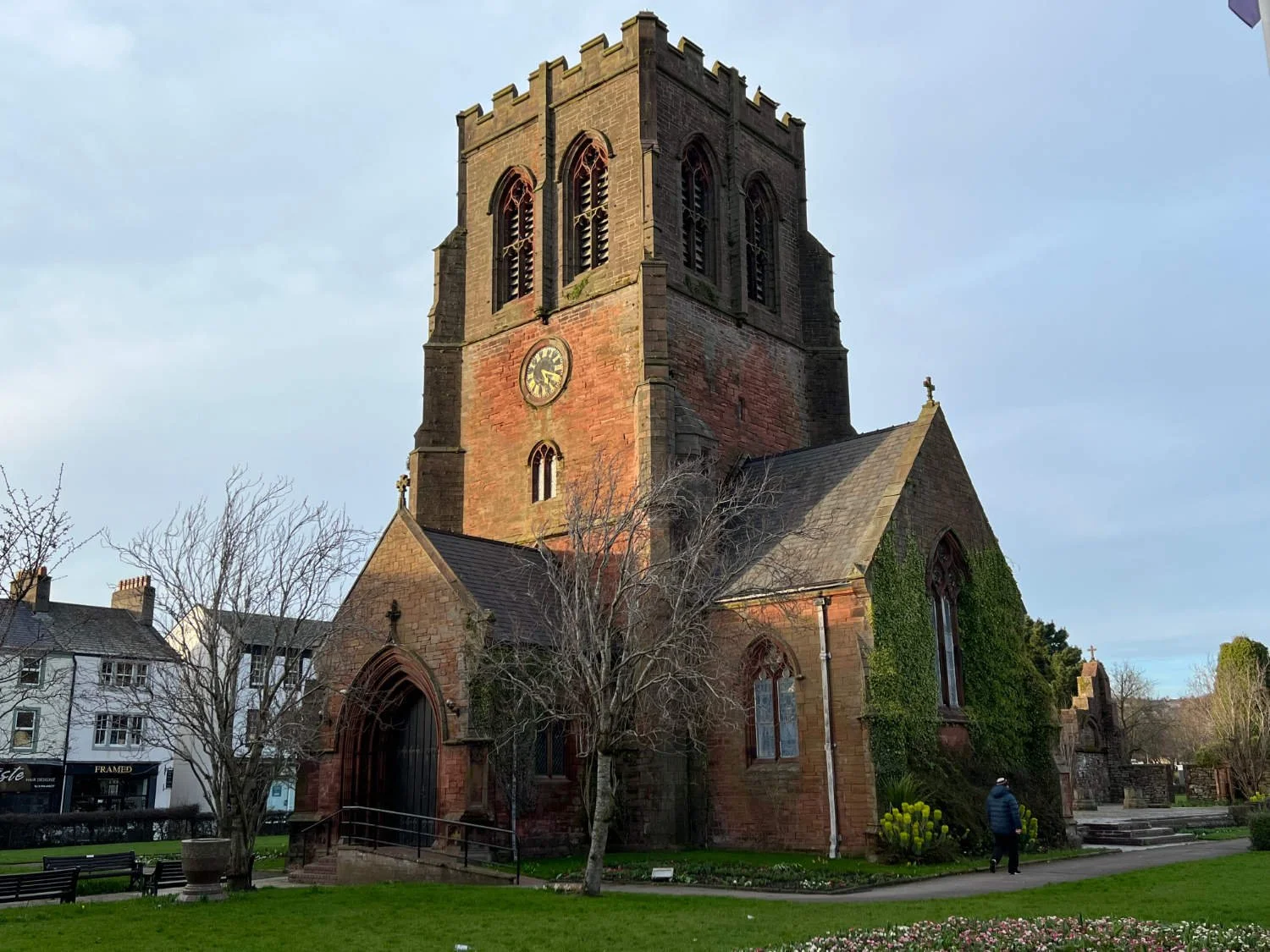
Hadrian’s Cycleway begins beside the Roman bathhouse of Glannaventa Roman Fort. A mixed surface path signed as National Cycle Route 72, (sometimes metalled, sometimes on the rougher end of the scale and sandy) takes you around sweeping bays. The riding is salty and exquisite; glittering estuary, sparkling Irish Sea, Cumbrian fells rising like a wall of bruises under a moody sky. Herdwick Sheep (recognised by their grey wool and smiling white faces) graze the rich grass lands.
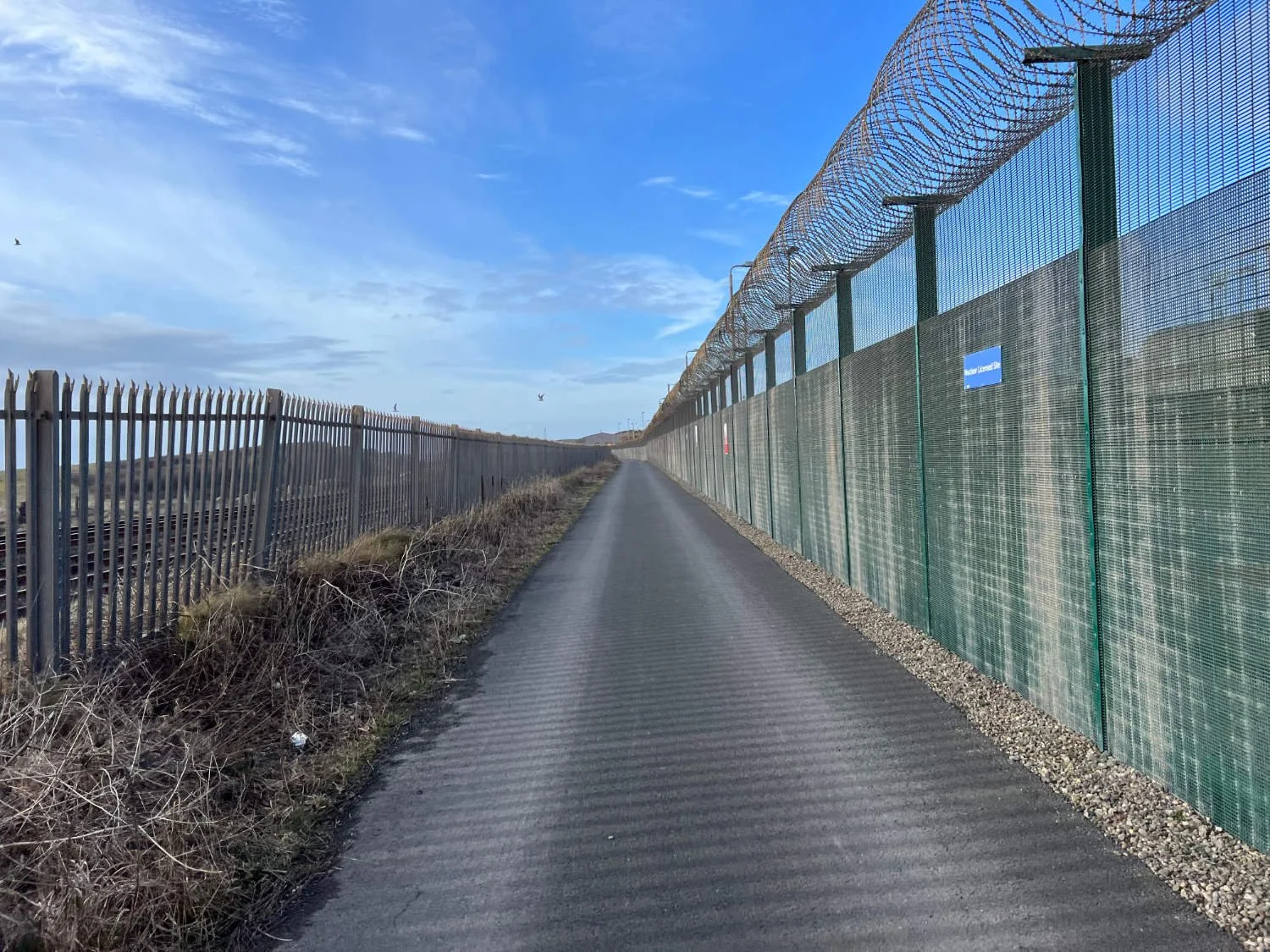
Cyclepath on the boundary of Seascale nuclear plant
Going Nuclear at Seascale
After settling into a pedalling rhythm and getting used to the wind, the nuclear complex of Seascale rises up in a grey mass of domes, cuboid buildings and chimneys. The largest nuclear site in Europe, it looks as if it was created for a James Bond film. During its working life it was a nuclear waste processing plant as well as a power station. Today, the plant is being decommissioned, a process which will take until at least 2120 at a cost of £121 billion. It is a curious and somewhat discombobulating experience to ride past a huge and very silent plant, where upwards of 10,000 people work, but of whom there is no sign. There is a perfect cycle path on the seaward side - designed more to allow emergency services rapid access than to give you a smooth ride.
The Gurning Championships, Workington
From Nuclear waste to a Crab Fair, your wheels take you inland, along former mining rail tracks to Egremont. The Fair - that’s crab apples rather than the six legged creatures - has existed since the 13th century. Its chief attraction was the Gurning Championships, where young men attempted to climb a greasy pole. The 700 year old tradition attracted the concerns of the health and safety police and now only seagulls perch triumphantly at the top of the pole.
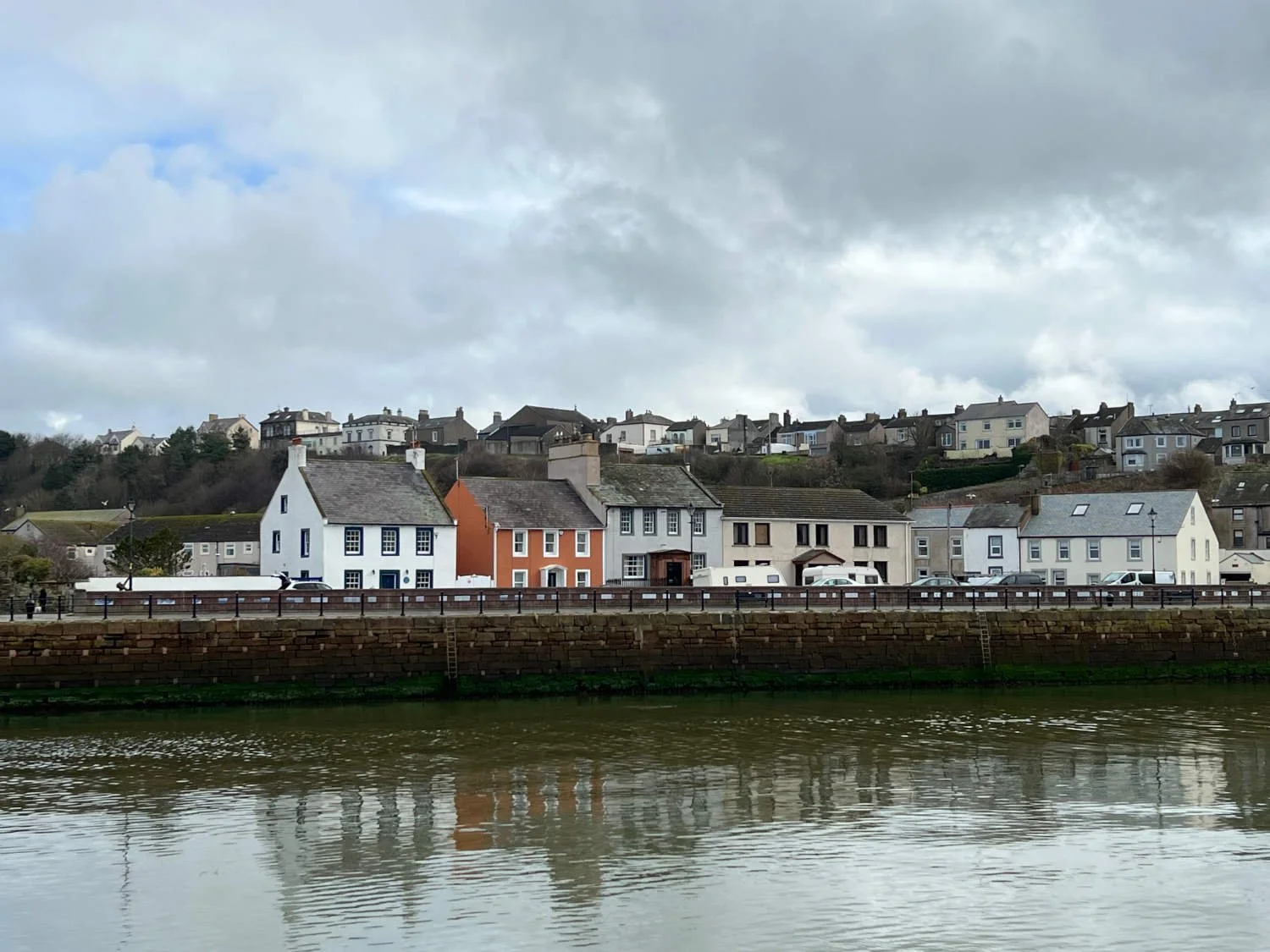
The harbour at Maryport
Coal and sleek new yachts
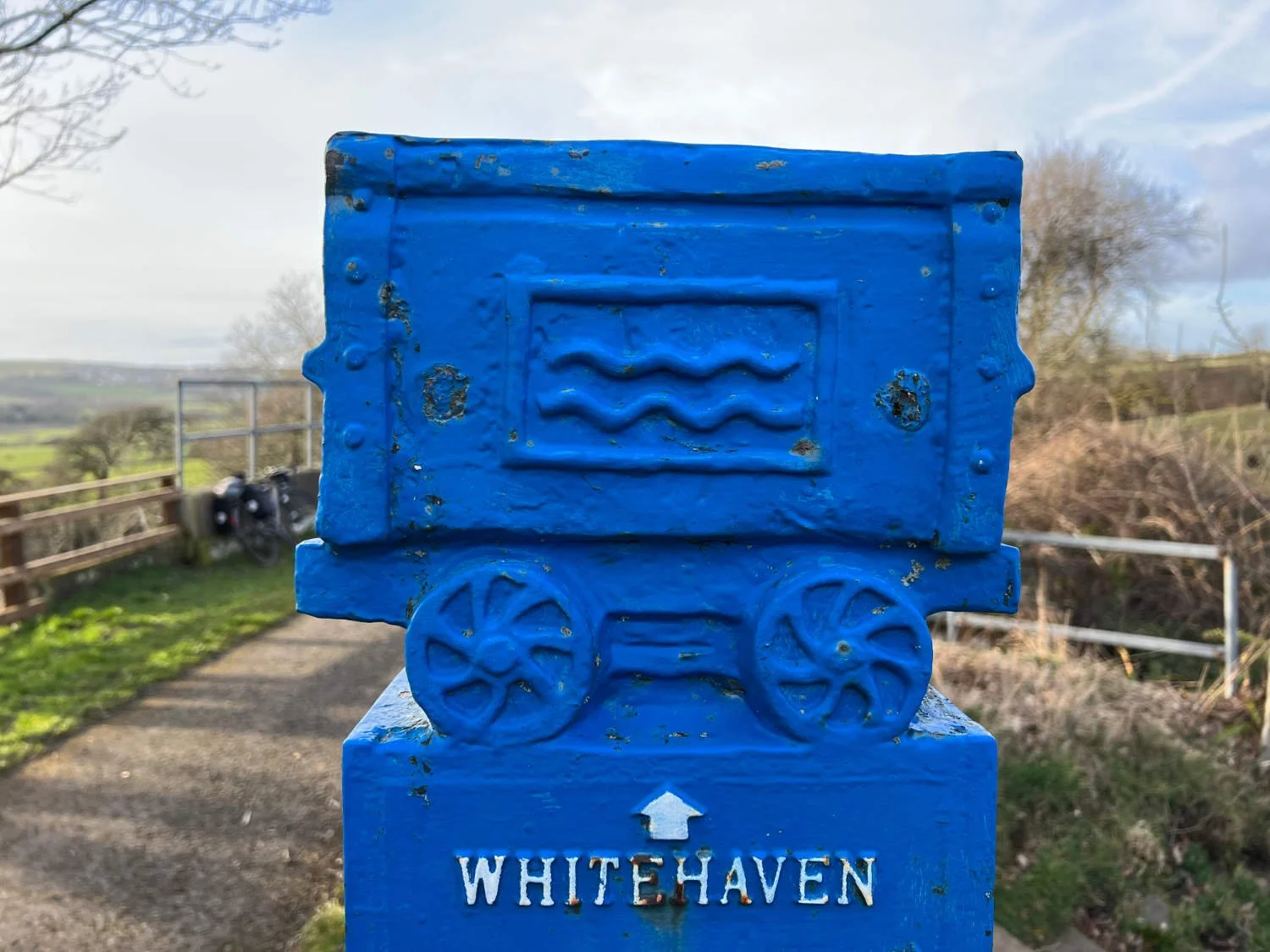
Heading north, you ride along repurposed tramways, which brought coal from the local mines to the 18th century ‘model’ ports of Whitehaven, Workington and Maryport. The ports grew rich on trade, with Ireland, America and the West Indies. Today, the historical centres of the towns are trim and tidy, with streets full of sturdy, thick-walled 18th century merchant houses. Harbours glitter with a mix of rusting fishing vessels and sleek new yachts. Yet the poverty and depravation of this part of the kingdom is also very visible, particularly on the towns’ periphery.
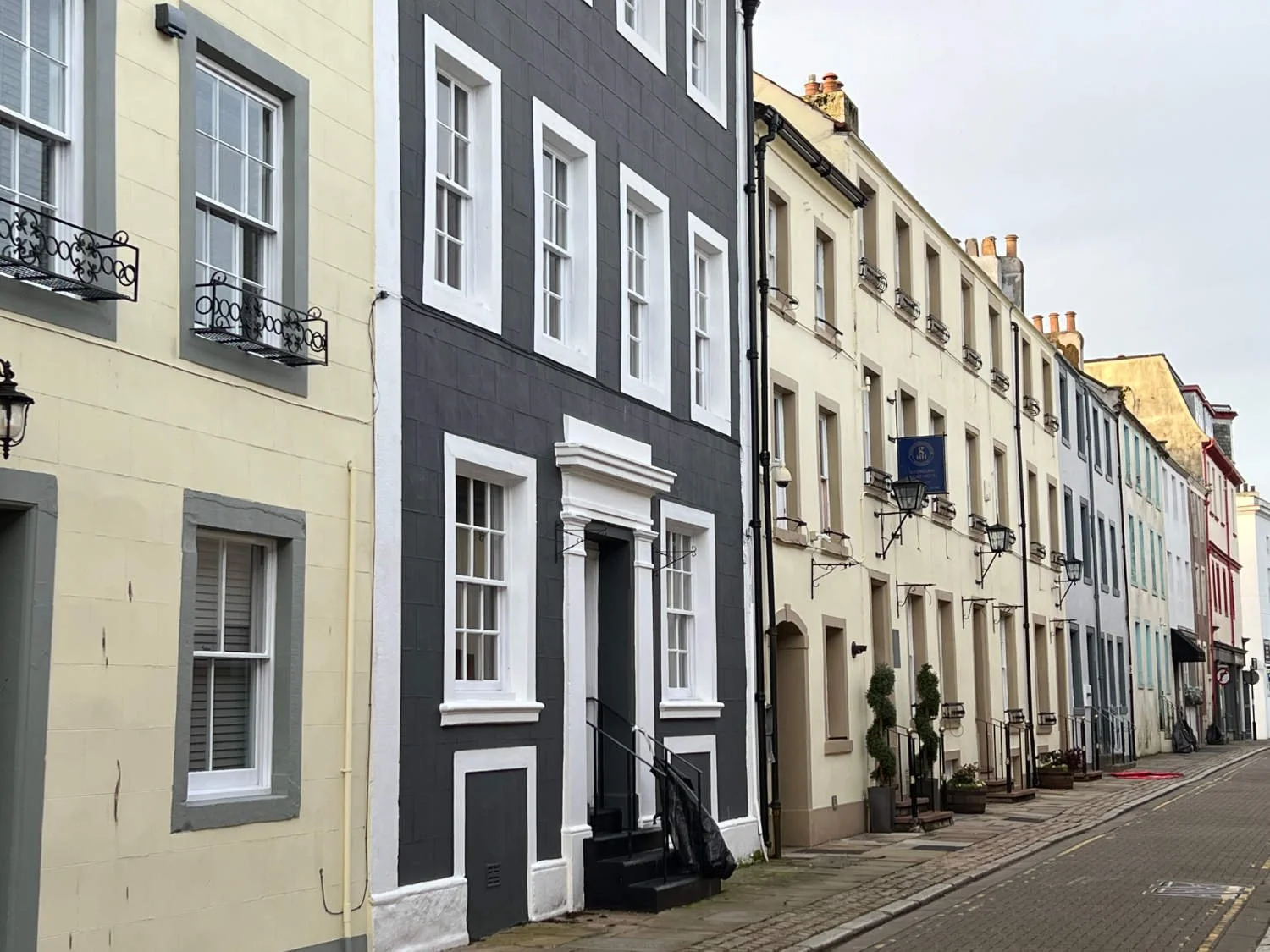
Whitehaven
An American Bombardment
As you ride around the historical centre of Whitehaven, consider the moment in 1778 when John Paul Jones, a Scot who had lived and worked in the town before fleeing to America to escape punishment for the various crimes he’d committed. Whilst in exile, Jones joined the revolutionary forces and returned to Whitehaven on an American ship in order to wreak revenge upon his former countrymen. He managed to spike a few cannons in the fort, set fire to a coal ship, before fleeing once again, this time never to return. It remains the only time when Americans have ‘attacked’ Britain.
Football in Workington
Cumbrian sports tend to be on the tougher end of the spectrum; Wrestling and fell running are still popular. Football too, although not as you know it. In Workington, the next port up the coast, a ‘football match’ between the ‘Uppies and the Downies’ takes place each Easter, and has done since at least the Middle Ages. There are no limits to the number of players, no rules. Often there are injuries, sometimes even death (although not recently).
For all this history and curiosity, these coastal towns - other than their historic centres - are drab and dreary. And visibly poor. The cycle paths are great, but the fly tipping and general neglect, whilst very much part of our modern nation’s story, are far from ideal. Don’t be put off as the towns are but small interludes in an otherwise picturesque coast.
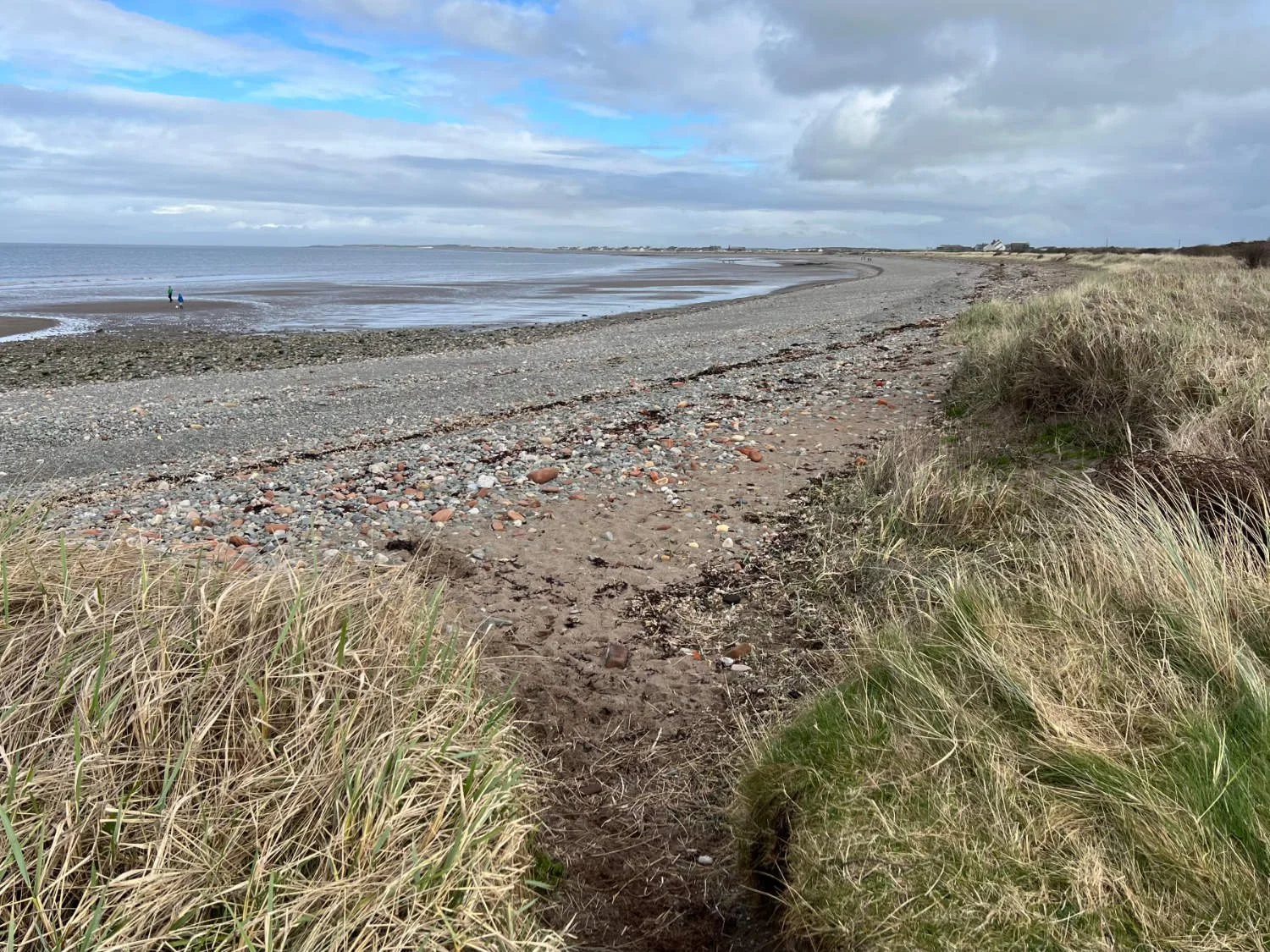
Allonby Bay
A dear little place
The route continues mixing the silver coast with verdant inland pastures. A wide cycle path where mussel shells crunch under your tyres, takes you around Allonby Bay to the village itself, which Charles Dickens described as a ‘dreary little place’. In the depths of winter with a storm crashing around the Irish Sea, perhaps it is, but on a sunny day, remove the ‘r’ and the ‘y’ from dreary and it becomes ‘a dear little place’.
The Jewel of the Cumbrian Riviera
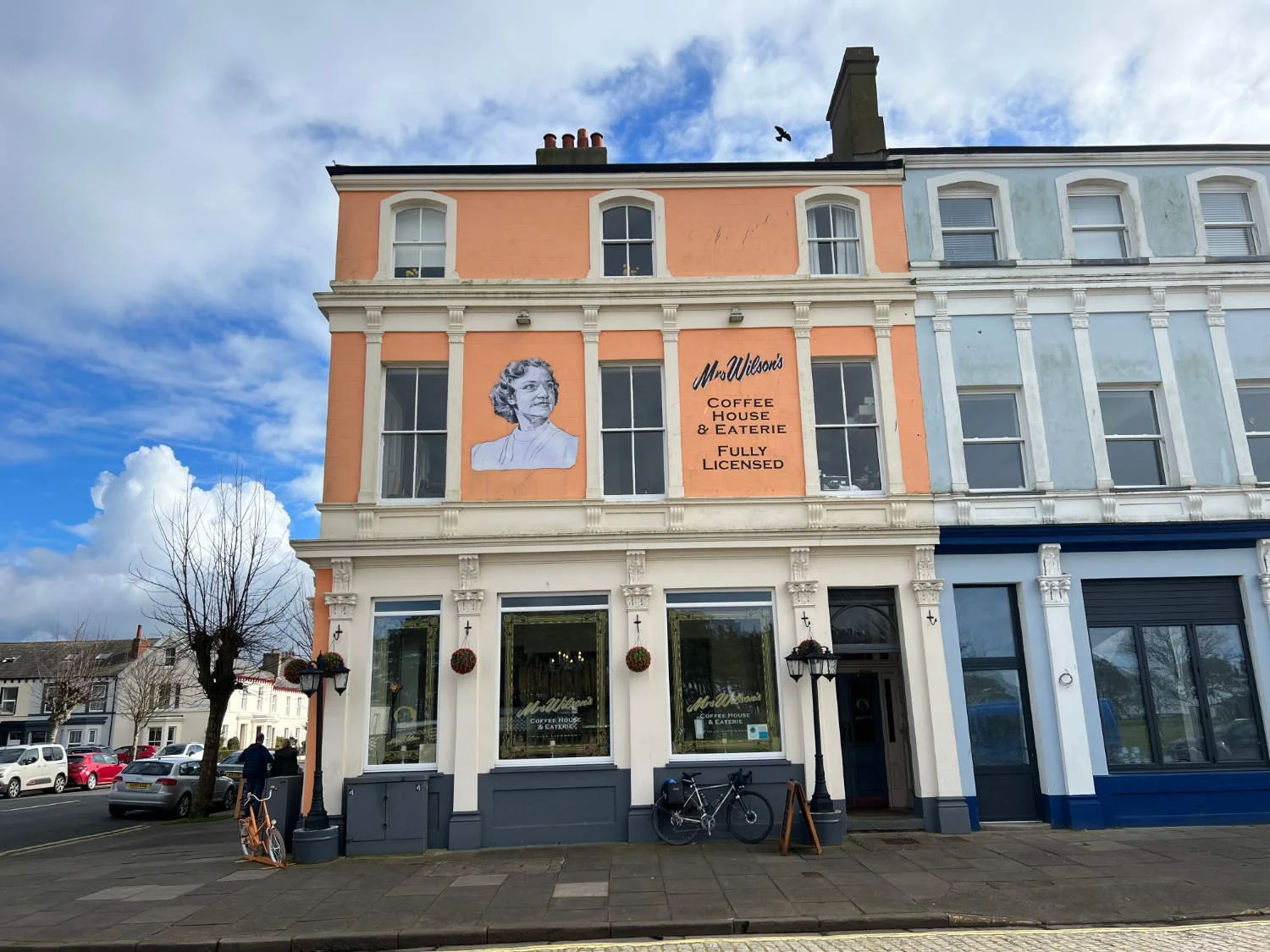
The cycle path continues to Silloth, a former port turned by Victorians into one of the ‘the jewel of the Cumbrian Riviera’. Expect painted houses, cobblestoned streets and the longest village green in England. The Queen’s Hotel overlooking the village green is a recommended place to stay.
If you enjoyed this guide, why not subscribe to the website so as not to miss other inspirational routes?
wheremywheelsgo.uk is a Feedspot UK Cycling top website