98km London to Brighton
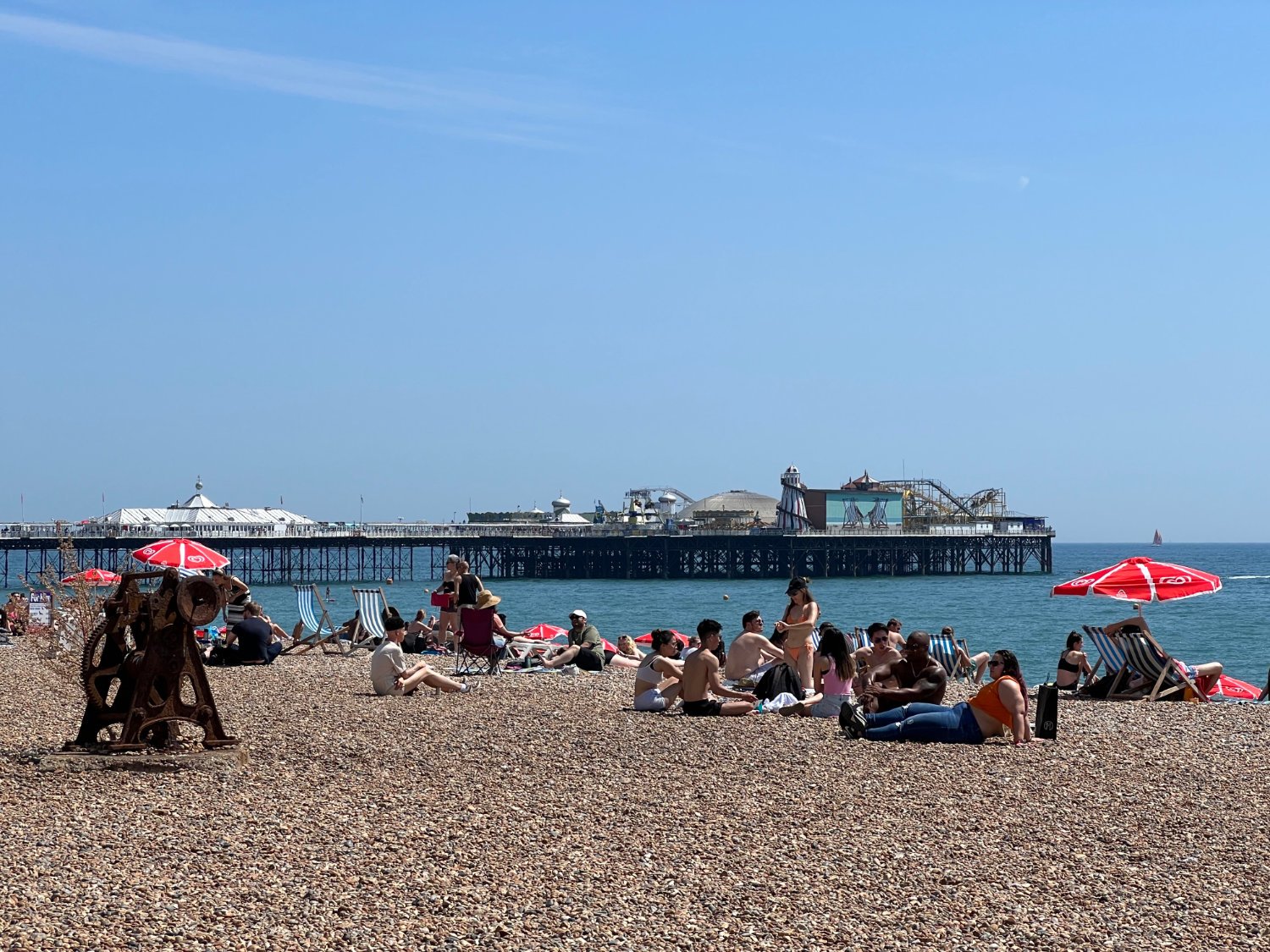
Brighton Beach
Ride Overview
To the sea, the sea!
This 97km/60-mile route is the most traffic-quiet way to cycle from London to Brighton.
On a particularly cold February day in 1869, John Mayall Jnr and two friends rode their wood and iron ‘velocipedes’ from London to Brighton. It is considered to be the earliest recorded ‘long-distance’ bike ride possibly in the world but certainly in the UK. It took them 12 hours. Since then, countless hundreds of thousands have ridden the 50 something miles from the Capital to the Sea, many in rather less time. Back in Mayall’s day, roads were particularly poor and some would say that little has changed. What has changed is the increase in vehicles on our roads - a massive 43% since the turn of the century. So the challenge has been to find a route that minimises the time spent on roads, yet ride on acceptable surfaces.
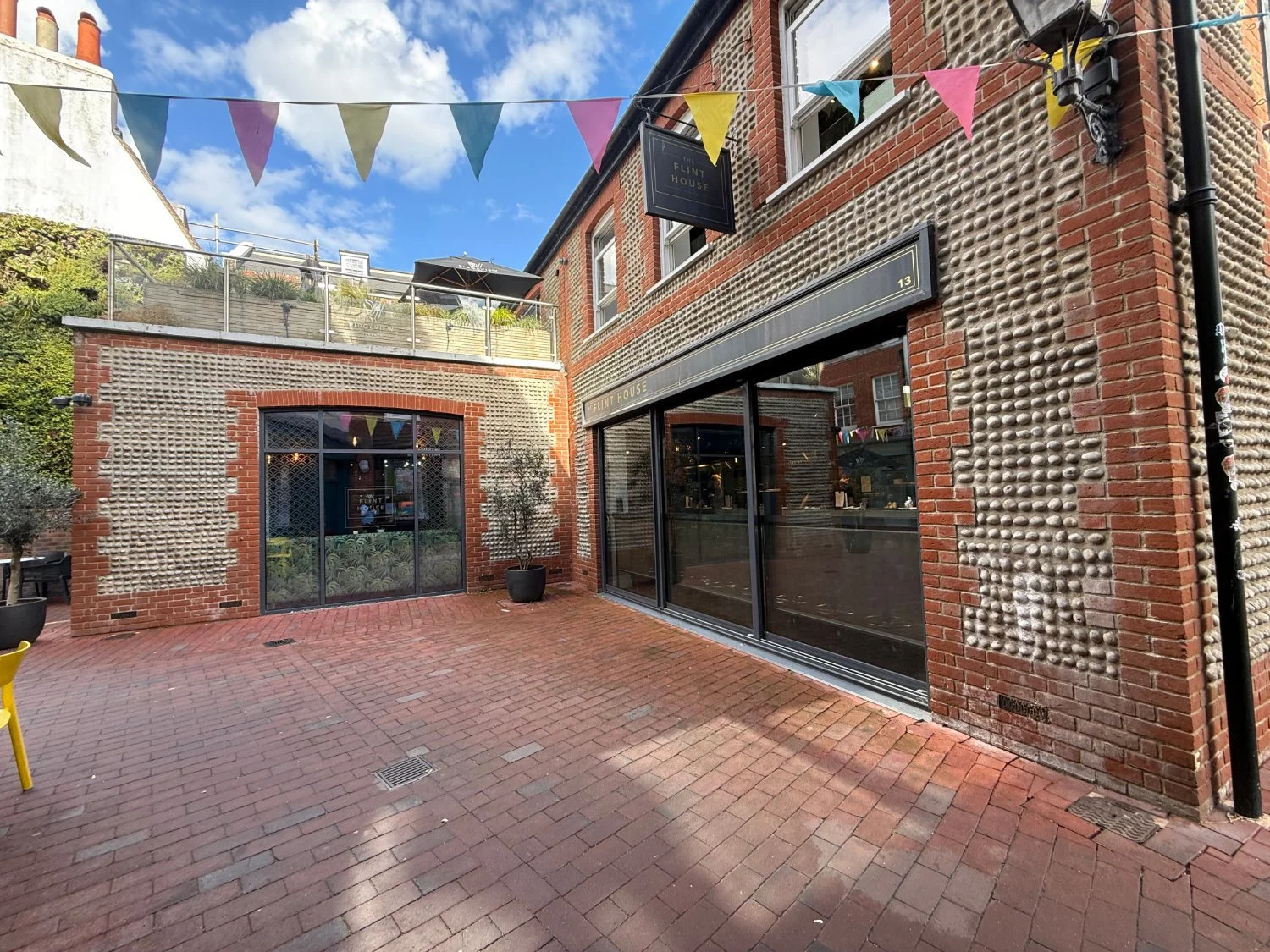
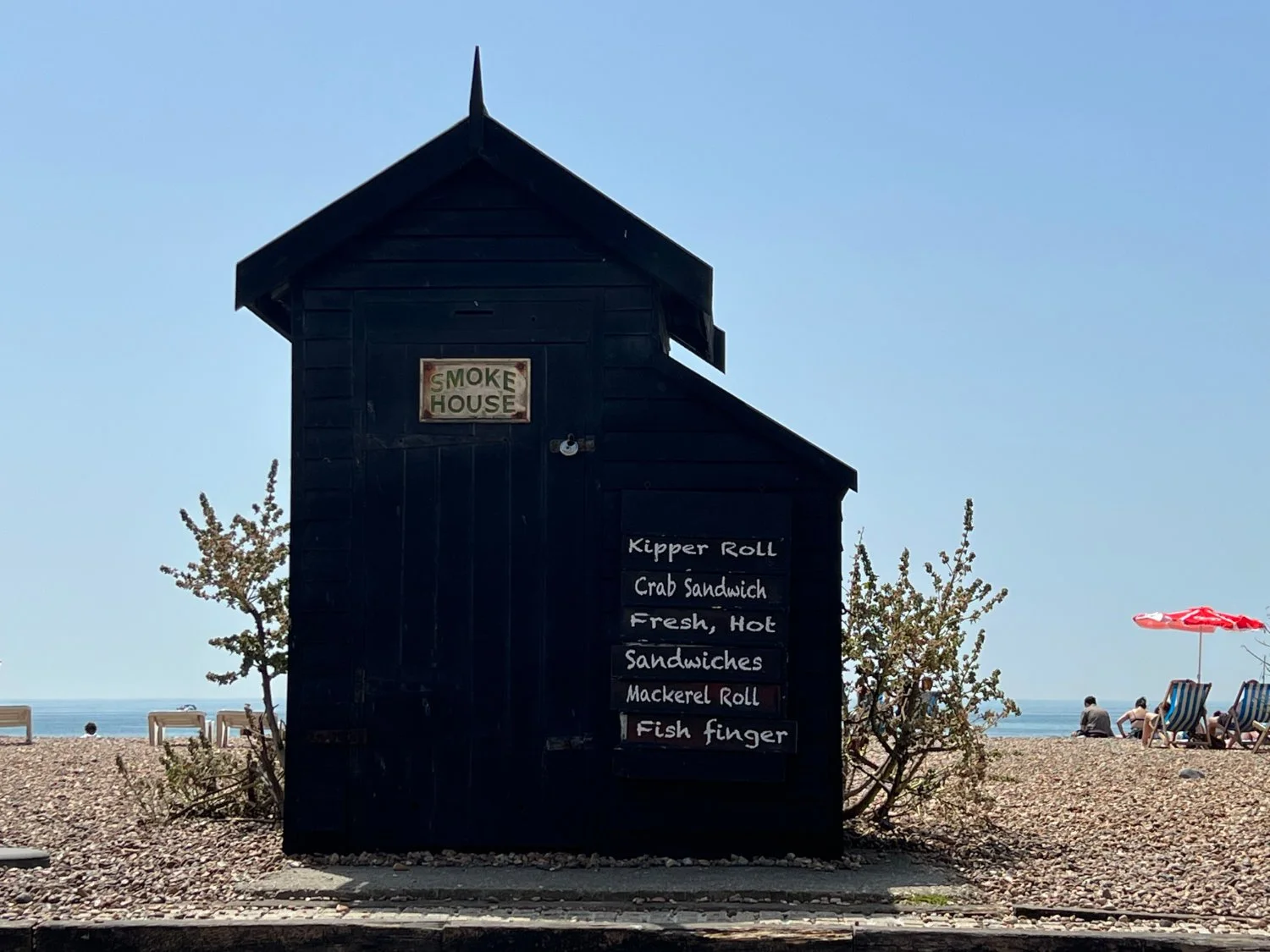
This mixed-surface route; is scenic, full of interest and curiosity. Much of the route lis ight in traffic and a goodly portion entirely traffic-free. Surfaces are mainly asphalt, with some tracks and trails added in order to avoid the busier roads. Beginning as is traditional for a London-Brighton Bike Ride, on Clapham Common, the route heads up the River Wandle, a green corridor out of London beside a sparkling river - and onto the North Downs with its woods and intimate fields. This is followed by the Weald, with vistas of classic southern England - sturdy oaks, pasture and gorgeous houses - before you’re up into the airy South Downs National Park with the sea beckoning you. Once in Brighton, there’s lunch on the beach at Brighton’s smokery, or in one of its many superb restaurants, my favourite being The Flint House.
FAQs;
How long is this London to Brighton cycle route? 98km - 60miles
Is it possible to cycle from London to Brighton on an entirely traffic-free route? No - there are always going to be a few roads. This route seeks out the quietest and safest
Where does the London to Brighton bike route start? Clapham Common - Meet at the Pear Tree Café in the centre of the Common
Ride Practicalities
THIS ROUTE HAS BEEN TOTALLY REVISED AND RE-ROUTED SINCE ITS ORIGINAL PUBLICATION IN 2022. IT IS THE ULTIMATE TRAFFIC-QUIET-MIXED-SURFACE RIDE FROM LONDON TO BRIGHTON.
START/FINISH: Hammersmith/Brighton DISTANCE: 98km. TOTAL ASCENT: 1152m TERRAIN AND SURFACES: The ride is exclusively on road other than a short section of shared gravel path north of Brighton. The route uses a mix of quiet country lanes and suburban roads, however, there are two short sections which are on main roads - the first, off the North Downs on Pebble Hill road, the second on the way up to Devil’s Dyke. Both are steep and can be busy. However neither last for long. FOOD AND DRINK: Betchworth; The Dolphin, Newdigate; Tanhouse Farm shop and village stores, Rusper; Community Village Shop, Brighton; The Old Smokehouse MAINLINE TRAIN SERVICES: Overground at Shepherd’s Bush, Hammersmith and City Line at Hammersmith and Brighton.
LINKS TO OTHER RIDES: Wandsworth to Richmond Epsom Gallop, NCN2, The South Coast Trail
Ride Notes
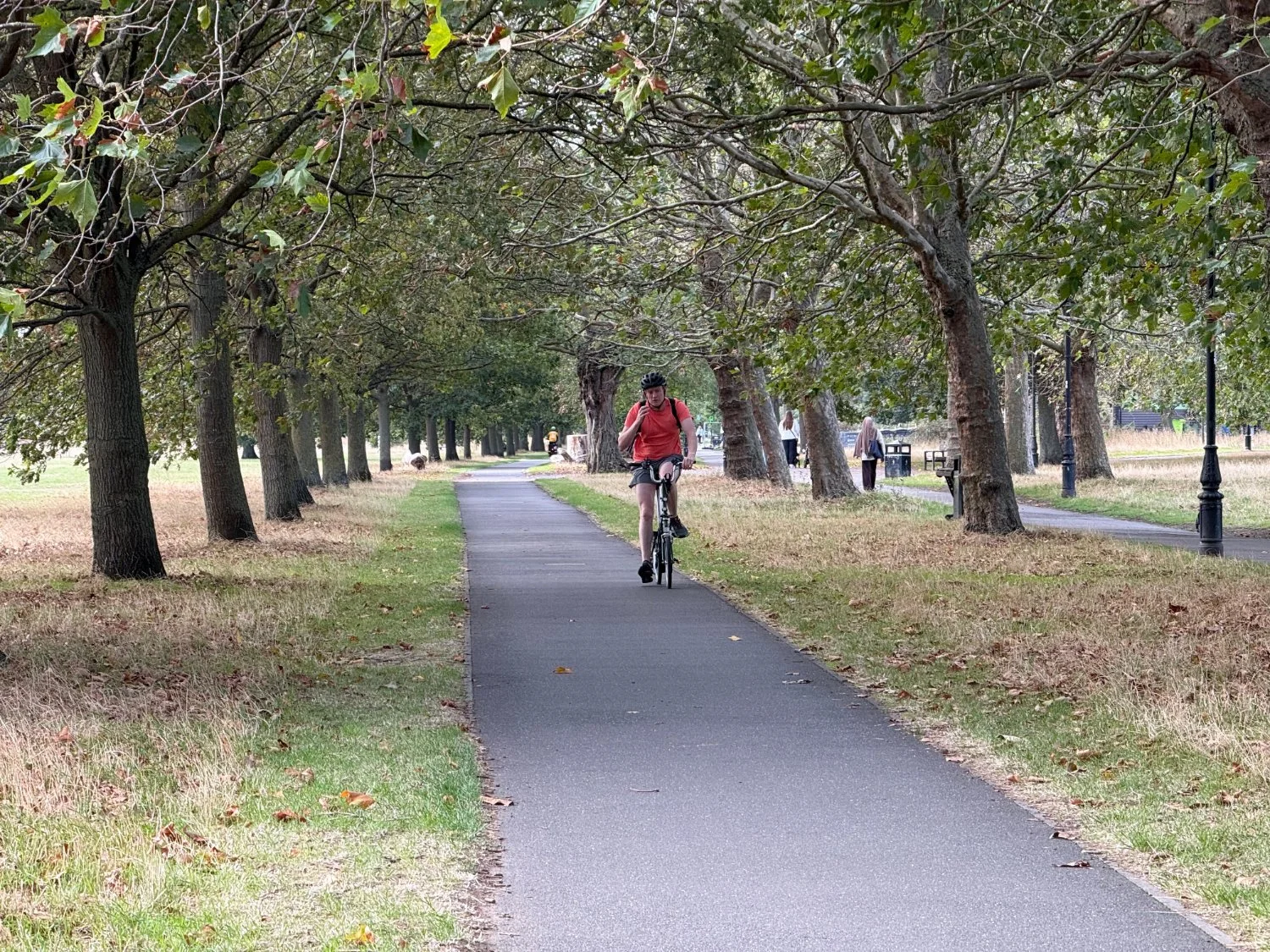
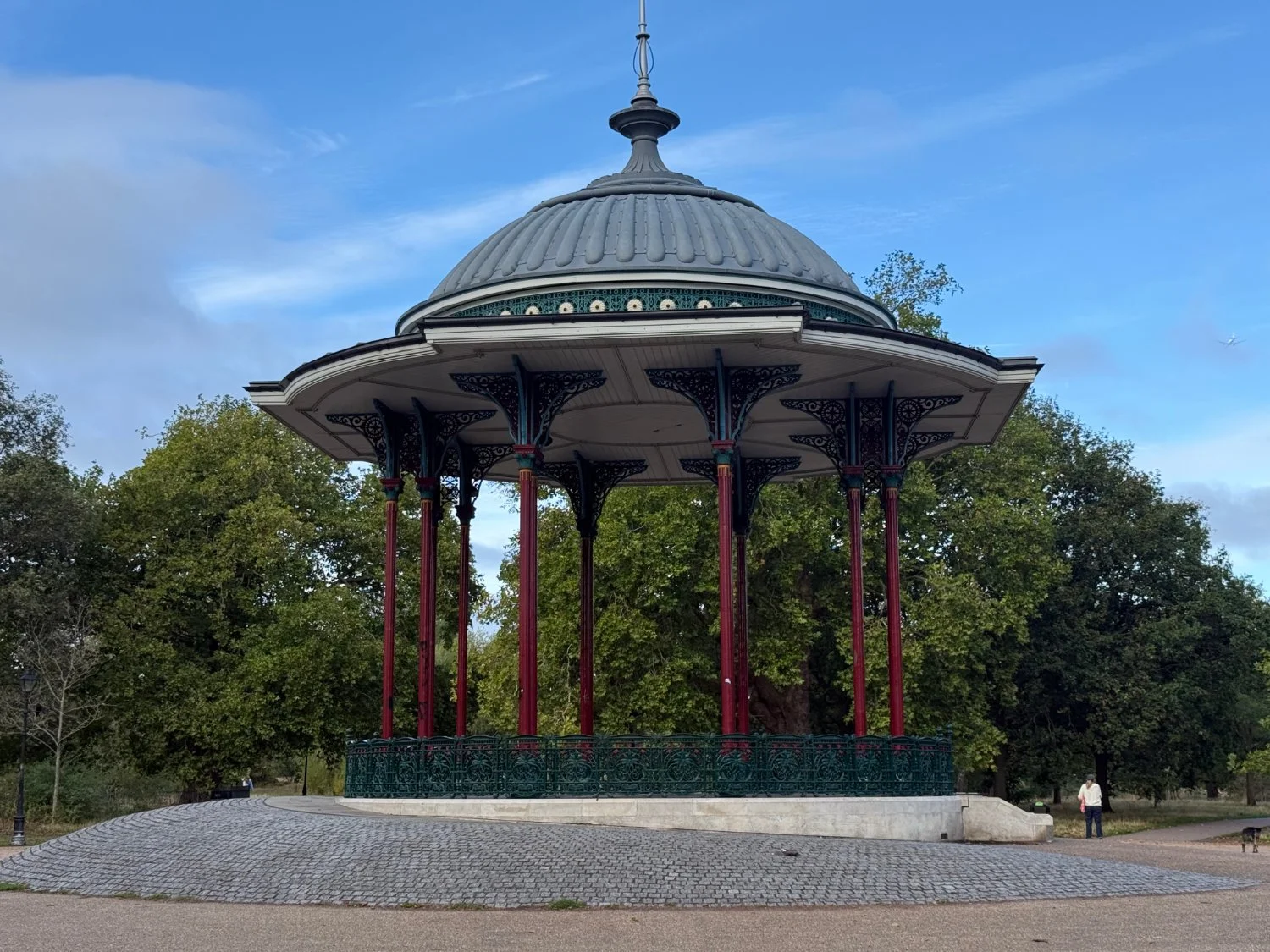
Traditionally the road to Brighton begins on Clapham Common. The Pear Tree café in the centre of the park is a good place to meet up with your friends - good coffee and toilets. Opposite, there is the bandstand, monument and meeting place all in one. Good bike lanes lead out of the park and onto suburban roads.
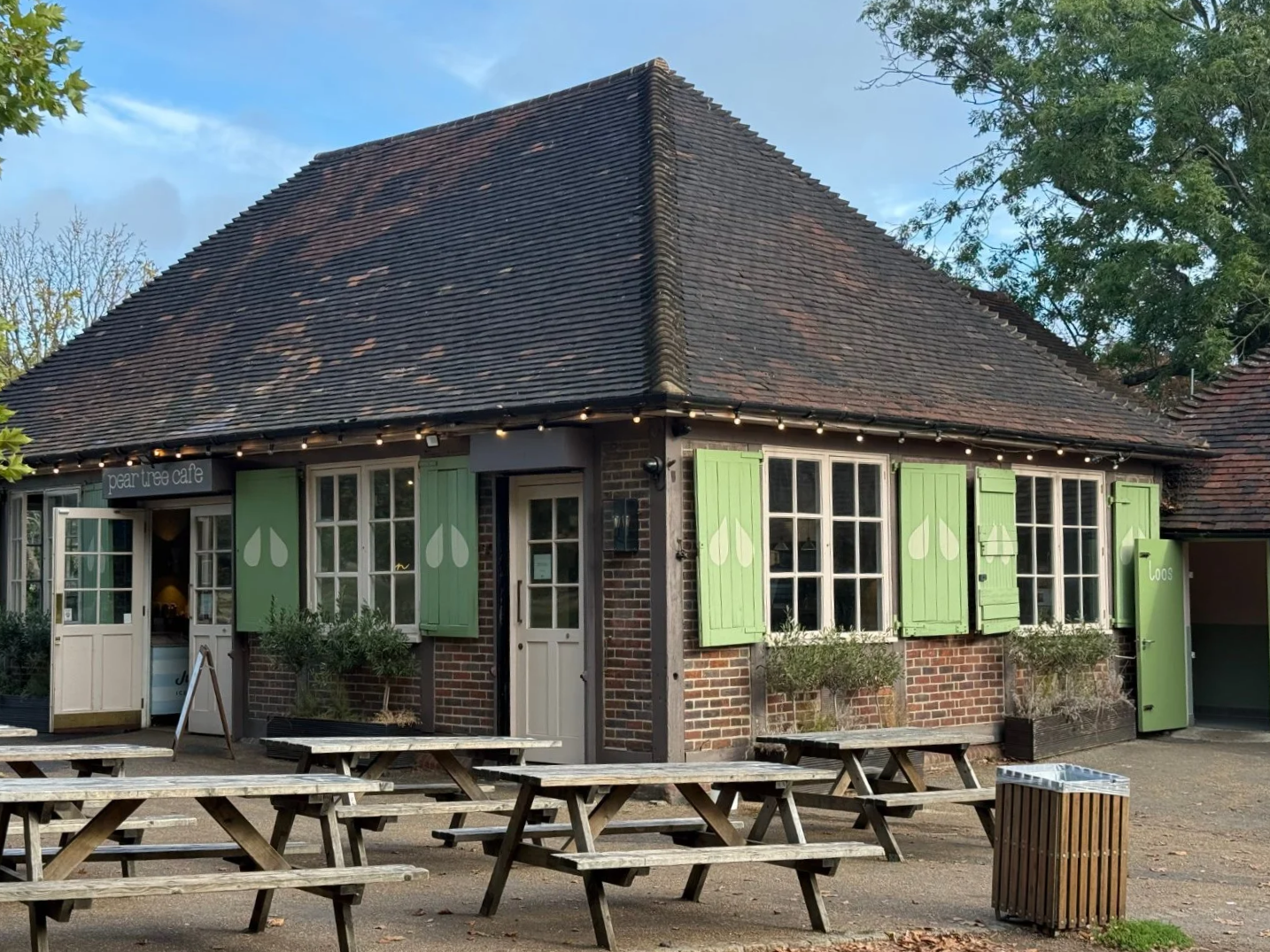
The Pear Tree Café
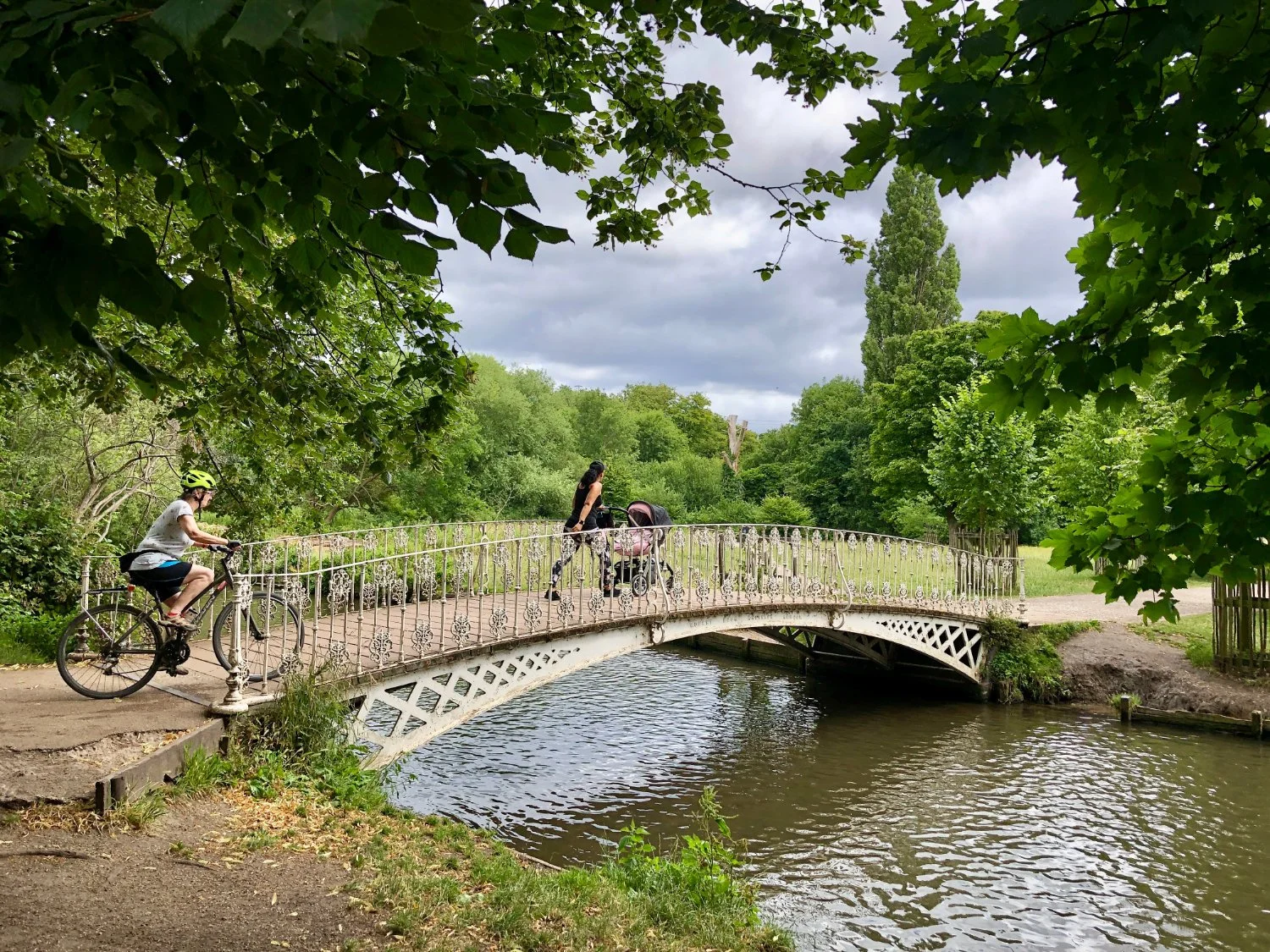
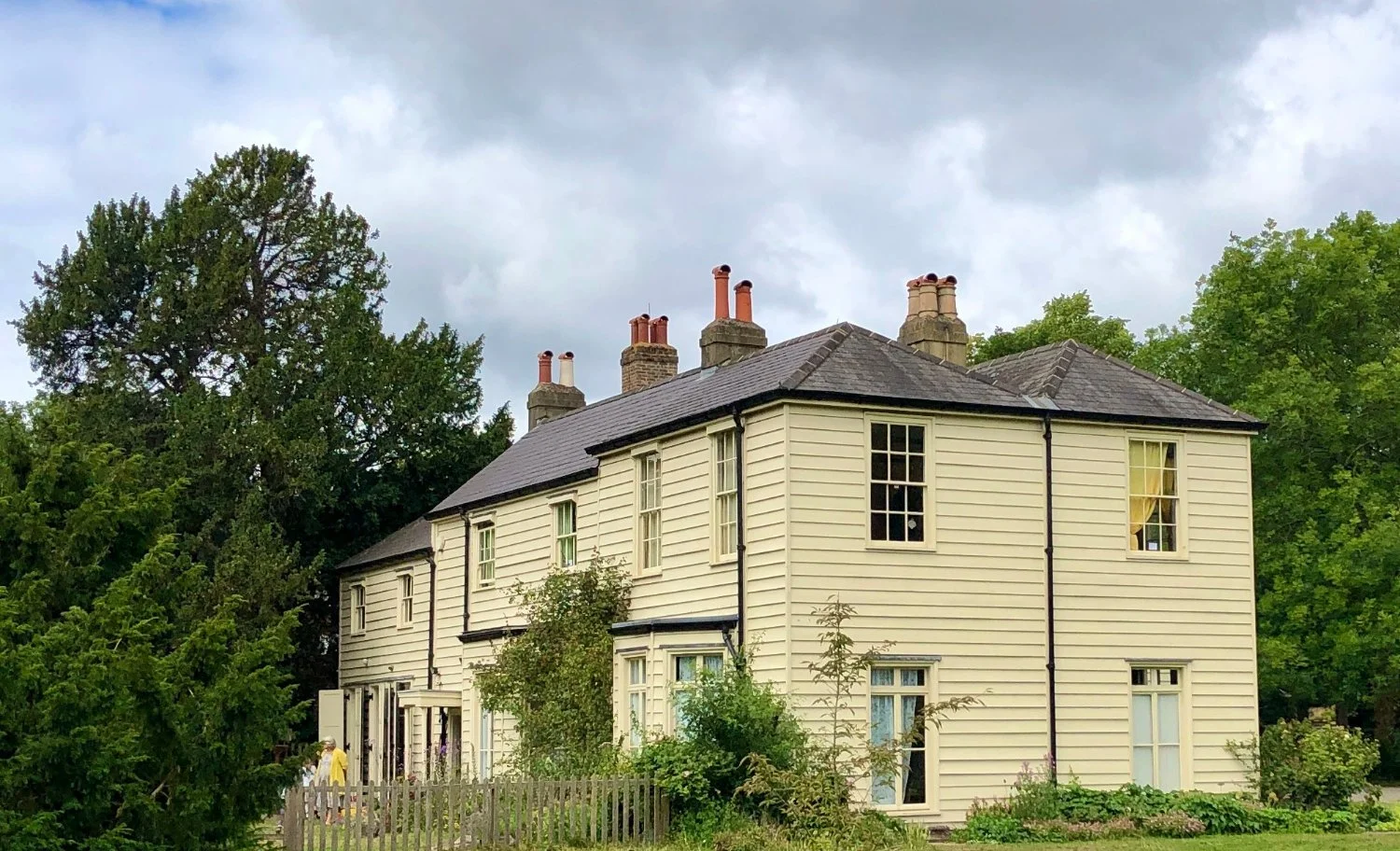
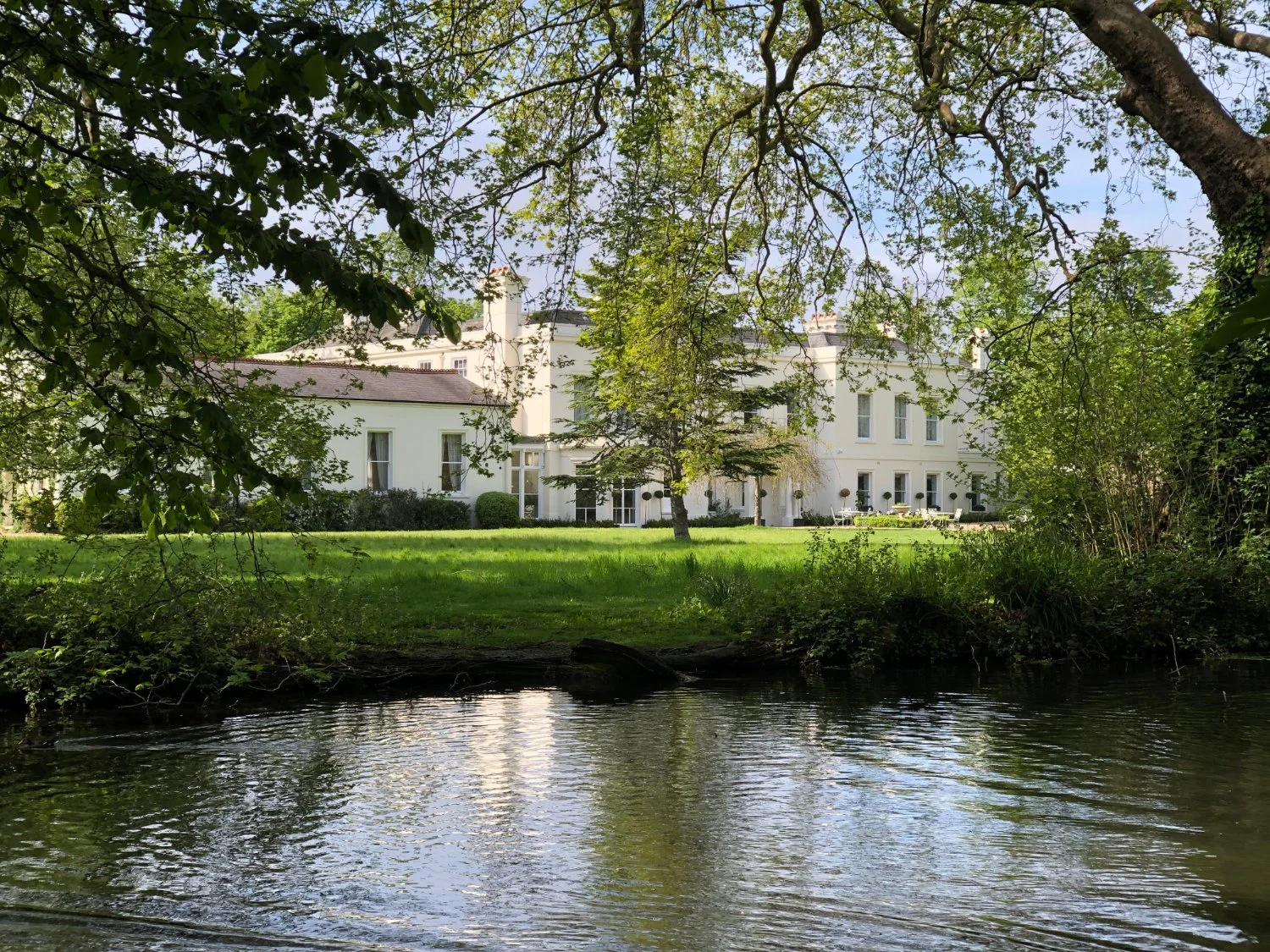
Joining the National Cycle Route 20, (NCN 20), which used to go all the way to Brighton, you ride on a wonderful and largely traffic-free route out of London. (The signed route no longer goes to Brighton because the roads it used have become too busy. We leave it too after Beddington, to find quieter lanes to the coast). This section of the NCN 20 is also signed as the River Wandle Trail, a leafy and luscious London ride. It was dubbed during its industrial heyday, as ‘London’s hardest working river’. Mills lined the fast flowing chalk stream, grinding corn and making cloth. You’ll pass through the gates of Merton Abbey, where Henry VI had a crowning ceremony, and the grounds of Morden Hall, once owned by Gilliat Hatfeild, , a successful tobacco and snuff merchant who was notable for allowing his workers to spend their free time in his rose garden. Today, the estate is owned by the National Trust. There are good tea rooms here, as well as toilets.
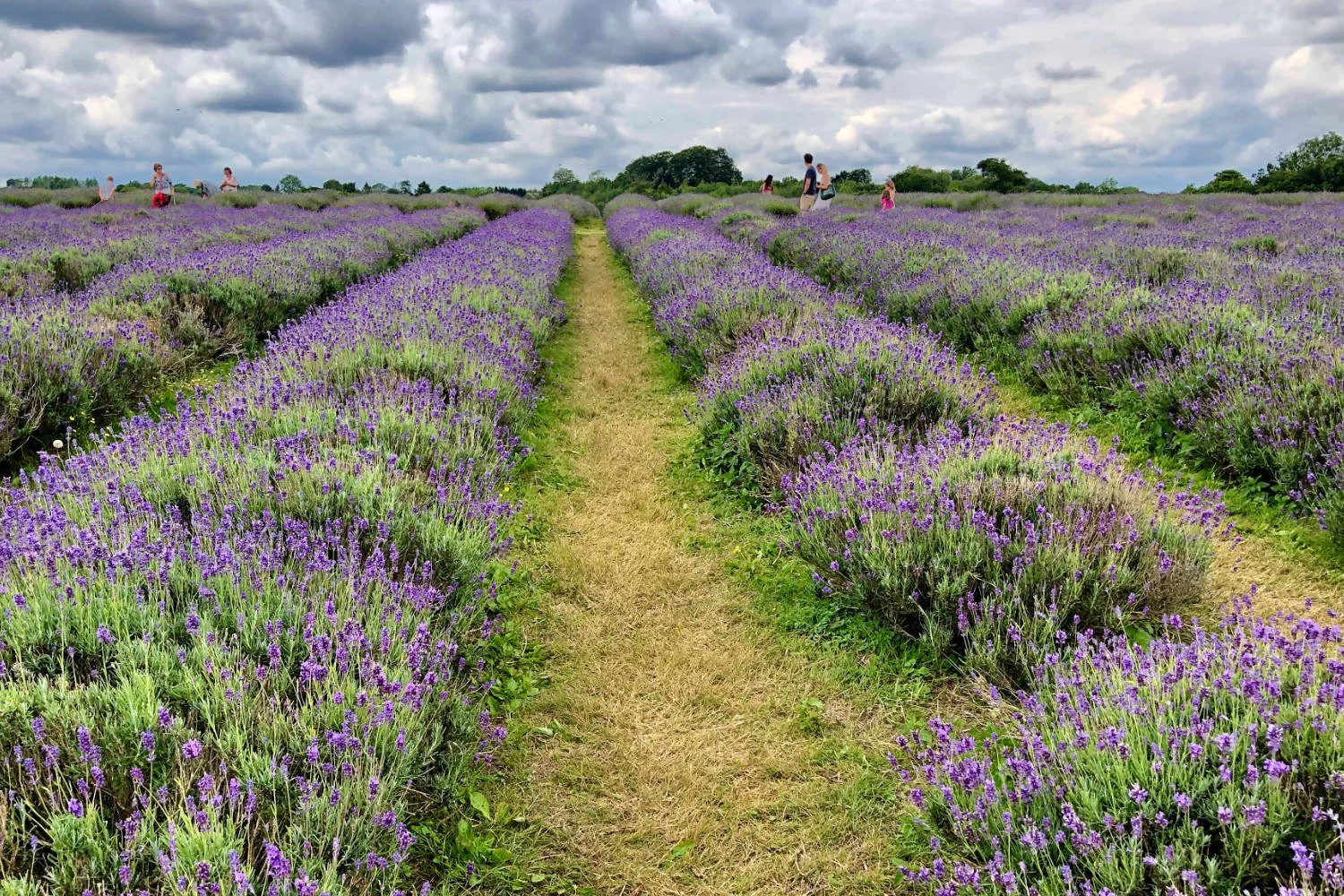
Mayfield Lavender
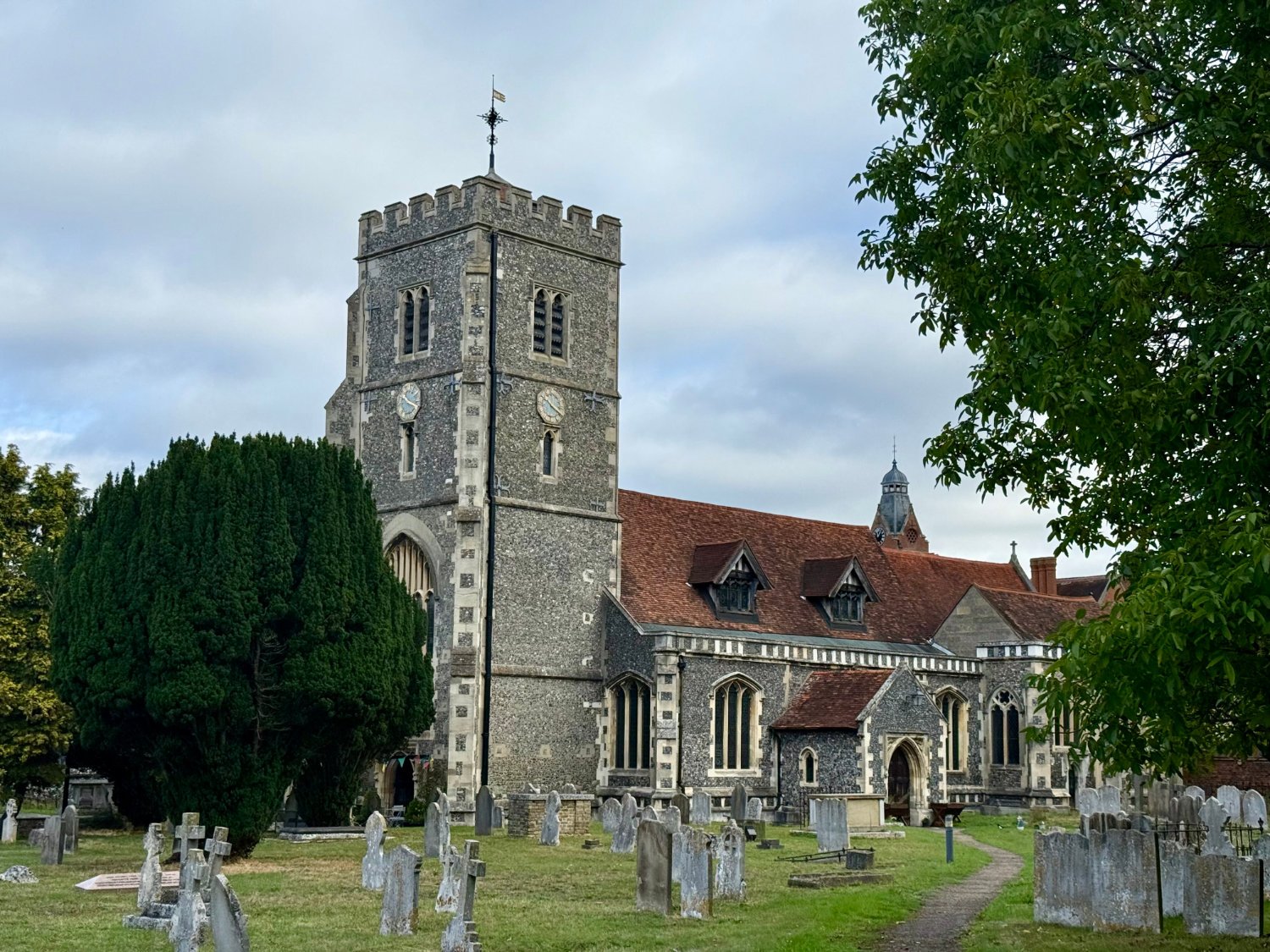
Riding on, to the outskirts of London, you pass Beddington Church, which also doubles up as a very good café. Inside there are some well preserved Victorian murals. It’s a bit of a puff up the slopes of The North Downs to The Oaks, formerly a grand house where Lord Derby named the famous horse race. The old stables are now a tea room. For the last few miles, you have been riding through the ‘Lavender Triangle’ which was formerly the world’s centre of lavender production. The Mayfield Lavender Fields, which open in June and July, continue the tradition — their fields are truly spectacular.
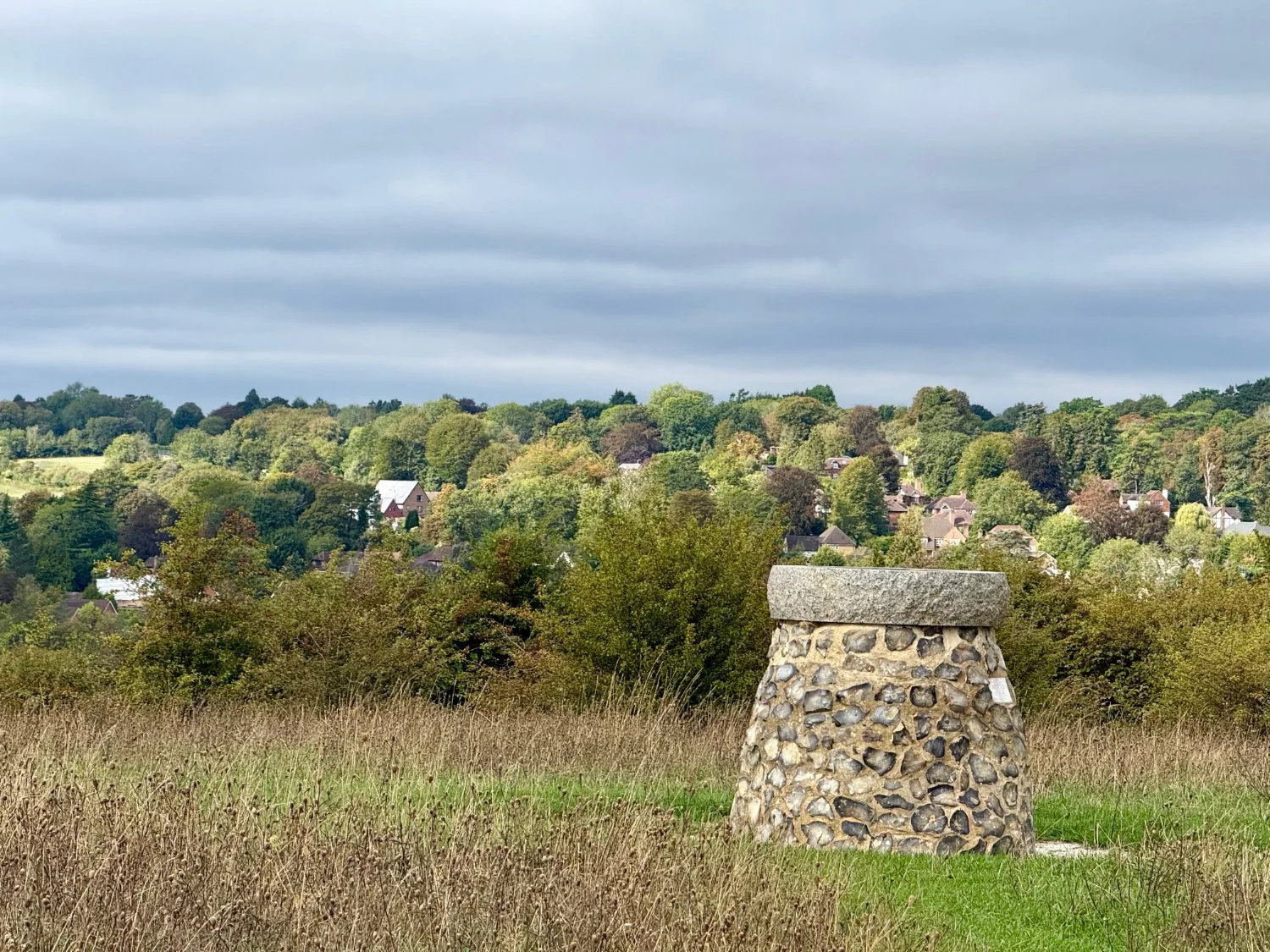
Farthing Down
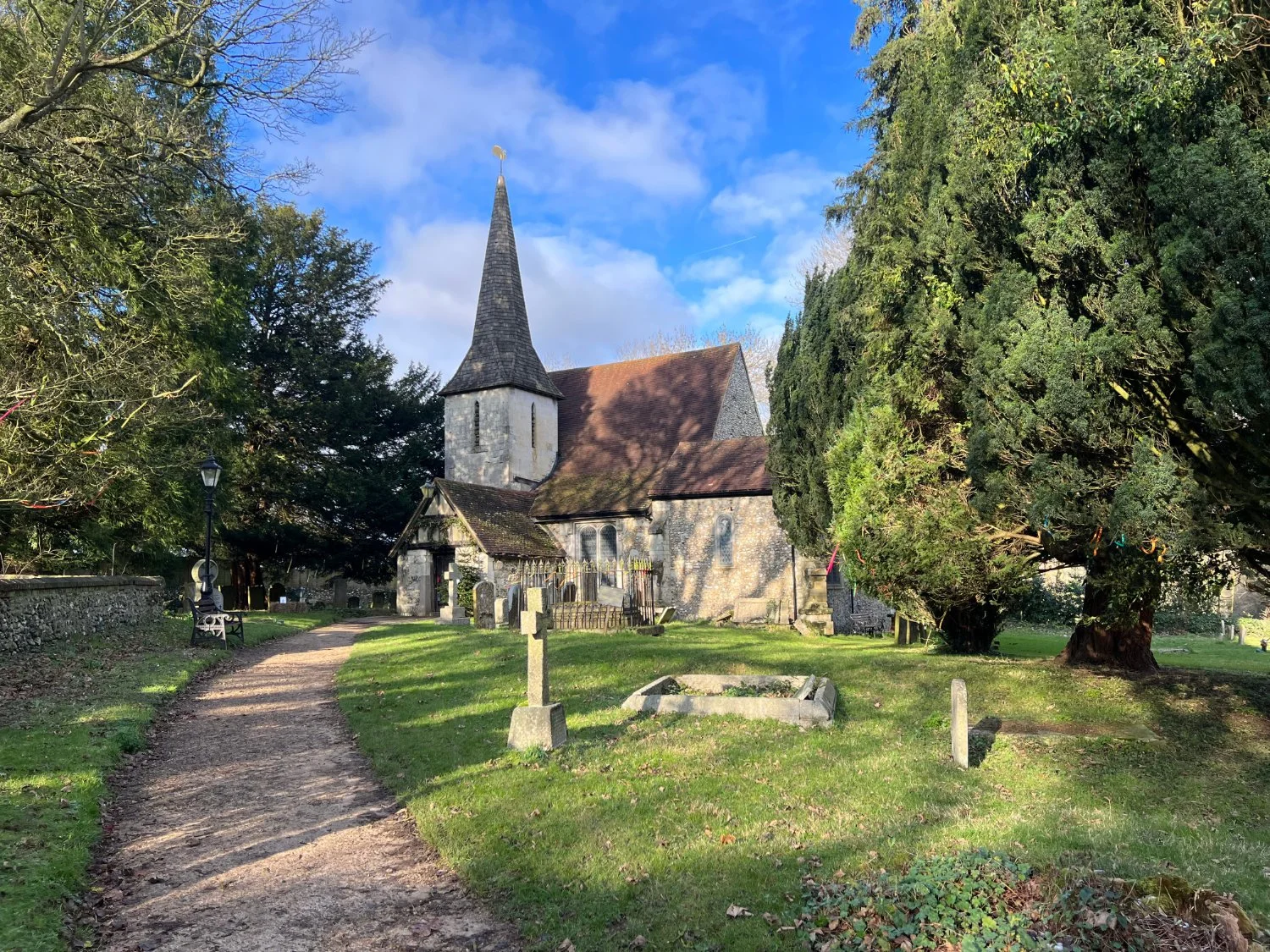
As you ride up Farthing Down, your lungs finally fill with country air. Look behind you as you pause for breath, and you’ll see that London is truly behind you. The route is now on country lane. Chaldon Church is almost an obligatory stop, since it is where the best preserved Medieval ‘Doom Painting’ in Britain is to be seen on the walls. The picture of devils doing some pretty unpleasant things to unpleasant people still shocks.
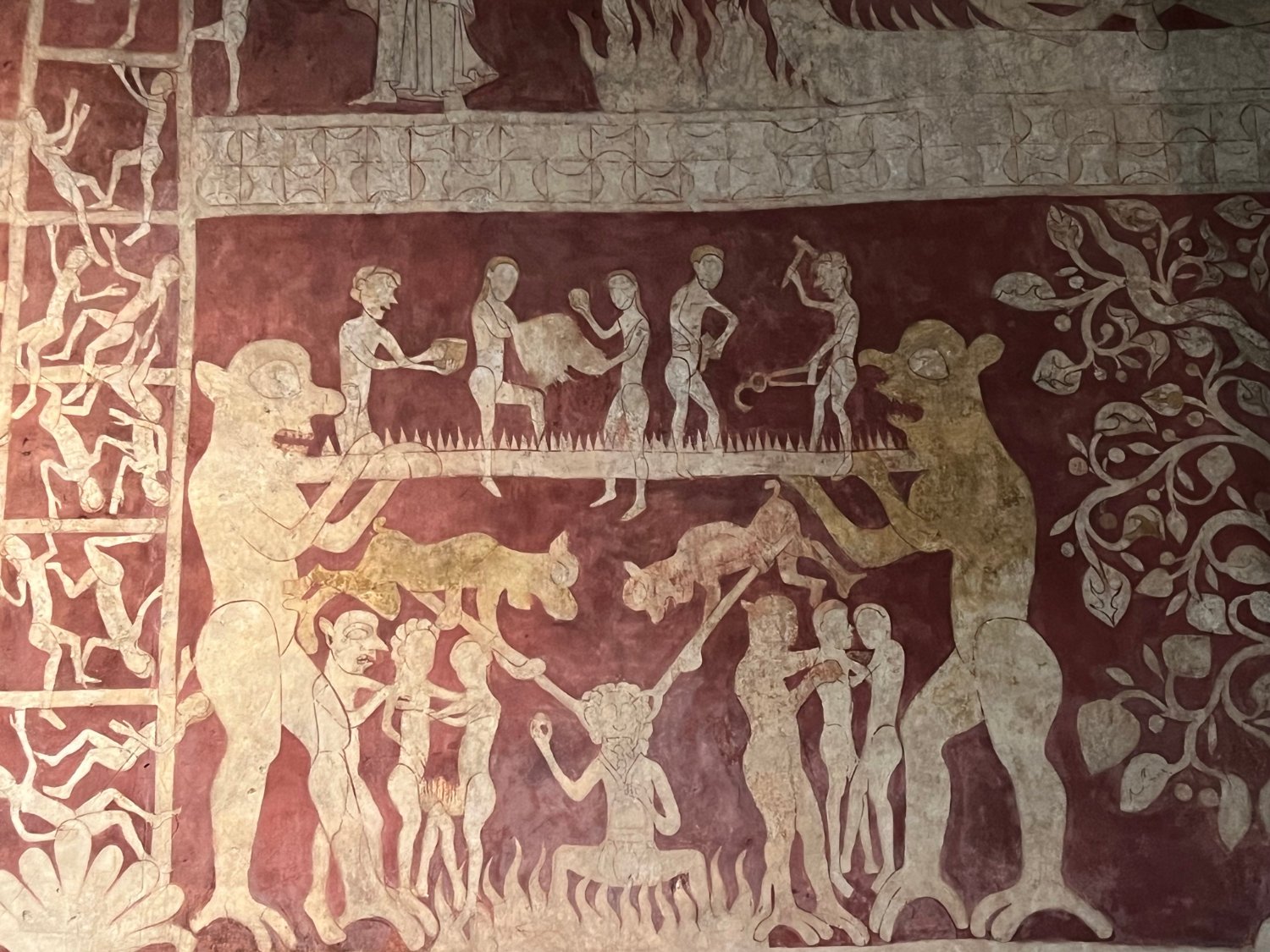
The Doom Painting, Chaldon
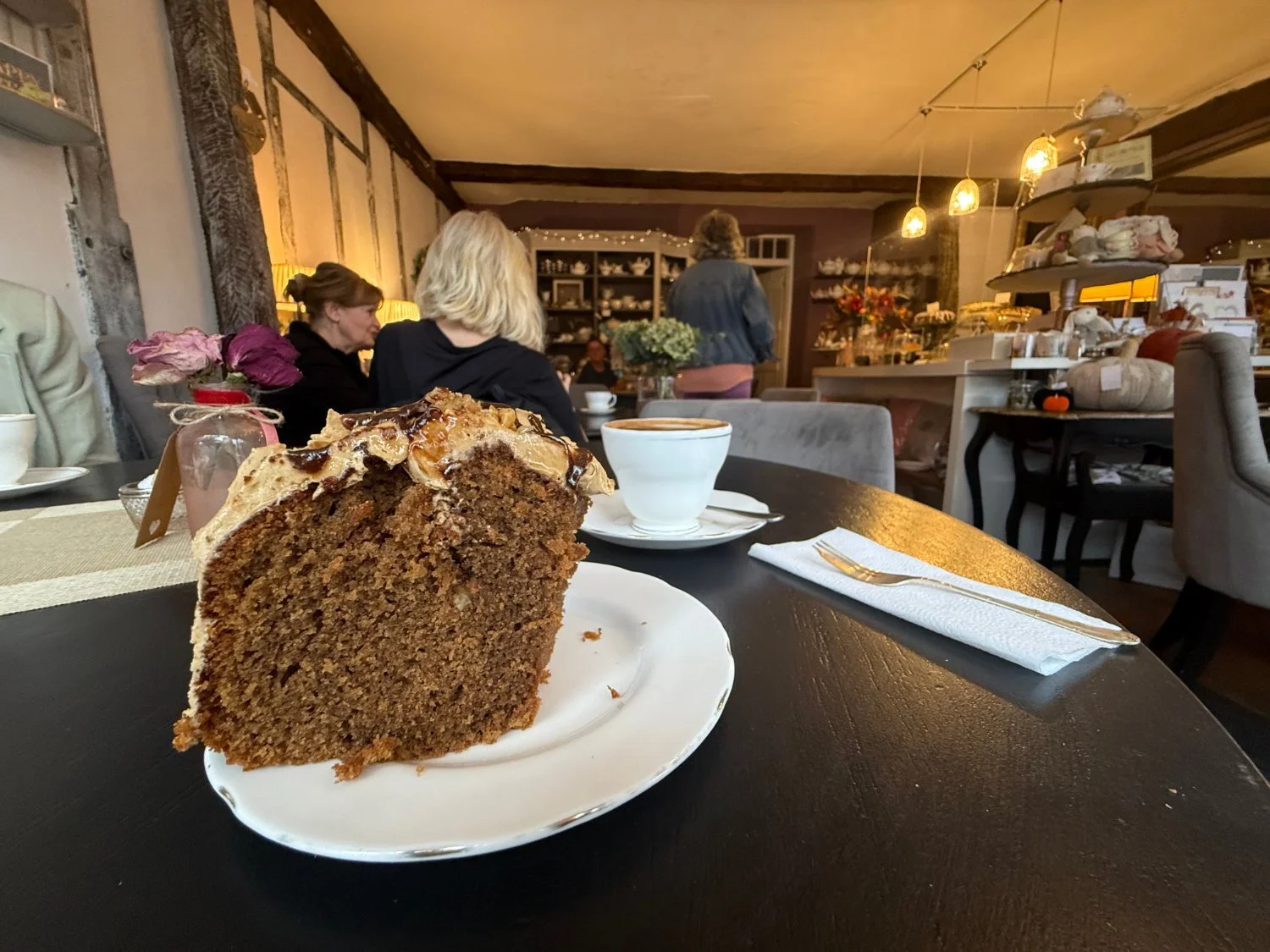
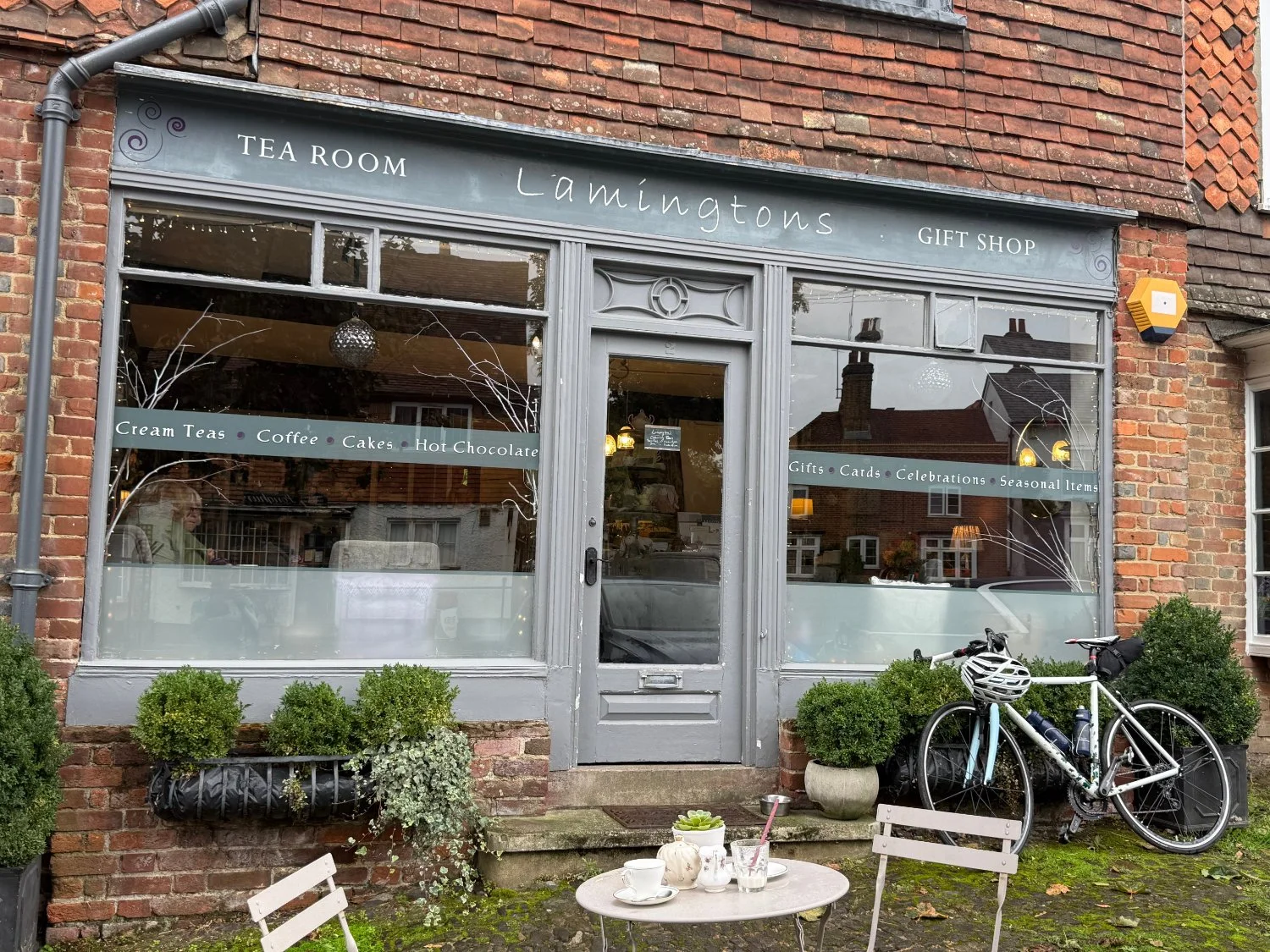
Dropping off the North Downs on a very steep lane, you arrive in Bletchingley, where it is time for coffee and cake. Perhaps the best coffee stop in the whole of southern England, Lamingtons is as old fashioned as it is timeless. Fabulous cakes, excellent coffee and lovely staff.
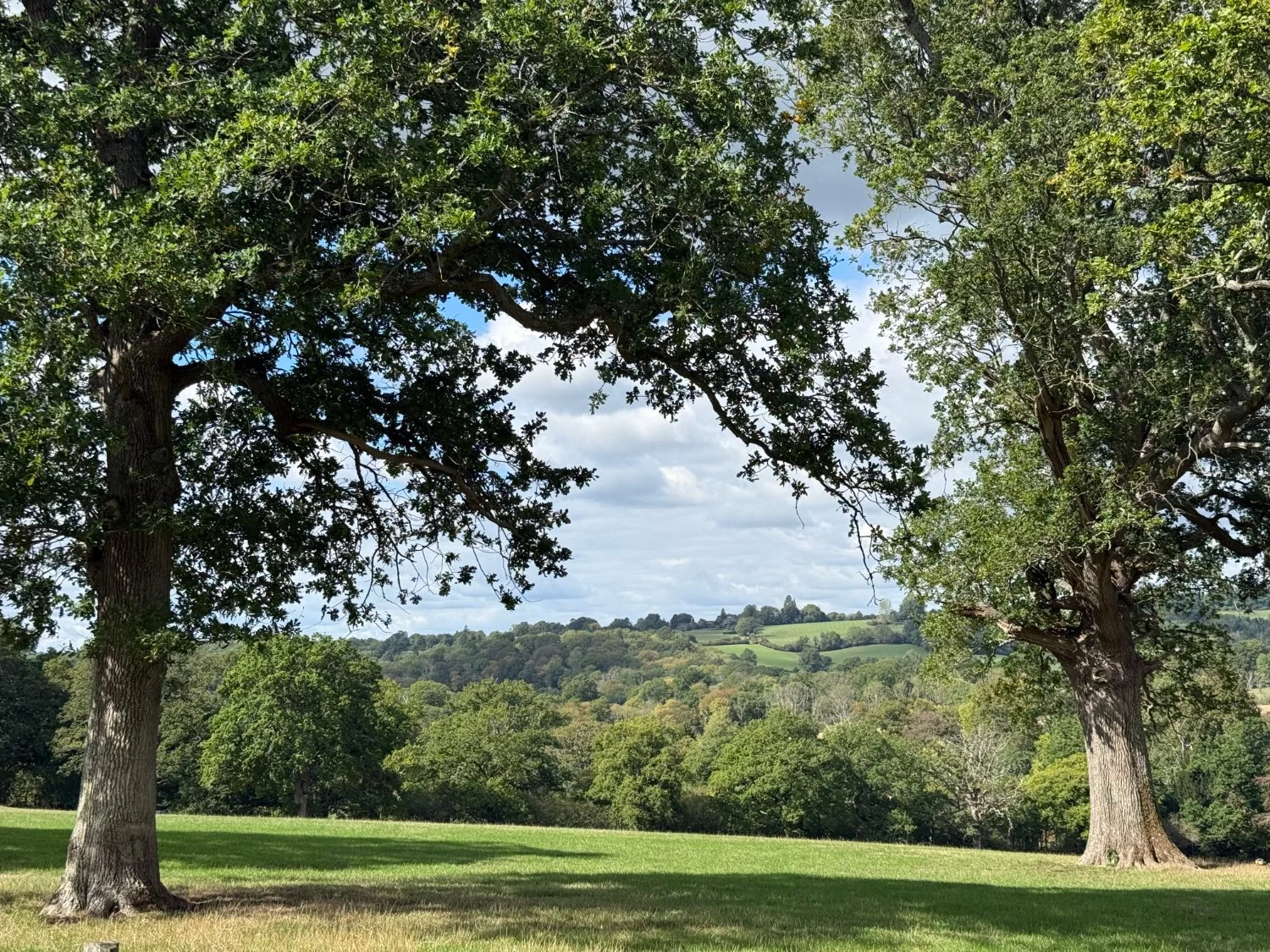
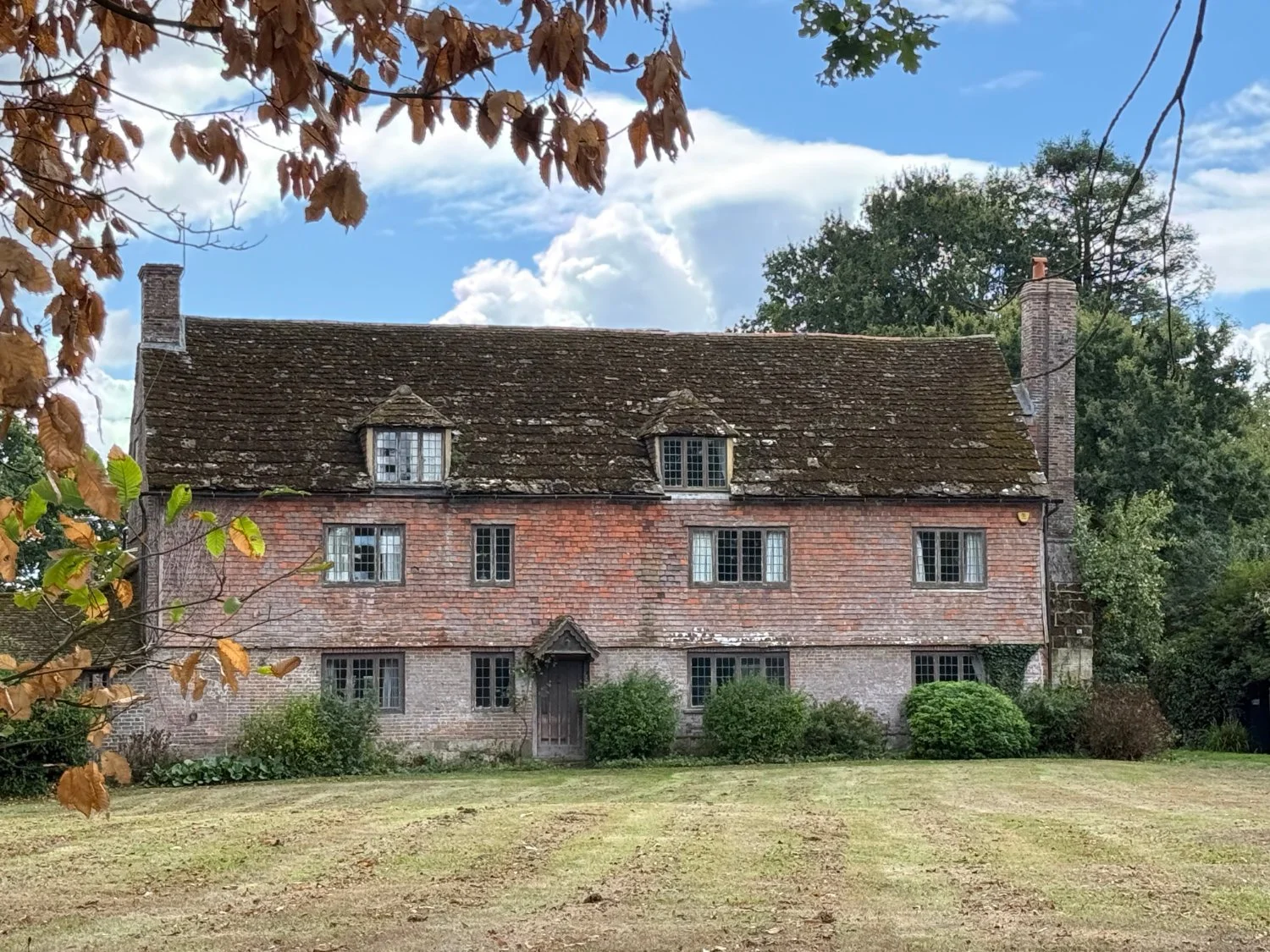
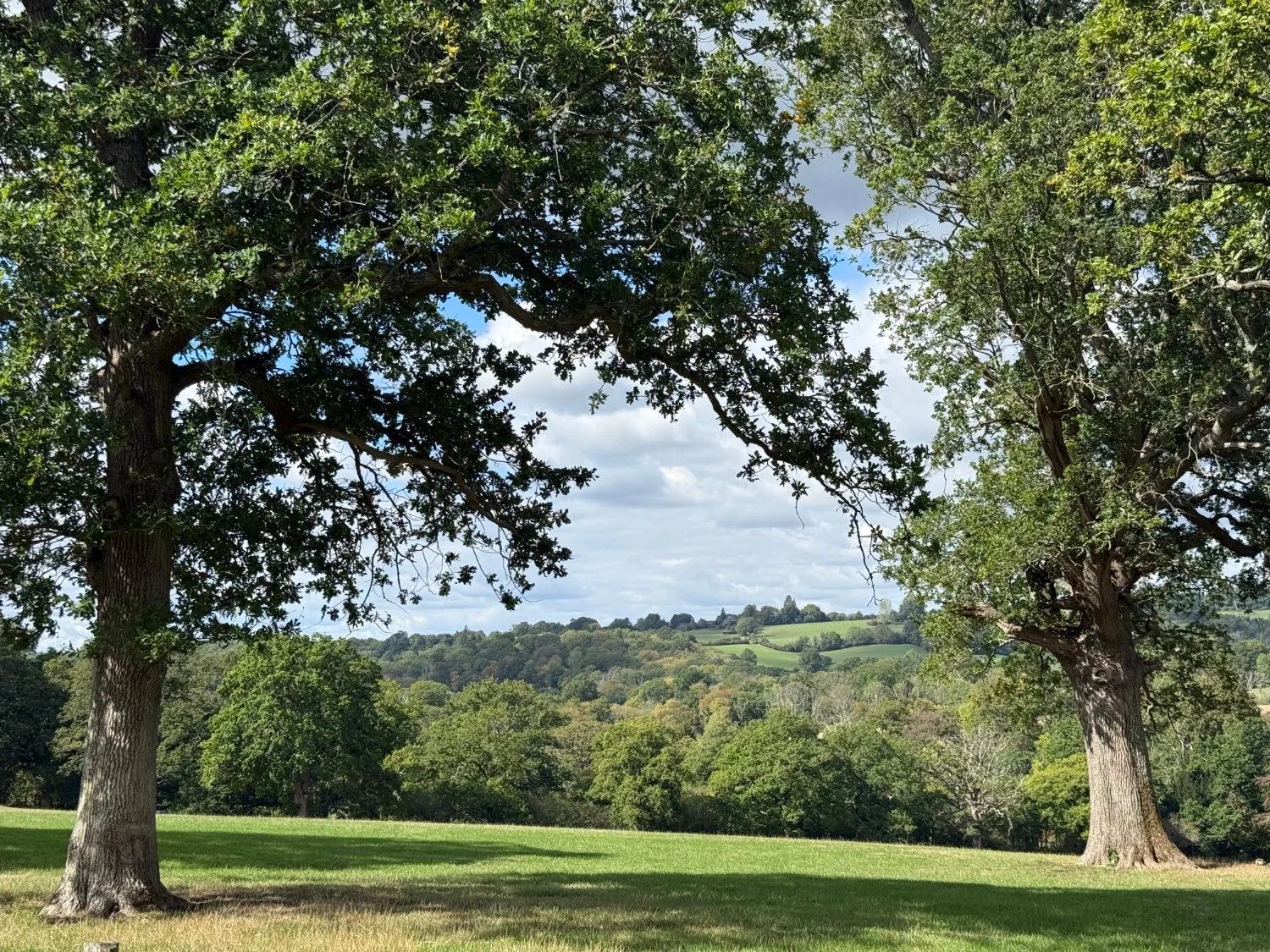
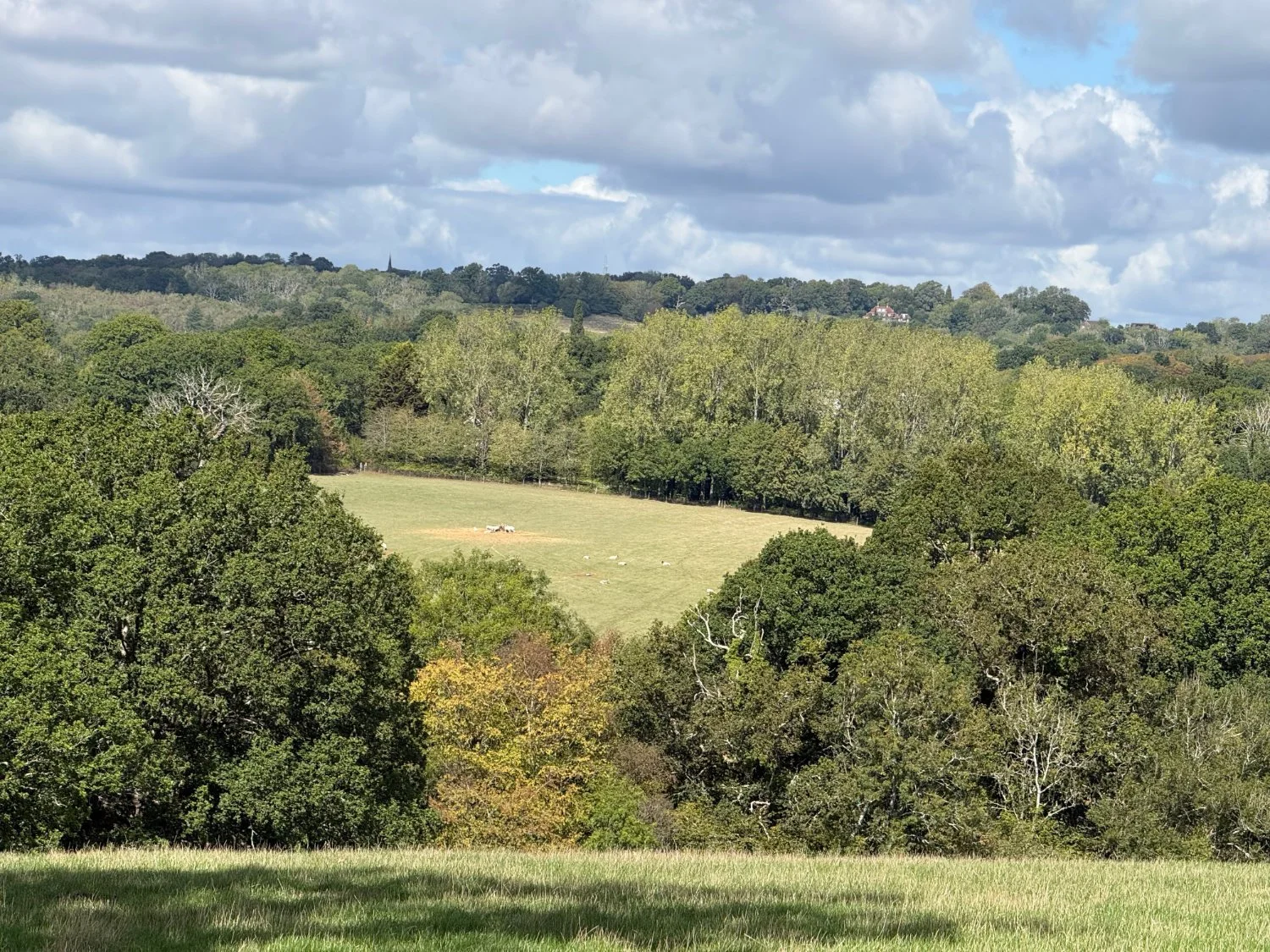
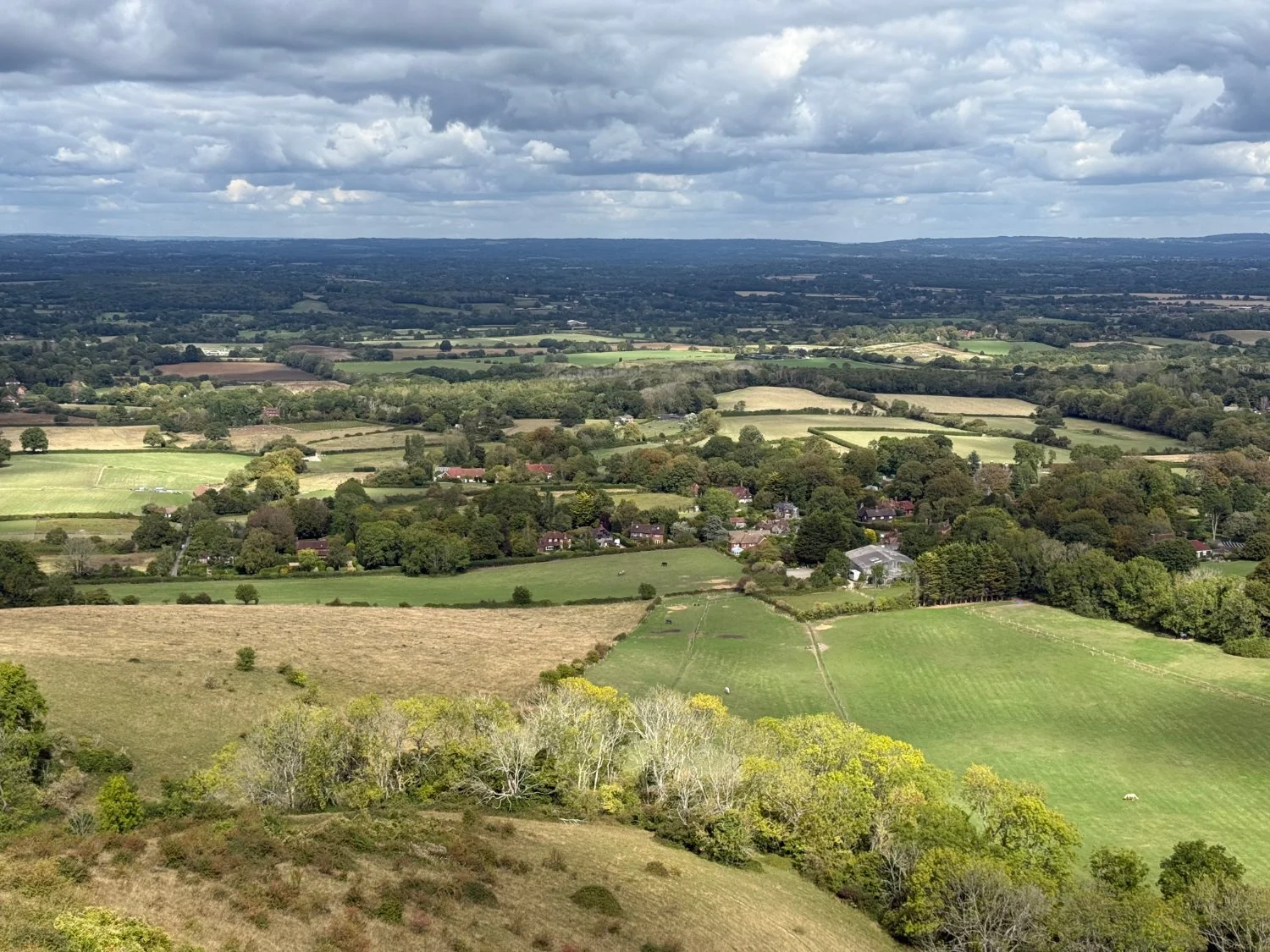
Outwood Lane is not quite the quintessential country lane, for there is traffic. The road is wide and sightlines are good. There are good views across the Weald and you ride past a memorial to the Airmen of 142 wing, who flew their Spitfires from the field behind the memorial as part of the Normandy Invasion. There then follows a curious piece of broken road - more rubble and earth than tar which passes a private fishing lake, some rather grand houses mixed with those ex-farmyards full of rusting machinery and a mass of other things, where you are never quite sure exactly what is going on behind the gates.
Standen House and Garden (NT) is one of the finest Arts and Crafts houses in England. This could be your destination for the day - knowing that you’ll return to finish the route at another time.
East Grinstead is a good half way point with regular trains back to London. The route by-passes the town, but if you need to stop here, follow the signs to the town after a short section of concrete track. It is well signposted. Otherwise, the going becomes hillier, the road begins as quite busy before you turn off onto a succession of curiously named narrow lanes including, ‘Slugwash Lane’.
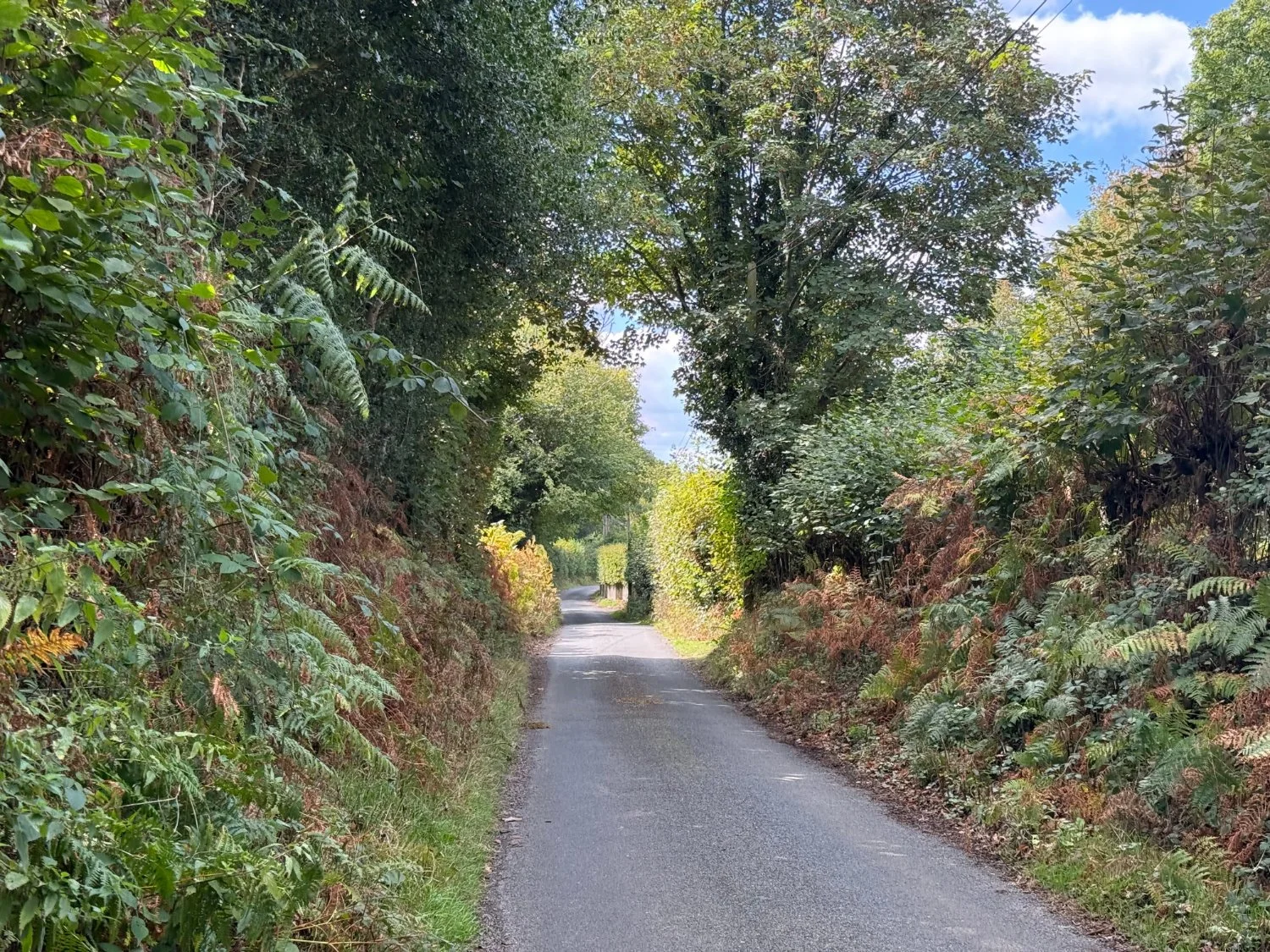
The narrow country lanes leading to Ditchling Beacon
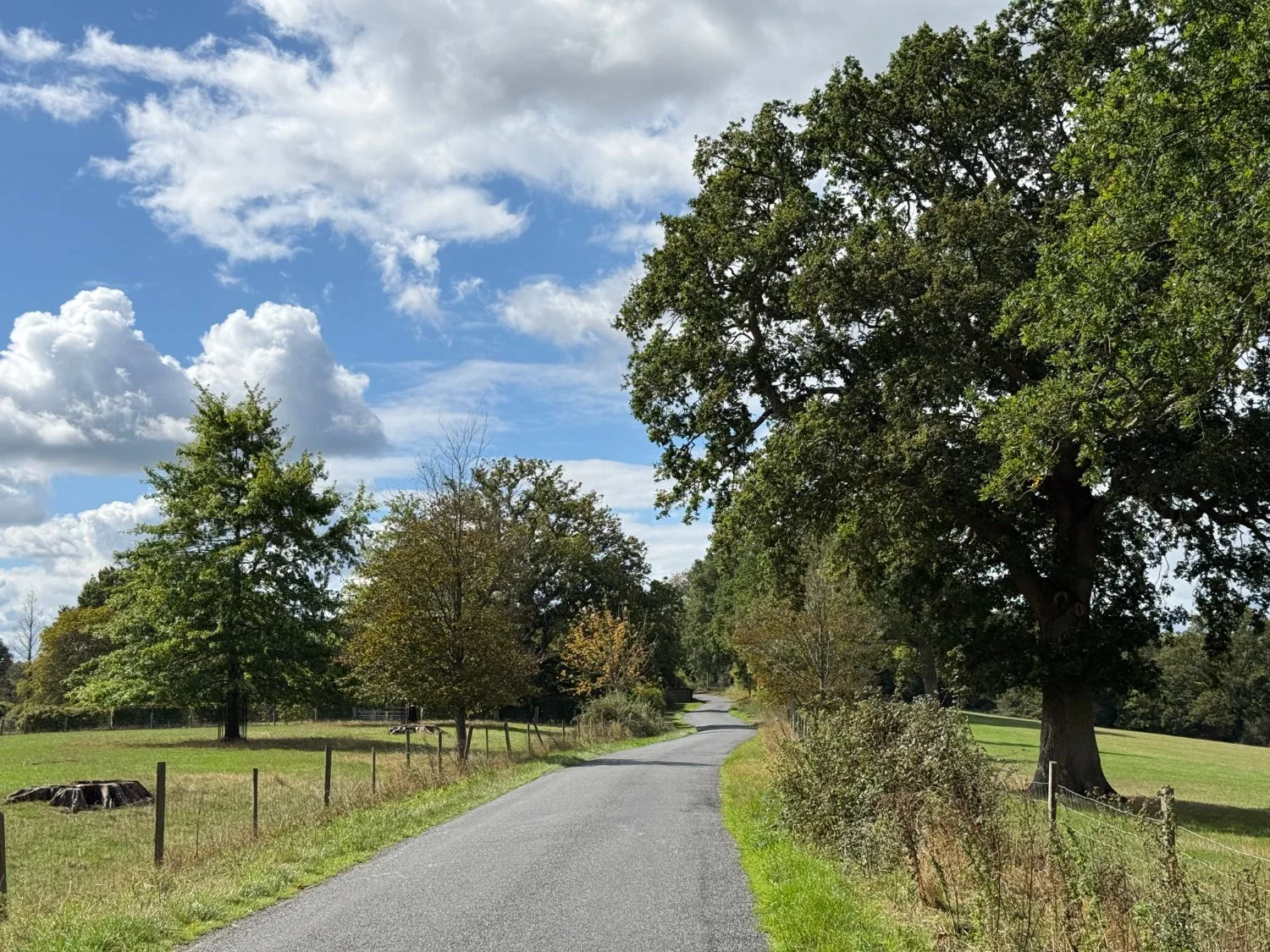
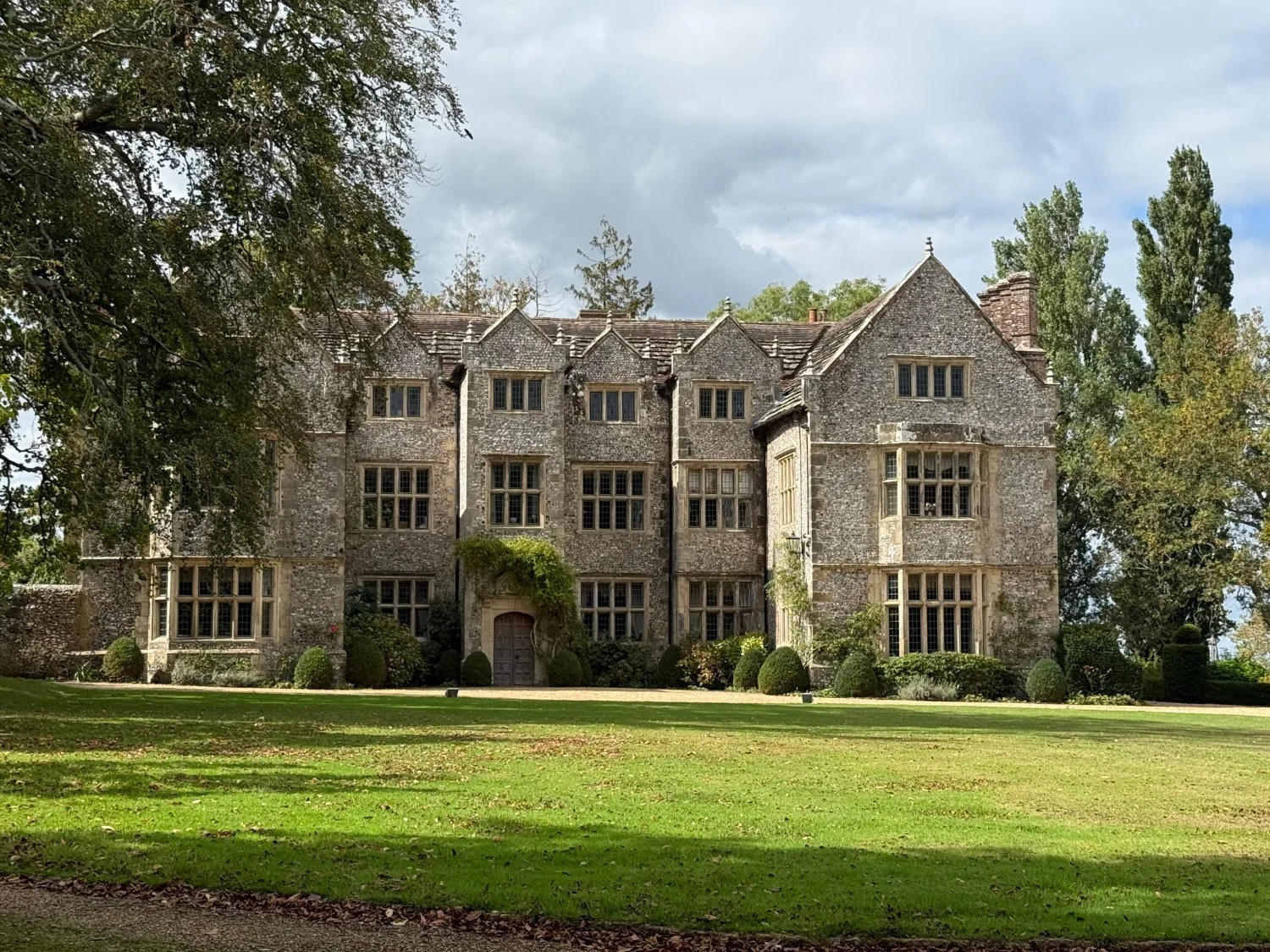
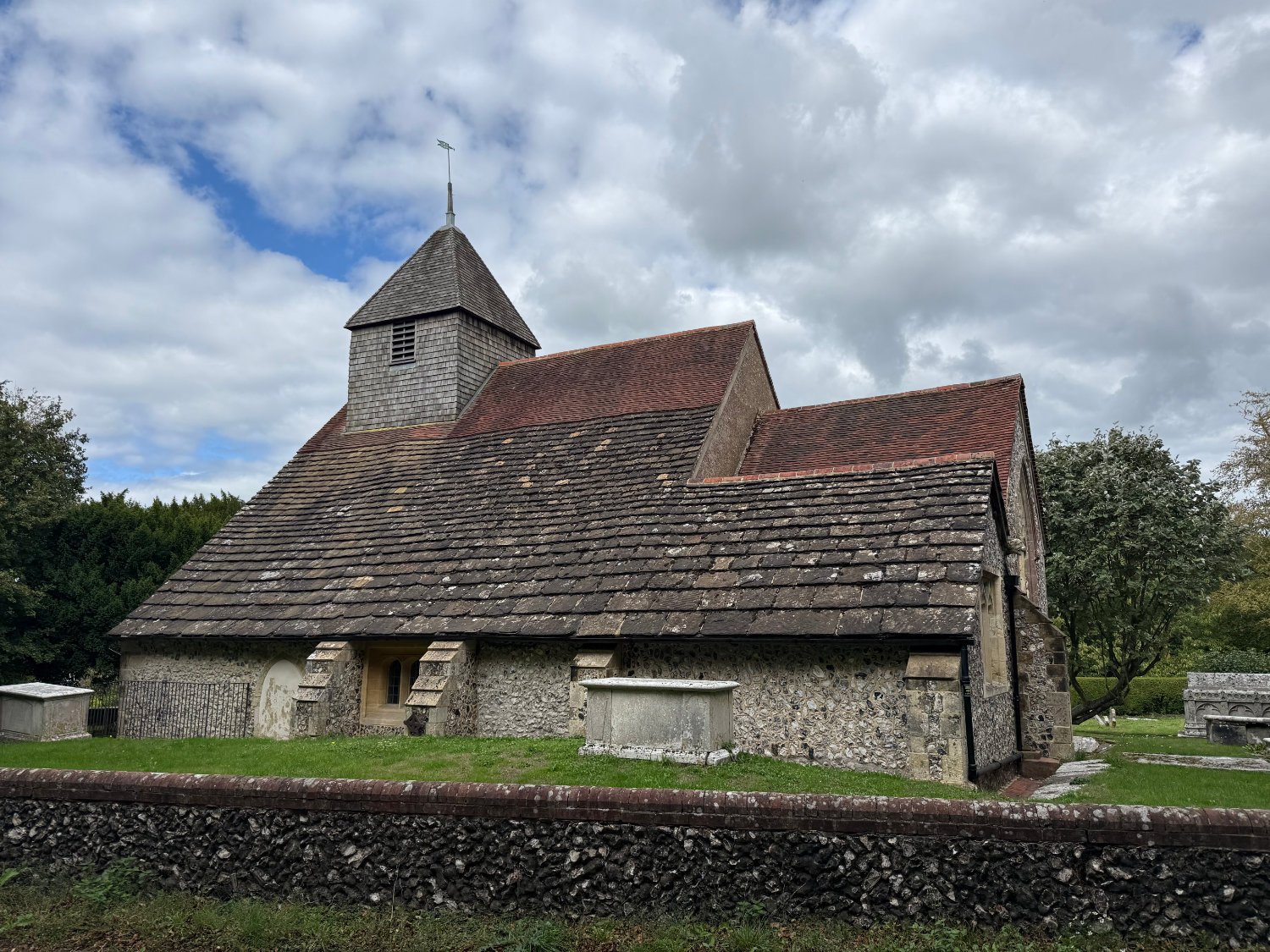
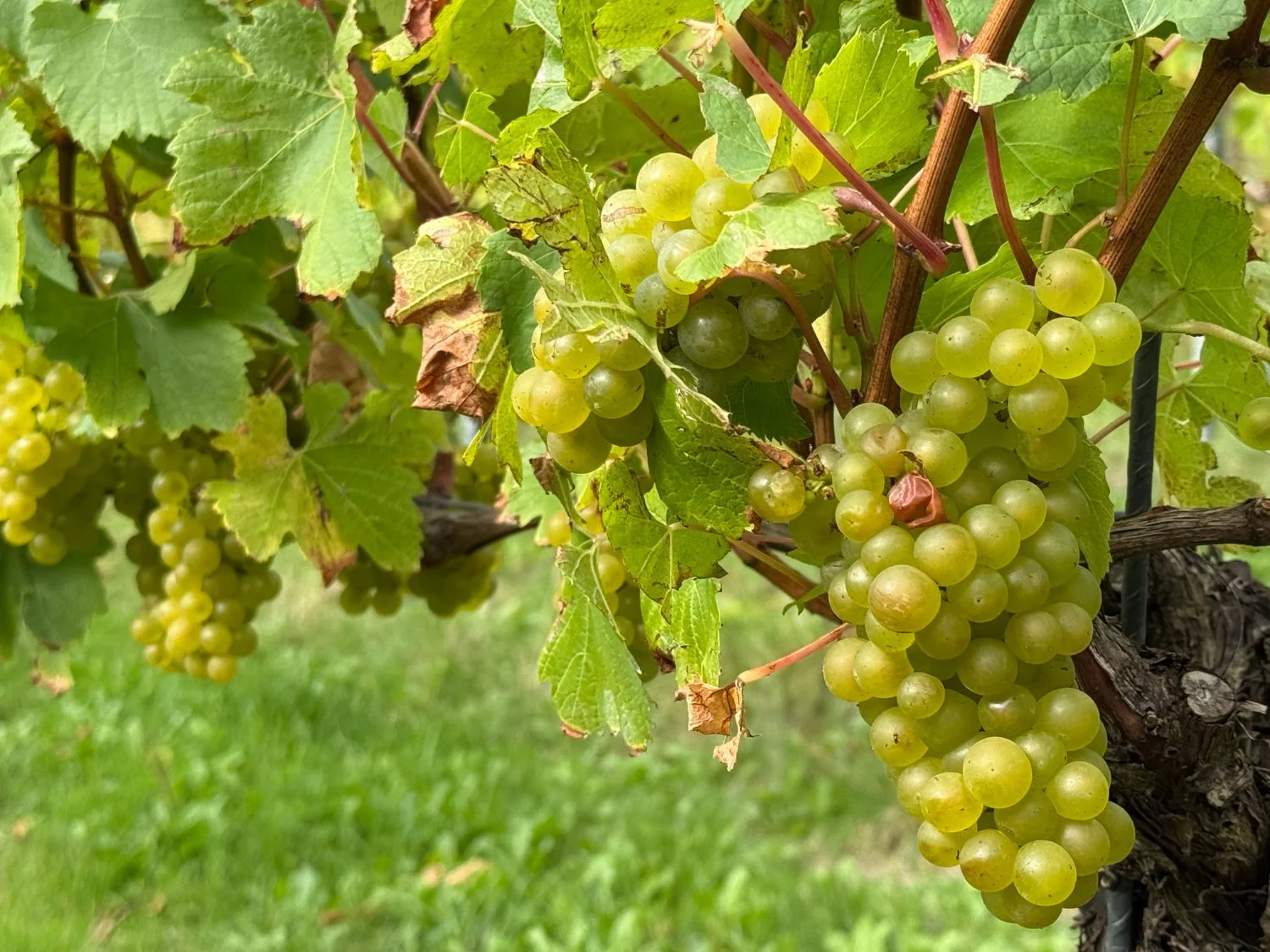
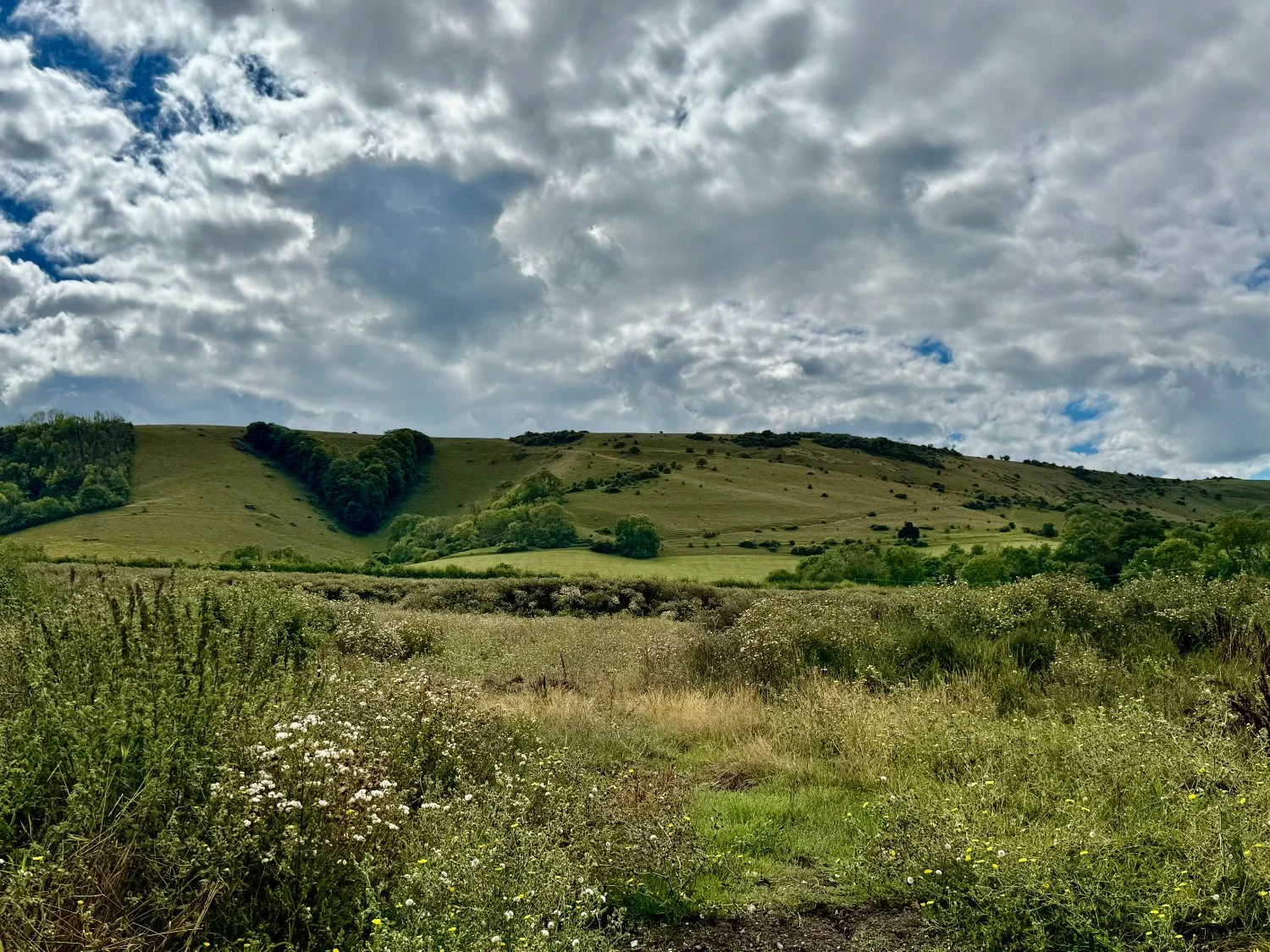
From here on, until Ditchling Beacon, some 25km ahead, the riding is on delightful country lanes. There are some very beautiful houses - notably the Manor House at Streat - along with its 11th century church - and vineyards. Classic southern English countryside too, of pasture, oaks - even vineyards - and rolling chalky hills.
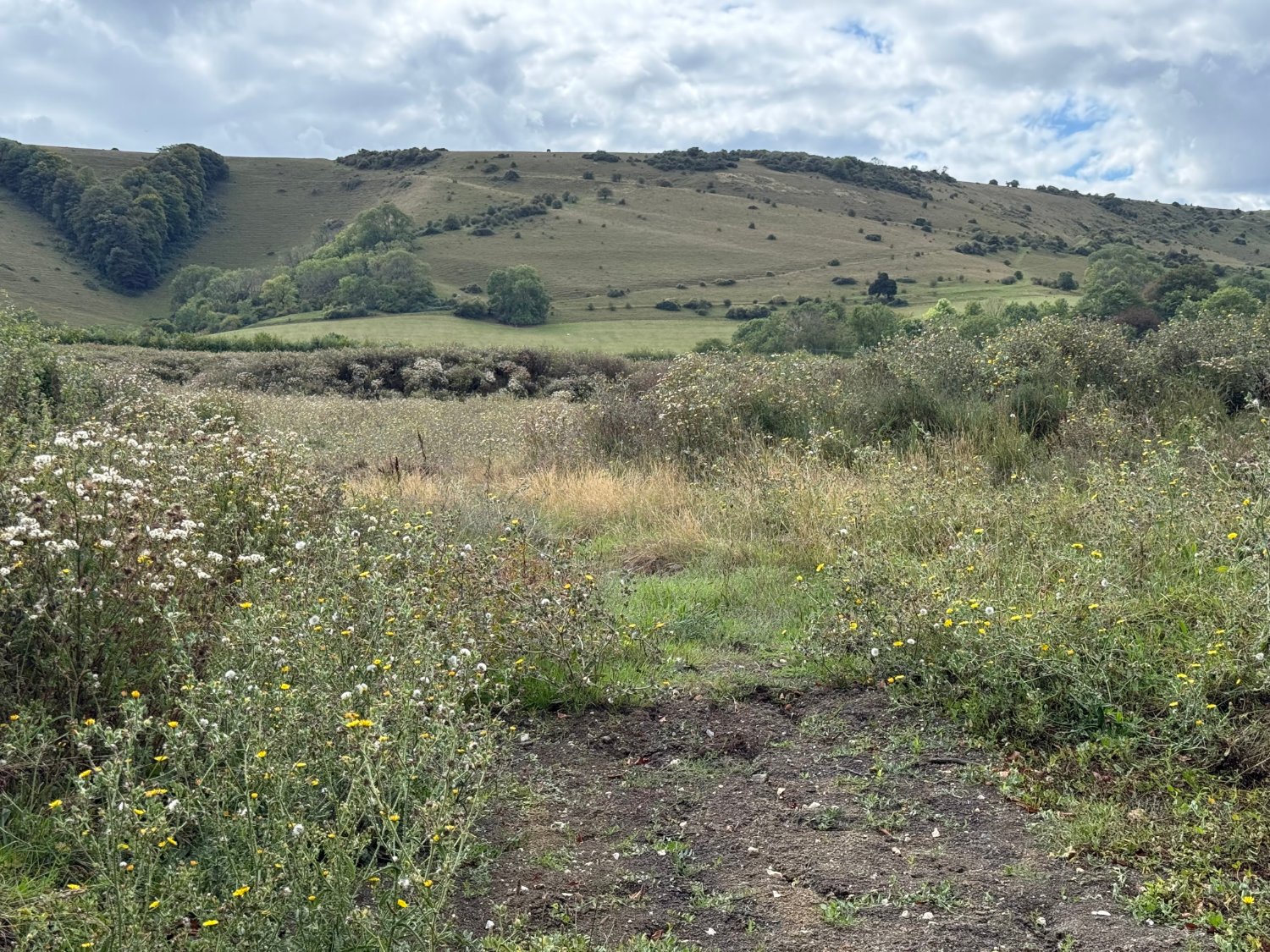
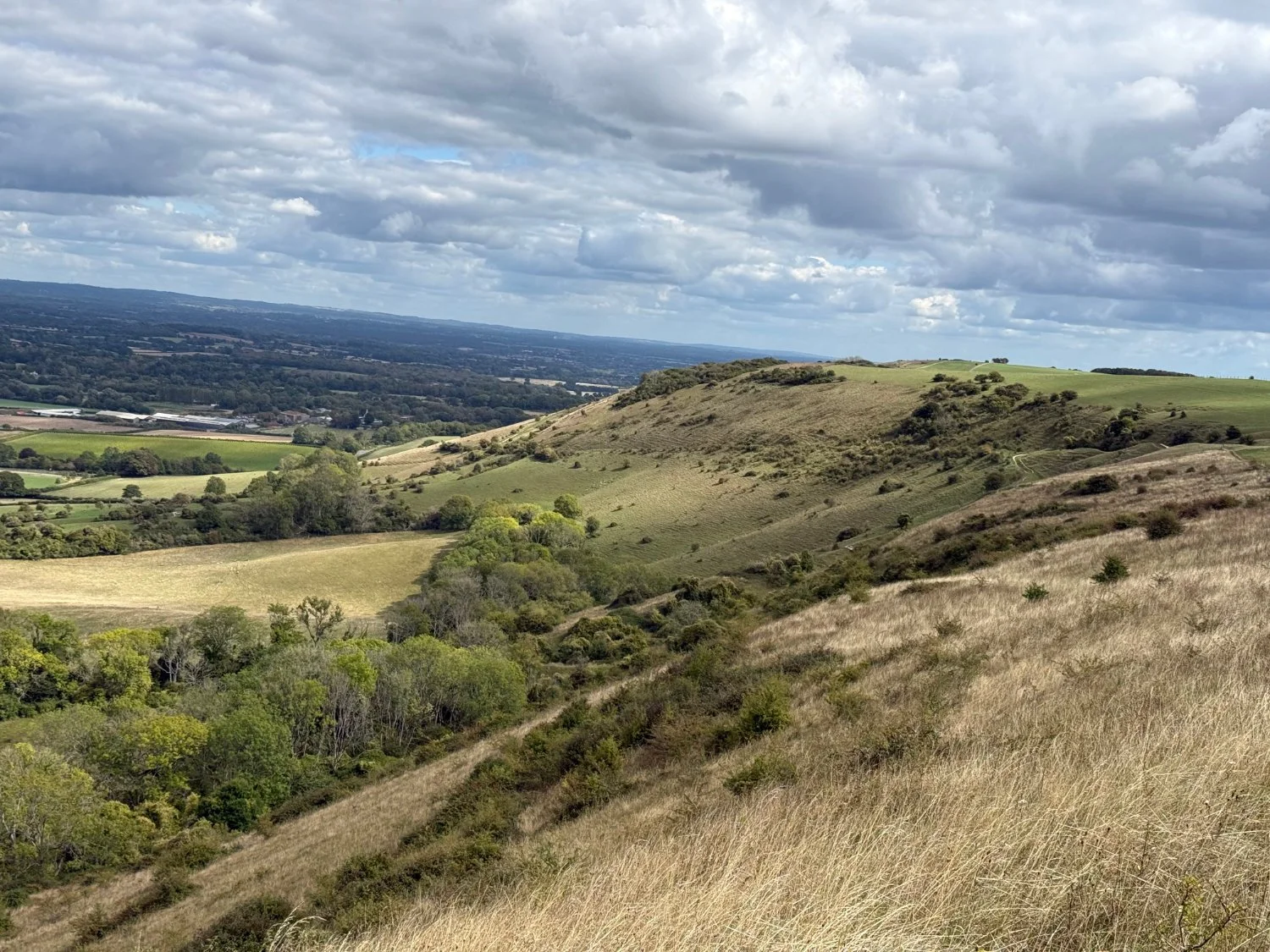
The South Downs
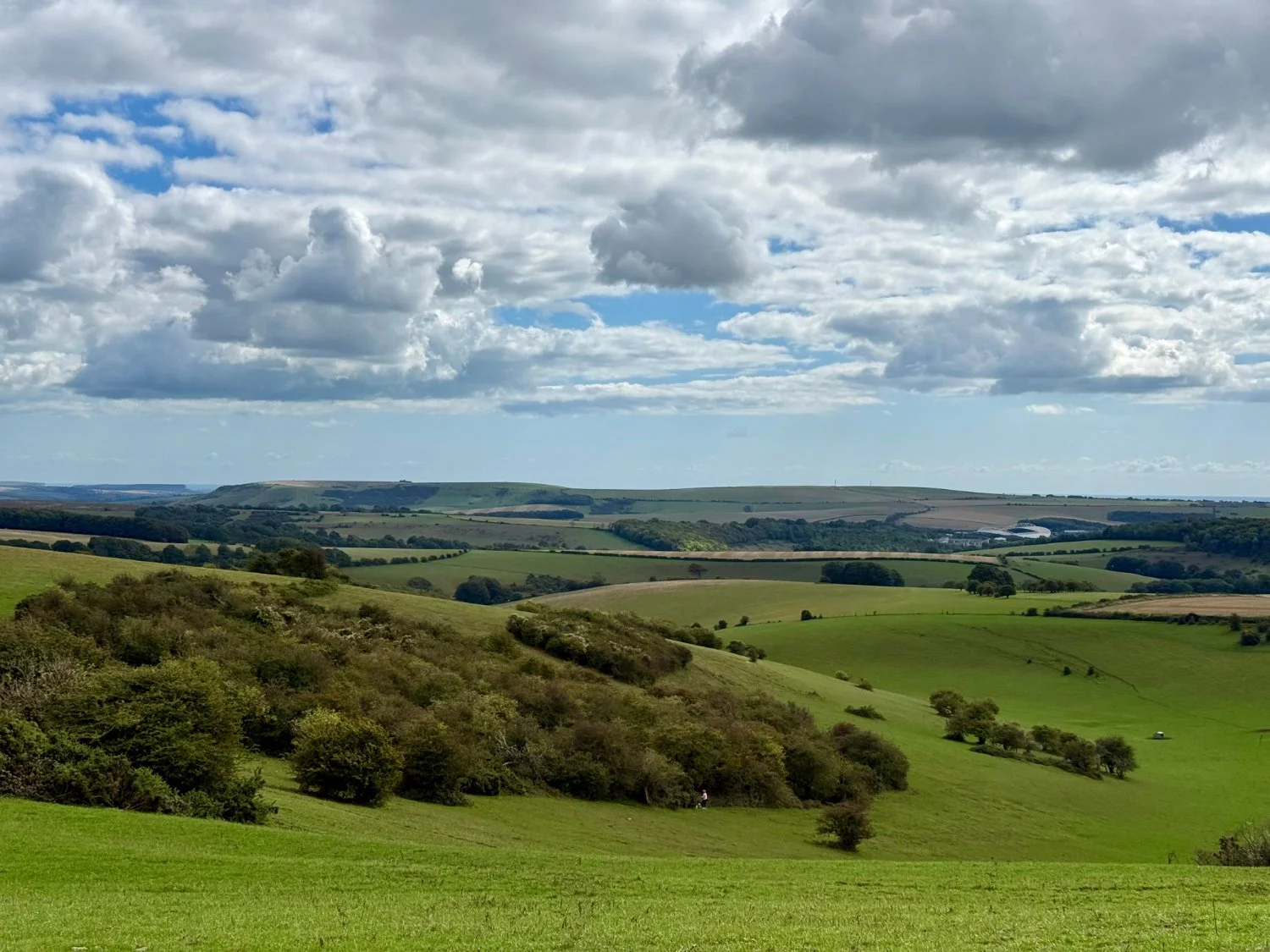
Ahead, the South Downs loom ever higher and you know that you’ve got to ride up that steep hill, Ditchling Beacon, which is spoken of by cyclists doing the London -Brighton Charity Bike Ride with some sort of awe. It is quite steep, and has sections which level out and sadly there is some traffic. However, drivers using the Beacon know to expect struggling, or walking, cyclists, and are used to giving them plenty of space. The views from the top are worth stopping for.
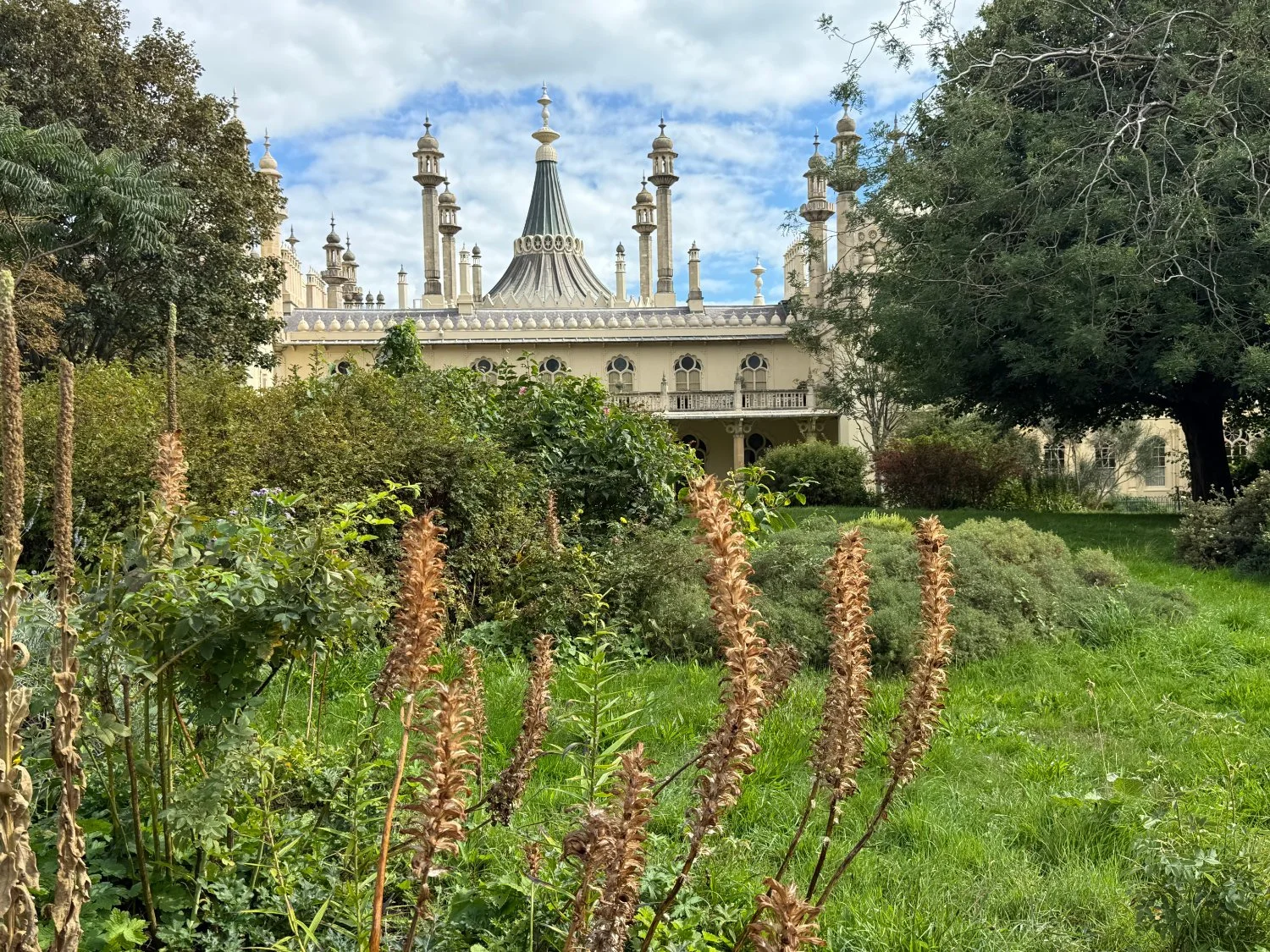
Brighton Pavilion
The run into Brighton is glorious. The road dips and rolls down to the sea. Having crossed the A27, there’s a very good bike path which takes you away from a busy road. As you near the city centre, there’s a mix of proper cycle path and marked lines on the road, until you arrive at the Pavilion Gardens, where you’ll see the weirdest Royal Palace of all; - George IV’s pleasure palace, built in fashionable Mughal style. I tend to leave the route here and head past the palace into Brighton’s lovely Lanes, to the Flint House, where a late lunch awaits. But for those seeking the sea, the route continues for a handful of metres to the famous pier and the Sea.
If you wish for a delectable lunch on the beach, once you’ve reached the pier, head along the cycle path towards Hove (turn right at the pier), and opposite the Old Ship Hotel, take the ramp down to the Old Brighton Fishing Quarter on the beach. There you’ll find the Smokehouse, a traditional fish shop selling huge rolls filled with the local catch, smoked or unsmoked. Beer and ice-creams are nearby.
Every route on this website has been carefully researched as well as ridden. However situations on the ground can change quickly. If you know of changes to this route, or cafes, pubs and the like which you think other cyclists need to know about, feel free to share your thoughts below.
If you enjoyed this guide, why not subscribe to the website so as not to miss other inspirational routes?
wheremywheelsgo.uk is a Feedspot UK Cycling top website