163km London to Canterbury
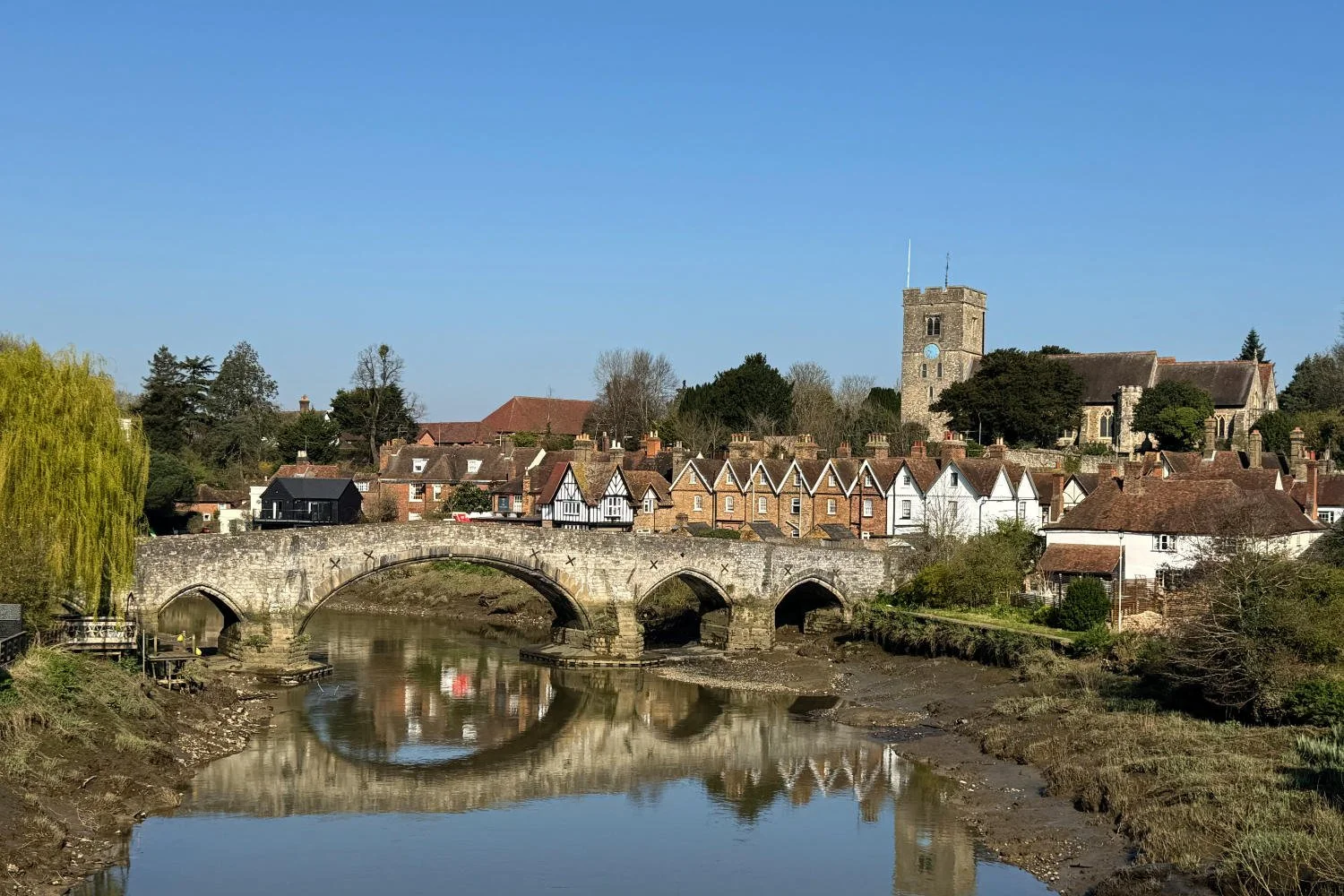
Pilgrims all on the road from London to Canterbury
Ride Overview
Perhaps as they faced a multi-day journey in all weathers, Kings and Archbishops as well as countless pilgrims and traders, had difficulty in appreciating the often muddy ancient tracks of the North Downs as they journeyed between London and Canterbury, but for modern off-road cyclists the route is a dream. Largely traffic-free, the route heads out of London on one of London’s excellent cycleways beside the Thames, and onto the marshes of Dartford. Once beyond Greater London, the route heads down the Darent Valley, passing a Roman villa, and several quintessential Kentish villages along with a smattering of former palace. At Otford the route joins up with the Pilgrim’s Way and heads along the flanks of the North Downs through holloways and tracks so ancient that they were old before the Romans arrived. The end of the first day is spent in a 16th century pub and the night in an ancient priory. (Christian faith not a pre-requisite for an overnight stay). Refreshed in the morning, the way continues through vineyards and orchards and more wonderful chalky-flinty tracks to Canterbury. At your journey’s end there are the city’s medieval streets to wander through, before ending the ride inside the stupendous cathedral, a ‘history in stone’, and a UNESCO World Heritage Site.
Ride Practicalities
START/FINISH: Lambeth Palace DISTANCE: 117km. TOTAL ASCENT: 973m TERRAIN AND SURFACES: Segregated cycle-ways, quiet back roads and many miles of superb tracks (which can be muddy in the depths of winter). FOOD AND DRINK: Southwark; Borough Market (beside Southwark Cathedral is London’s leading food market with many ‘street food’ stalls), Deptford; Sylva, Intervalo, Marcella, Aylesford: The Friars, (Cafe and accommodation), The Chequers Inn, Wye: The Hub Canterbury; The Good’s Shed MAINLINE TRAIN SERVICES: There are train stations in just about every village, town and city LINKS TO OTHER RIDES: Greenwich to Hampton Court , Blackfriars to Erith, The Chaucer Way
Ride Notes
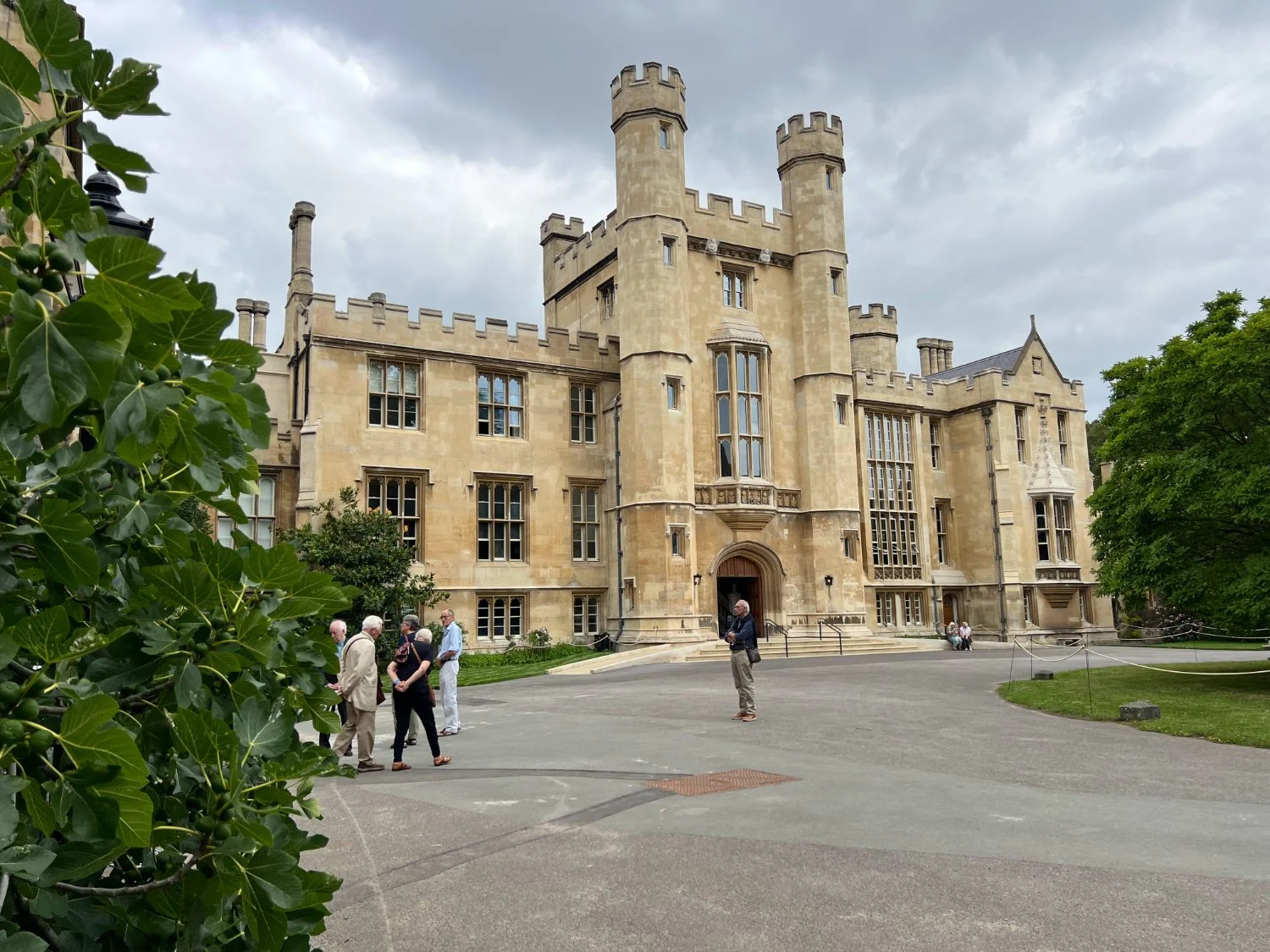
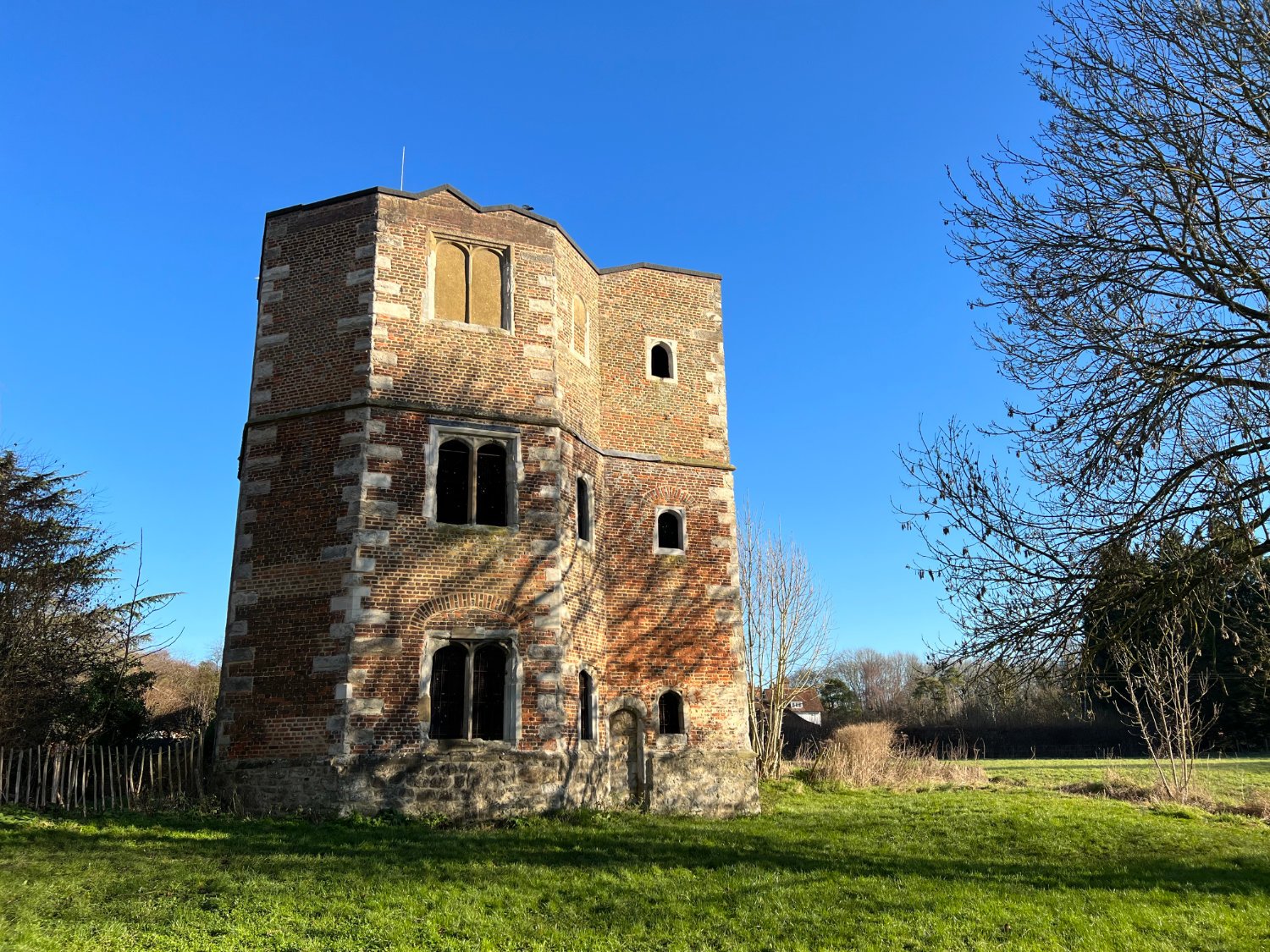
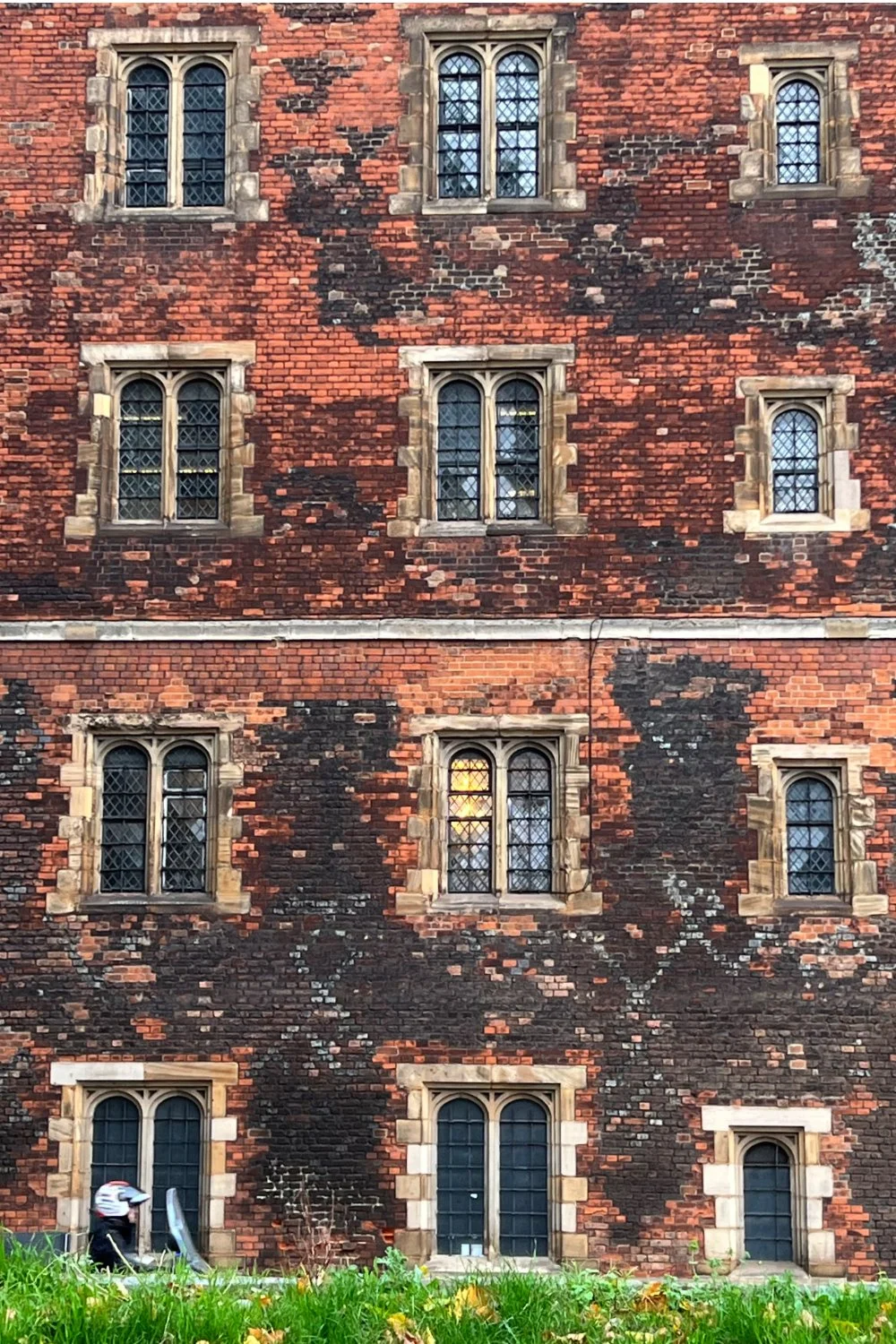
Morton’s Tower, where the ride begins, is the oldest brick structure in London (1485). Many an archbishop would have passed through its doors to begin the trek to Canterbury. A slightly raised piece of ground surrounded by marshes was bought by Baldwin, Archbishop of Canterbury, in 1190 so that he could be close to the seat of power, the Palace of Westminster, across the river. For over 800 years Lambeth palace has been the London residence of the Archbishop of Canterbury. Whilst prayer and governance of the Church of England have played their part inside the wall, there have also been several unholy events (including the trial for heresy of John Wycliffe, the first person to translate the Bible into English. He was found guilty and later burned at the stake).
Lambeth Palace
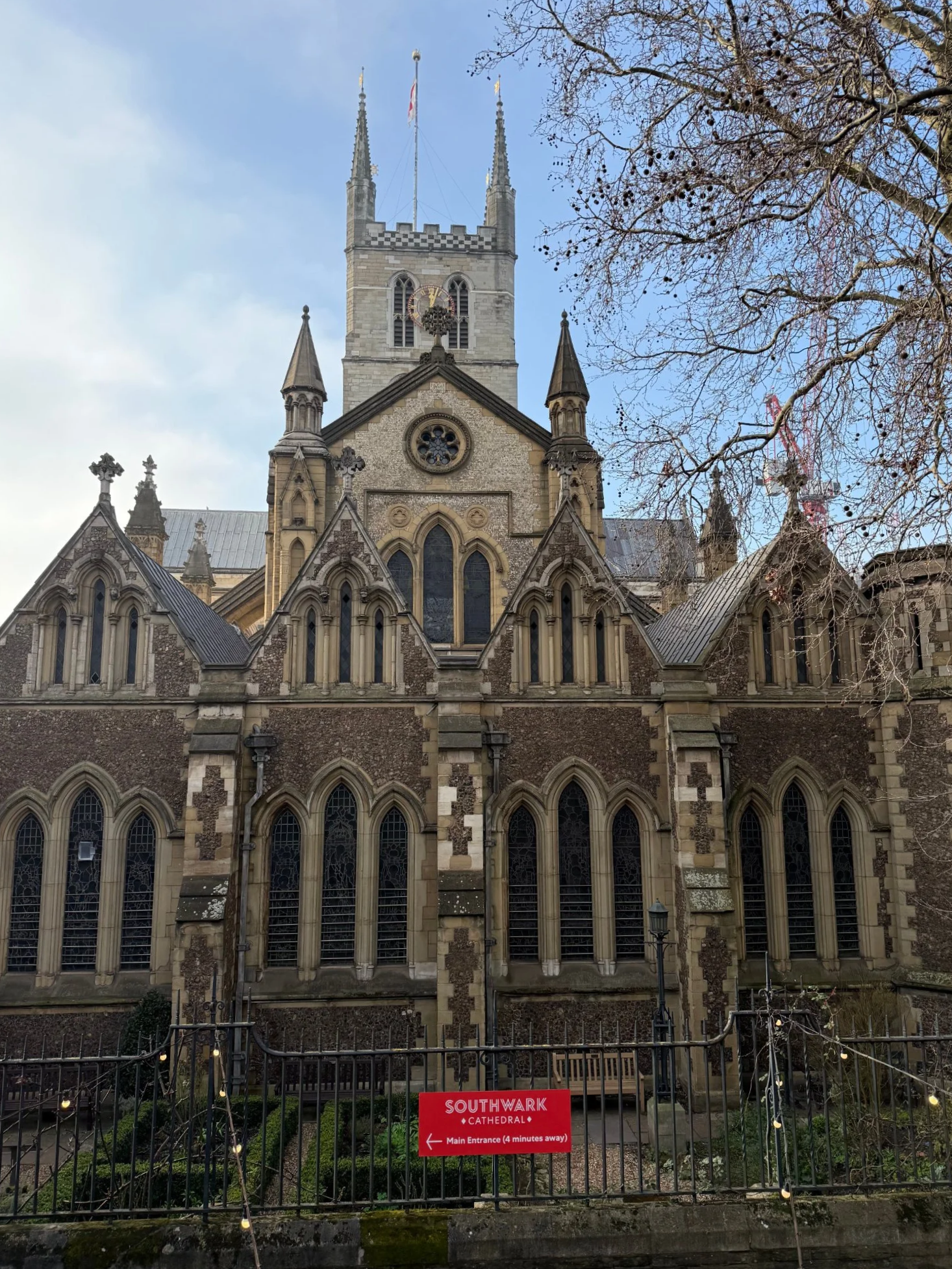
Follow the riverside path past the National Covid Memorial Wall, and after carrying your bike up half a dozen steps to access Westminster Bridge, continue along the south side of the river, following signs for NCN 4. You pass any number of places from the National Theatre to The Shard before arriving at Southwark Cathedral, from where pilgrims have traditionally set off for Canterbury.
Southwark Cathedral
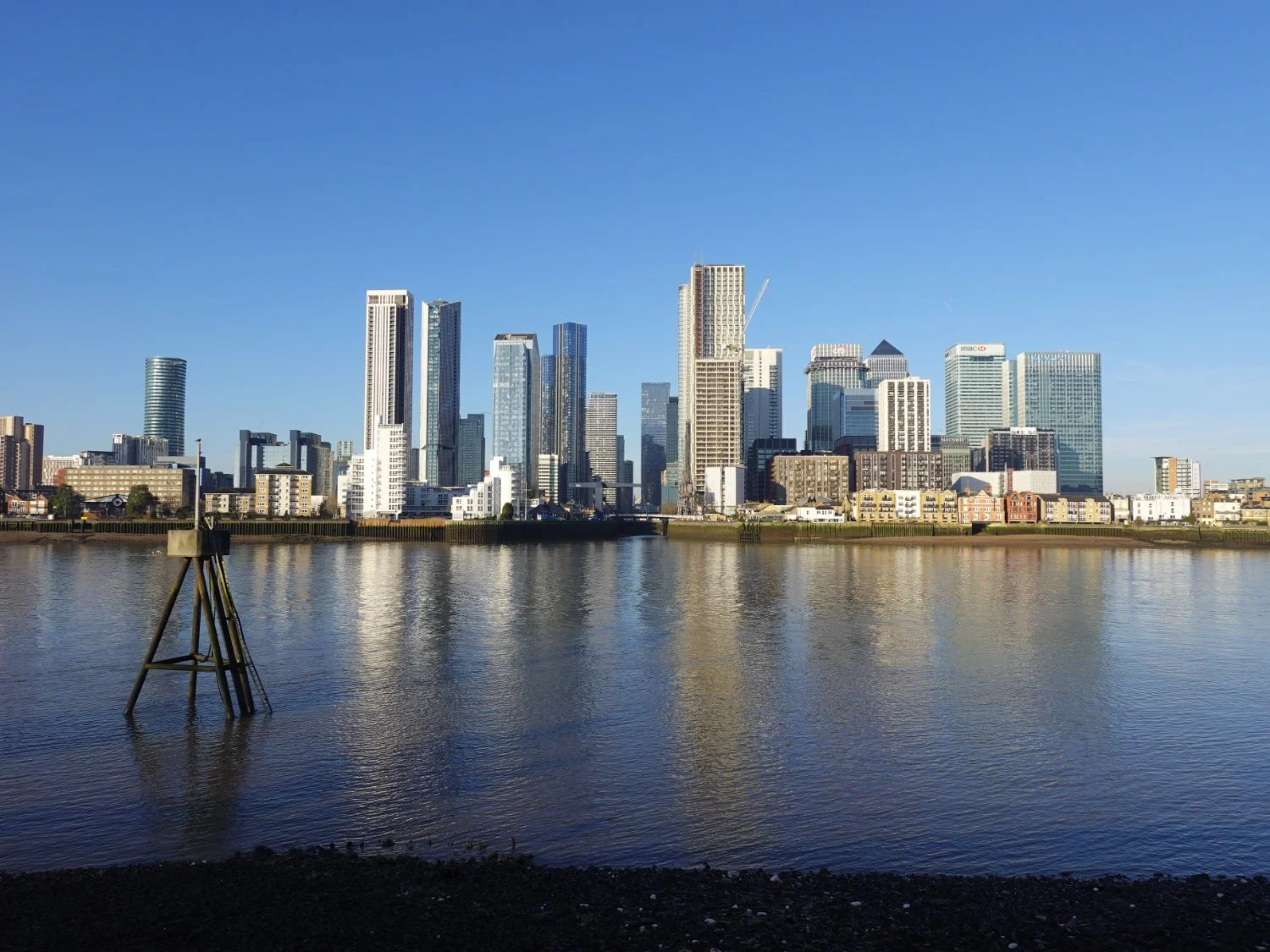
The route now follows Cycleway 14 (clearly marked on the road), with a combination of quiet back streets and segregated cycle lanes. Bermondsey, Rotherhithe, the Surrey Docks and Deptford. There’s the Thames to enjoy as well as the London’s oldest purpose-built docks, Surrey Commercial Docks. Much of the former dockland has been converted into woods and parks, with only street names hinting at the trade with Russia, the Baltic, Scandinavia, Greenland and Canada.
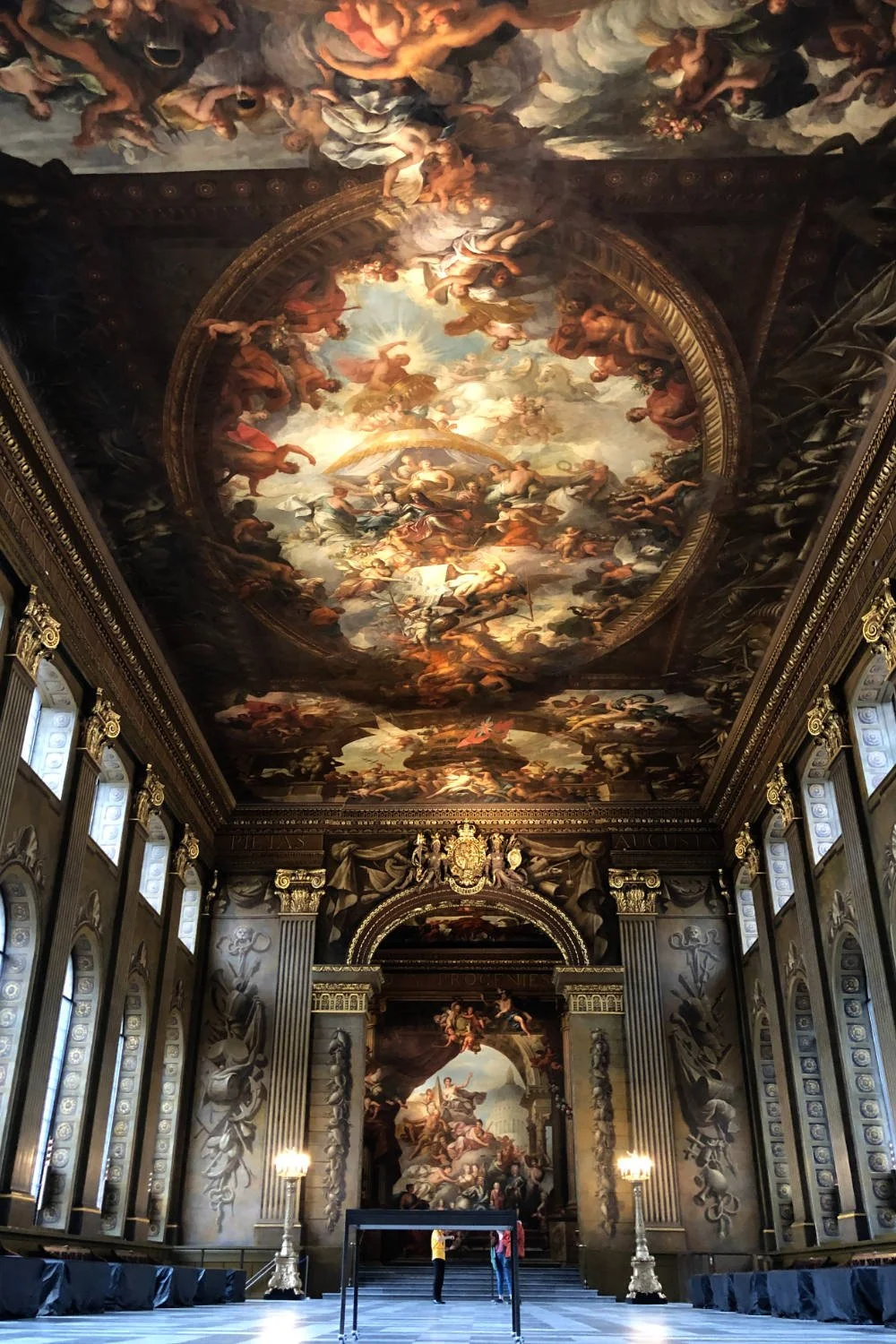
On to Greenwich, the first of the UNESCO World Heritage sites on the route. Once a royal palace named Placentia, where both Henry VIII and later his two daughters were born, it was transformed into a ‘hospital’ for wounded and retired sailors on the orders of Queen Mary I. The sailors’ dining room, the Painted Hall, is one of the finest Baroque interiors in the land and if you’re not in a hurry, its well worth stopping for.
Continue up the hill to the Royal Observatory (turn left for the best view over London) and on through Greenwich Park, before enjoying the delights of Charlton, Woolwich and Plumstead. Some grand homes, great views over London, and good open commons and parks.
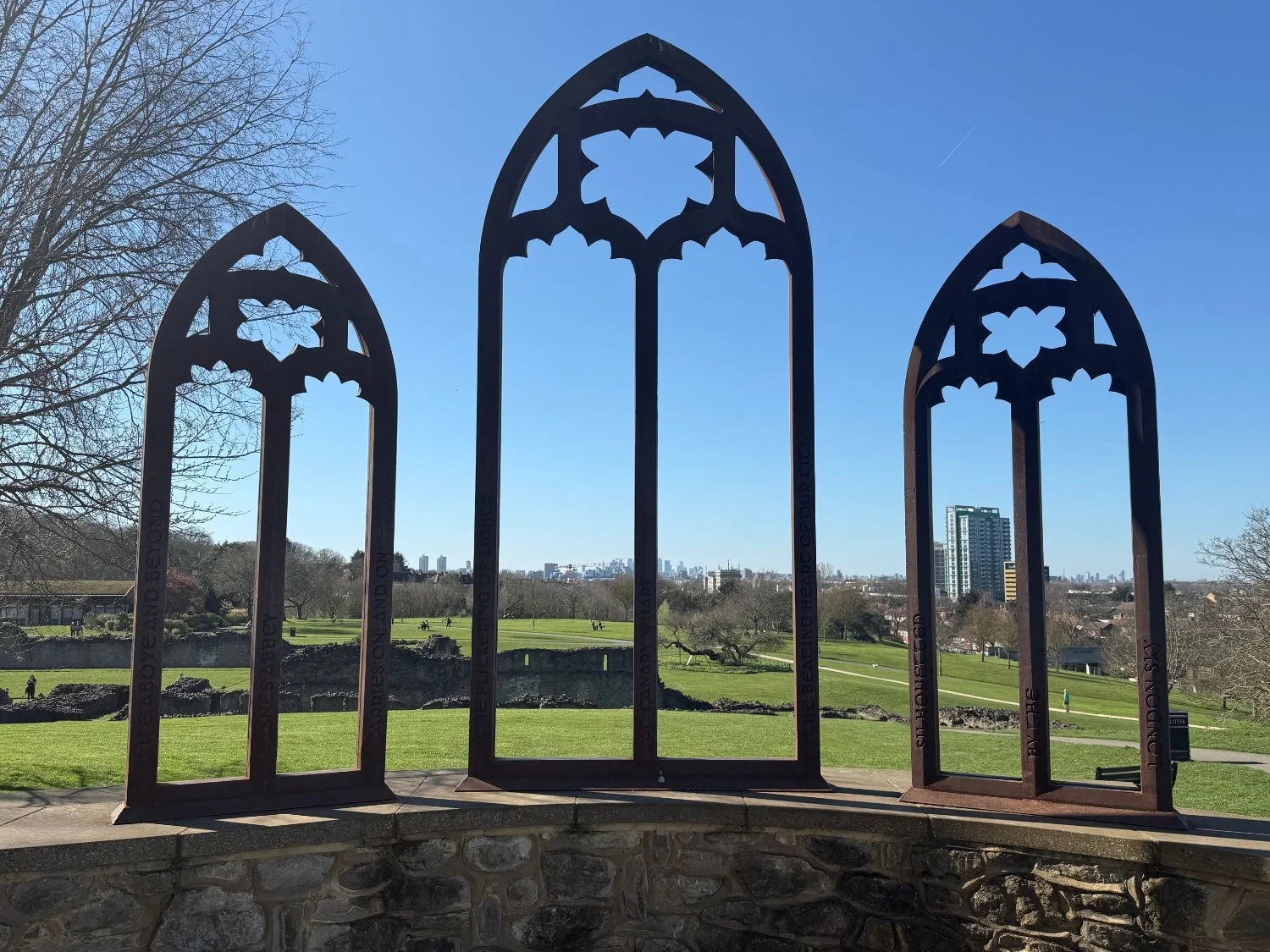
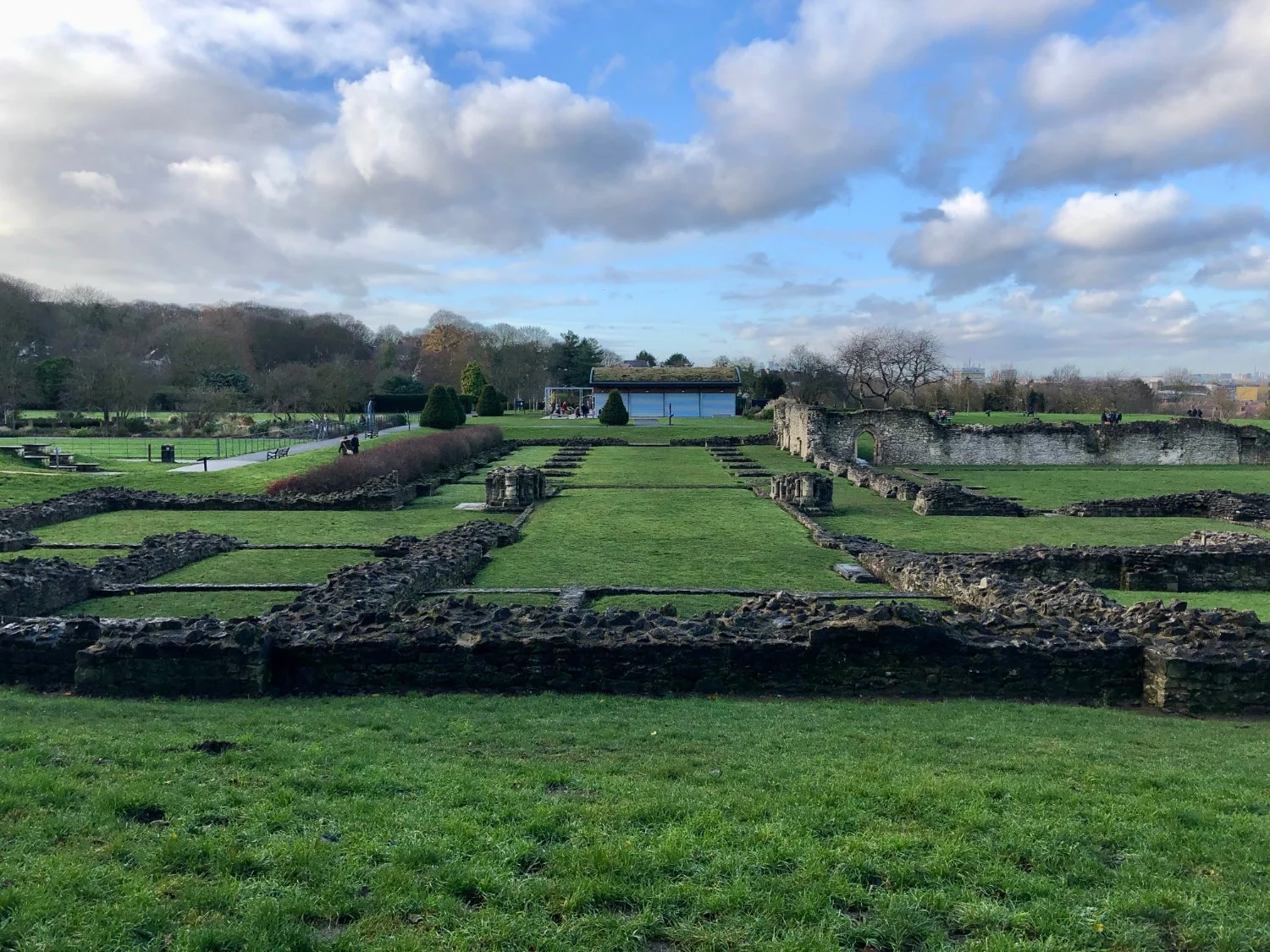
The first connection with pilgrimages to Canterbury since leaving Southwark Cathedral is Lesnes Abbey, founded in 1178 by Richard de Luci, Chief Justiciar of England, as penance for his role in the murder of Thomas Becket. Until its dissolution, it was the first overnight stop for pilgrims passing through.
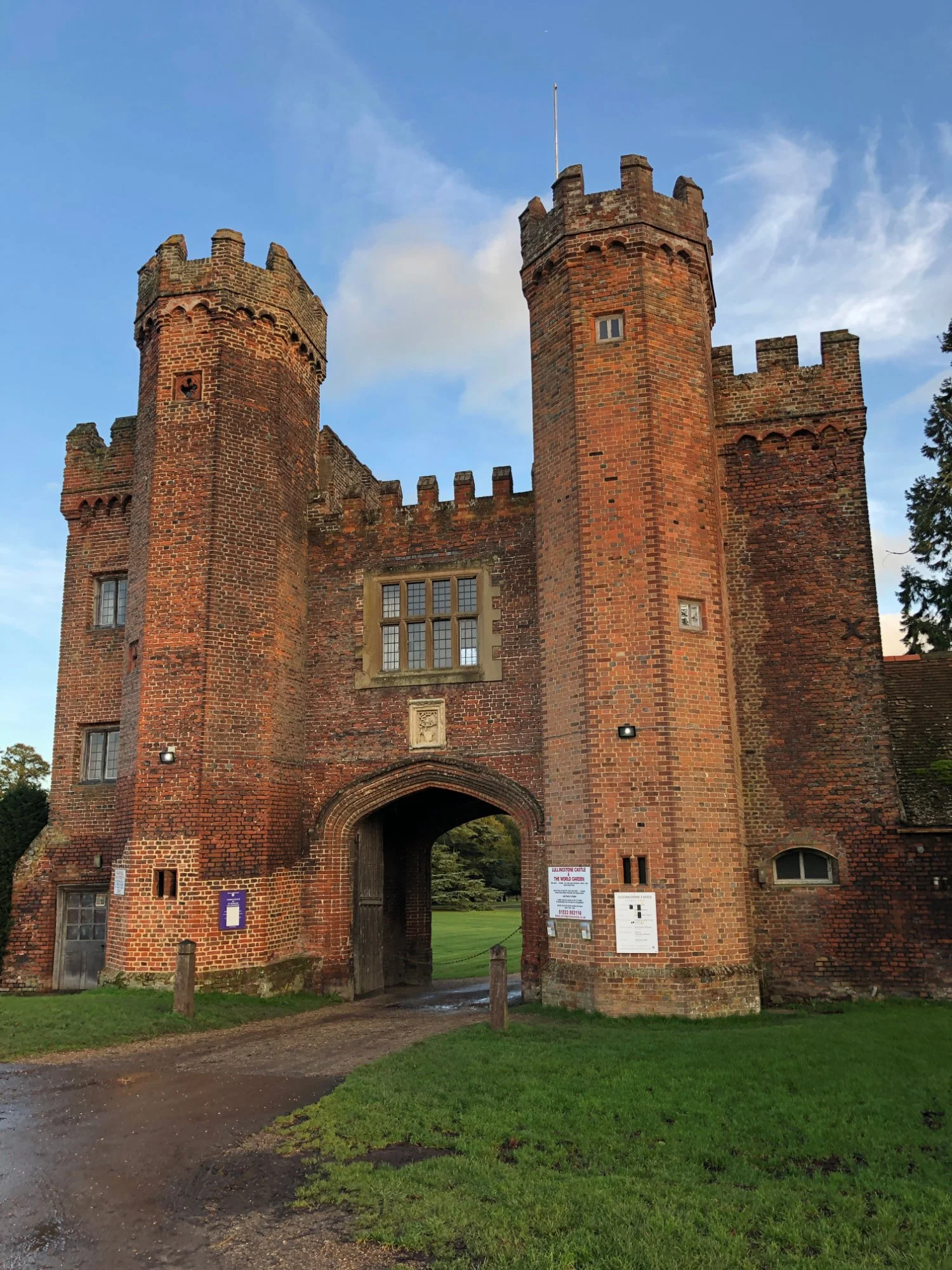
Lullingstone Castle
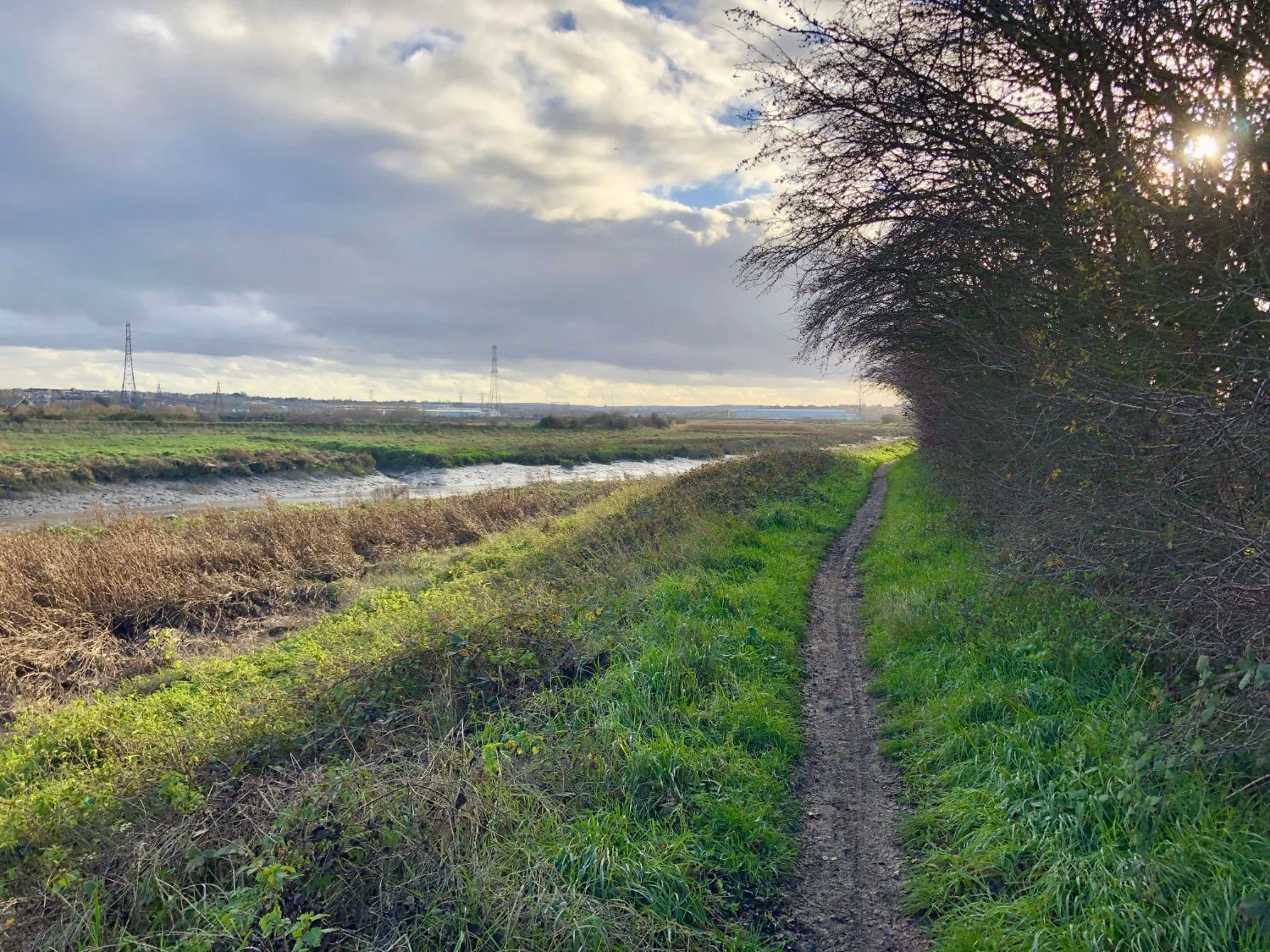
So far, the route has been mainly on city cycle paths and quiet roads, but after the brash noise of Erith you leave the confines of Greater London and head inland on an earth path which follows the River Cray to Dartford.
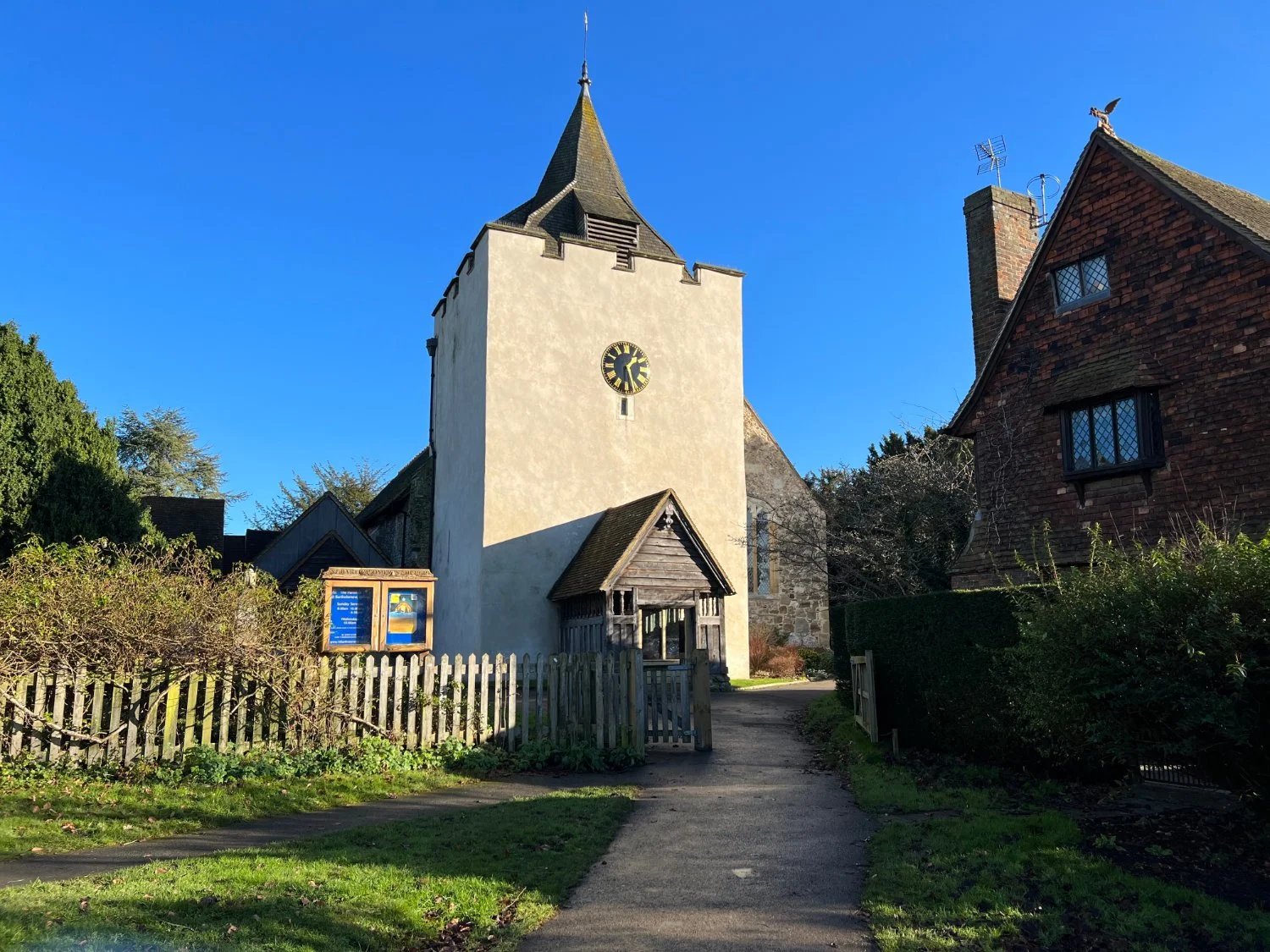
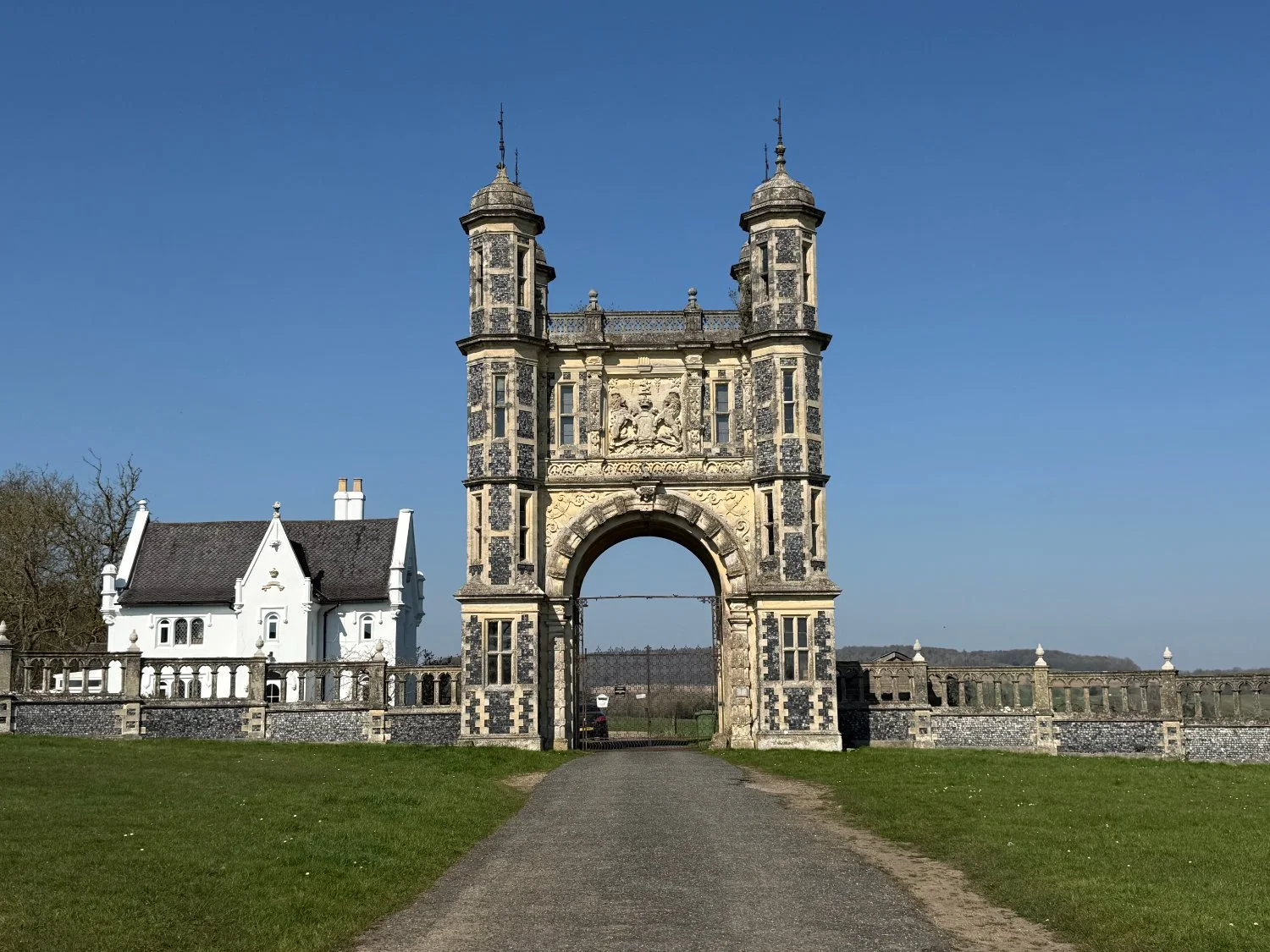
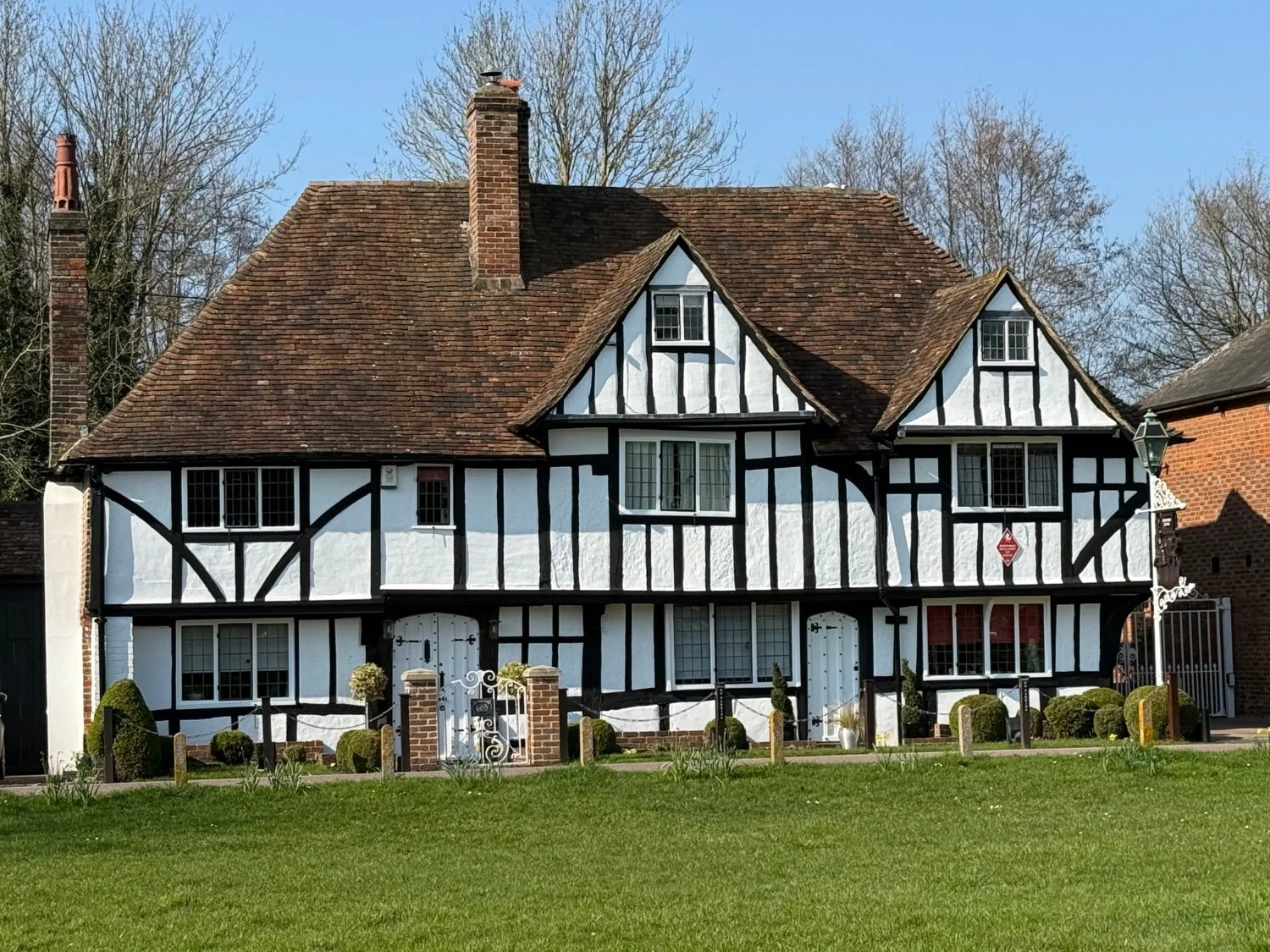
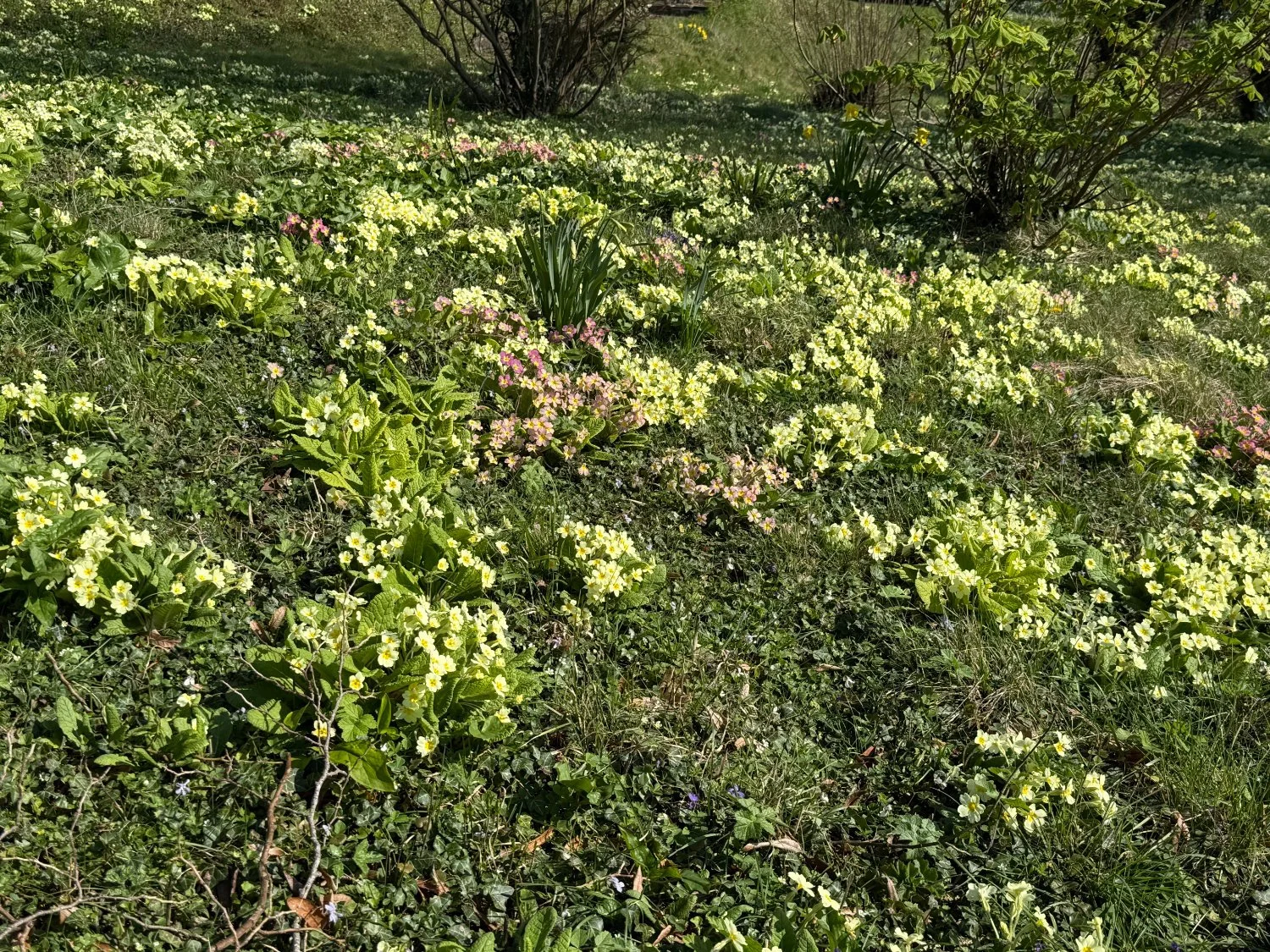
Once through Dartford (using cycle paths), London’s grip on the land weakens. There are fields, some trees and hills, and much fly-tipping (this seems to be a Kent speciality). From Farningham onwards, the villages become picturesque, with quintessential English cottages, rose gardens and village pubs. Church towers complete the picture. Eynsford, with its ford, is especially attractive. Lullingstone Castle and a Roman villa add to the potential diversions, as do the remains of a palace belonging to the archbishops at Otford.
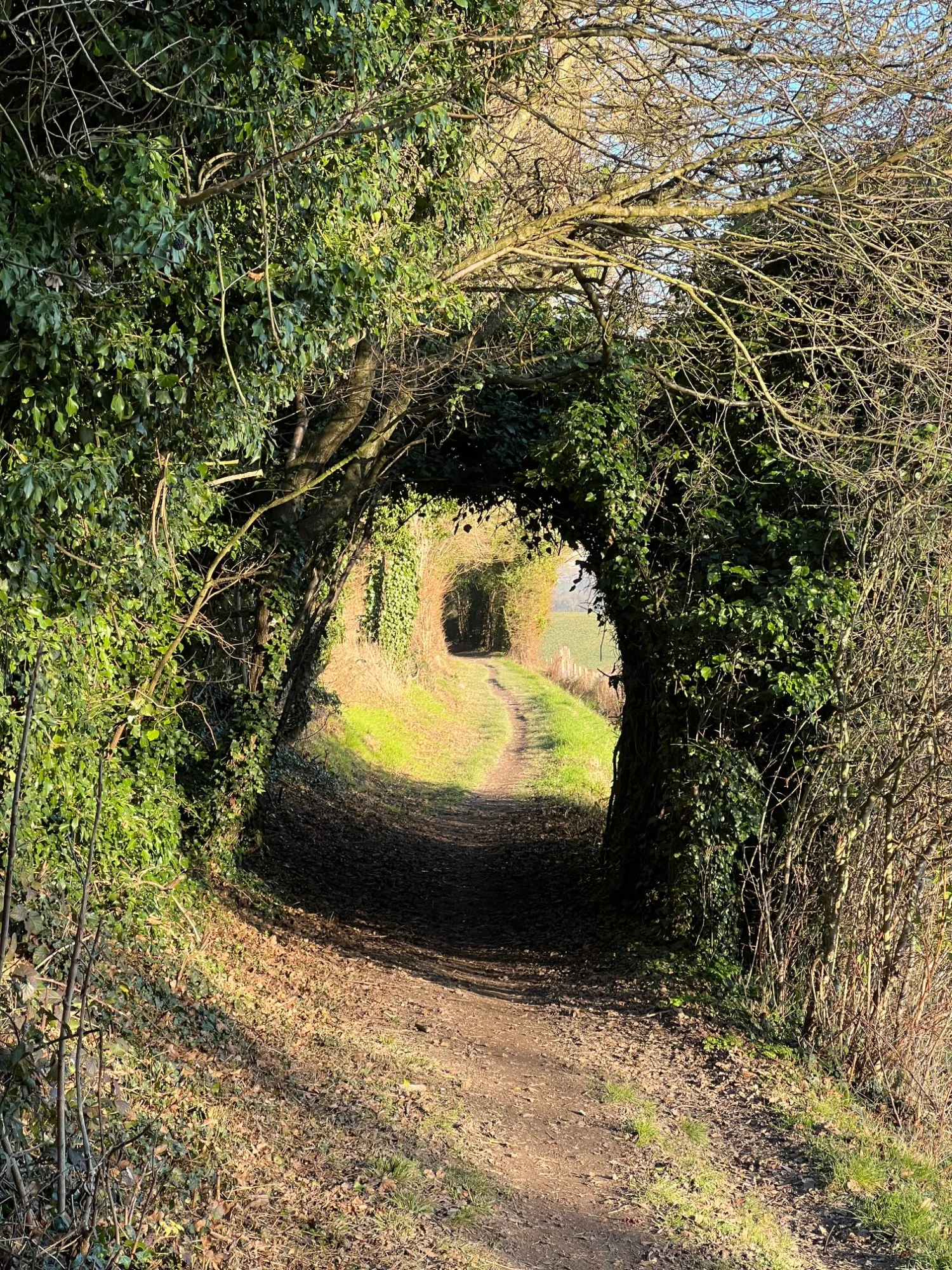
The Pilgrim’s Way
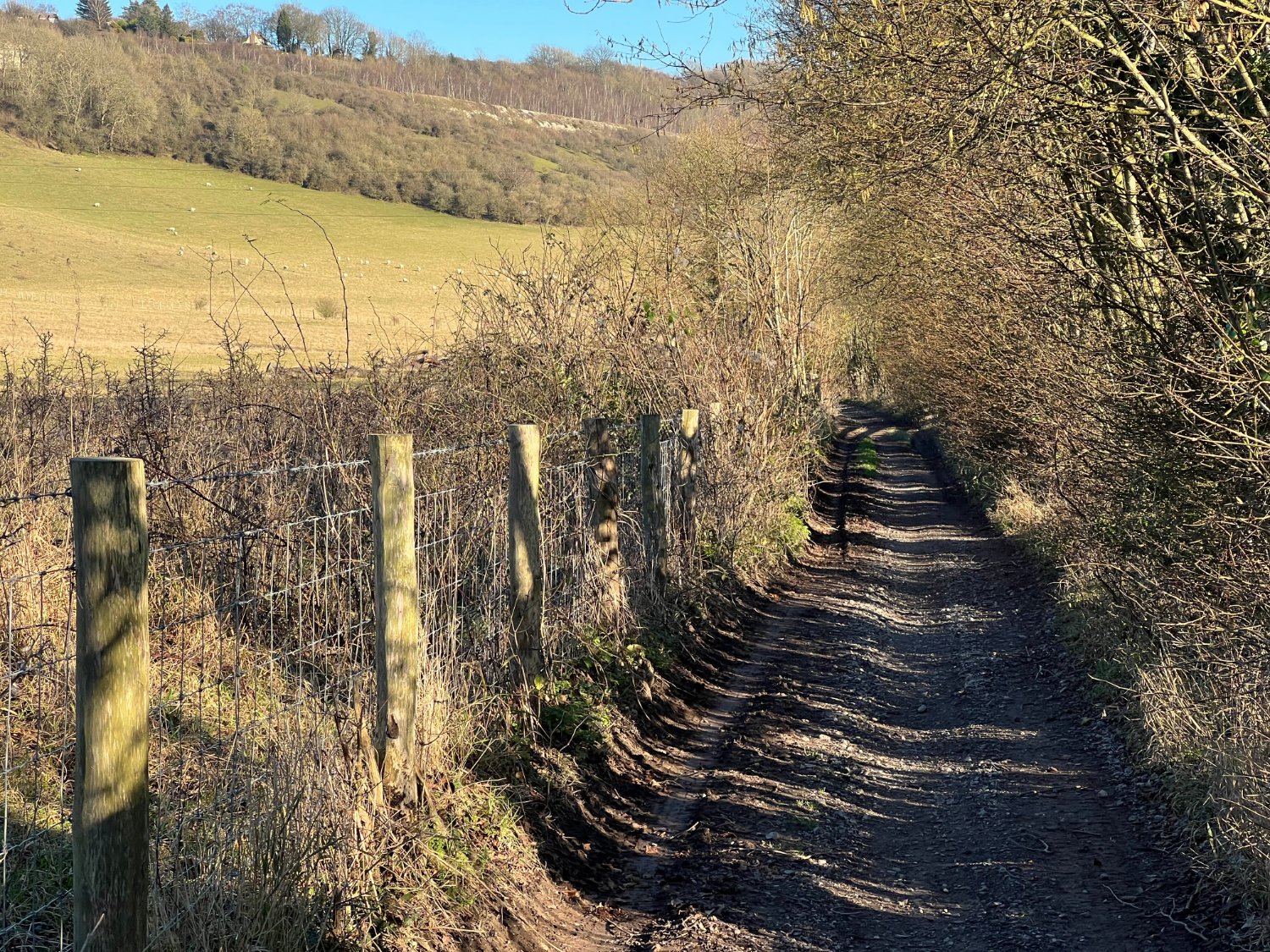
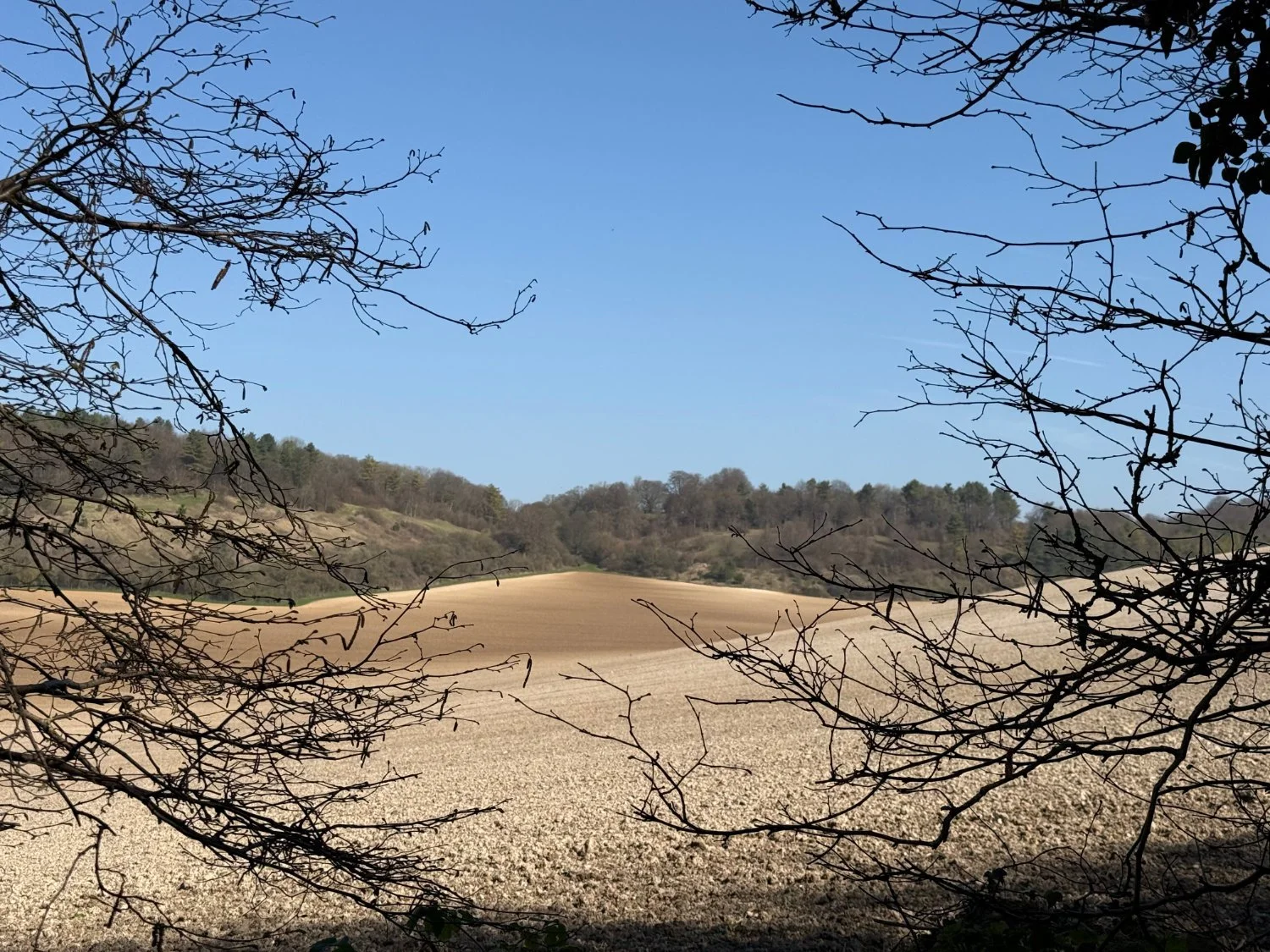
Leaving the village, the route joins the Pilgrim’s Way, which began in Winchester and finishes in Canterbury. The old trackway which pre-dates Christianity by millennia, has been tramped by traders, pilgrims, kings and bishops and now gravel riders for generations. To ride along its holloways which flank the North Downs is not only beautiful, but has that extra frisson due to its ancient history. To set your tyres in the traces of tracks left by those who’ve ridden and walked this way since Britain was first inhabited is quite a thrill.
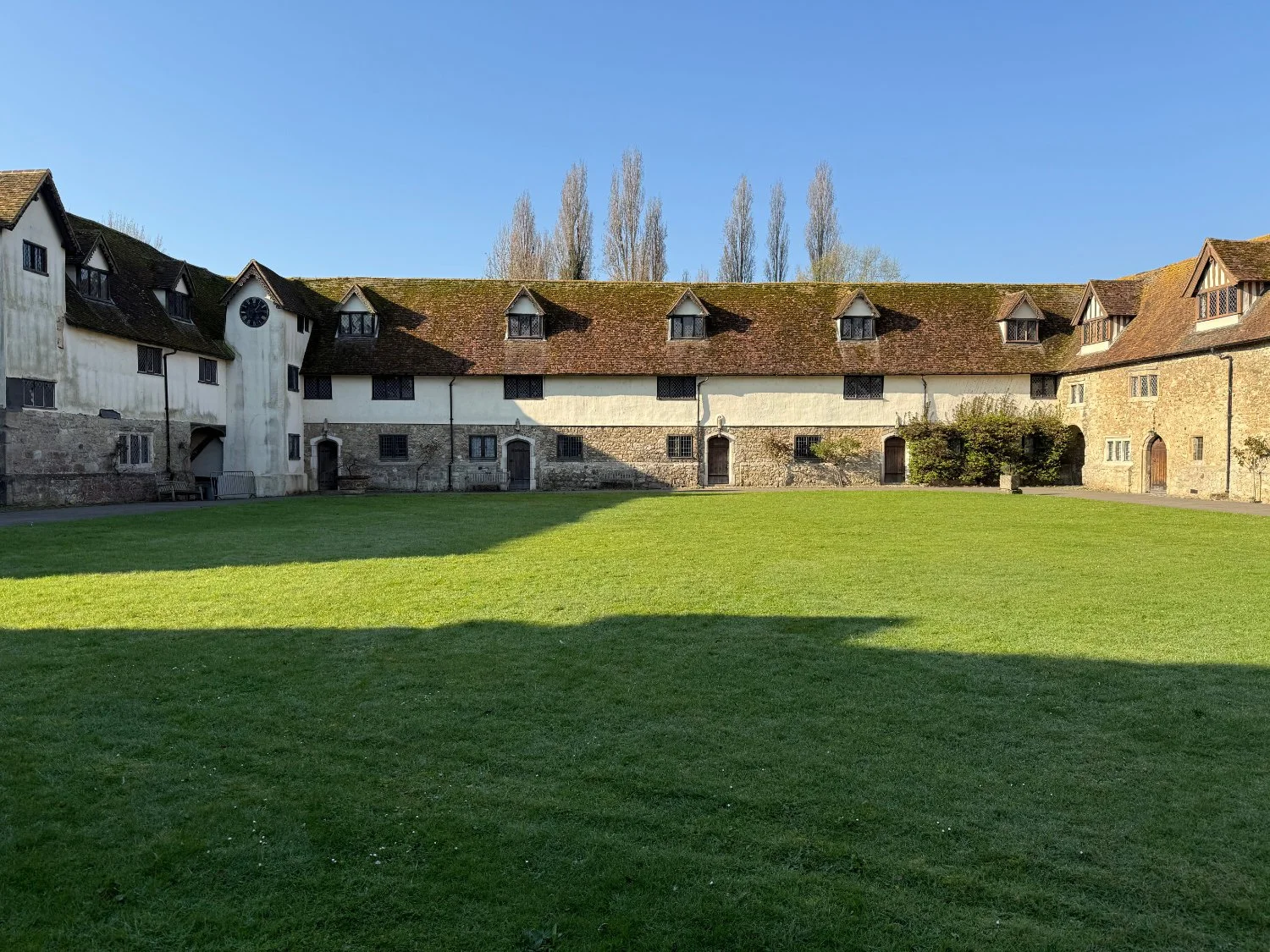
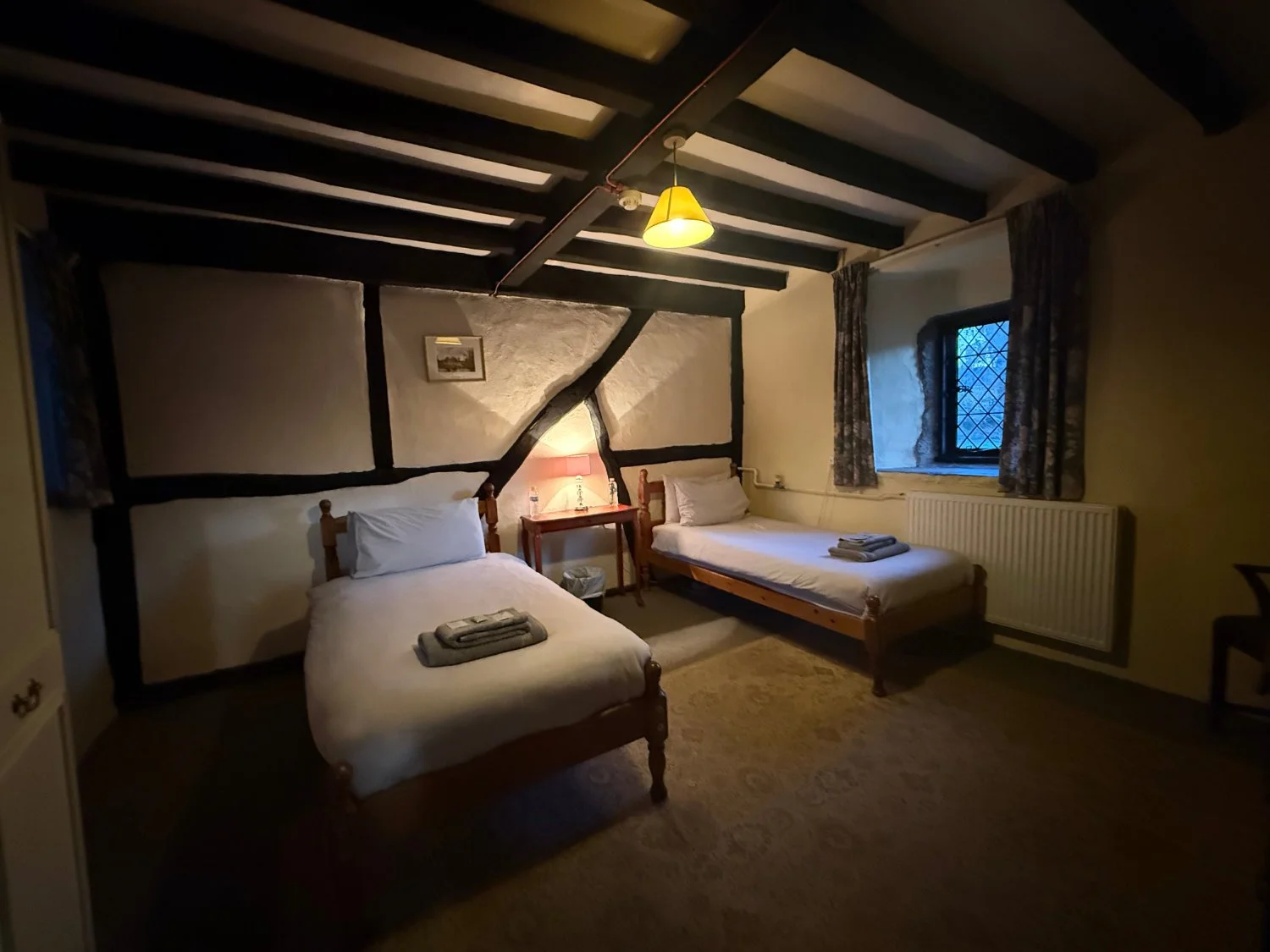
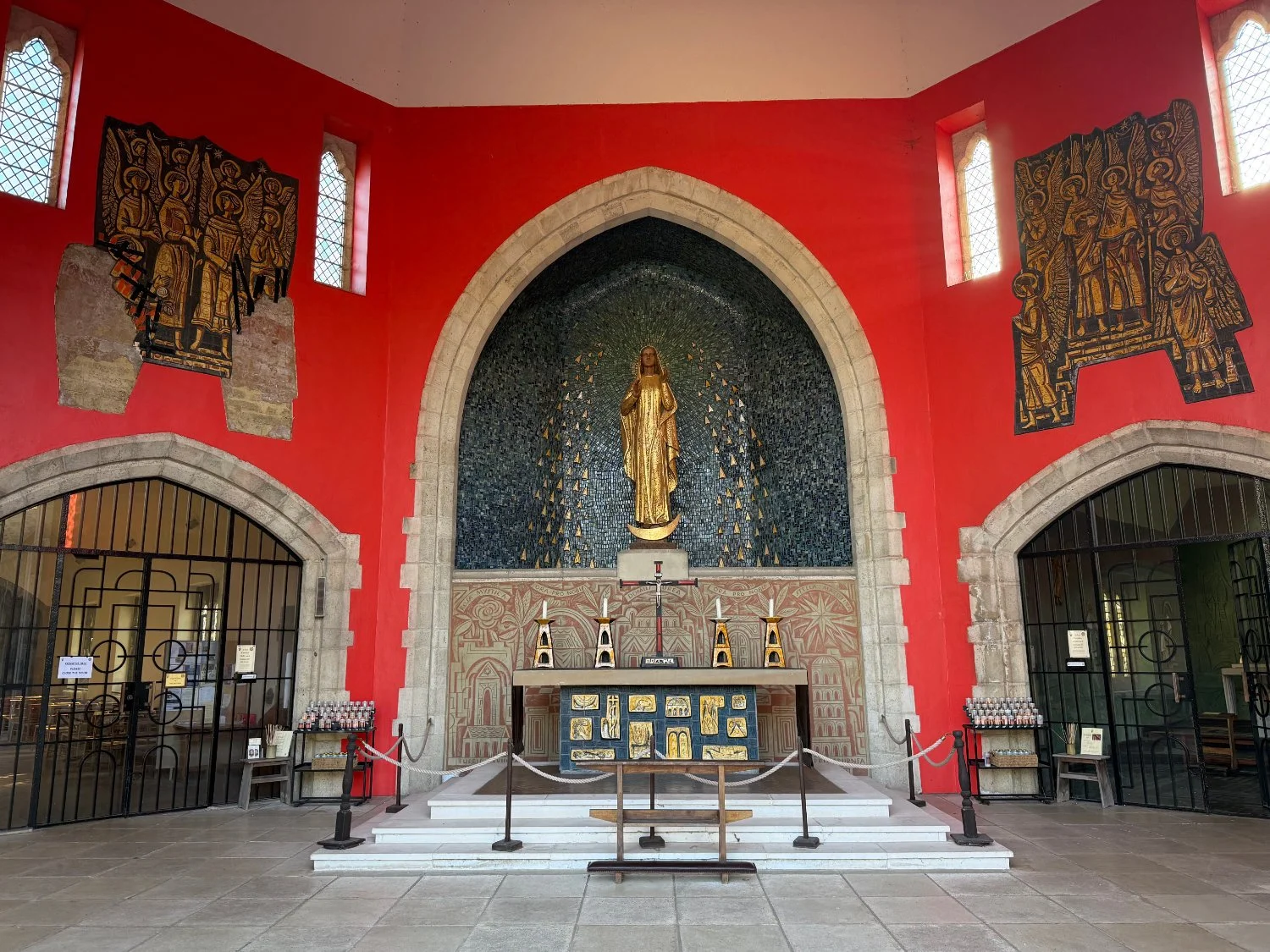
The Medway is crossed and the day finishes at Aylesford, where you may choose to stay in the simple and comfortable rooms within the Carmelite Priory. In summer, it’s quite the place of pilgrimage with coaches bringing the faithful to pray in the open air church, but in the shoulder seasons it exudes a wonderful peace and tranquility. Supper is in the nearby 500-year-old inn. (An alternative finish to Stage 1 is to turn left after crossing the Medway and follow NCN 17 to Rochester, 10 km distant.)
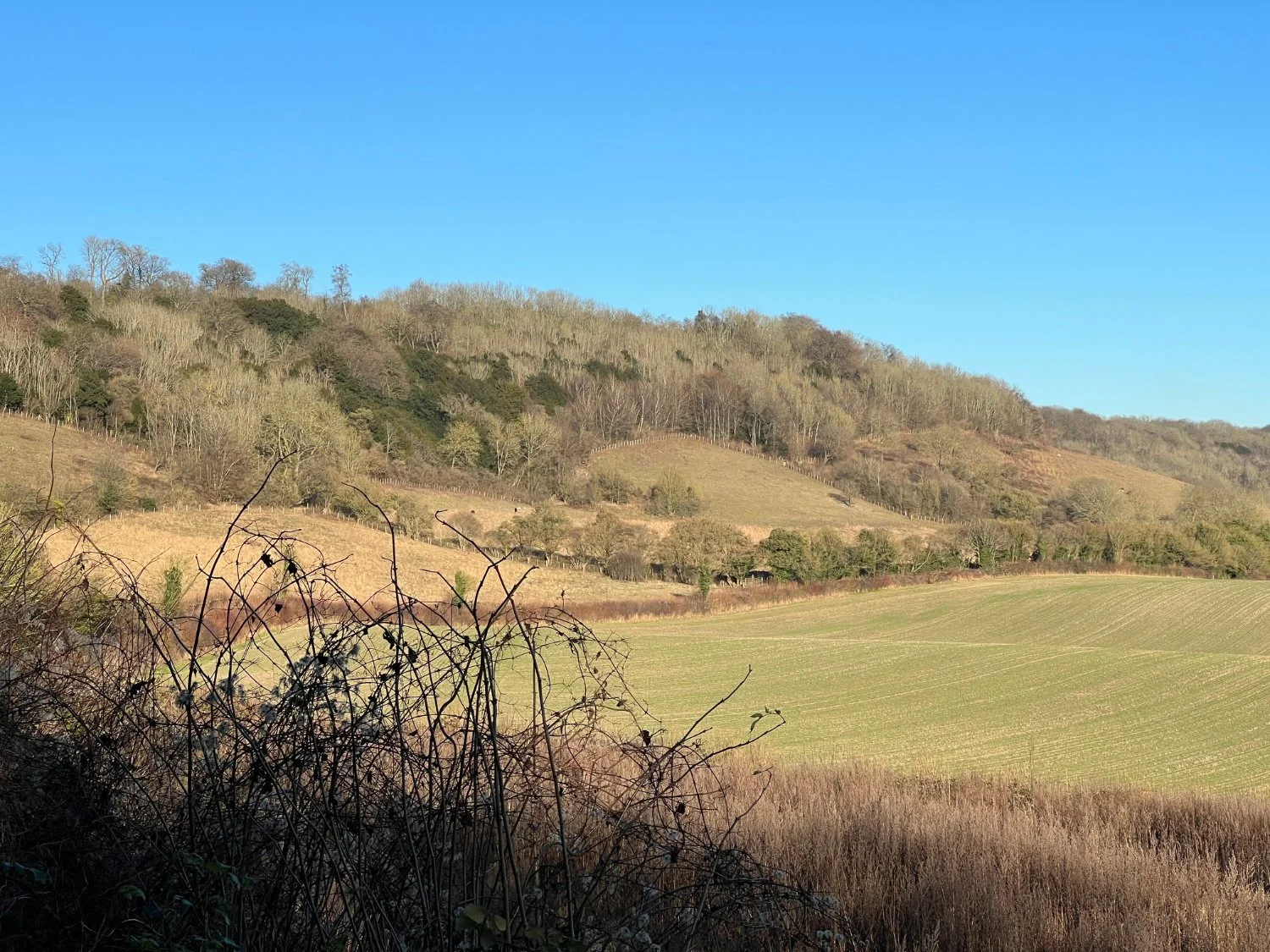
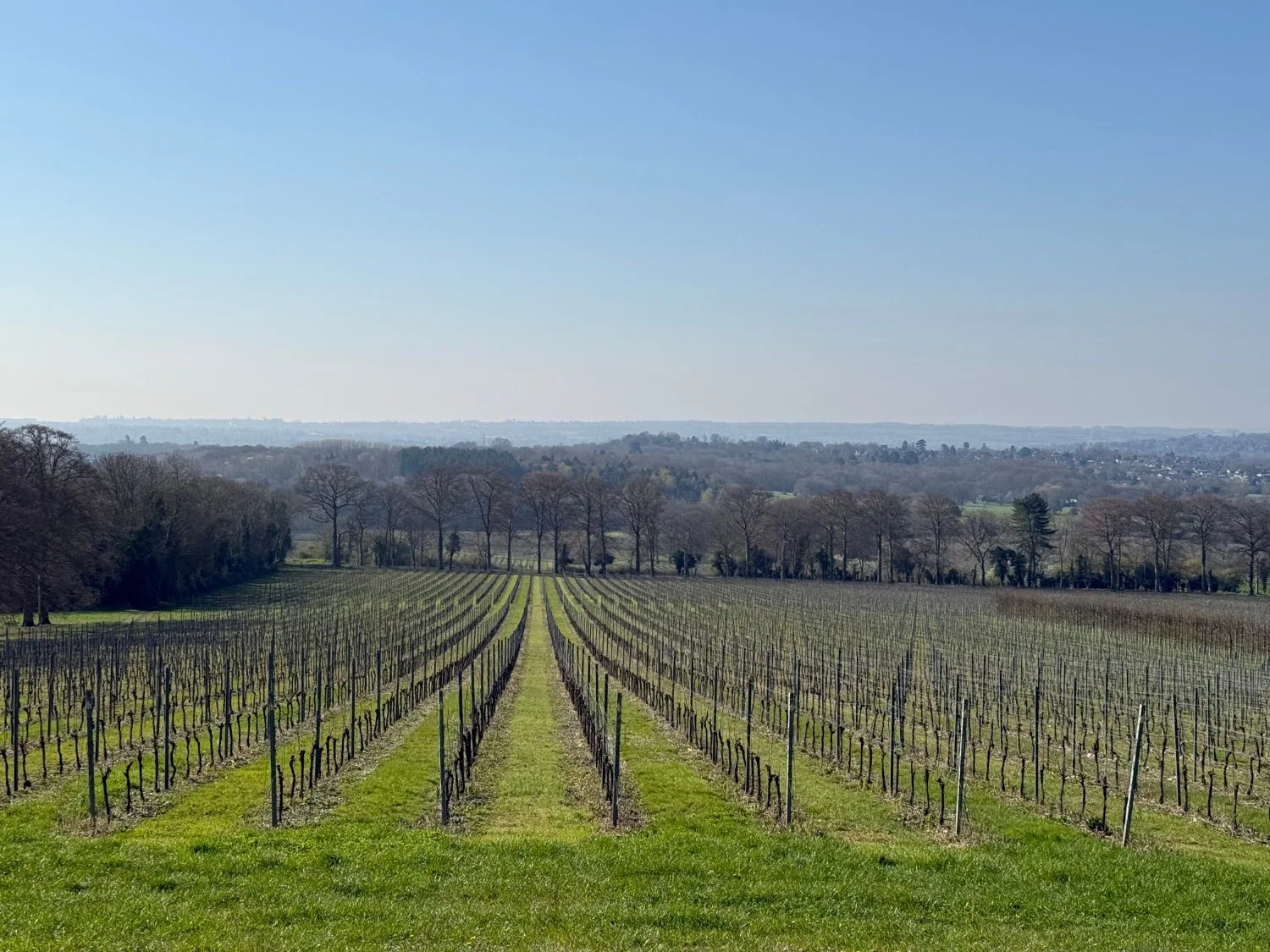
On leaving Aylesford, ensure that your water bottles are full and that you are carrying snacks to keep you going on the route ahead, for there is only one café between here and Canterbury. The slopes beneath you (and sometimes above) are filled with vineyards, where some of England’s finest sparkling wine is produced. Westwell Pelegrim has regularly beaten Veuve Clicquot, Lanson, Laurent-Perrier and Moët & Chandon to Gold Medals in international tasting competitions.
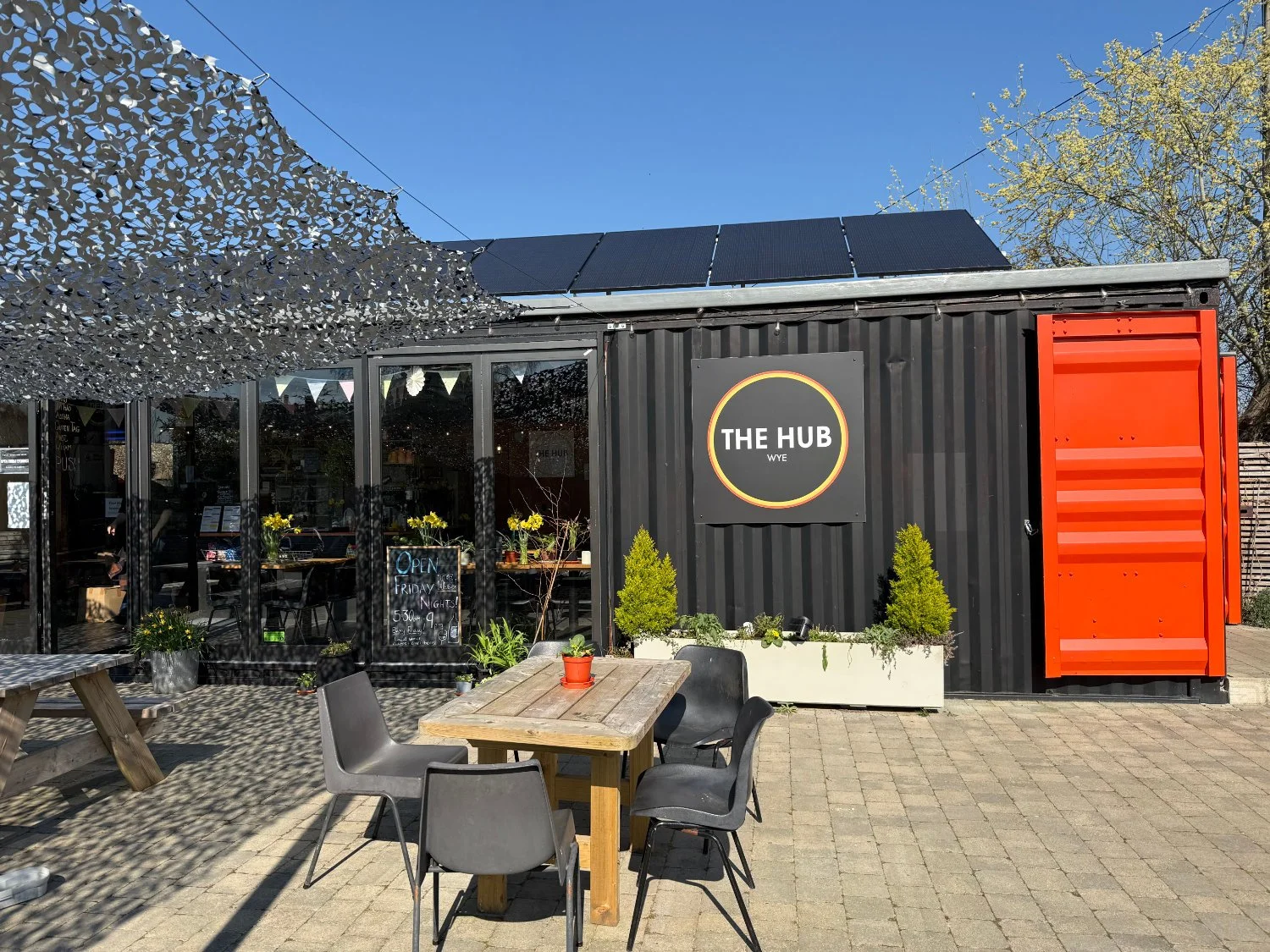
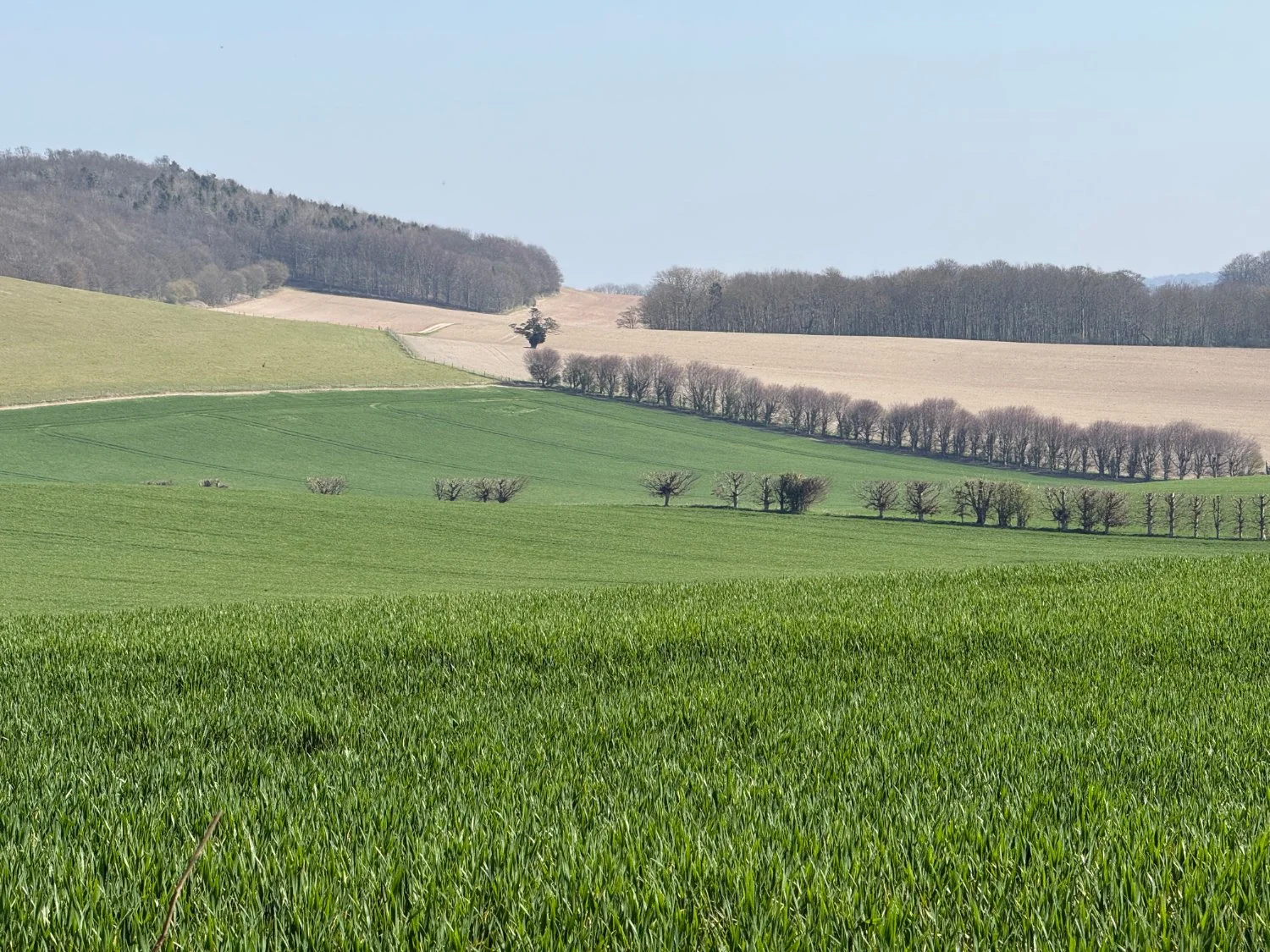
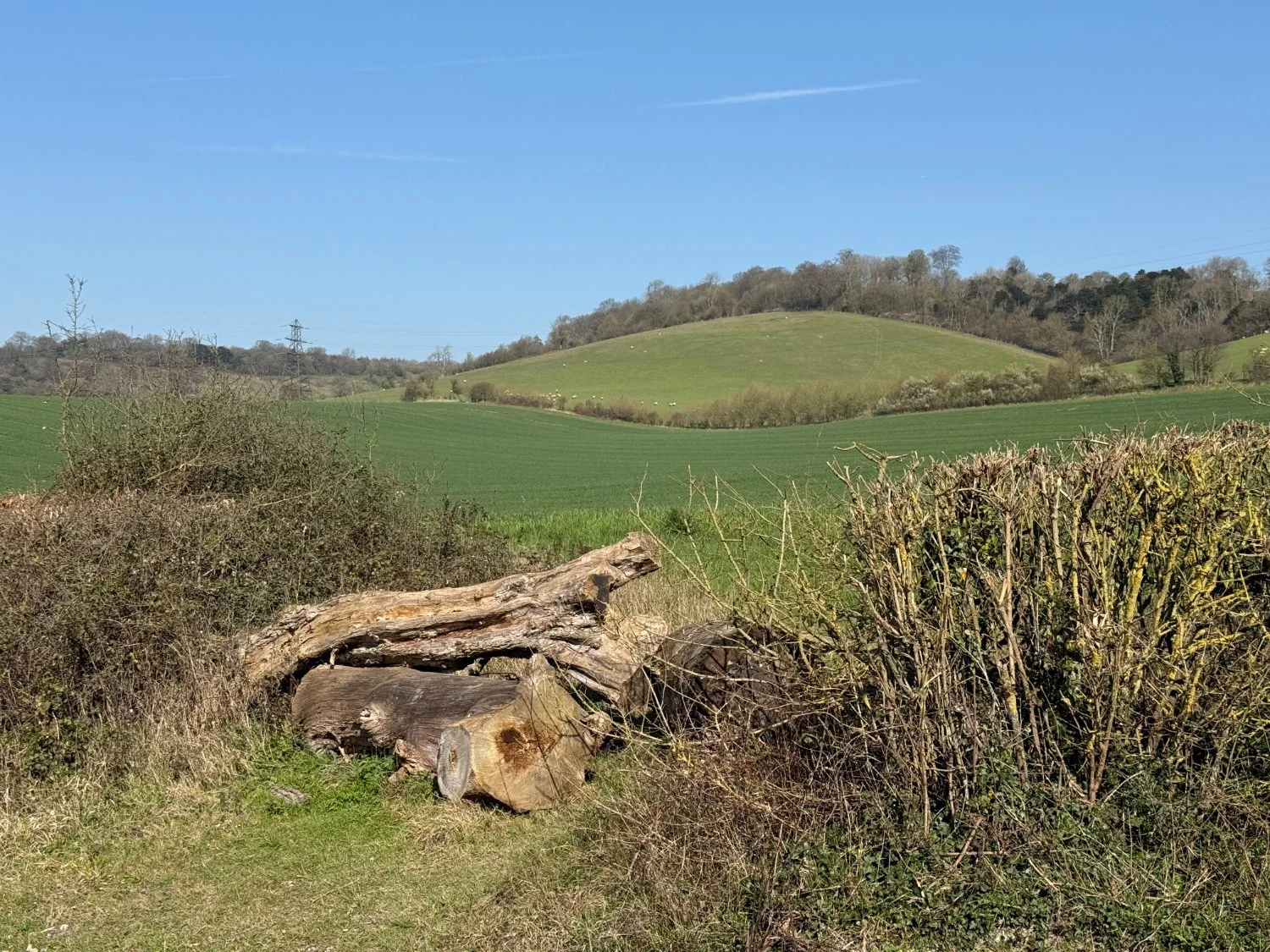
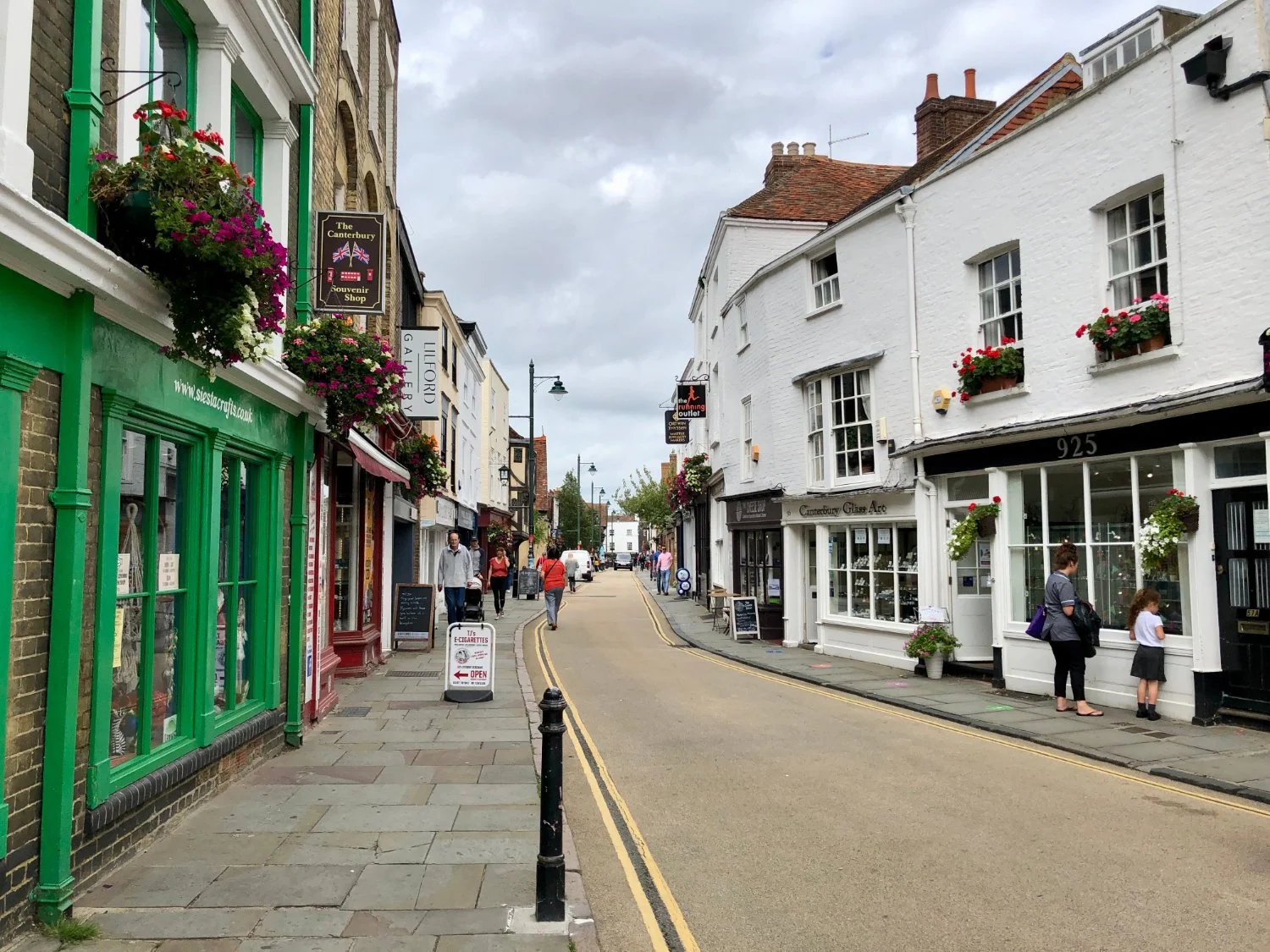
The Hub in Wye is an excellent just-over-halfway stop. The village, a former royal manor and administrative centre whose medieval streets are lined with 15th- and 16th-century buildings, is very pretty and is the last settlement you’ll ride through before Canterbury. By now the off-road riding is familiar — always superb, riding up and down on chalky paths through woods and tunnels of trees, with views over the Downs and into the valley below.
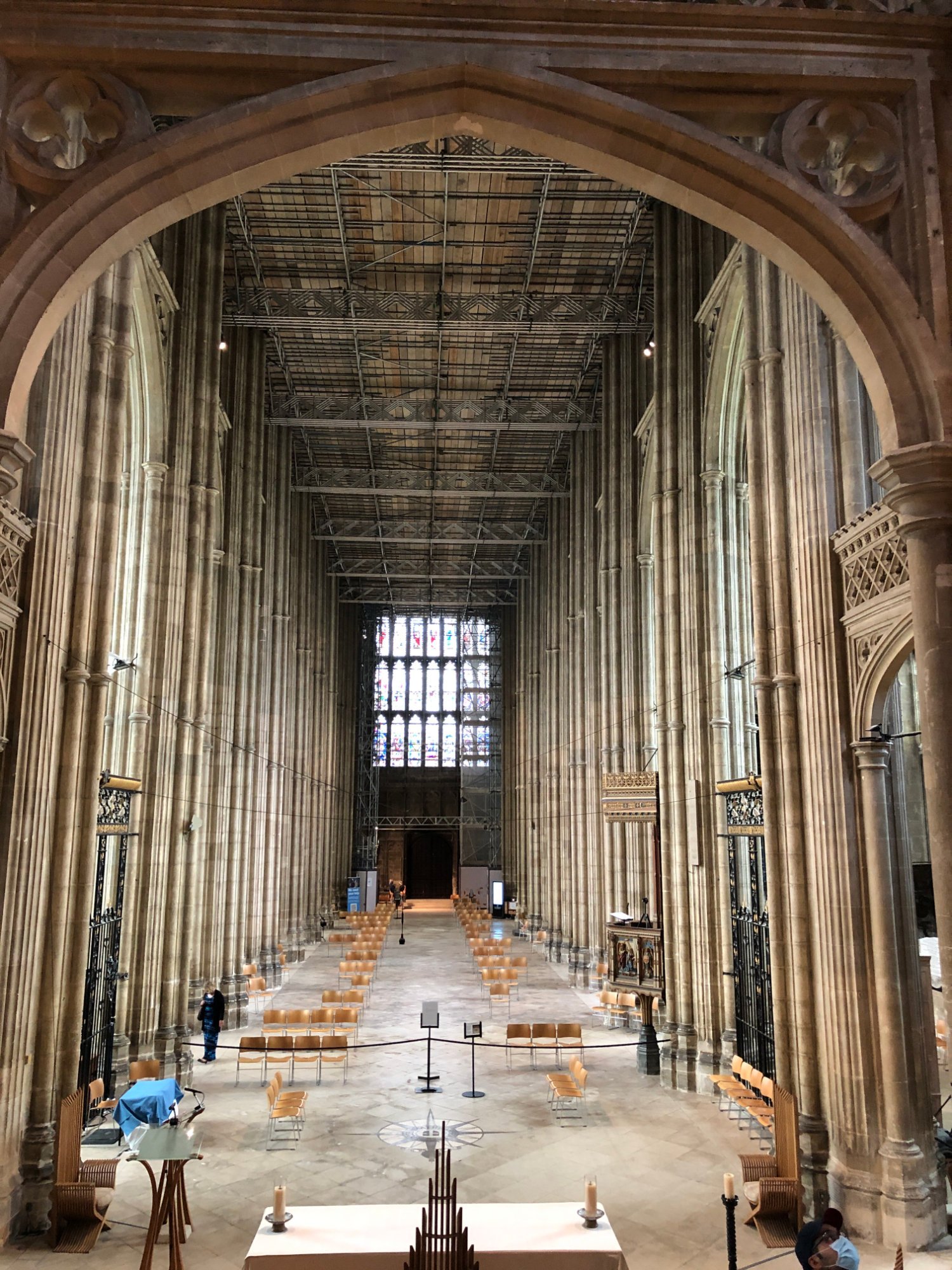
Canterbury Cathedral
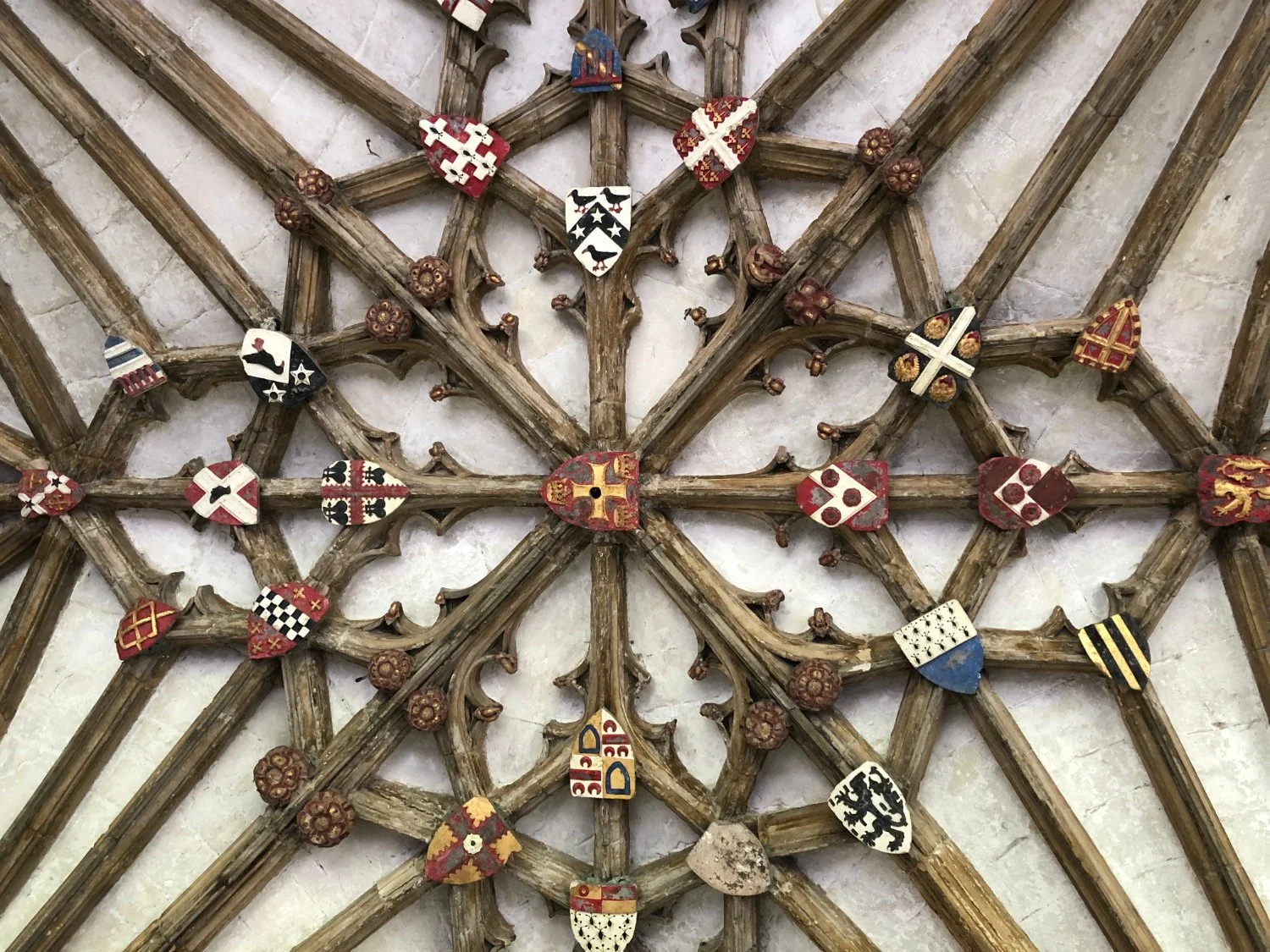
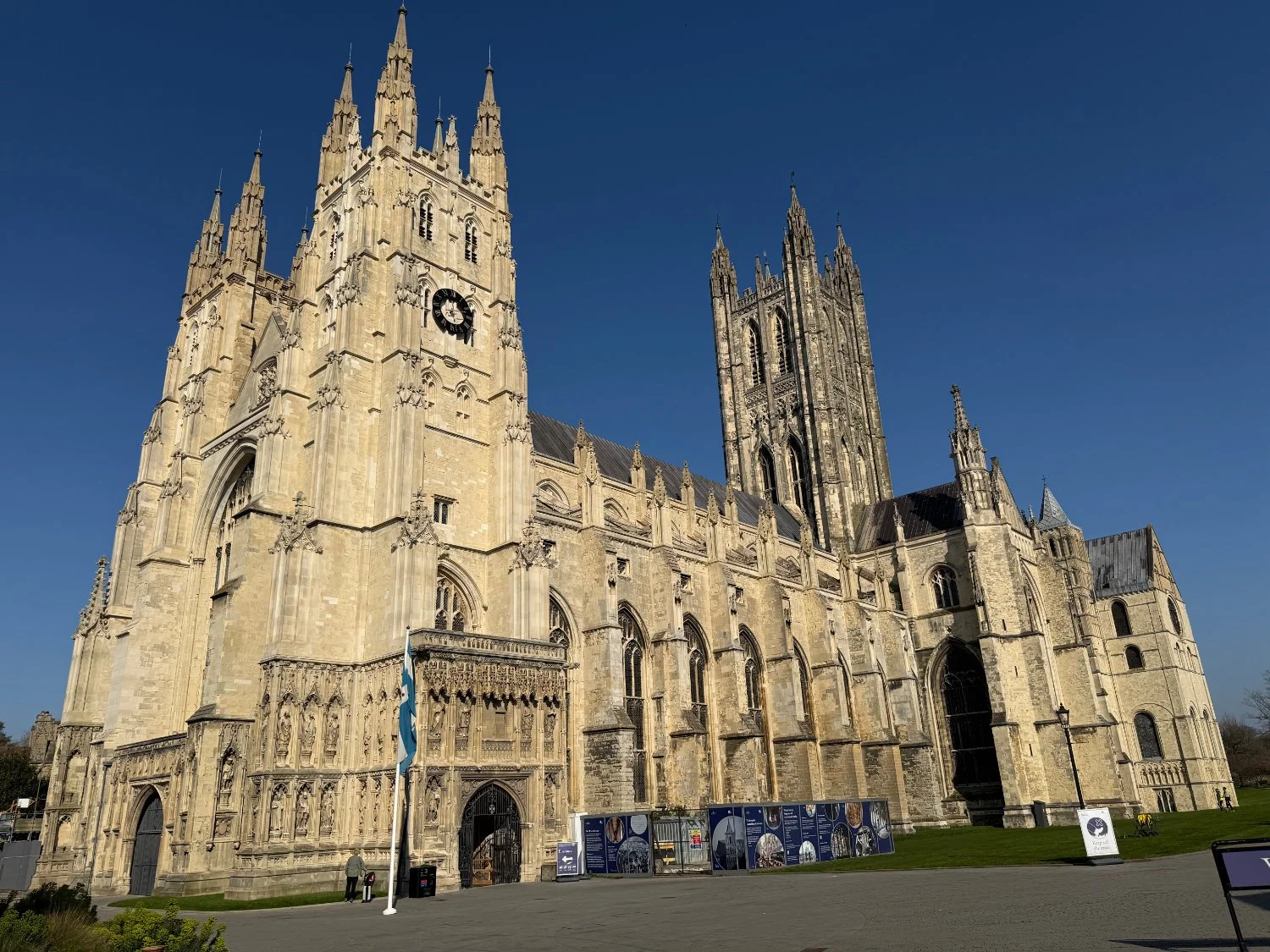
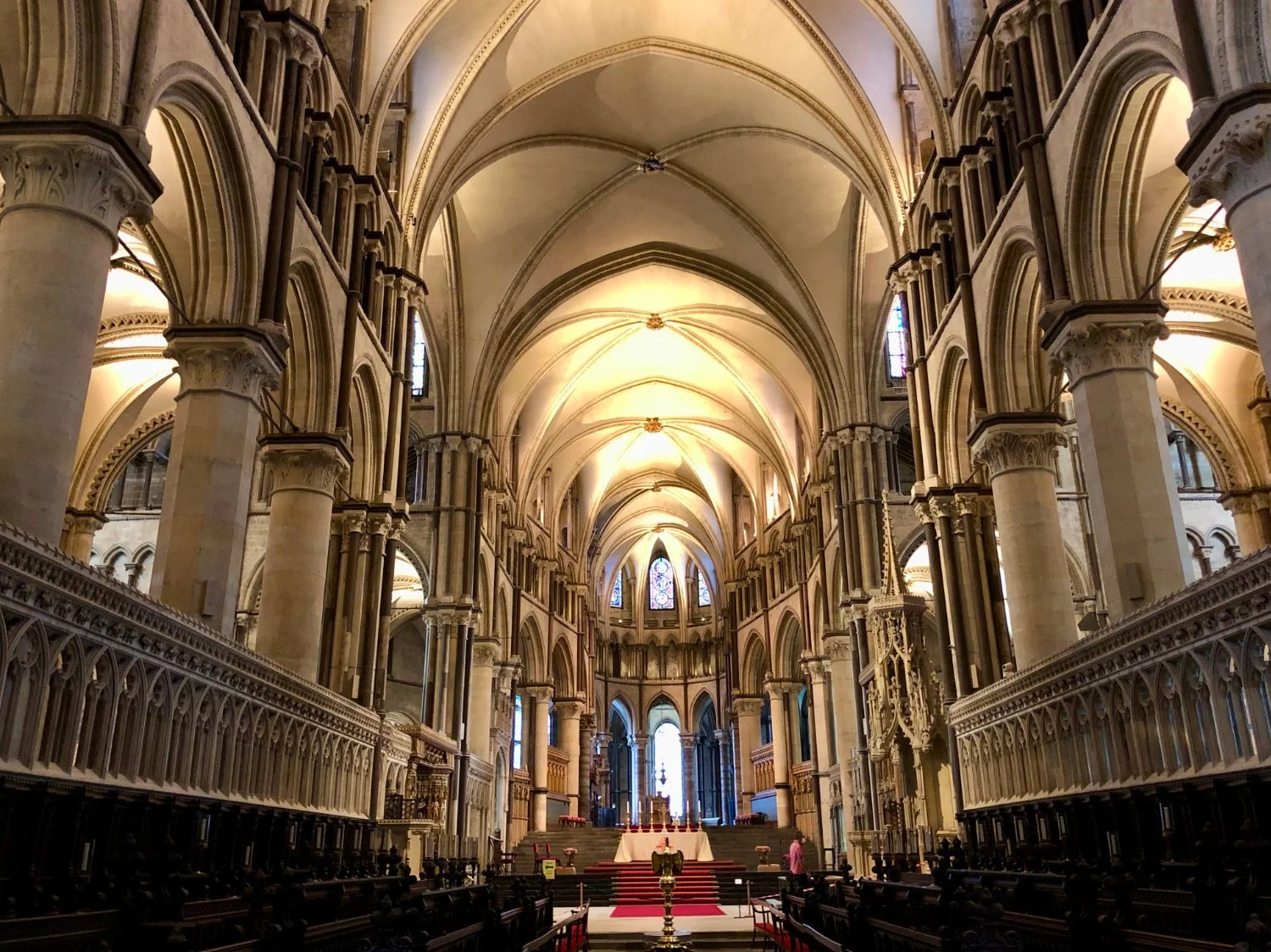
The bell tower of ‘the noblest church in England, Canterbury Cathedral is first seen poking above the willows lining the Stour. Inside the sacred space, piers, ribs and murals, the statues and memorials surround you - sanctity in reverend stone. Simon Winchester writes of its ‘aloof beauty’ and describes the cathedral as a ‘history book in stone’. It is quite the place, whatever your feelings maybe about the Christian Church, it is one that simply cannot just be ridden past.
Every route on this website has been carefully researched as well as ridden. However situations on the ground can change quickly. If you know of changes to this route, or cafes, pubs and the like which you think other cyclists need to know about, feel free to share your thoughts below.
If you enjoyed this guide, why not subscribe to the website so as not to miss other inspirational routes?
wheremywheelsgo.uk is a Feedspot UK Cycling top website