117km The Chaucer Way
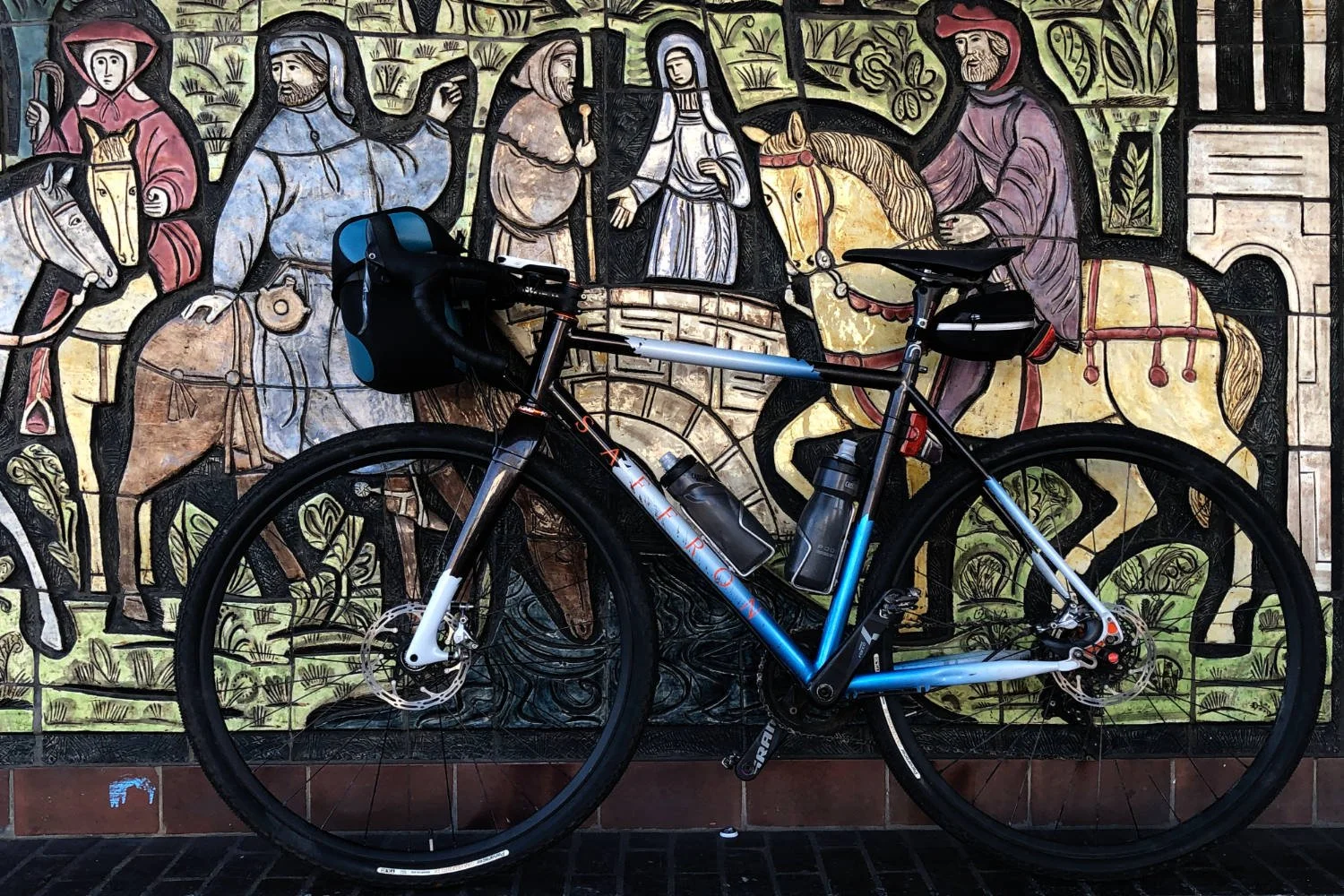
Pilgrims all on the road from London to Canterbury
Ride Overview
God, hospitals and Beer
Chaucer’s ‘Pilgrims Route’. Ancient. Direct. Straightforward. For all that, it is a ride where you have to consciously look for - and appreciate - the beauty around you. The municipal planting of daffodils on roundabouts, the magnificent magnolia in the front garden of a mundane suburban house, the avenue of flowering cherry trees. Or the wild flower meadows, or the leaves a-turning in autumn. Seek too the human elements; the conversations with cathedral volunteers who are curious about your ride to Canterbury, the chats on a park bench whilst you pause, or the friendliness shown in the cafés on the route.
In truth, there are more beautiful rides than ‘The Chaucer Way’, including ‘The Becket Way’. However, after careful research, The Chaucer Way combines cycling safety on traffic-free cycle paths and quiet suburban roads with historical richness. It is a paved route throughout so best suited for road tyres (gravel/adventure tyres also fine).
The Chaucer way is a route for the historically curious, for those looking to connect with the past, to share the fatigues of the journey with those who’ve trudged this self-same road for millennia. You will see just how much has remained the same; Watling Street, the churches and cathedrals, the castles, the hills, along with how much has changed; fields have become housing estates, rural inns are now either closed or serving curries, lorry parks where once there were orchards, dual carriageways rather than than muddy paths where troubadours beat their drums and sang.
Yes, there’s noise. The modern iteration of the Roman Watling Street, the A2 is certainly busy with traffic. There’s litter a-plenty. (We Britons are a not a tidy race). There is a dullness to the suburbs which is hard to ignore. The Medway towns of Strood, Chatham and Rainham are a visual challenge, it is true. But for all this, the way is good with much to see including , Southwark, Rochester and Canterbury Cathedrals. The vibrant districts of Southwark and Bermondsey, Blackheath, Danson Park. Then there is Rochester city itself with its castle and its timeless high street filled with independent shops and cafés. There is Chatham with its forts and dockyards and once out of the Medway towns, the orchards of Kent. The market town of Faversham filled with more listed buildings than any town, along with Britain’s oldest working brewery. Finally Canterbury, the jewel of Kent with its alleys, three UNESCO World Heritage Sites including the Cathedral. It is at the shrine of of Thomas Becket where the ride ends, as indeed all pilgrimages since his canonisation in 1172 have ended.
Ride Practicalities
The ride of course, can be split in half. Traditionally, Dartford and Rochester were stopping off points. Today Rochester makes for a good halfway point, with its fast and regular trains back to London, or for its accommodation including the option of staying in a priory.
START/FINISH: Chiswick DISTANCE: 117km. TOTAL ASCENT: 973m TERRAIN AND SURFACES: Segregated cycle-ways and quiet back roads. Asphalt throughout FOOD AND DRINK: Southwark; Borough Market (beside Southwark Cathedral is London’s leading food market with many ‘street food’ stalls), Deptford; Sylva, Intervalo, Marcella, Eltham; Ayre, All in a Pickle, Rochester; The Cheeseroom and Deli, Faversham; East street Deli, Macknade’s Food Hall and Café, Canterbury; The Good’s Shed MAINLINE TRAIN SERVICES: Chiswick and Greenwich and others along the route. Both DLR and Uber Thames Clipper operate from Greenwich LINKS TO OTHER RIDES: Greenwich to Hampton Court , Hyde Park to Purfleet, Blackfriars to Erith
Ride Notes
If you’re really wanting to emulate Chaucer’s pilgrims, you’ll start the ride in the pub. (The Canterbury Tales frequently mentions beer and ale). Whilst The Tabard, (where Chaucer’s pilgrims assembled before setting off) is no longer, in the neighbouring yard is The George, London’s only remaining galleried pub. It’ll be too early isIt’s now part of the Greene King pub chain with its basement quality of ‘pub specials’ but it has atmosphere and many tourists.
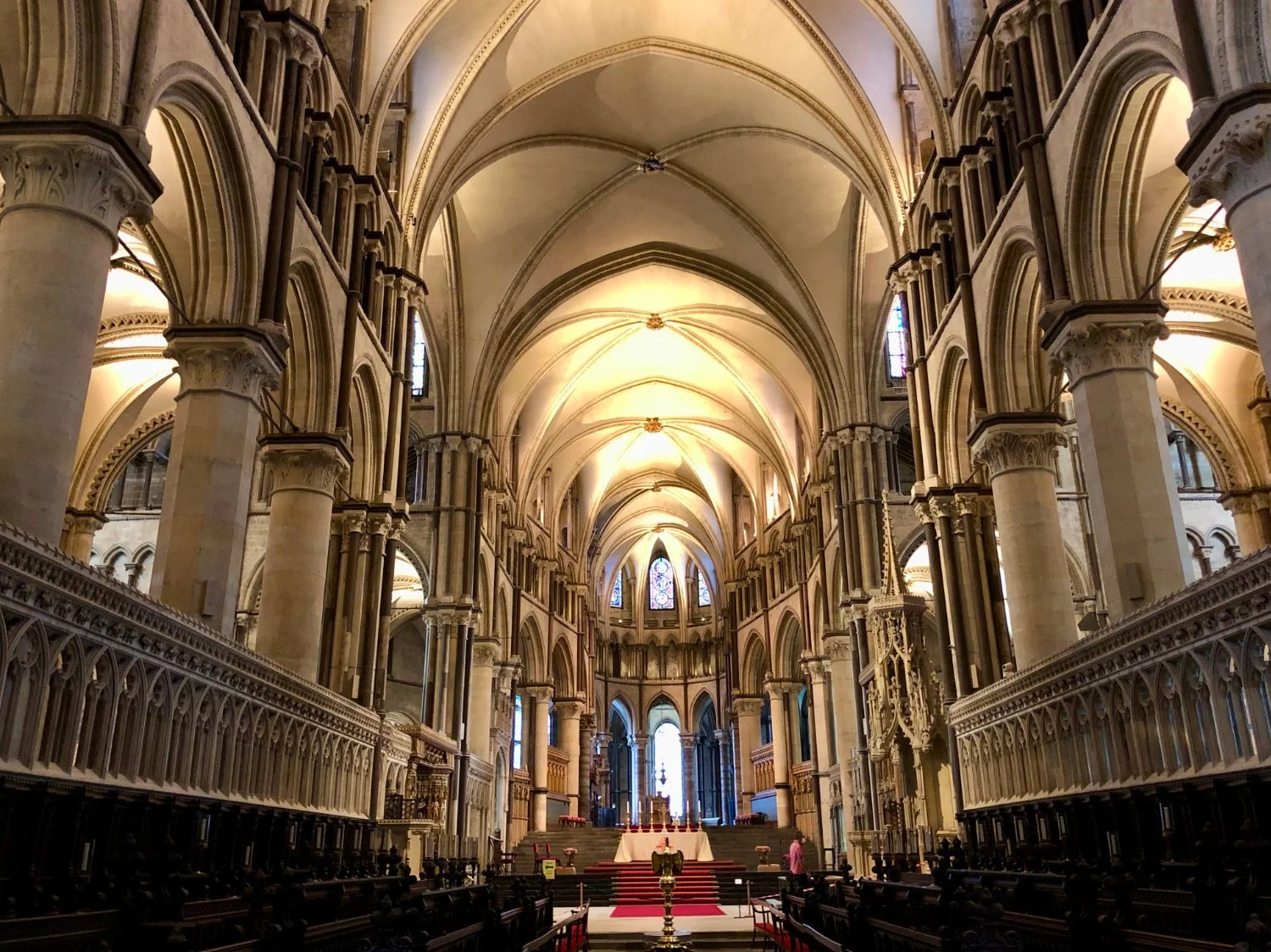
The alternative start to the ale house - or perhaps ‘as well as’ - is Southwark Cathedral, London’s oldest Gothic Church ( founded in 1106). As would be expected, there is much to ponder upon in so old a buidlings, not least the The Altar screen (1570). You might wonder what had to be done in order to be carved in stone to stand above the high altar in perpetuity. Saints and martyrs (including Thomas Becket, second row, third from the left), kings (St Olave, a Norseman and King of Norway who burnt London bridge) and the head of a prostitution racket William Wykeham, Bishop of Winchester, (a particularly avaricious and unpleasant individual), are all represented along with apostles and Jesus.
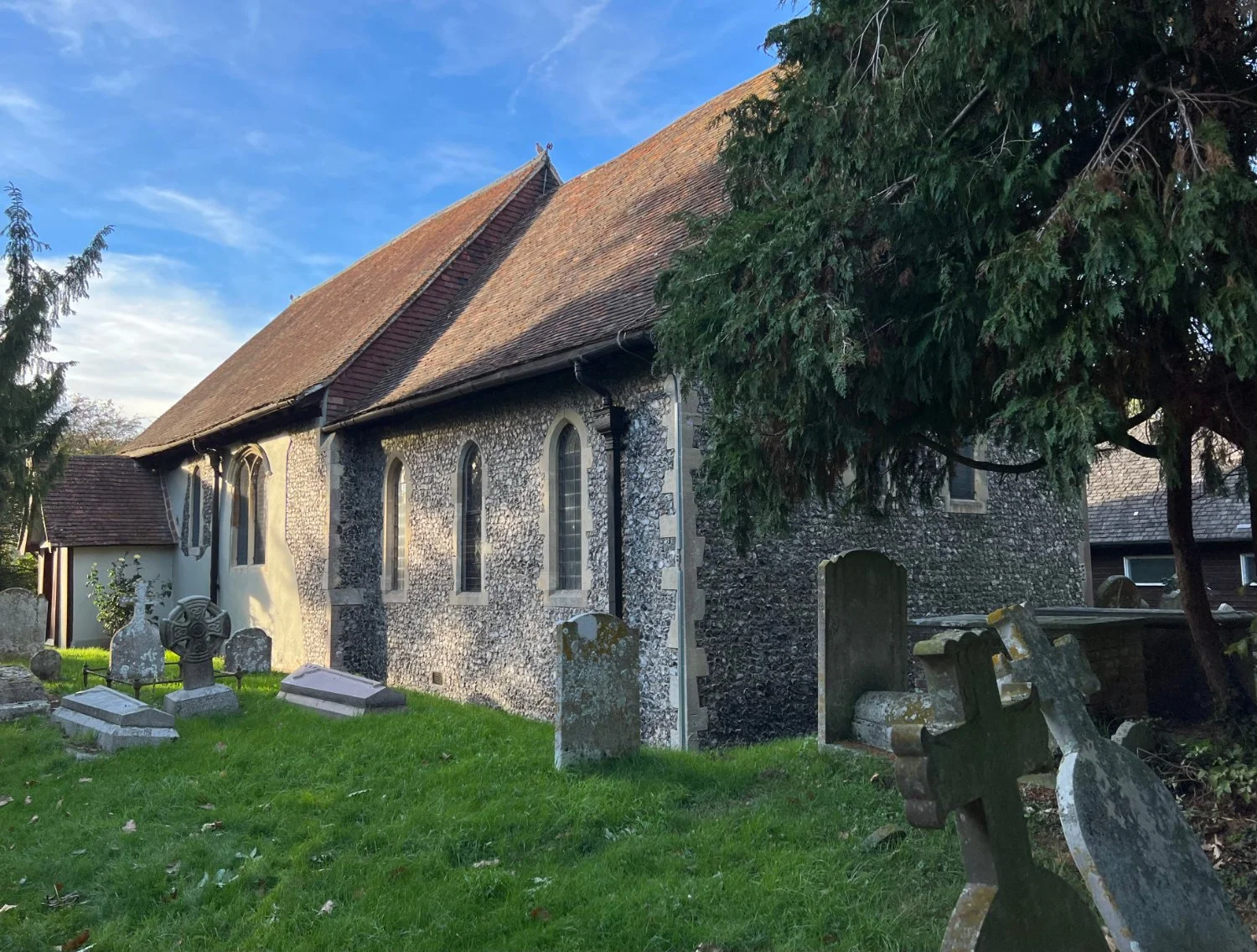
The route avoids the busy and deeply unpleasant (to ride on) A2 - the ‘Old Kent Road, and instead takes a parallel path through the back streets of Bermondsey on Cycleway C10. You’ll see as you ride, various street names linking today with the past. ‘Pilgrimage Street’, ‘Tabard Street’, ‘Becket Street’, ‘Kent Street’. There’s a short deviation off C10 to the Everlasting Arms Church, (it used to be the Peckham Civic Centre) where there’s an dramatic mosaic mural showing former users of the Old Kent Road - Romans, pilgrims, traders, and kings.
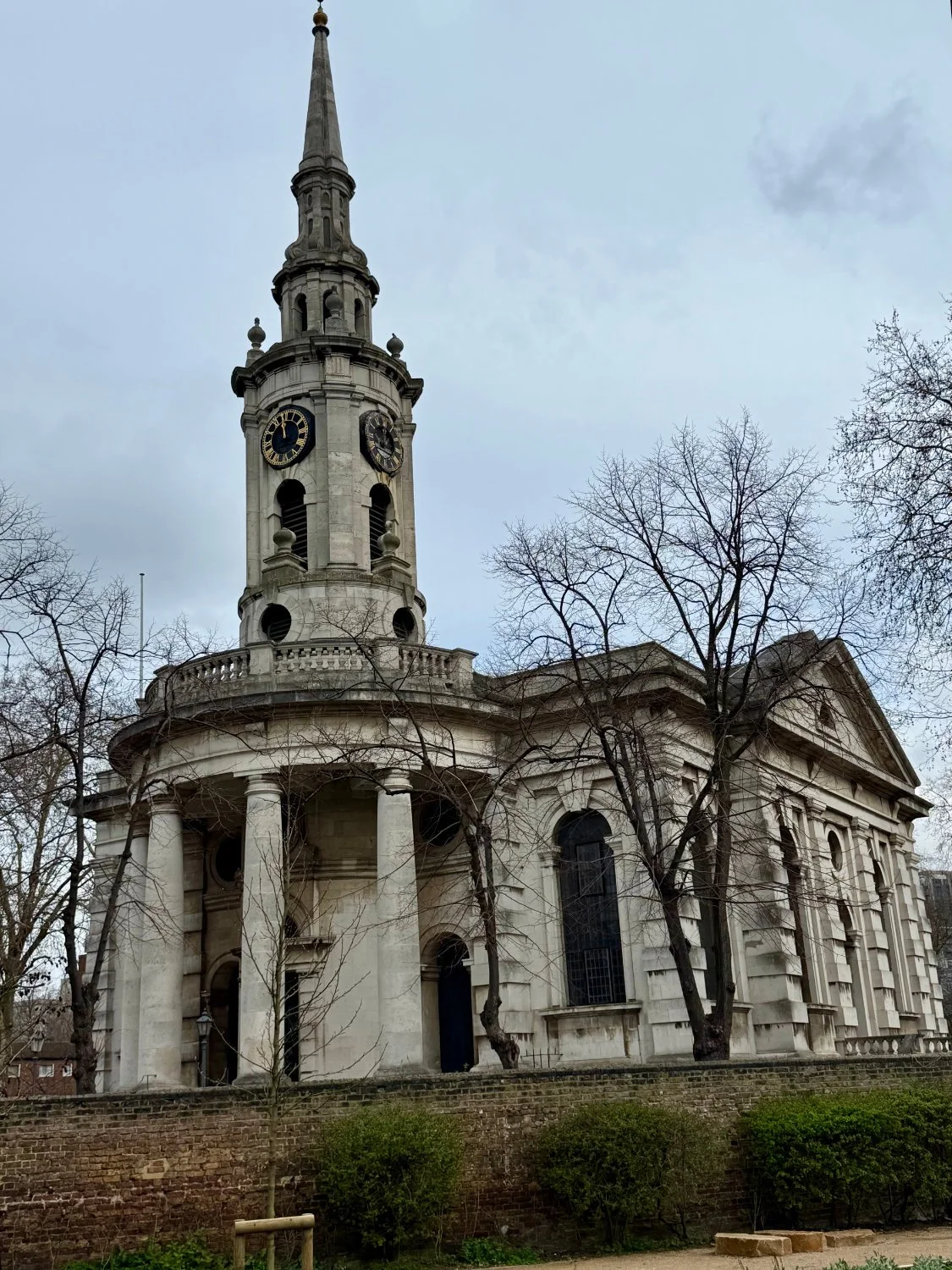
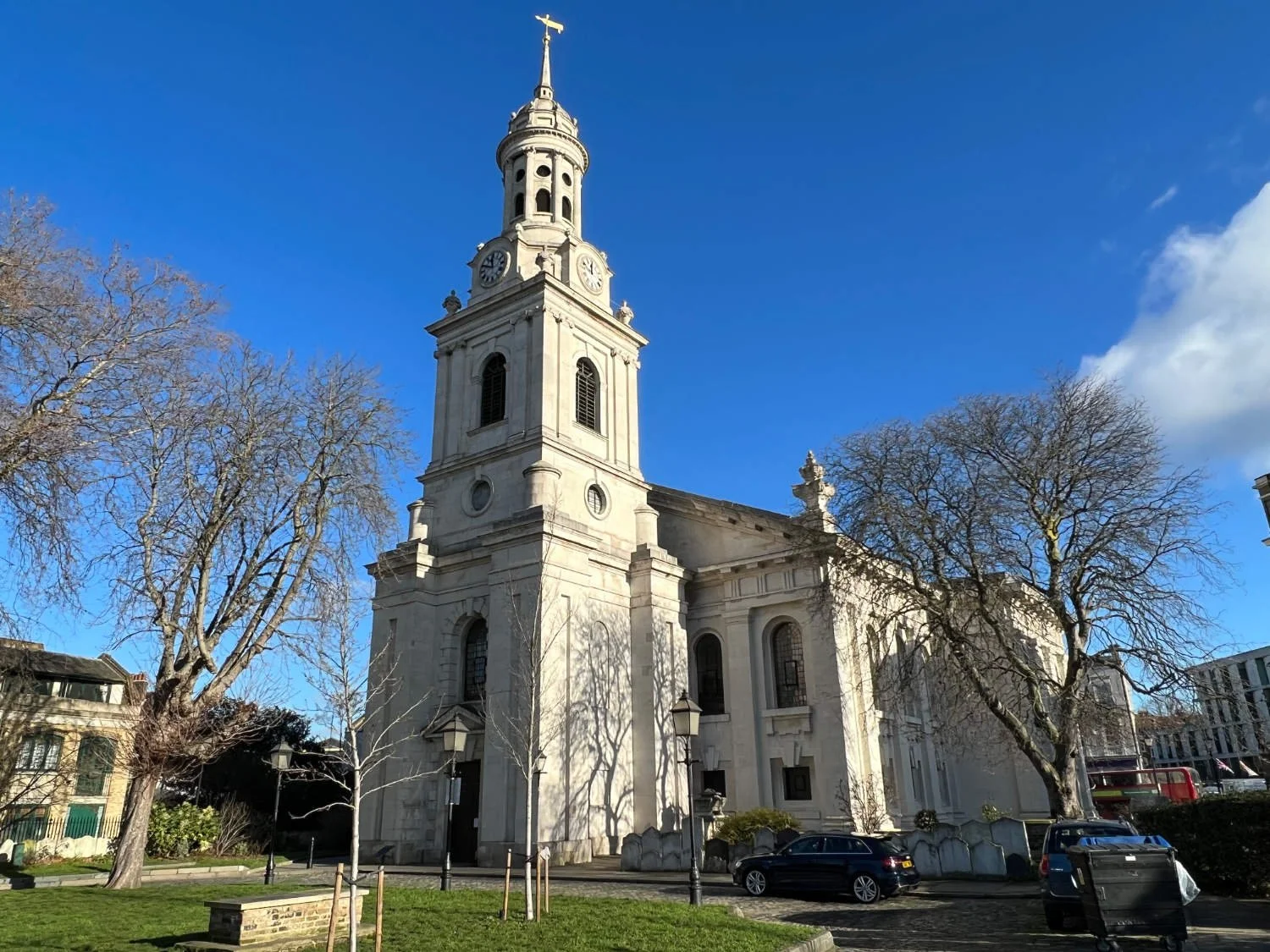
St Paul’s Deptford
Food features significantly on this ride. There was Borough Market, London’s premier food market at the very start of the route, and now in Deptford, there’s three great places to stop; in Folkestone Park is the very excellent Sylva, serving light lunches, excellent pastries and coffee, in nearby Deptford High Street you’ll find Intervalo, for Italian pastries, real Italian coffee (no flat whites) or if you want a ‘proper’ lunch, try Marcella, the jewel of Deptford - an unpretentious Italian joint.
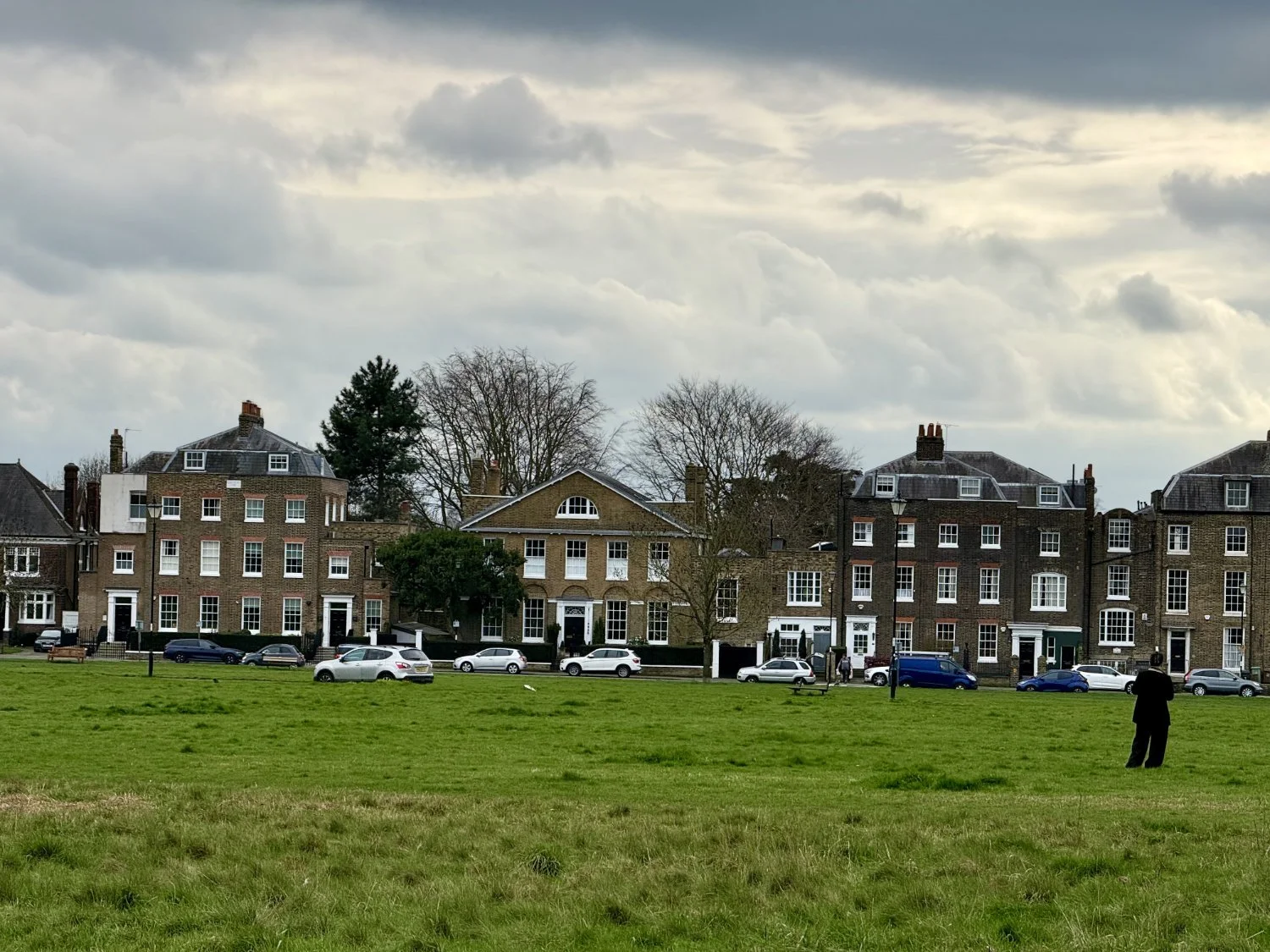
Shooter’s Hill, the traditional route out of London and onto Blackheath, is too busy to ride on, so the route uses Morden Hill, steeper and traffic-free. Blackheath, a gathering place for the Kentish rebels during the Peasant’s Revolt of 1381. Wide and green, gracious houses and view of London.
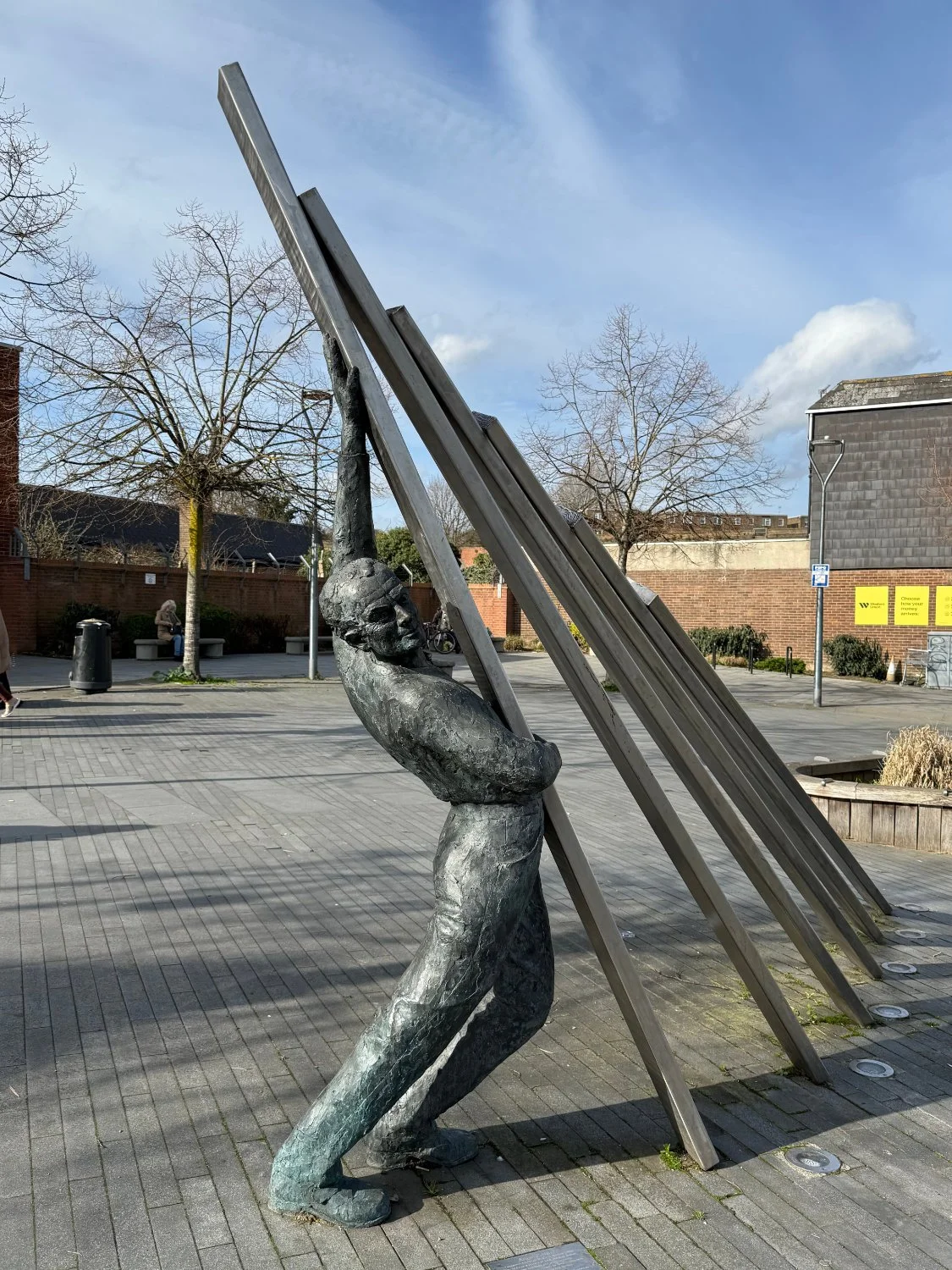
Strood, once an important ship building centre
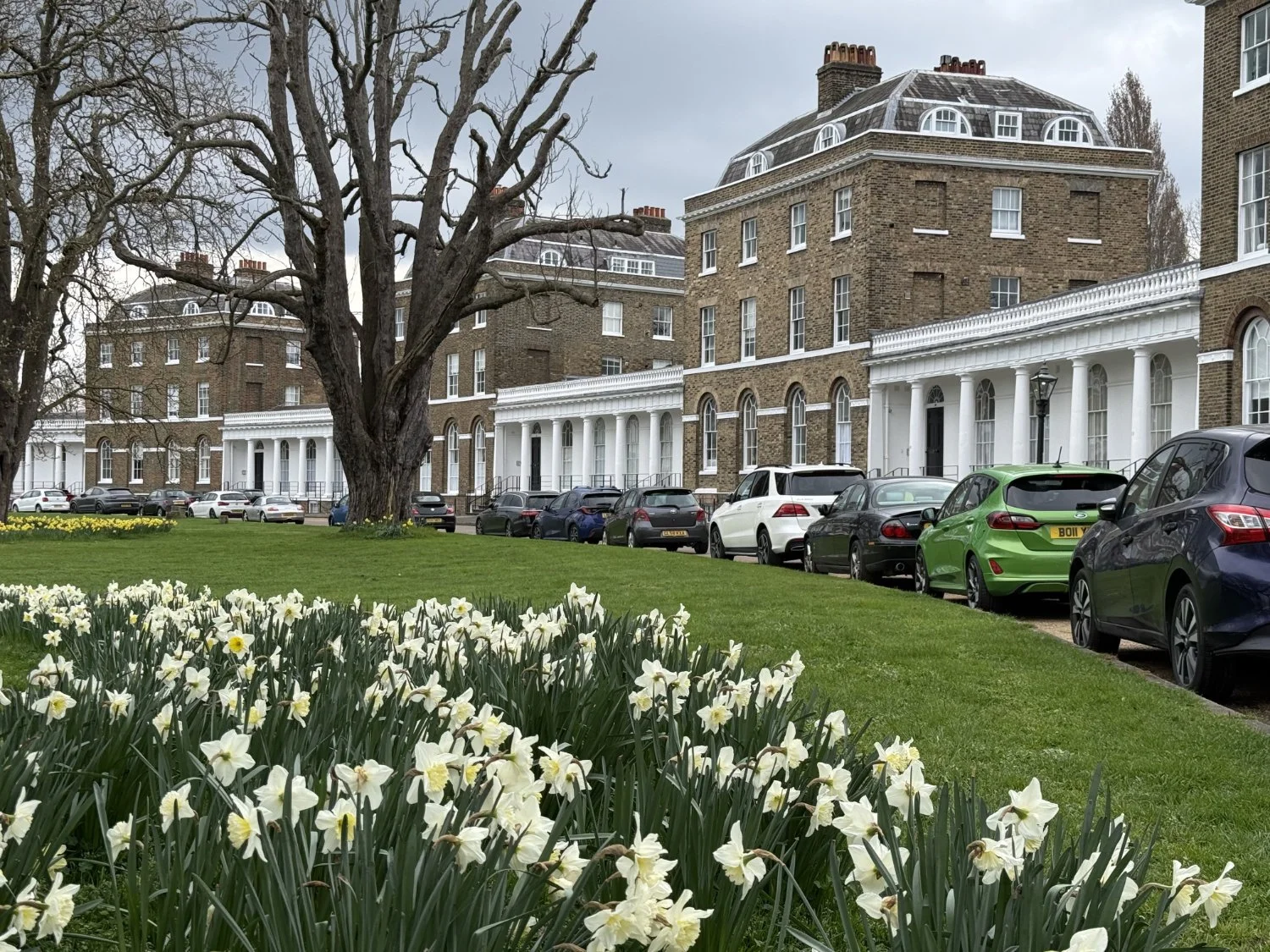
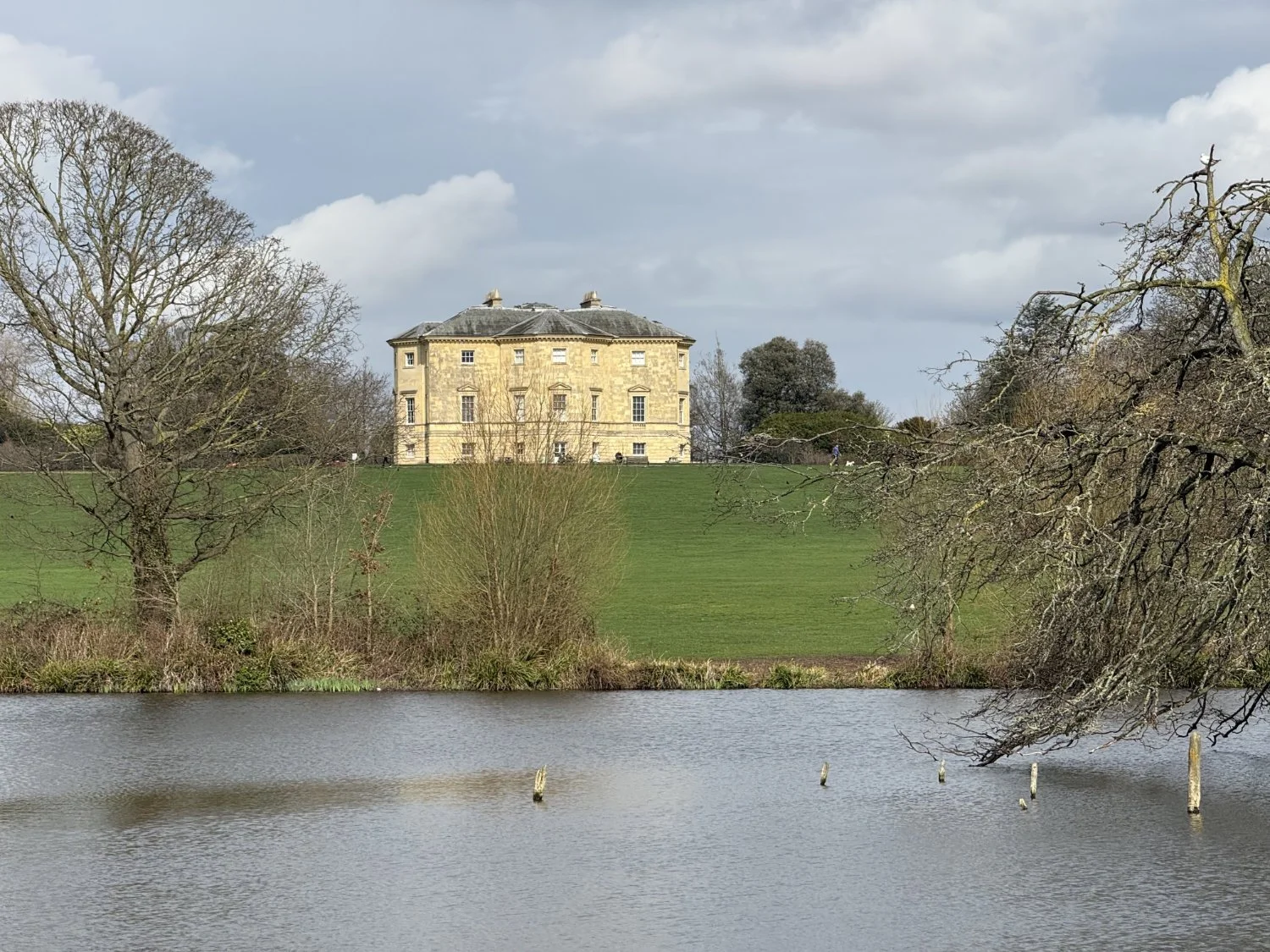
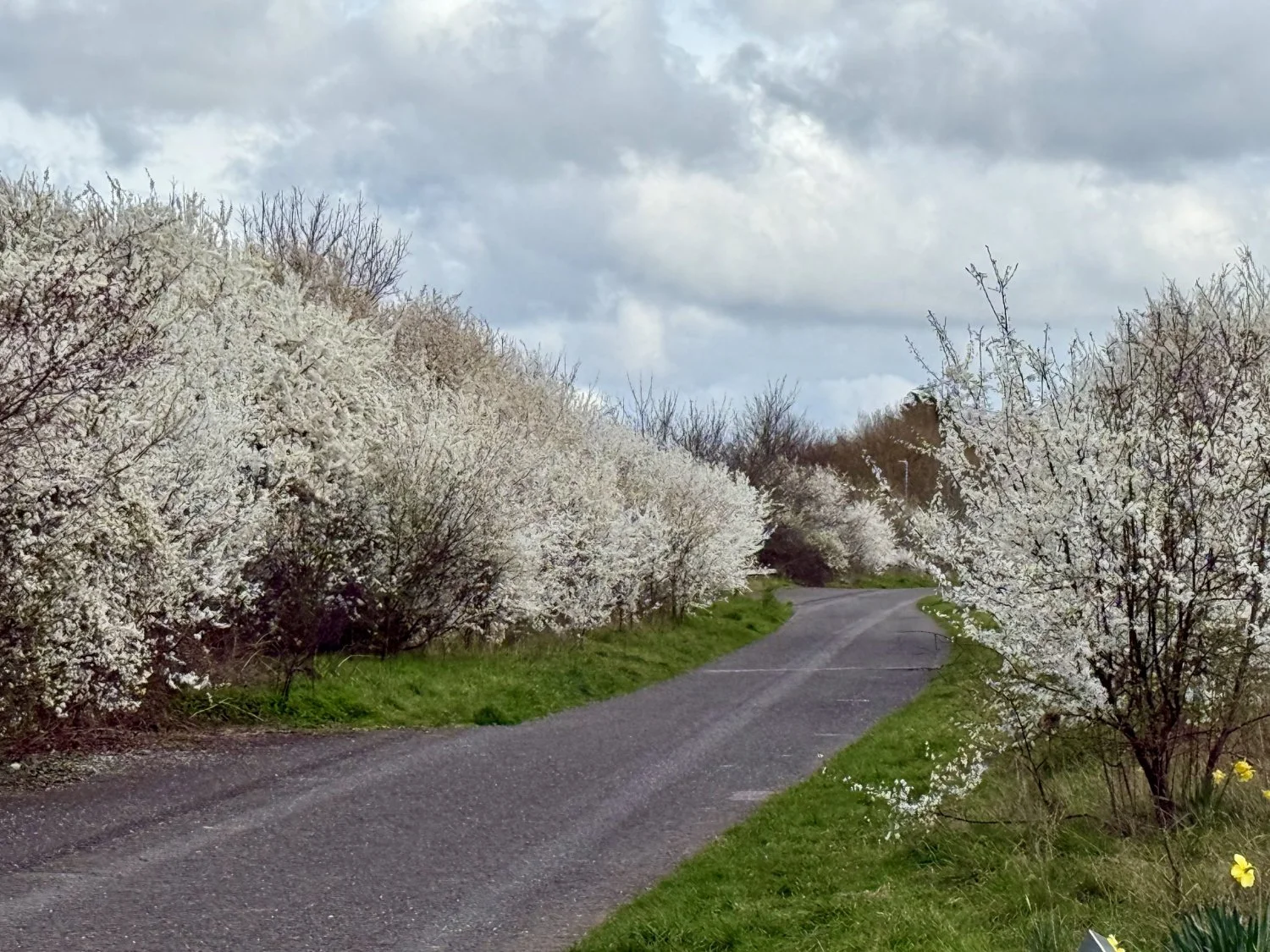
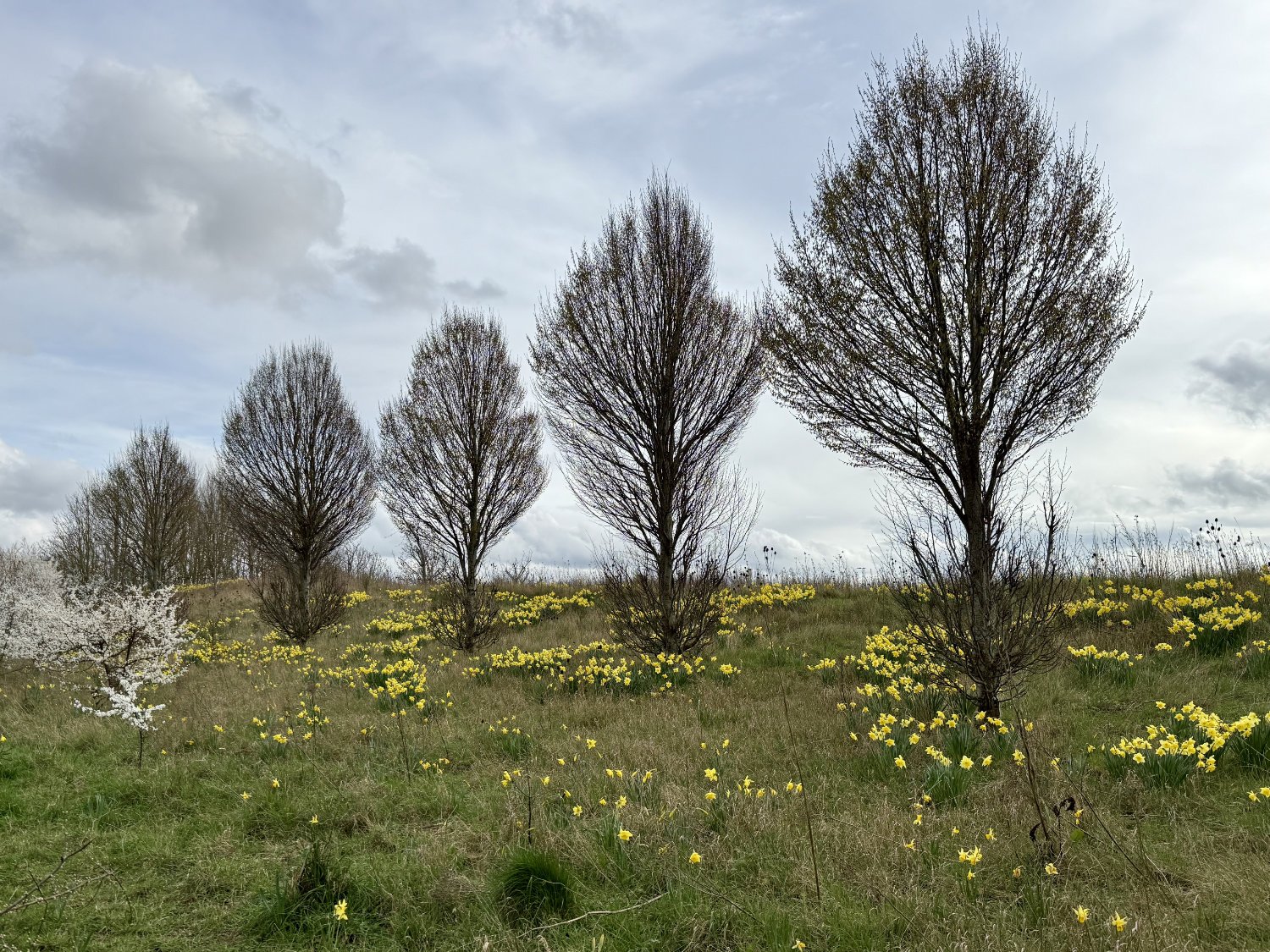
I can’t pretend that the next 10km are pretty, but there’ll be plenty to distract you should you look for it. The gardens of Well Hall Pleasaunce, the house and grounds of Danson Park, The Red House (NT). The latter was built by one of the great ‘influencers’ of his age William Morris who built this Arts and Craft home in what was deep countryside in 1860. All very lovely. Notice too, the daffodils in parks and roundabouts, bluebells and wildflowers in season beside the roads, the front garden in various forms of dress. The riding is easy, traffic almost non existent, the sublime dullness of the suburbs.
Riding through Bexleyheath, Crayford, Dartford and Ebbsfleet, there’s little to stop you, unless you wish to enjoy a fabulous bakery in Eltham. Ayre, ‘Master bakers and Chocolatiers’ and ‘All in a Pickle’ Delicatesen next door are the places to pause. (Great food but no loos and limited seating). Where the route runs exactly alongside the old Watling Street, (now a thundering road) there is a continental standard cycle path; wide and smooth, bordered by a wide green belt. Along it you ride, with ease and pleasure into Strood and thence across the Medway to Rochester.
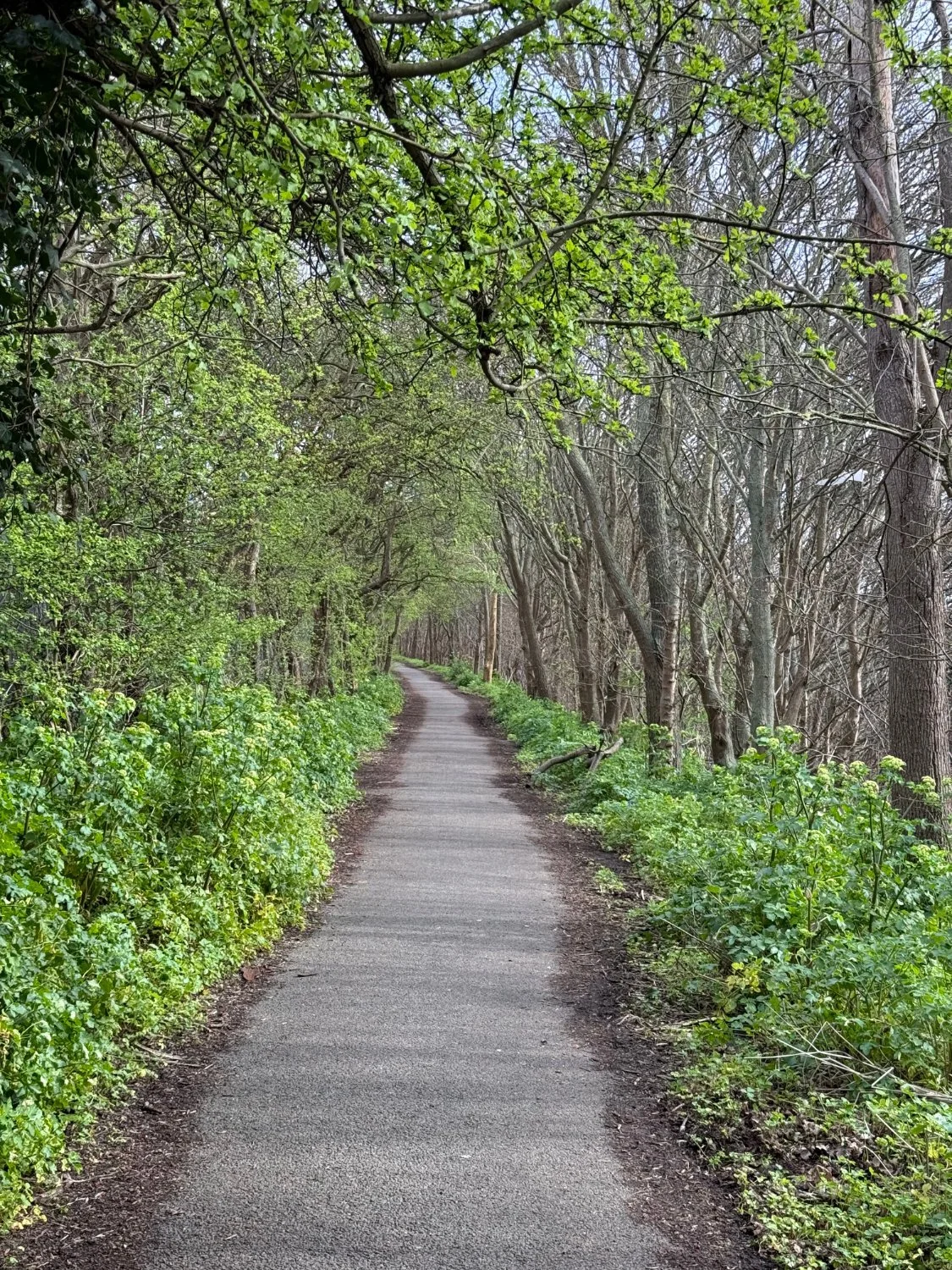
NCN 177
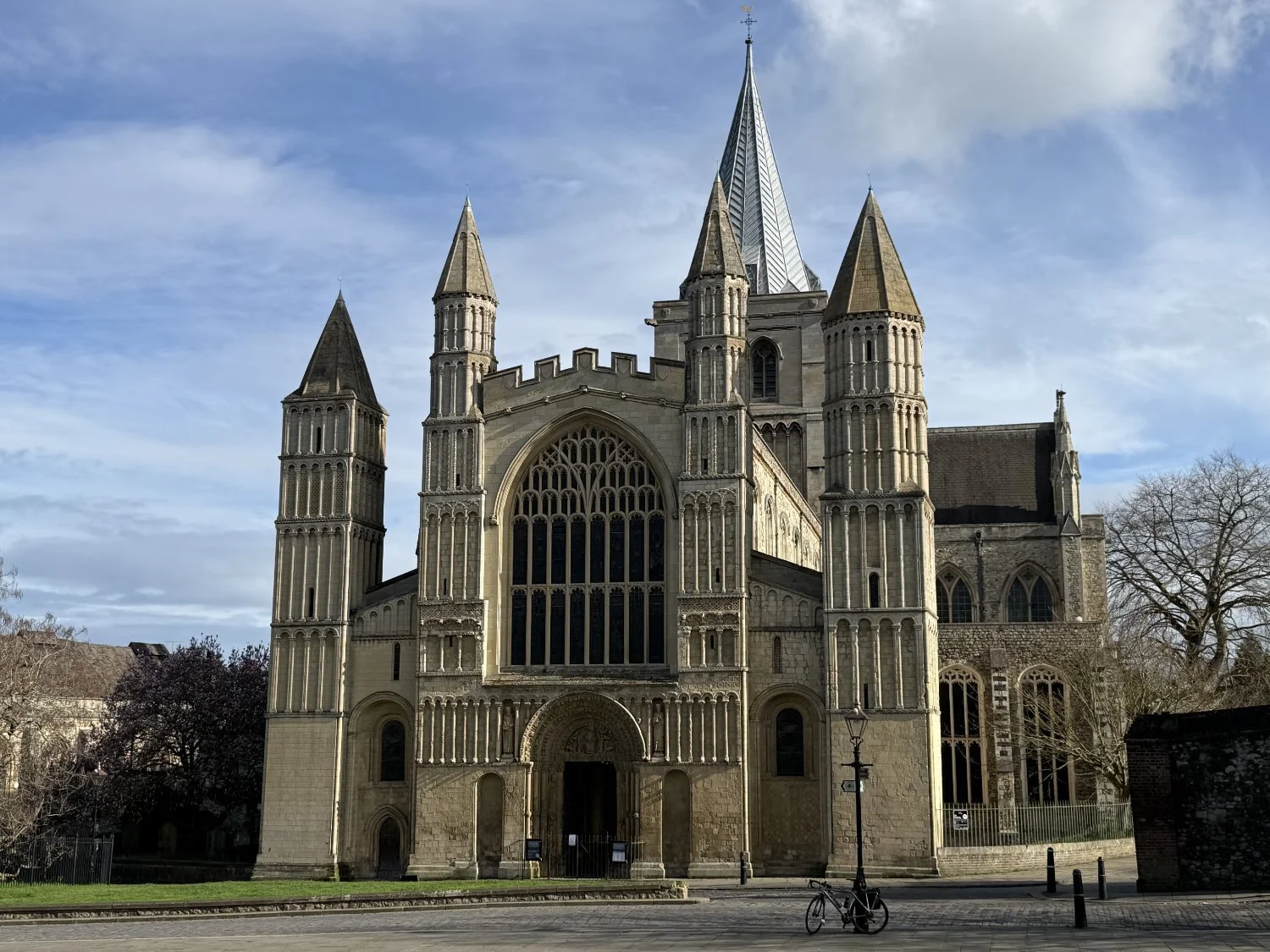
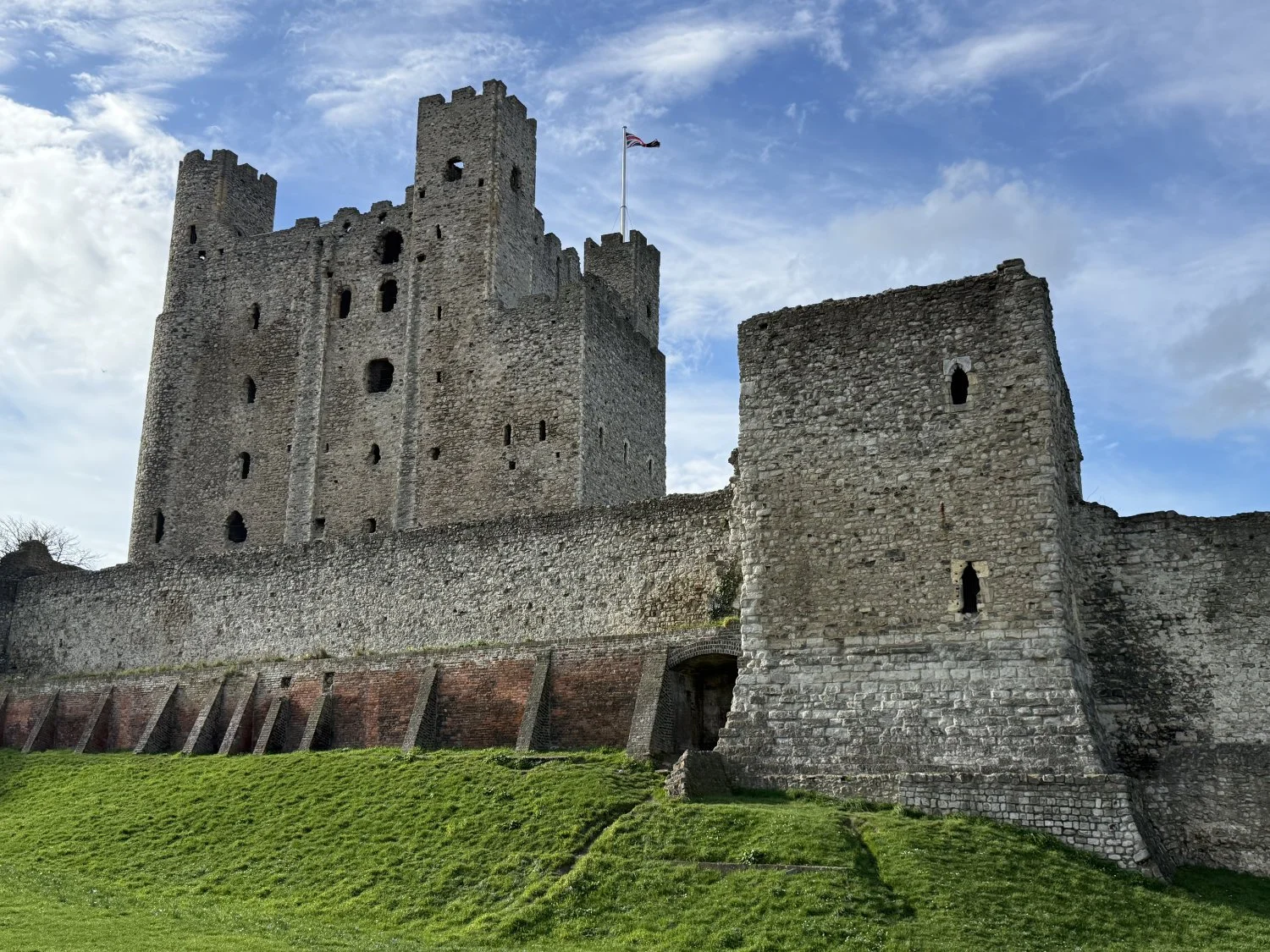
In a Rochester street a thirteenth century baker, William of Perth, was struck on the head and his throat cut by his adoptive son. His body was discovered by a ‘mad woman’ who placed a garland on him and was instantly cured of her mental illness. His body was brought to Rochester Cathedral for burial where further miracles were reported, all of which led to his canonization by the Pope in 1256. His shrine is no more, but the Cathedral - the second oldest in the England - is a gem of Norman architecture, as is the neighbouring castle. The High Street is little changed since Charles Dickens walked along it. (He lived nearby).
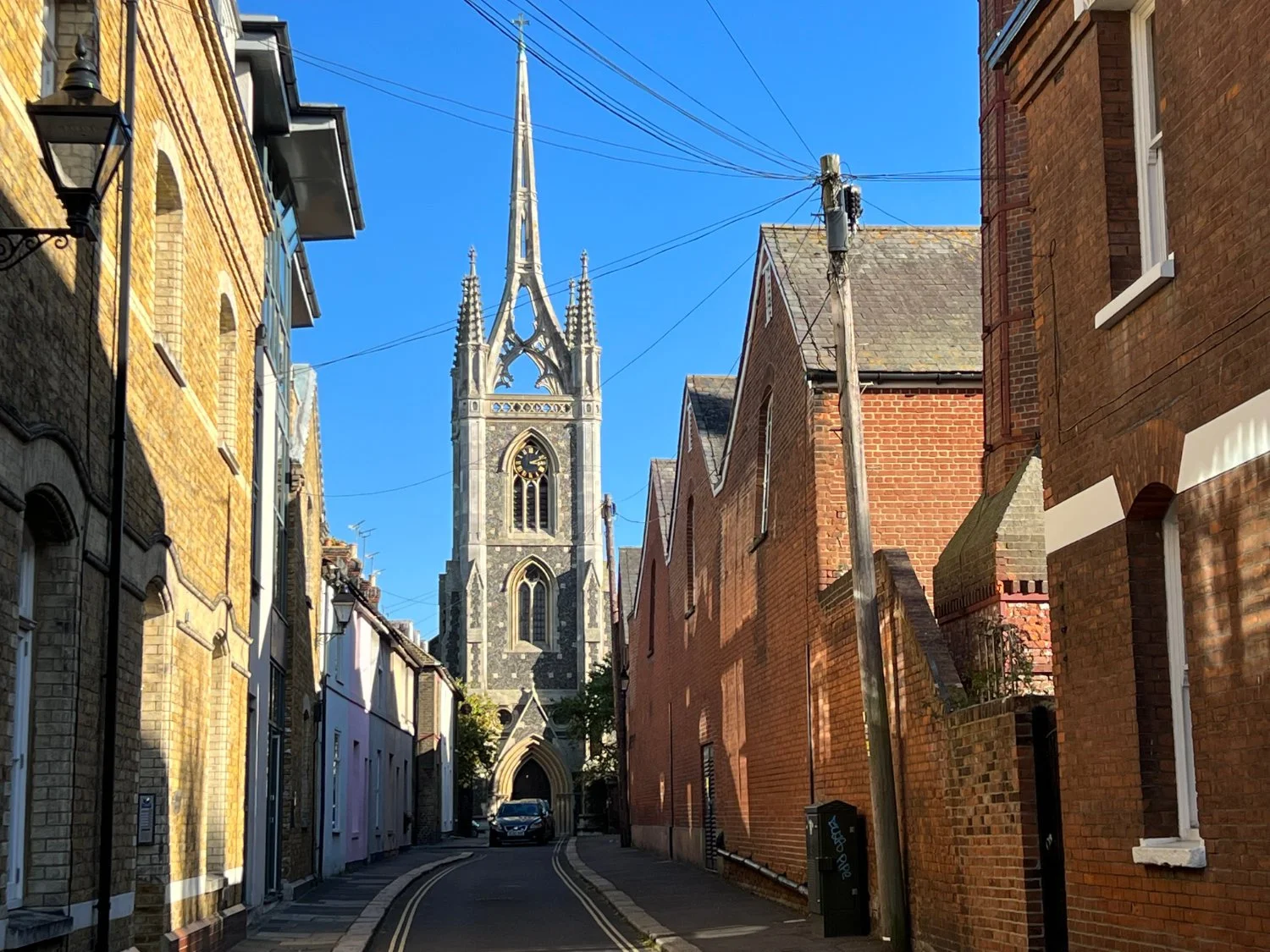
St. Mary of Charity, Faversham
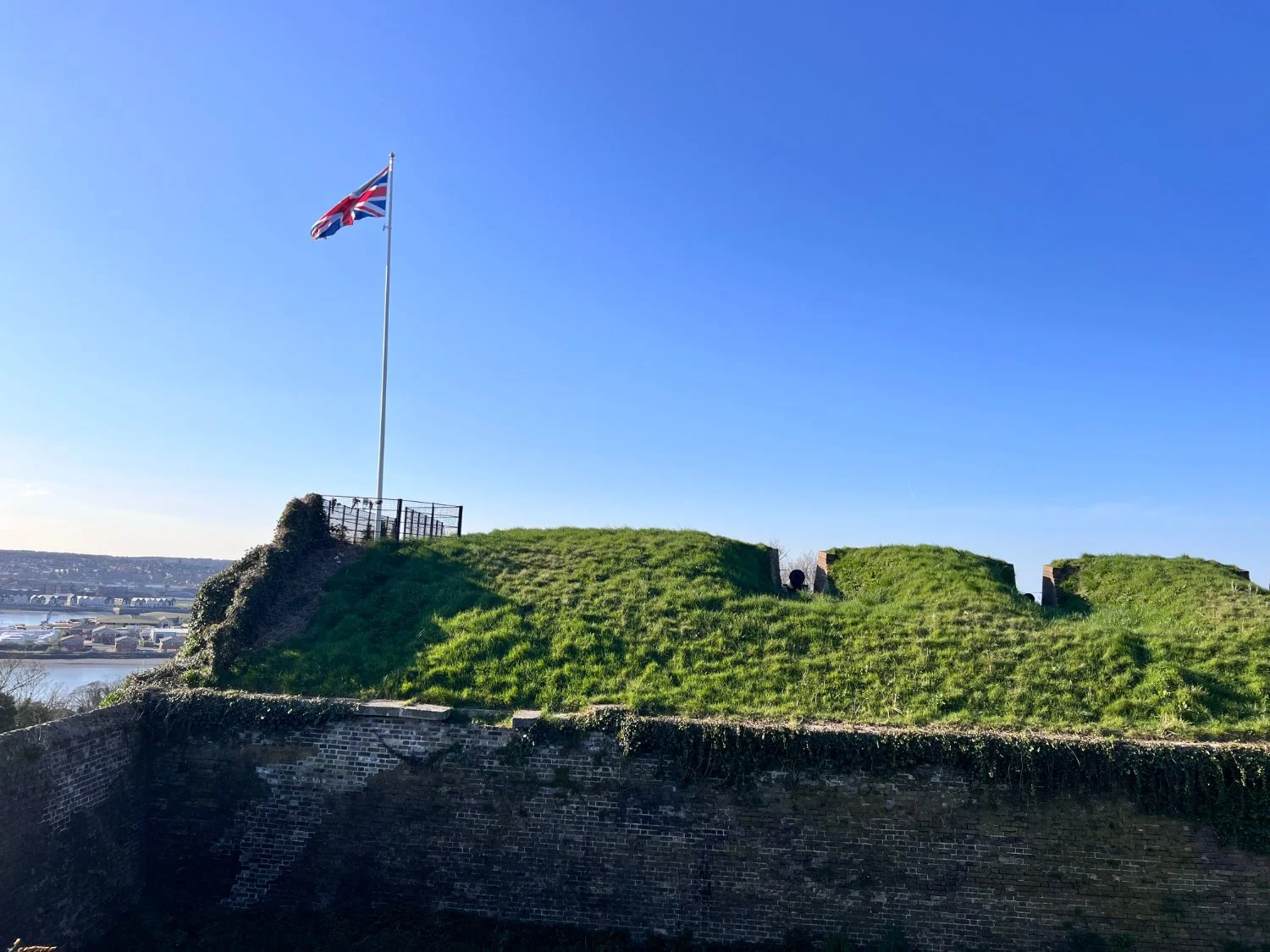
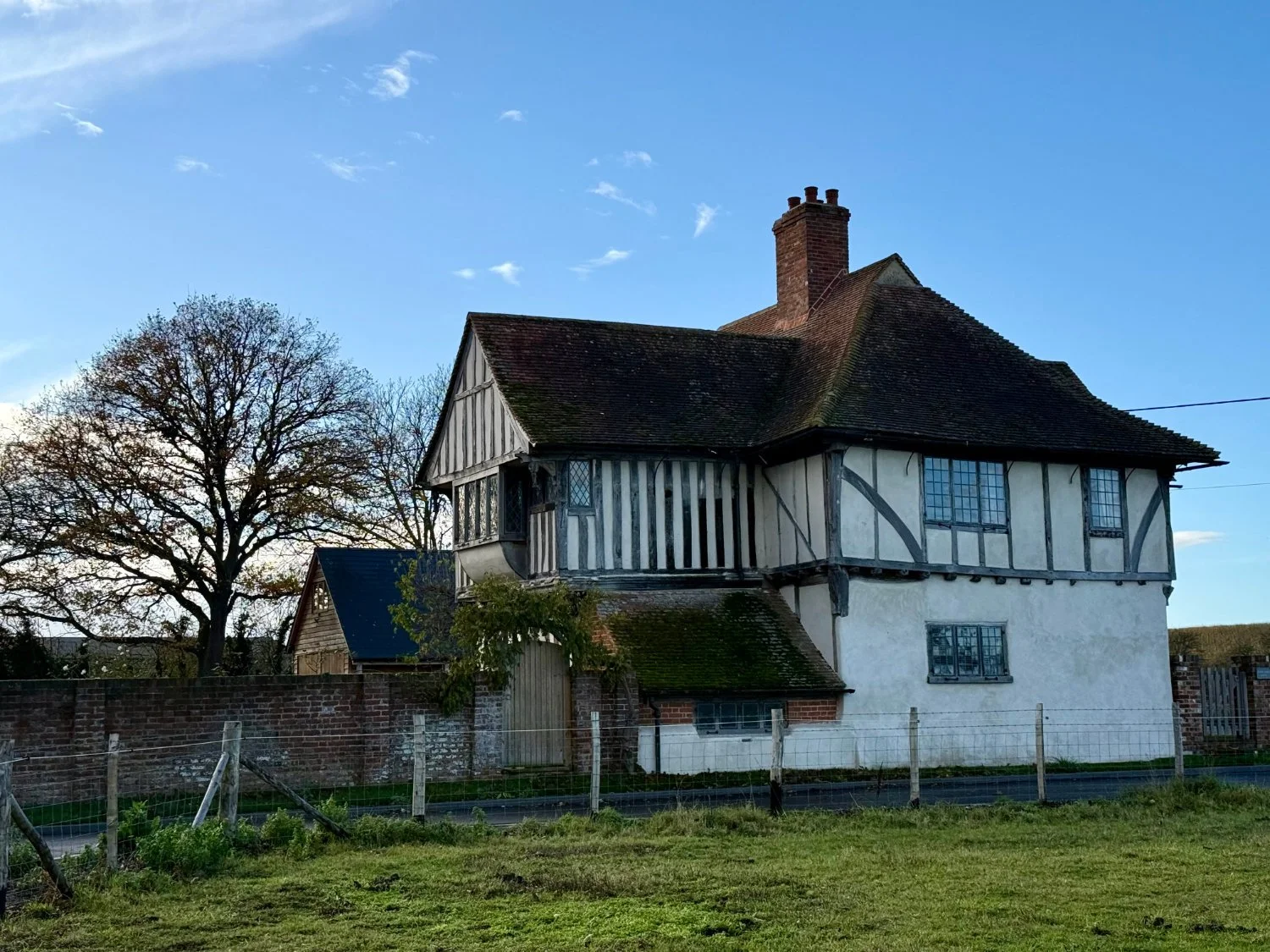
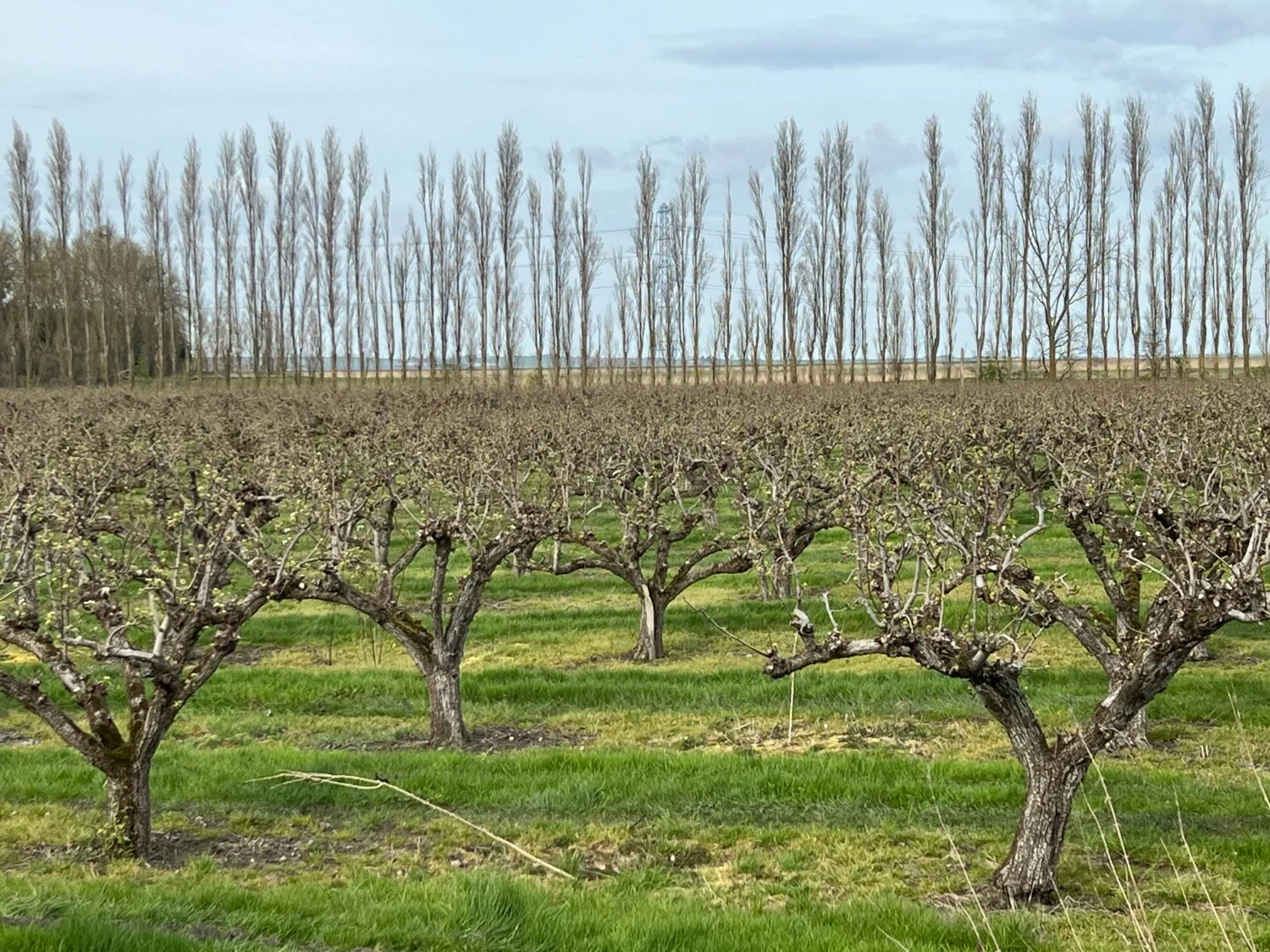
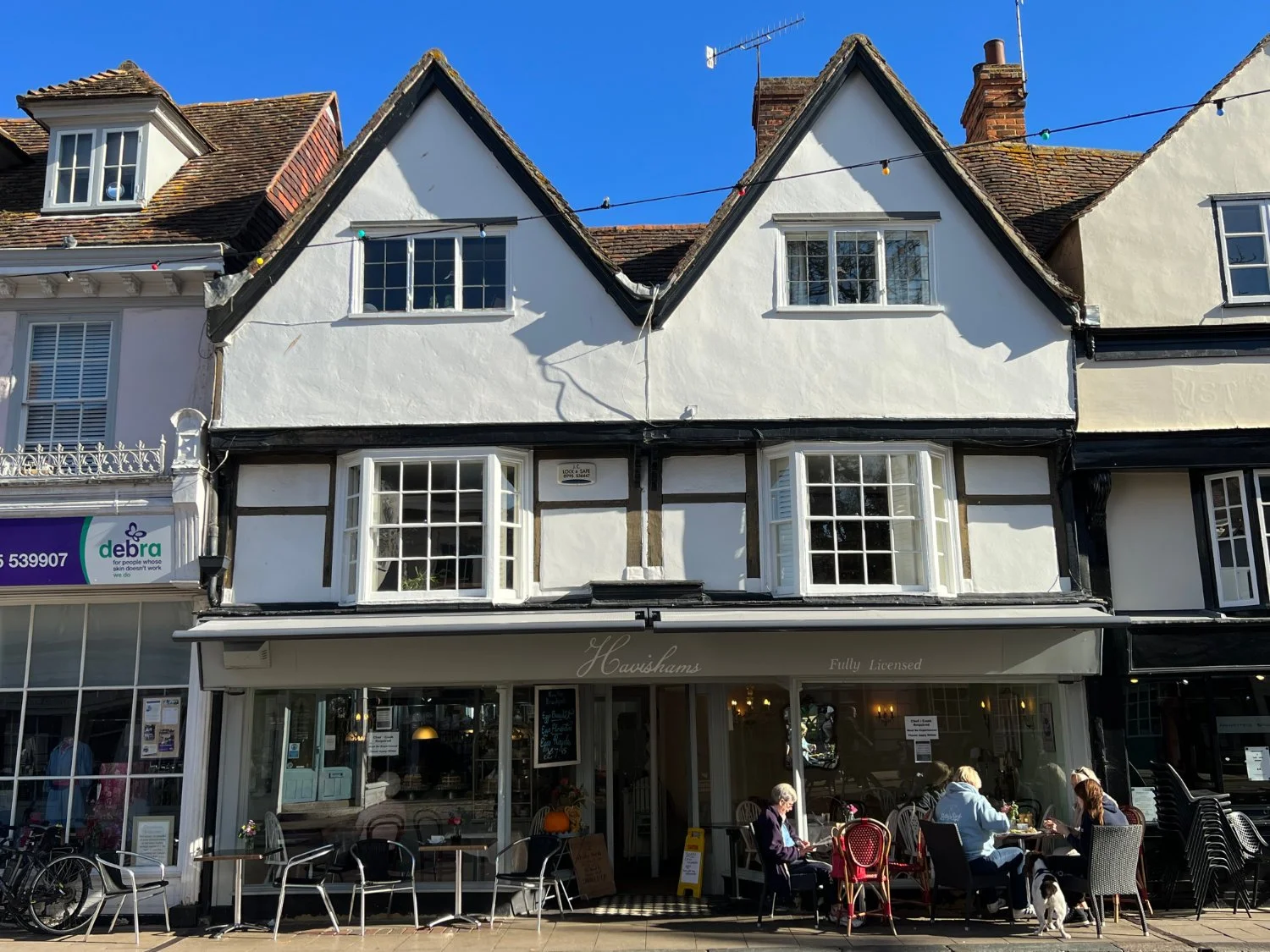
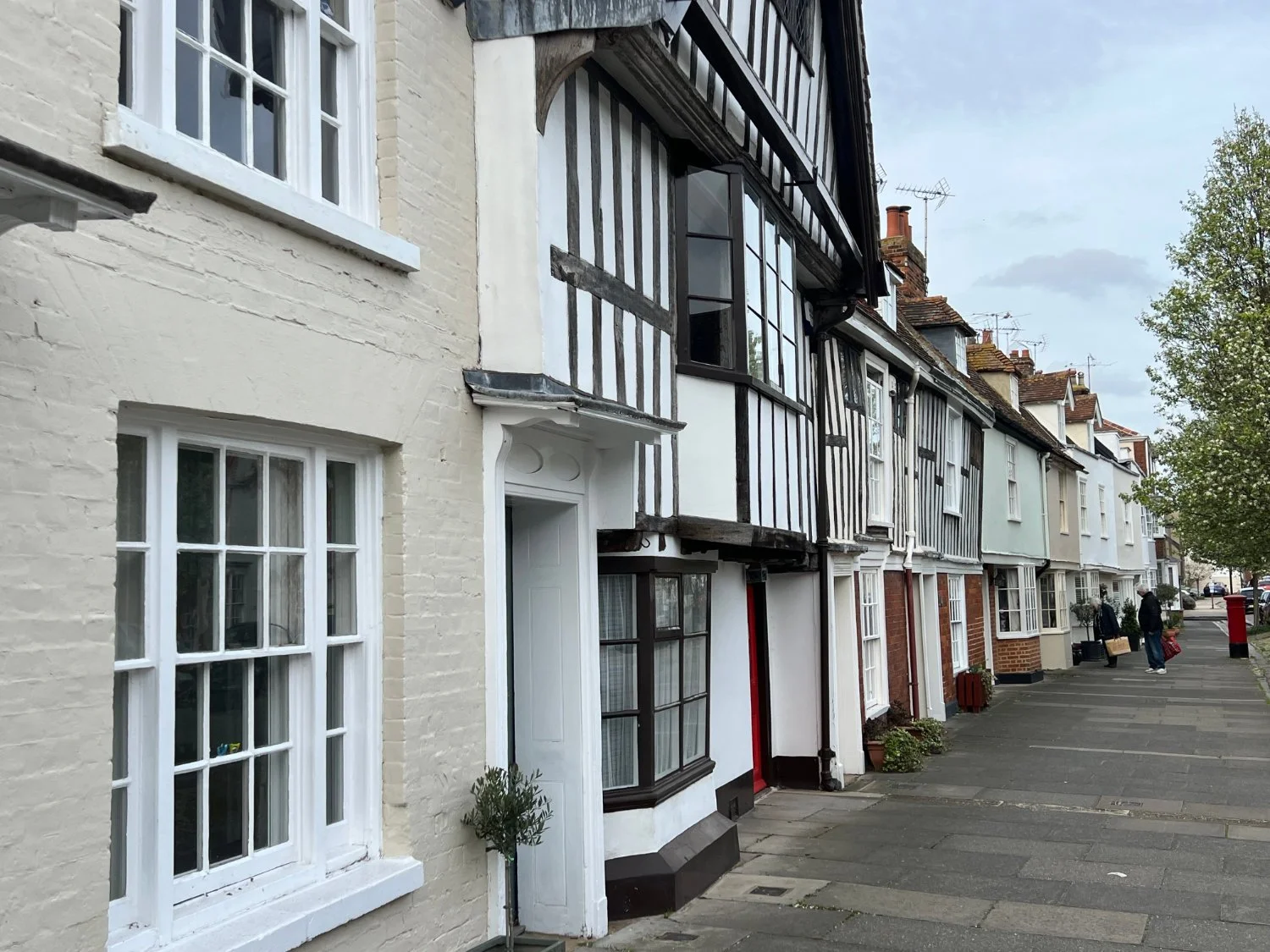
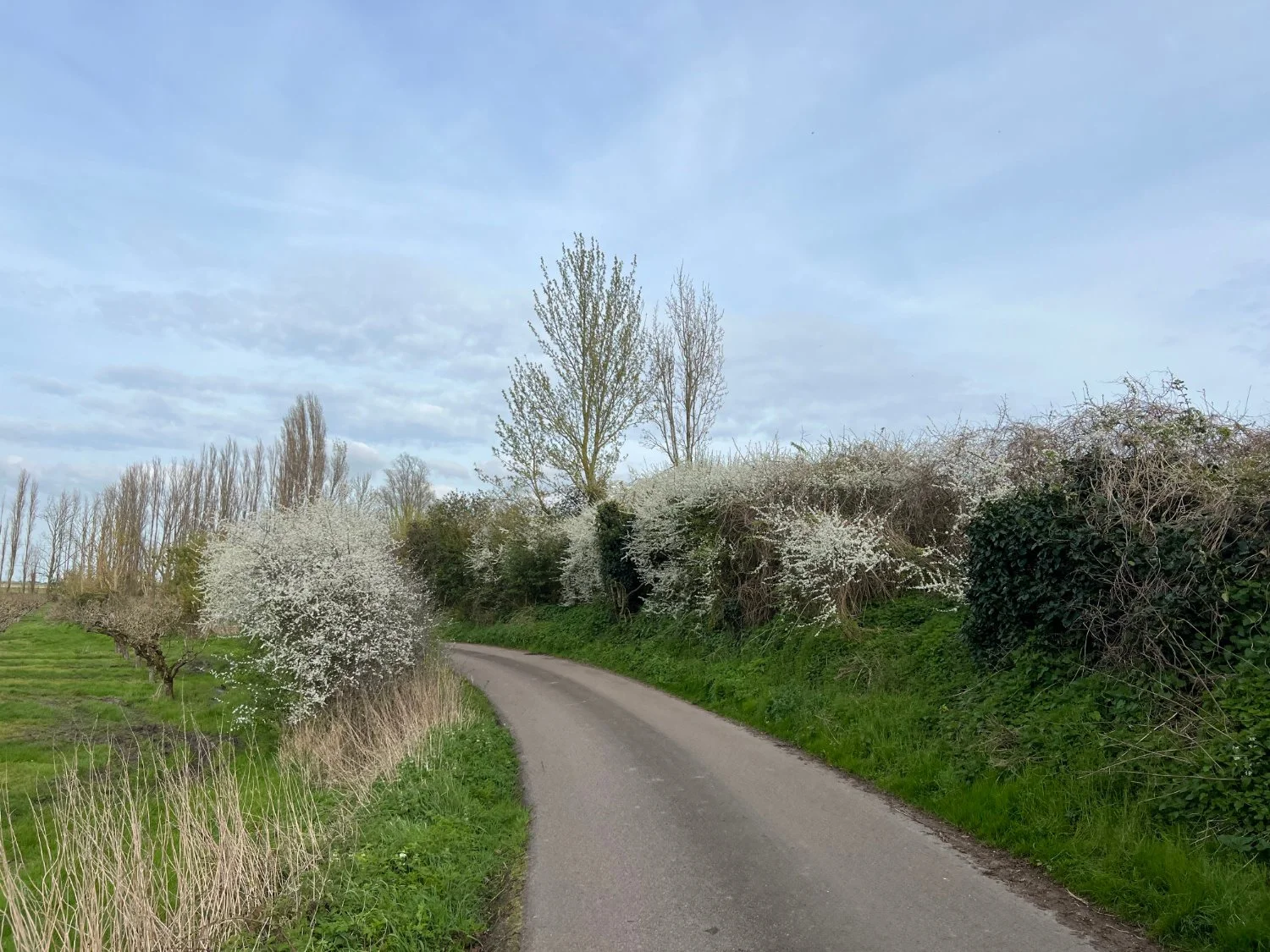
A mix of a hill (steep), more drab housing and the remains of Fort Amherst take you out of Chatham and Rainham before arriving in the orchards of Kent. On winding roads the route takes you to Faversham, a treat of a town; listed buildings, Britains oldest brewery, a ship yard and the remains of an old abbey. There is too, on the edge of town, the Maison Dieu, a medieval ‘hospital’ in which pilgrims would have stayed. From the town, there are more Kentish hills, woods and orchards before the final climb into Blean Woods where you’ll see for the first time, just as Pilgrims of old would have done, the spectacular towers of Canterbury Cathedral.
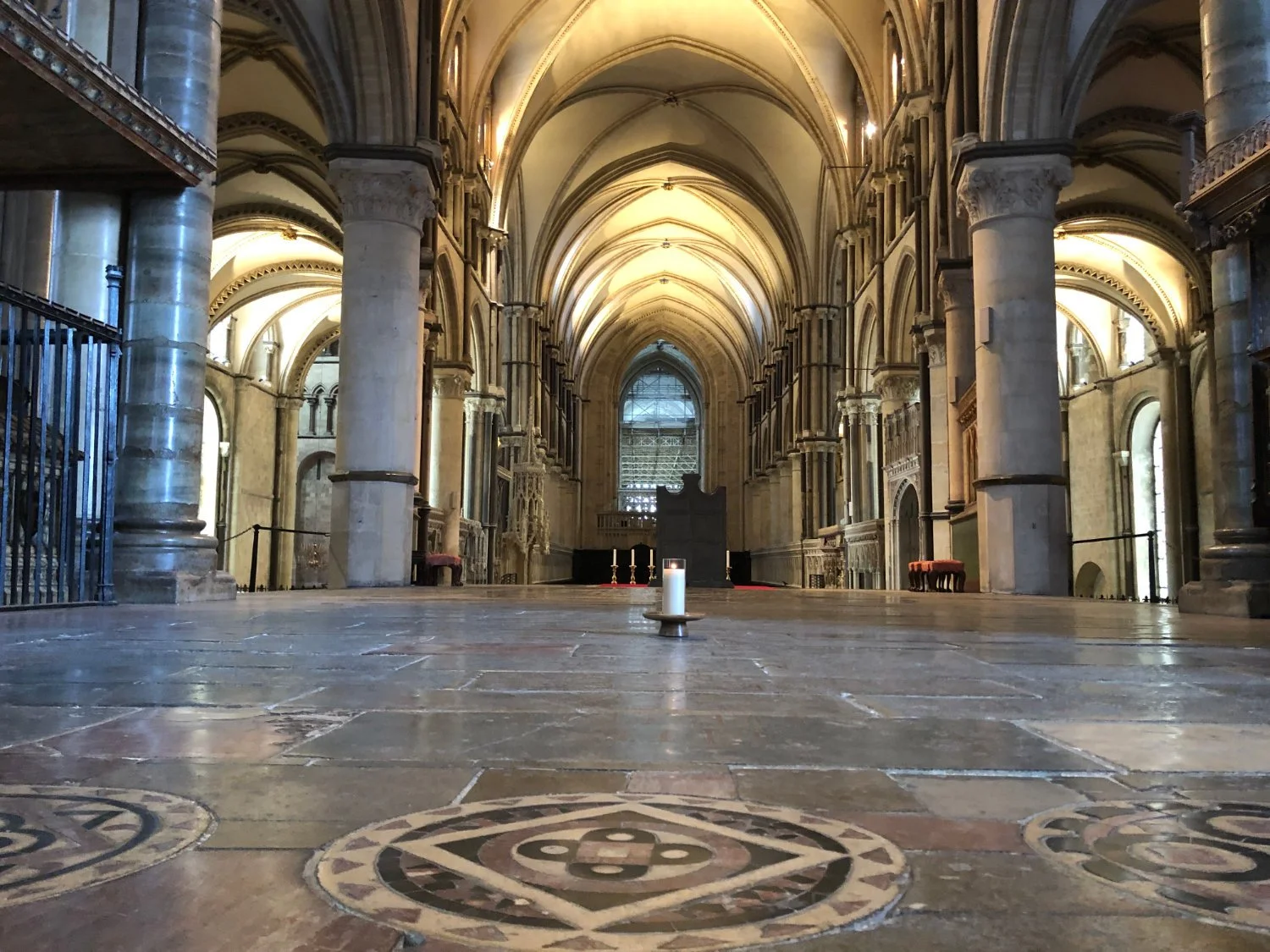
Shrine of Thomas Becketm Canterbury Cathedral
Henry II’s order that his Archbishop Thomas Becket should be murdered sent shock waves through Christendom. Within two years of his murder (at the high altar), he was canonised and pilgrims came from all over Europe. Henry VIII destroyed the shrine which was said to be one of the wonders of the late medieval world (built on the proceeds of pilgrim ‘contributions’), but a solitary candle burns on the pavement where once the shrine of Thomas Becket stood, one of the wonders of the late medieval world stood. The cathedral, a UNESCO World Heritage Site, is an architectural marvel, as is much of the medieval city; its Buttermarket, beamed buildings, city walls, cobbled streets.
The pilgrimage is completed. You’ve stood before Becket’s shrine. God again gives way to beer. Parrot, in Church Lane, an ancient heavy-beamed pub down a narrow cobbled lane will be the most atmospheric of places to quench your thirst, although as with The George in Southwark, the food is basement level mass catering. Better by far if you need feeding, is to ride to the The Good’s Shed, the last of this trip’s fabulous Farmer’s Markets/restaurants/delis. Sadly, the only ‘hospital’ remaining in Canterbury, Eastgate, is only open to tours for six people or more and its rooms are only available for 7 night stays, which might be stretching this pilgrimage a bit too far.
Every route on this website has been carefully researched as well as ridden. However situations on the ground can change quickly. If you know of changes to this route, or cafes, pubs and the like which you think other cyclists need to know about, feel free to share your thoughts below.
Every route on this website has been carefully researched as well as ridden. However situations on the ground can change quickly. If you know of changes to this route, or cafes, pubs and the like which you think other cyclists need to know about, feel free to share your thoughts below.
If you enjoyed this guide, why not subscribe to the website so as not to miss other inspirational routes?
wheremywheelsgo.uk is a Feedspot UK Cycling top website