395km London to Grimsby (NCN12)
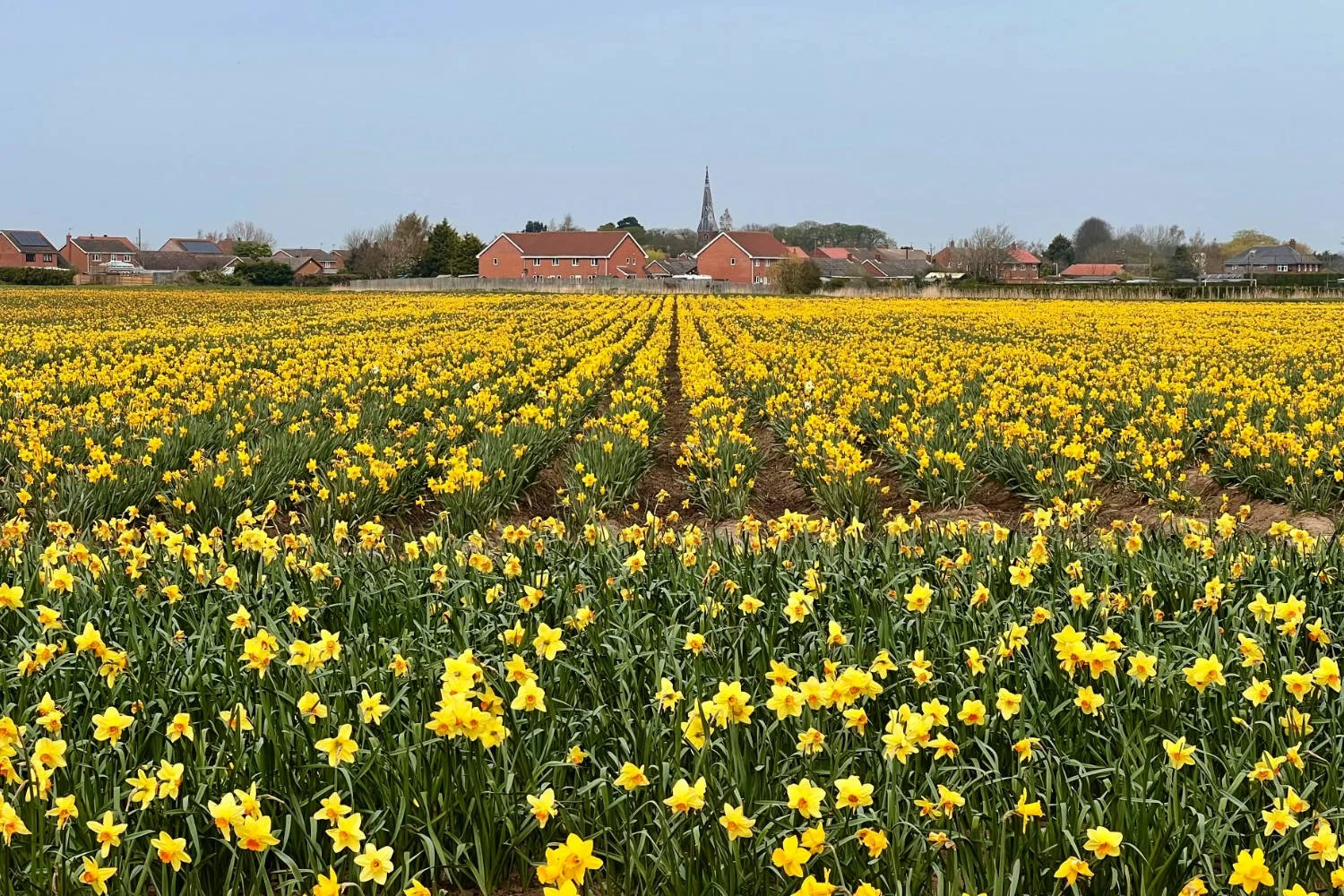
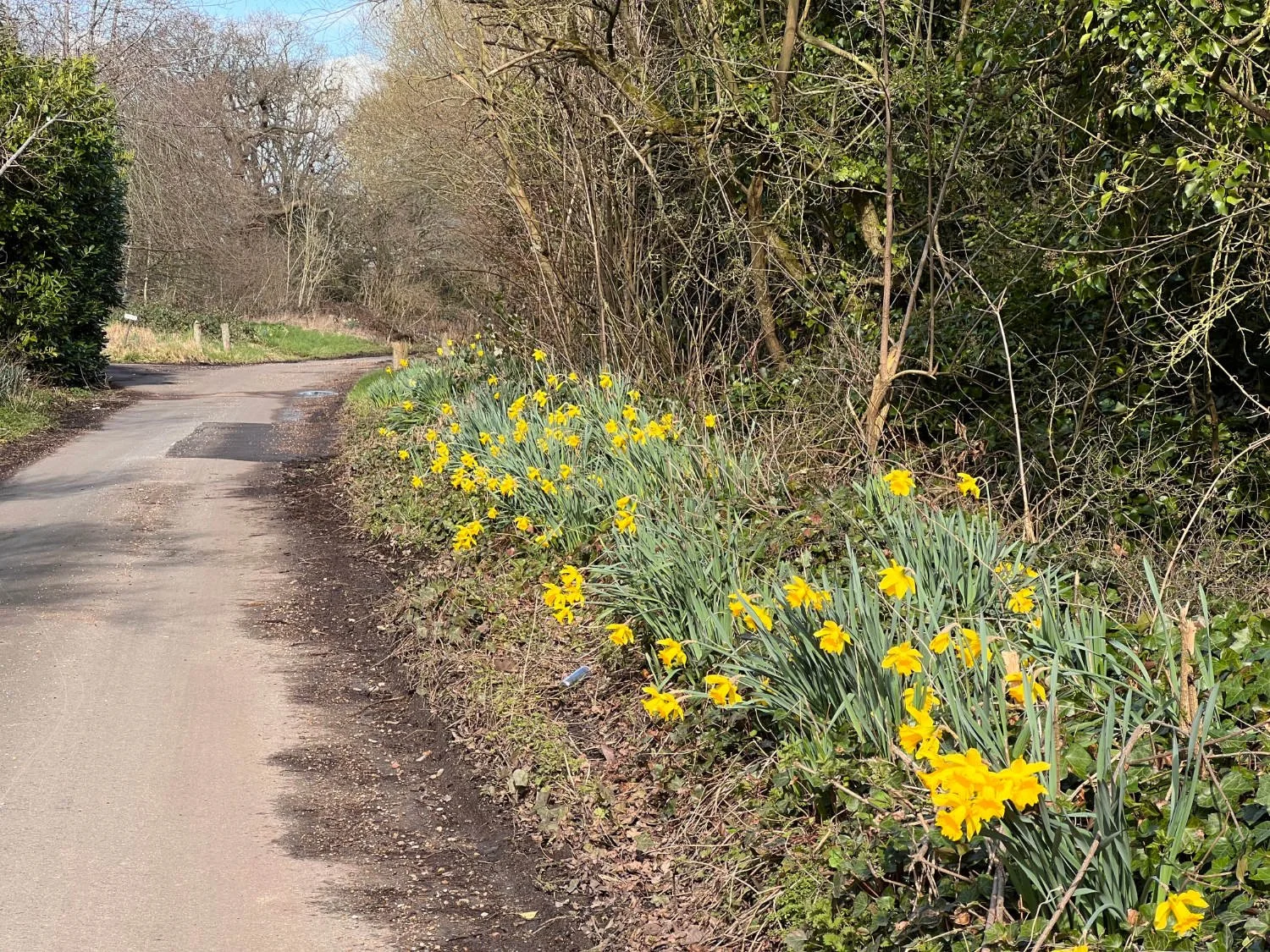
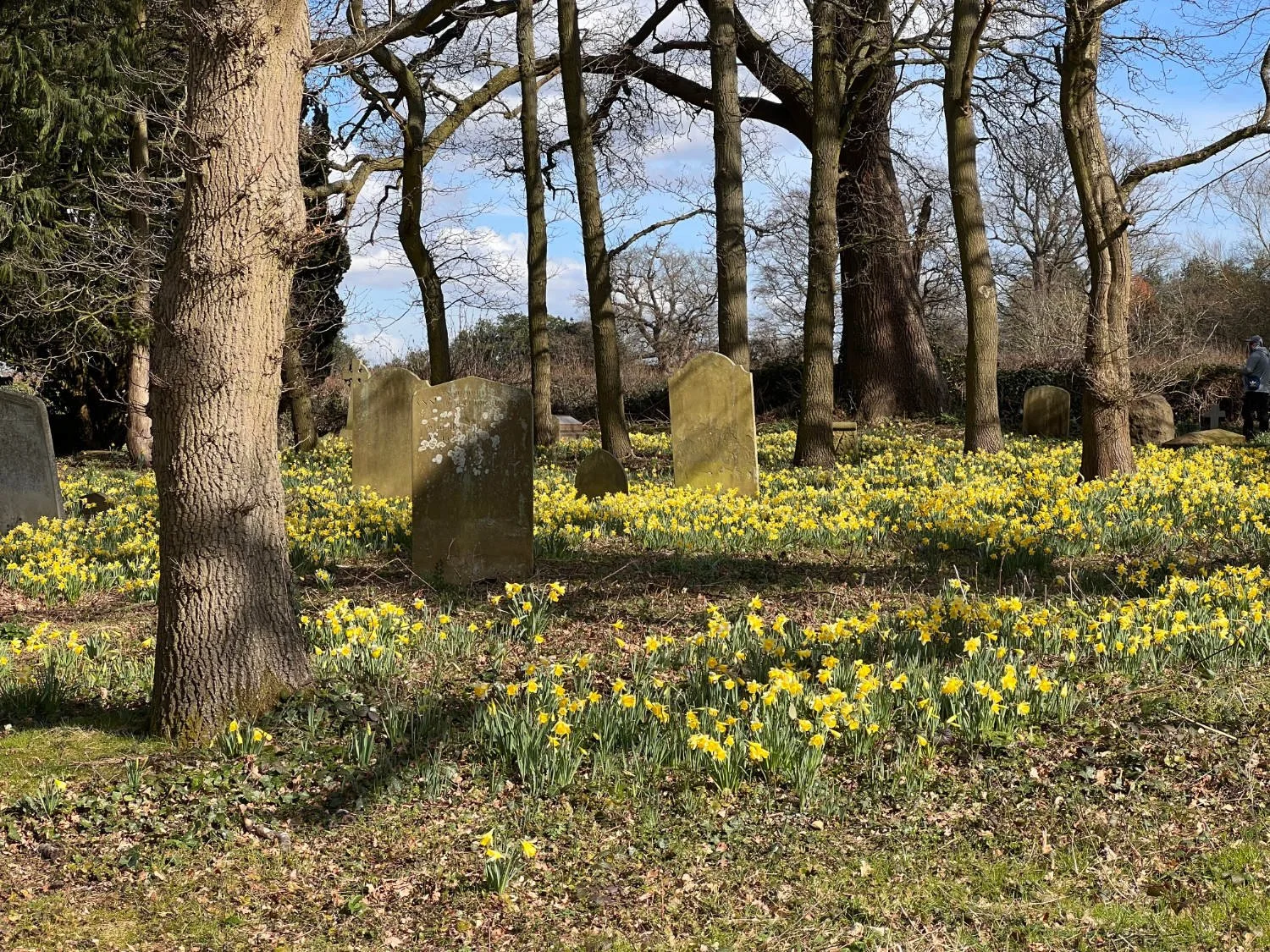
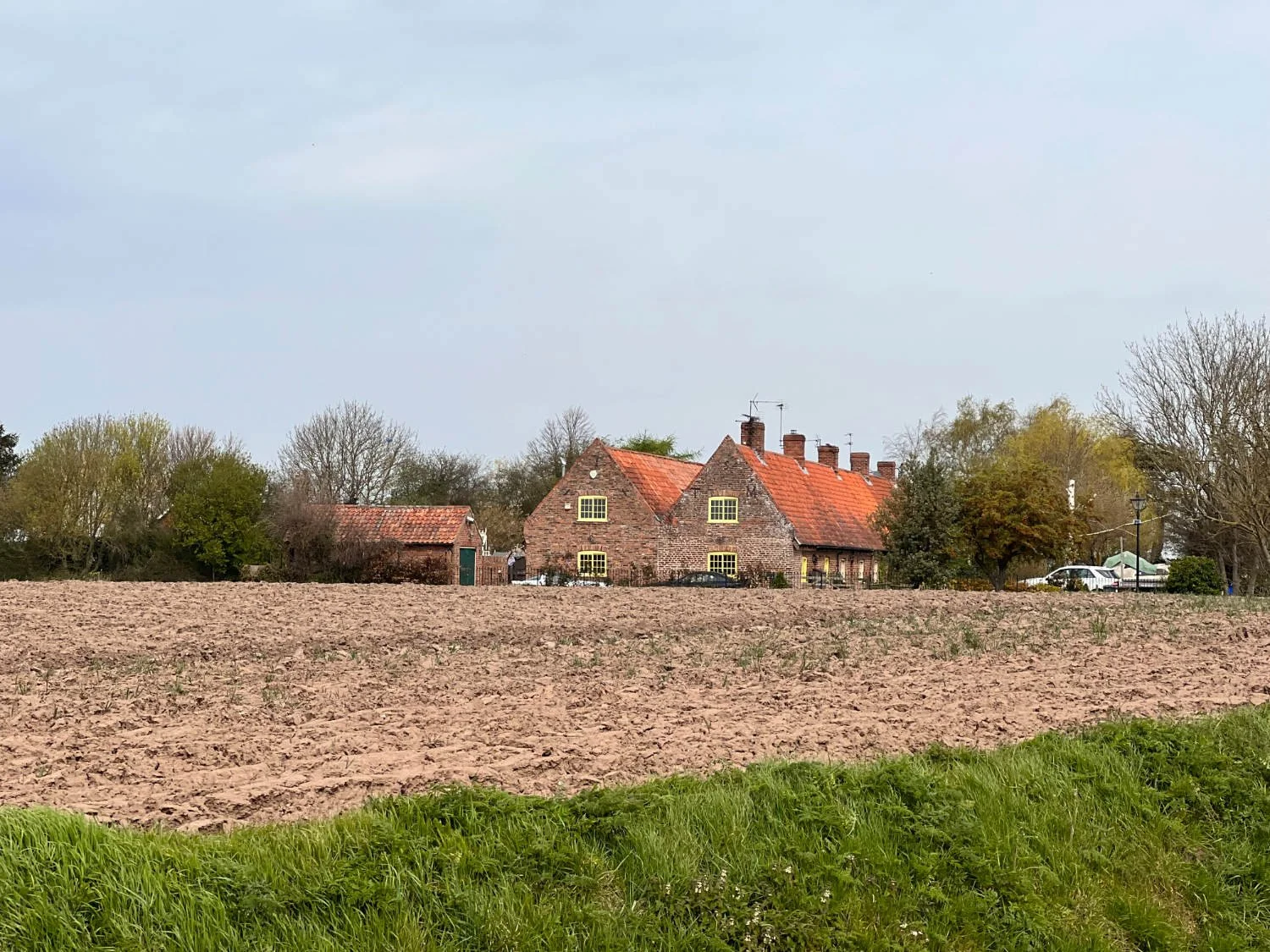
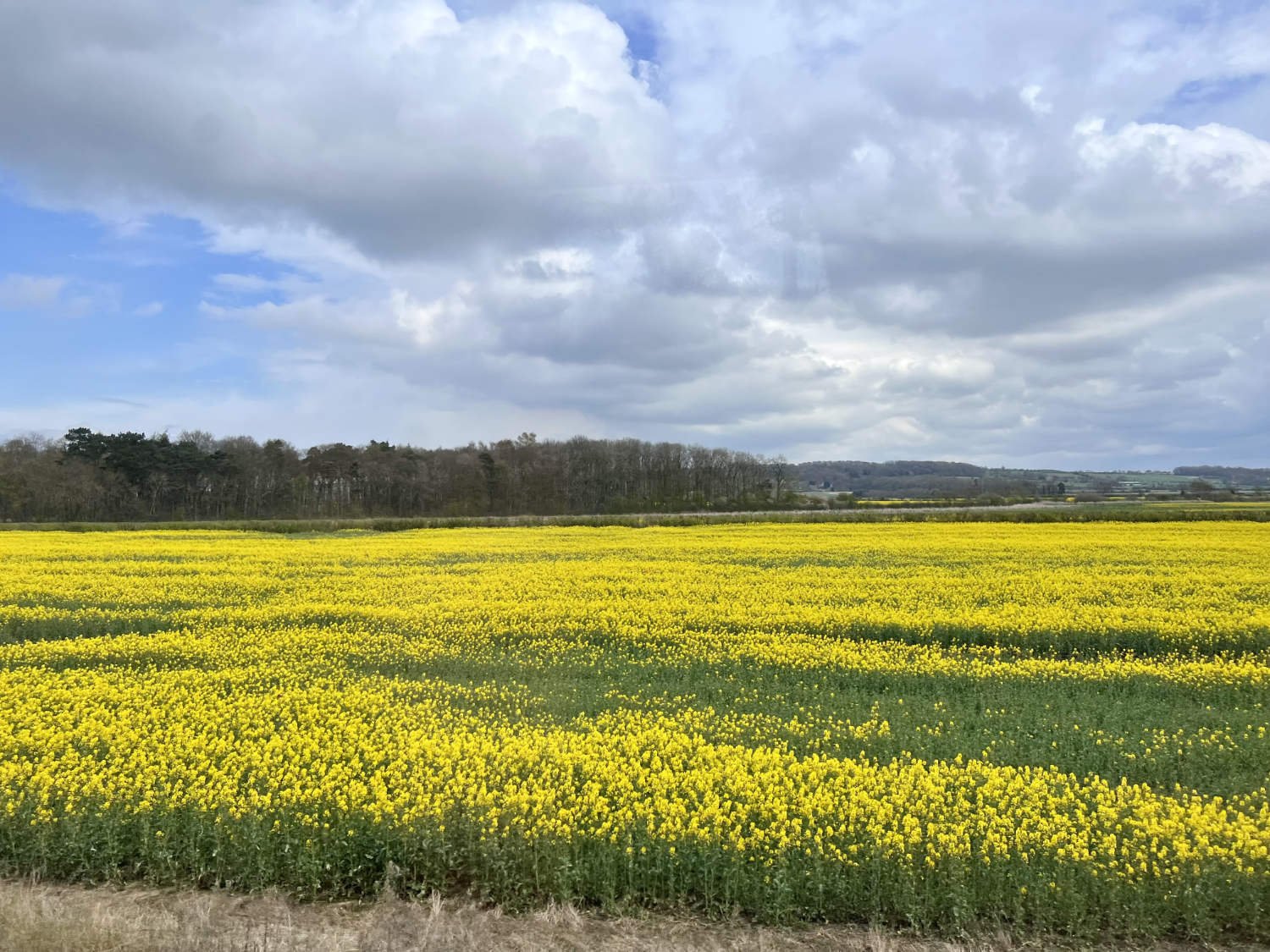
One of many fields of Daffodils in Little Holland. Tulips follow in neighbouring fields
Ride Overview
The Fish Road: London to Grimsby
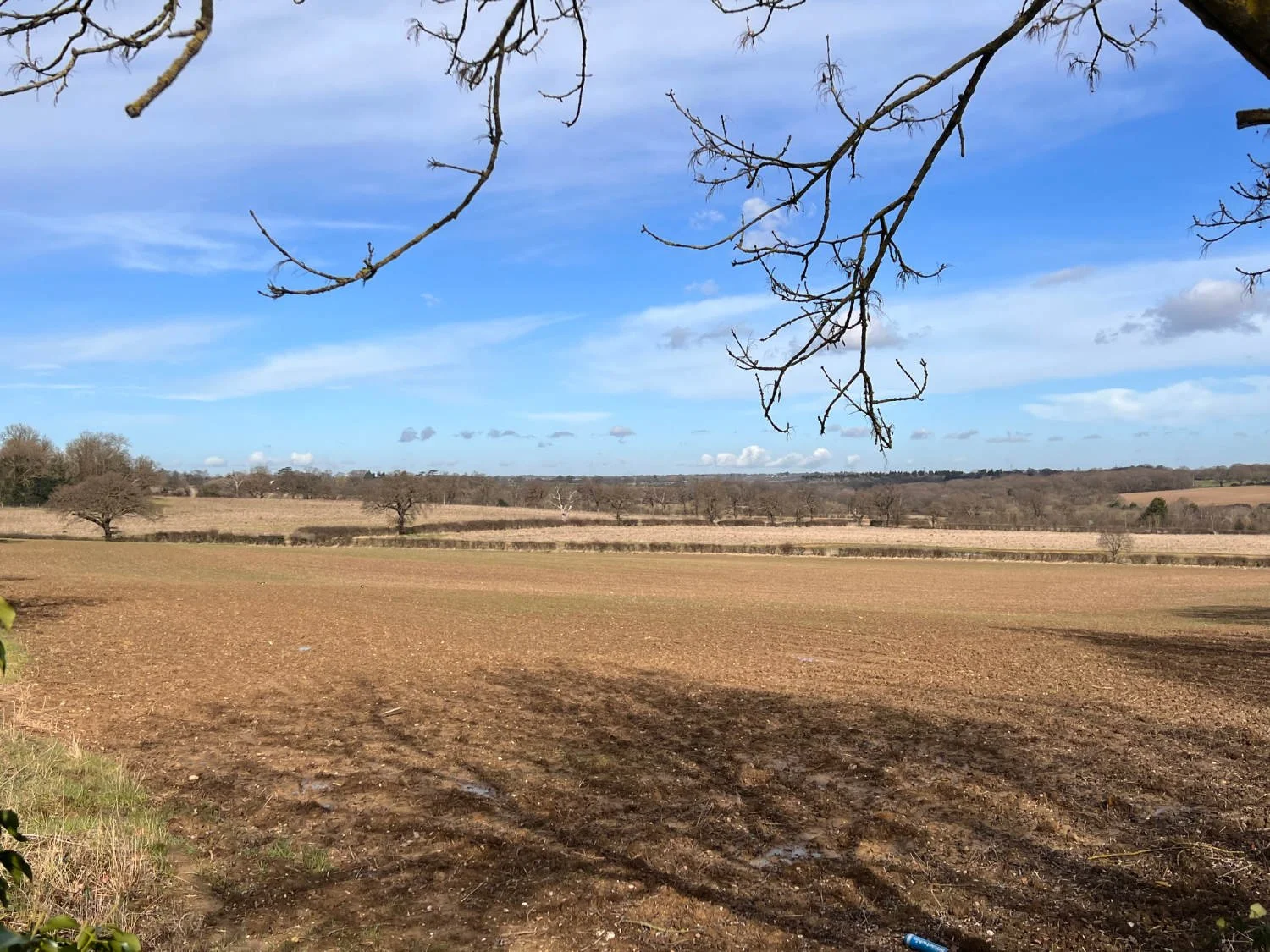
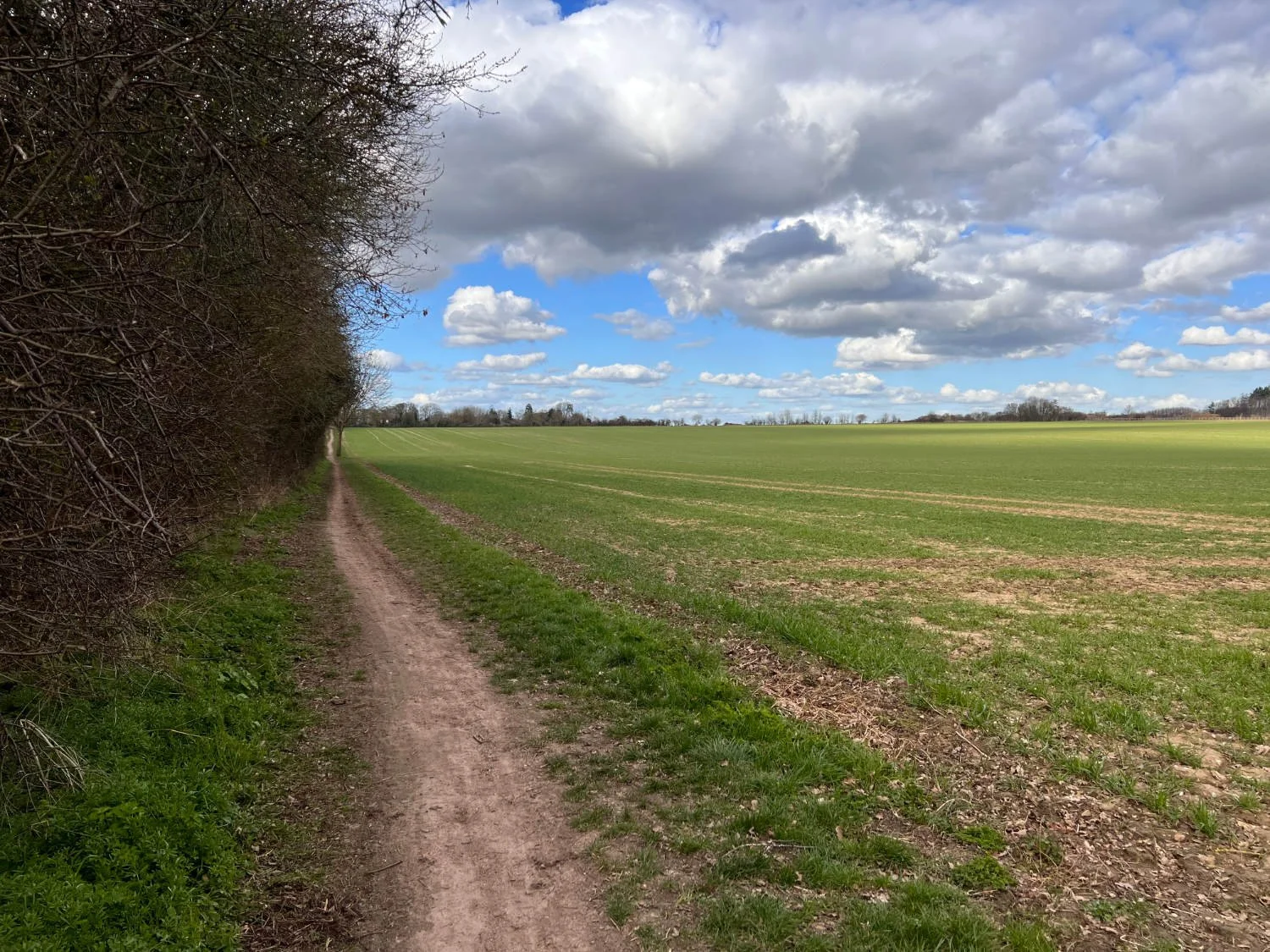
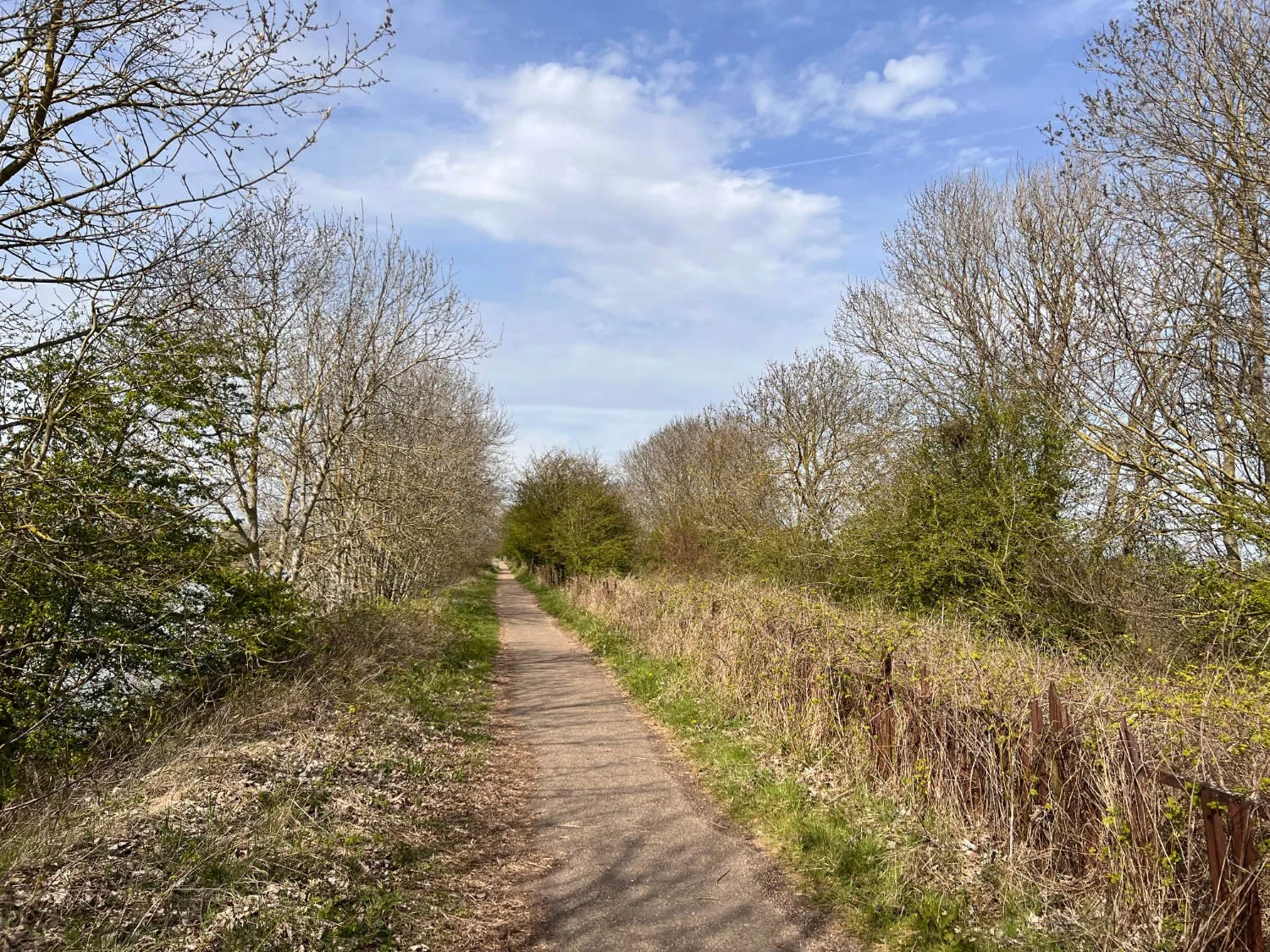
Unlike the bays of Cornwall, the hills of the Cotswolds, the mountains of Cumbria, the East of England is crowd-free and magnificent. It is a region packed with riches: historical, gastronomic and geographical. The route — from the old fish market at Billingsgate on the Thames to the fishing port of Grimsby on the Humber — once the largest fishing port in the world — is a gentle journey for the curious on a mix of segregated cycleways, quiet lanes and field-edge bridleways, whilst riding under the huge skies of the east. It makes for a perfect long weekend's ride.
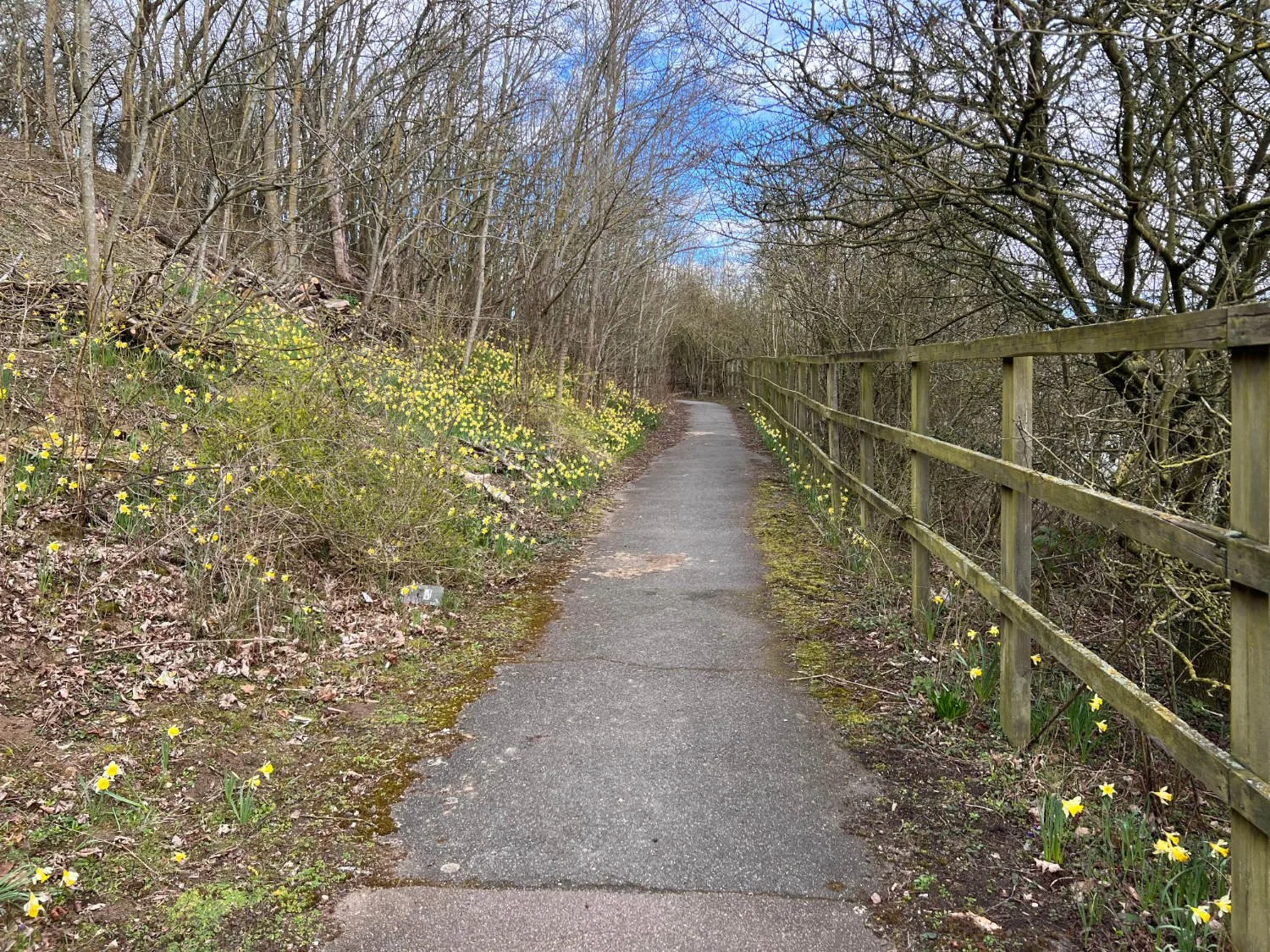
Good cycleways (often traffic-free) carry you out of the City of London past St Paul's Cathedral and out of the city, before hard-packed bridleways and woodland tracks take you through south Hertfordshire to Hatfield and its magnificent house. Field-edge trails thread through Bedfordshire and Cambridgeshire, firm and fast in dry weather, over medieval bridges and through utopian 'garden cities'.
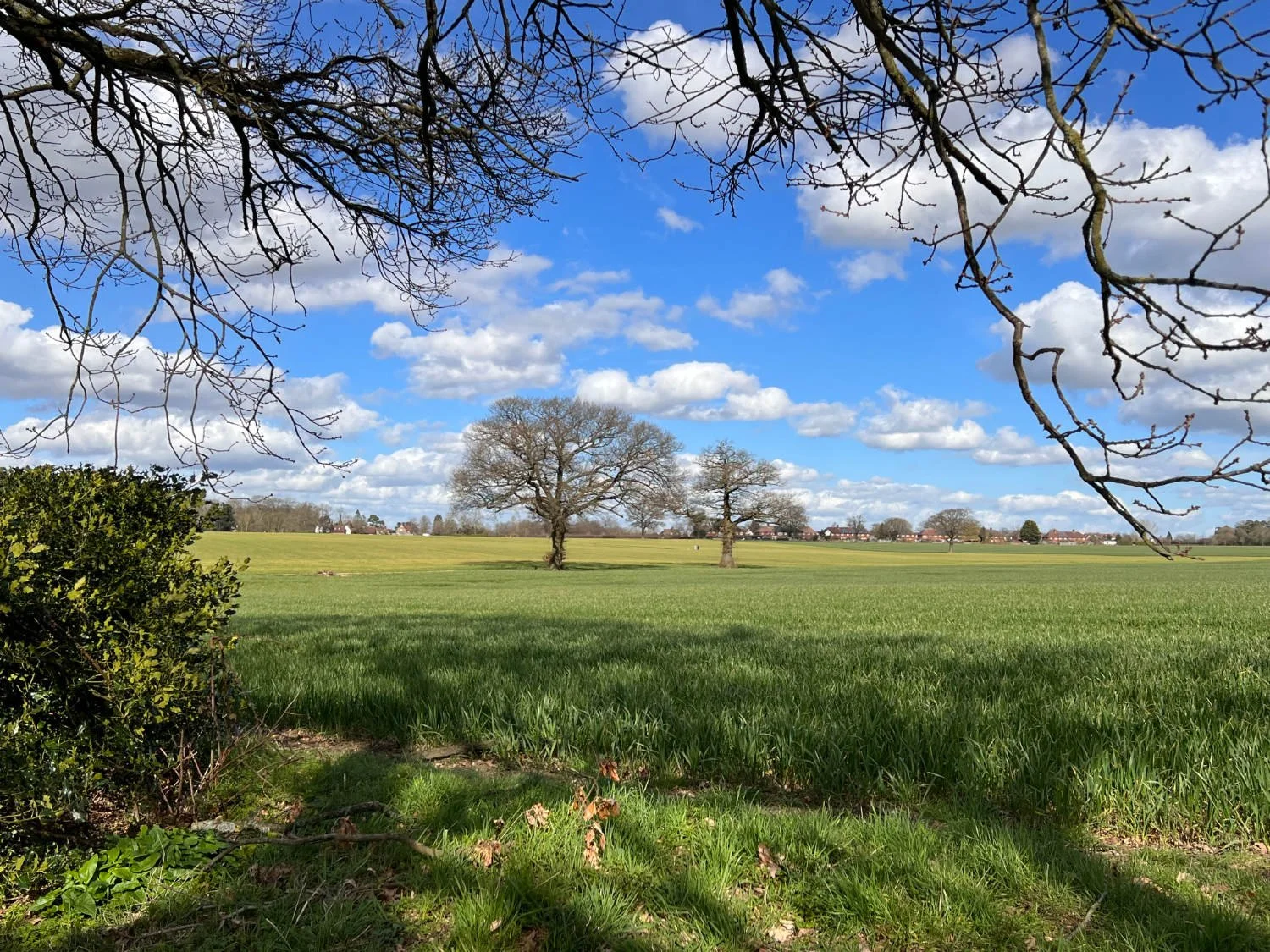
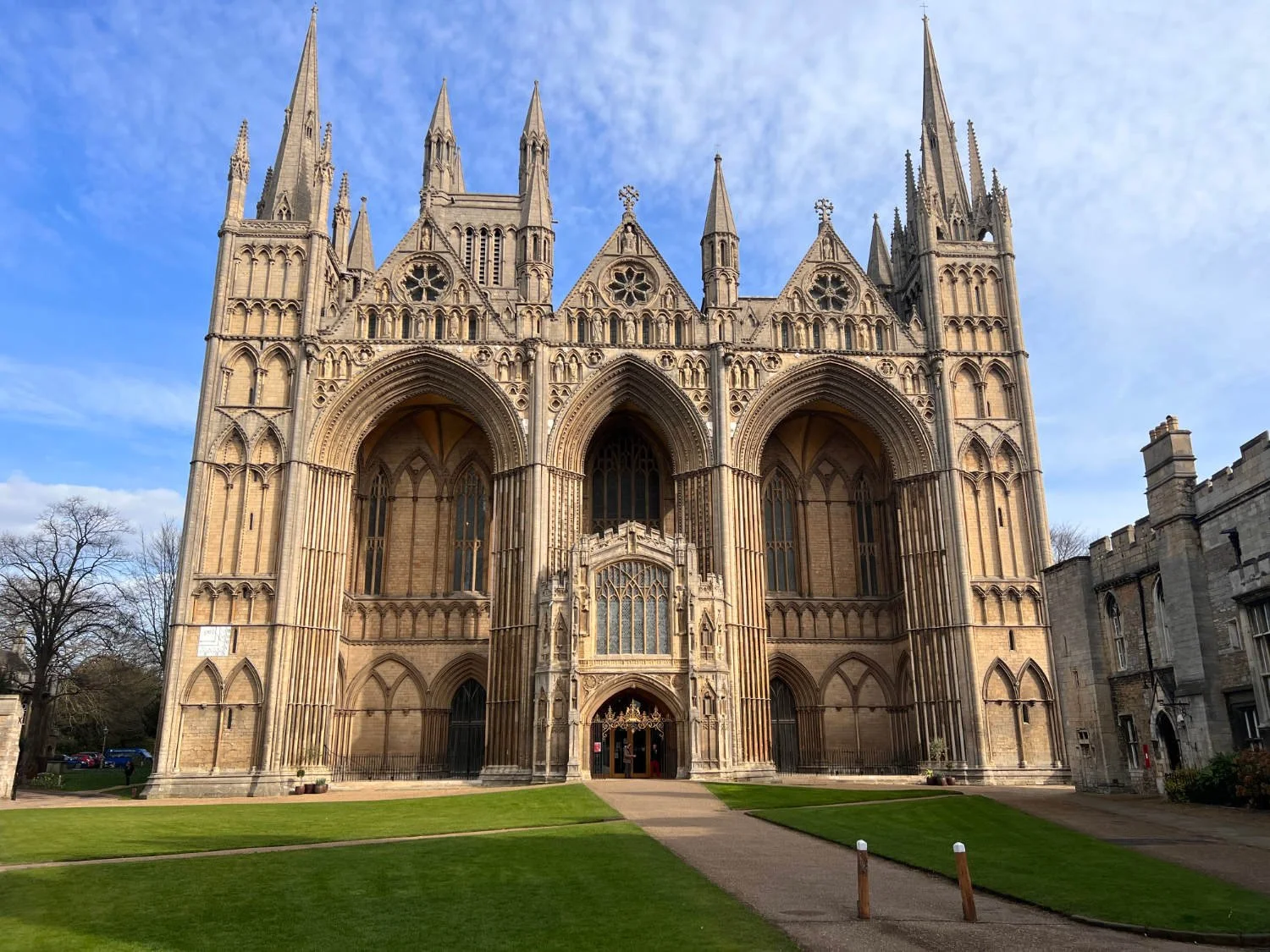
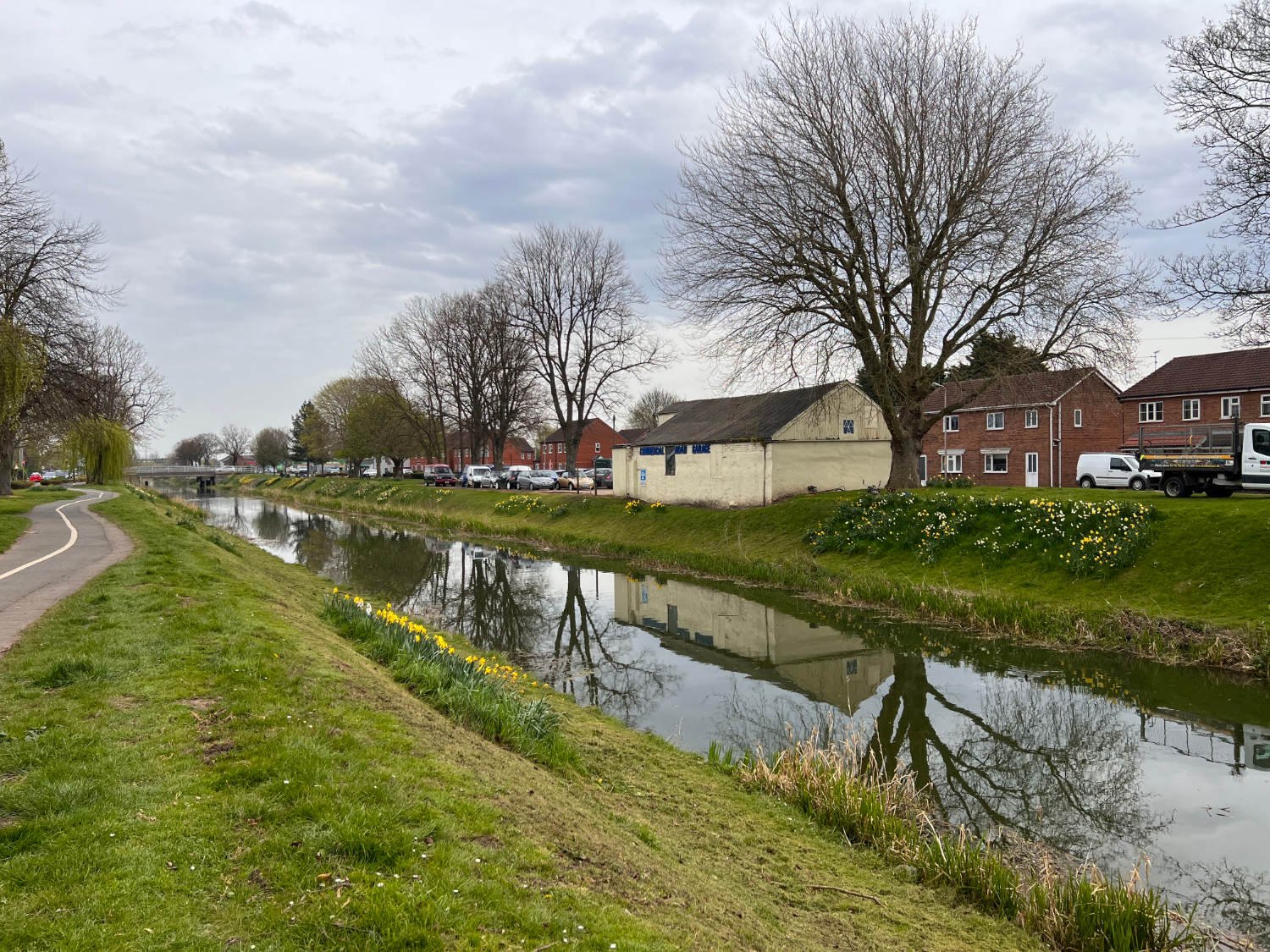
Out in the Fenlands the clouds become the landscape. Peterborough's magnificent cathedral rises from the flatness. Fields of tulips and daffodils surround Spalding. Boston's harbour and the huge 18th-century market square leave you wondering if you have been teleported into another century. Only the coaches and horses are missing. On to Coningsby and Tattershall, where the roar of 21st-century RAF jets mingles with the medieval. Then it's quiet lanes which lift you into the rolling Lincolnshire Wolds — limestone country and endlessly underrated. Nestled in a valley is Woodhall Spa, a quiet Edwardian town surrounded by whispering pines (and golf courses).
The final miles wind down to the North Sea. Fish and chips, pots of tea, and formica tables at Cleethorpes, after which cycleways take you into Grimsby: a Dock Tower modelled on Siena's campanile, a fascinating Fisheries museum and the finest fresh fish in Britain, vacuum-packed for the ride home.
Ride Practicalities
START/FINISH: Lambeth Palace DISTANCE: 117km. TOTAL ASCENT: 973m TERRAIN AND SURFACES: Segregated cycle-ways, quiet back roads and many miles of superb tracks (which can be muddy in the depths of winter). FOOD AND DRINK: Southwark; Borough Market (beside Southwark Cathedral is London’s leading food market with many ‘street food’ stalls), Deptford; Sylva, Intervalo, Marcella, Aylesford: The Friars, (Cafe and accommodation), The Chequers Inn, Wye: The Hub Canterbury; The Good’s Shed MAINLINE TRAIN SERVICES: There are train stations in just about every village, town and city LINKS TO OTHER RIDES: Greenwich to Hampton Court , Blackfriars to Erith, The Chaucer Way
Ride Notes
Day 1: London to Hatfield (~50km)
It's an easy first day, with time built in for visits to St Paul's Cathedral and/or Hatfield House.
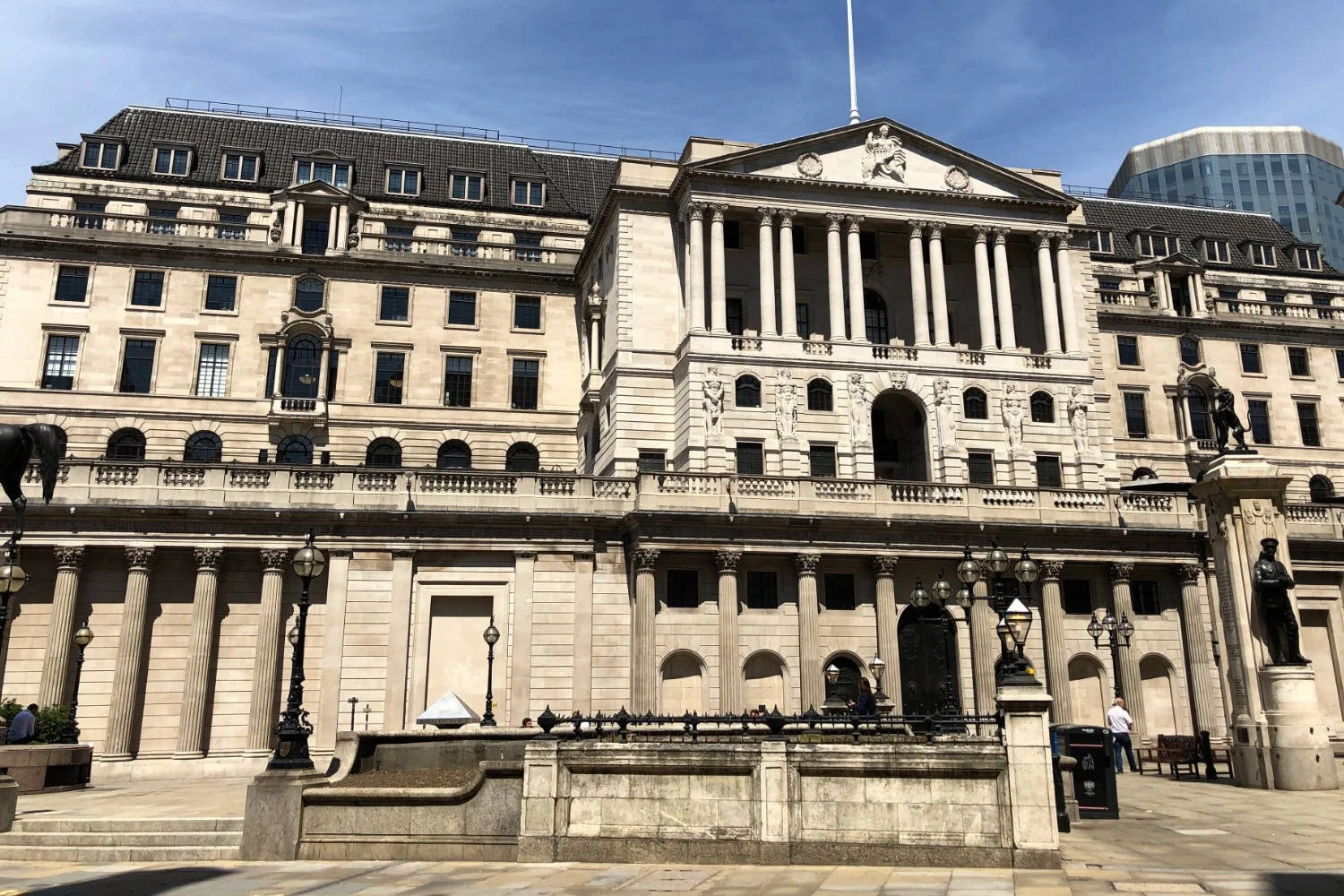
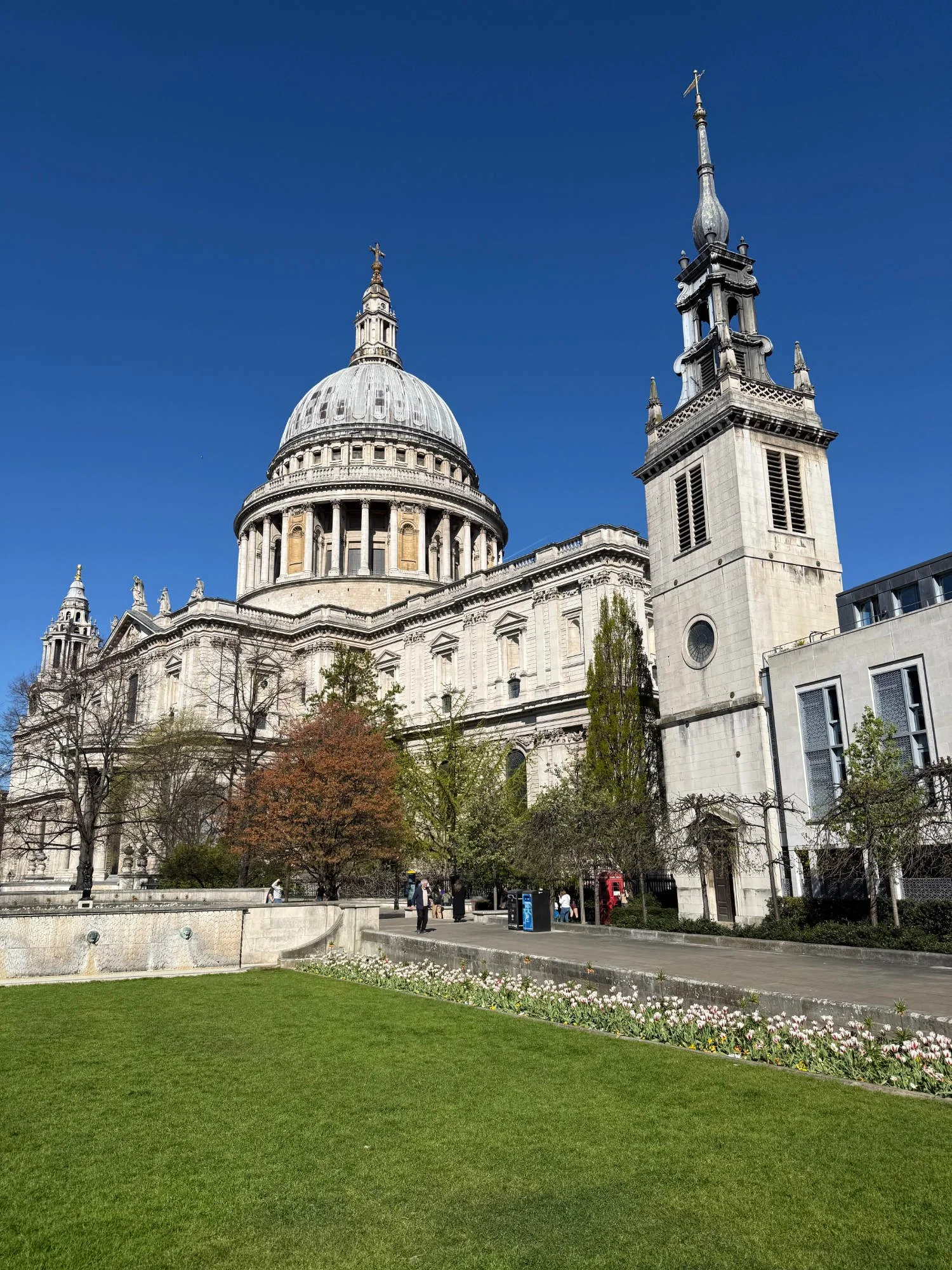
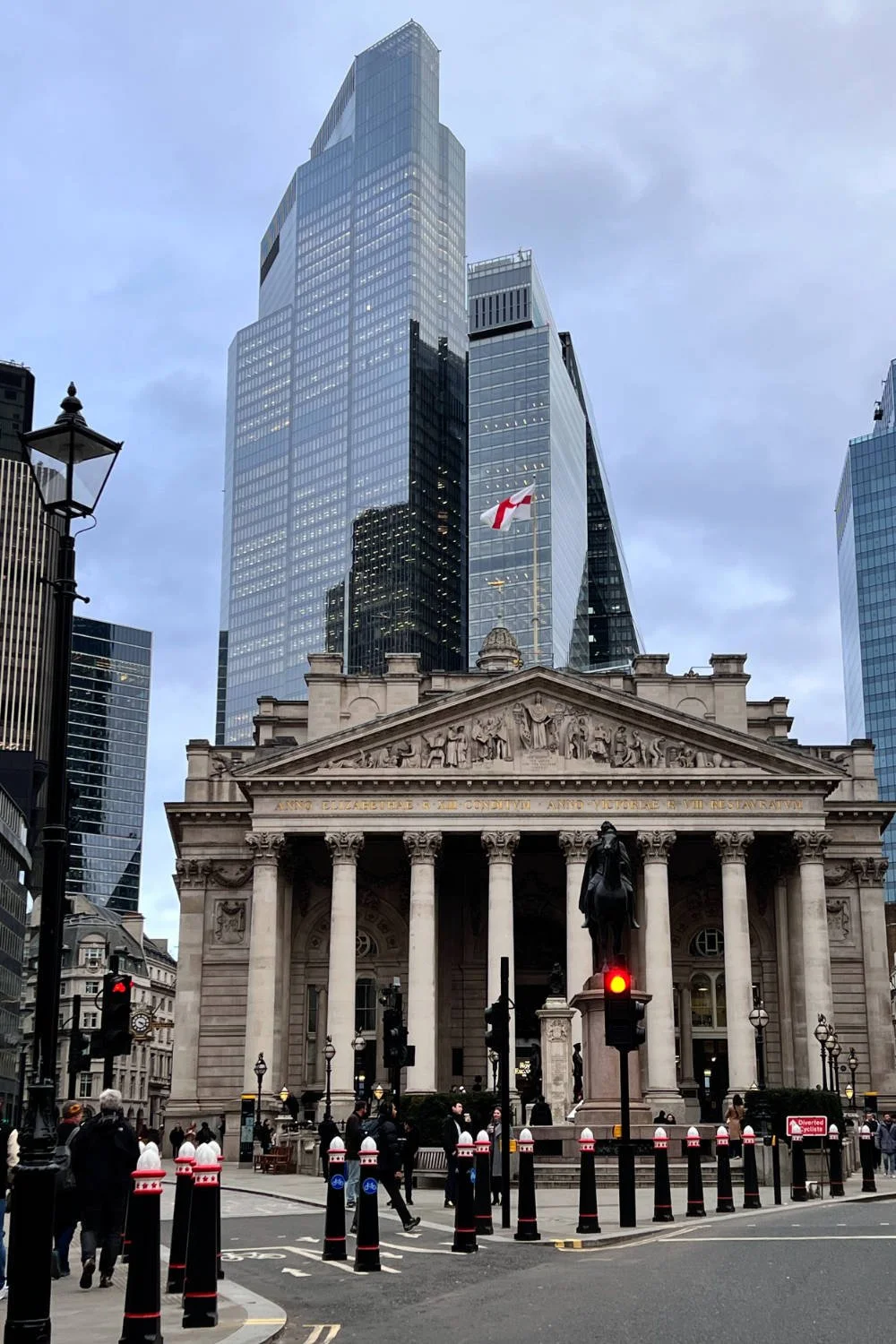
The ride begins at Billingsgate Fish Market on the north bank of the Thames — fish was traded on this spot from the 10th century until 1982. From here, wheel across Lower Thames Street past The Monument to the Great Fire of London and up Fish Hill Street — an appropriately fishy start to a fish-themed ride. Cycleways carry you through the City past the Bank of England and down Cheapside — 'chepe' being the old English for market — to St Paul's Cathedral, where Wren's great dome was inspired by St Peter's in Rome.
Opposite the cathedral is St Martin's-le-Grand, where the old General Post Office stood and from where all mail coaches for the North departed. It's busy today, but the noise of shouts and hooves, the press of people would have made this a crazy place to be. Look out for an original Victorian post box painted green, the colour before public complaints forced a change to red. (Green boxes were hard to spot on the streets.)
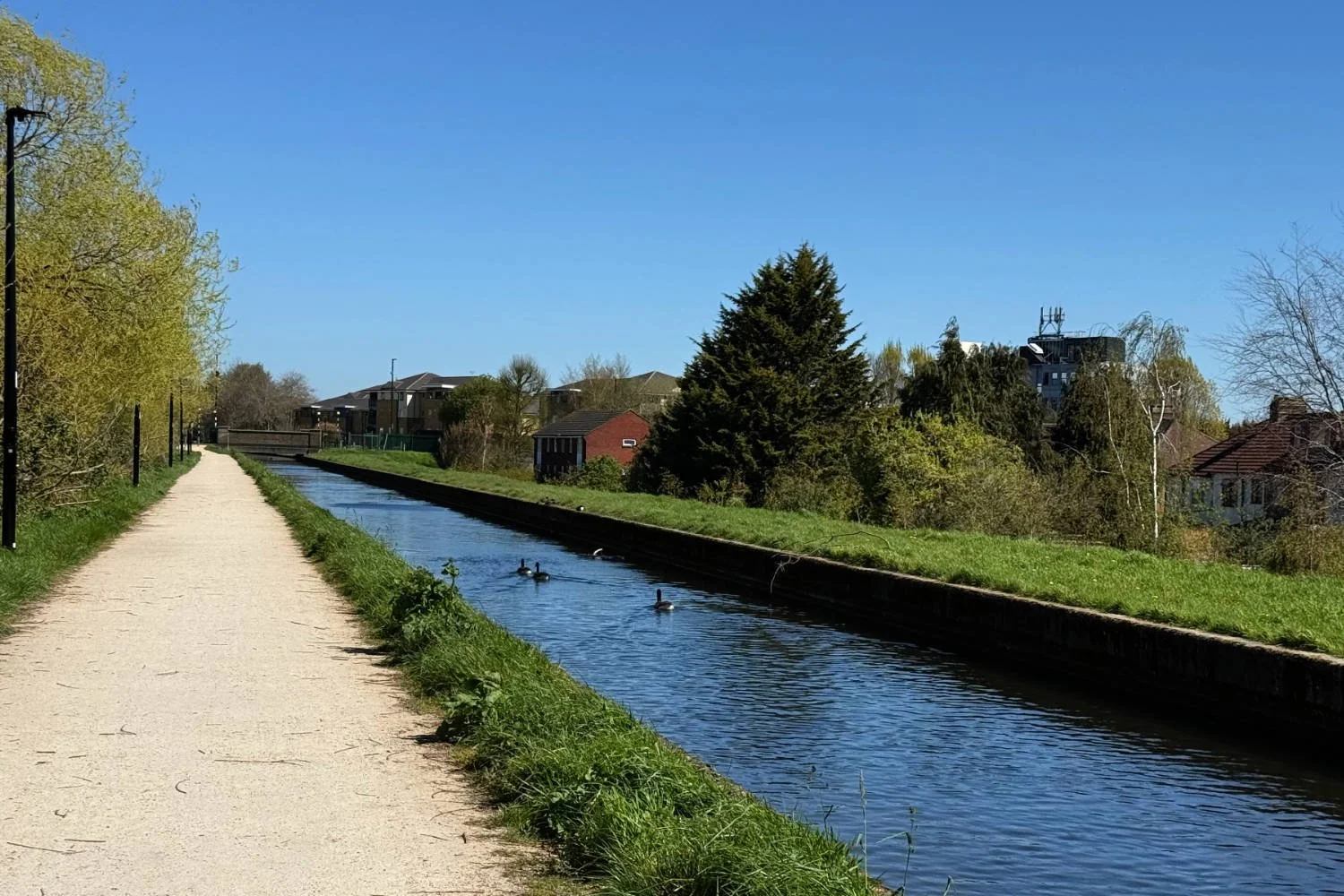
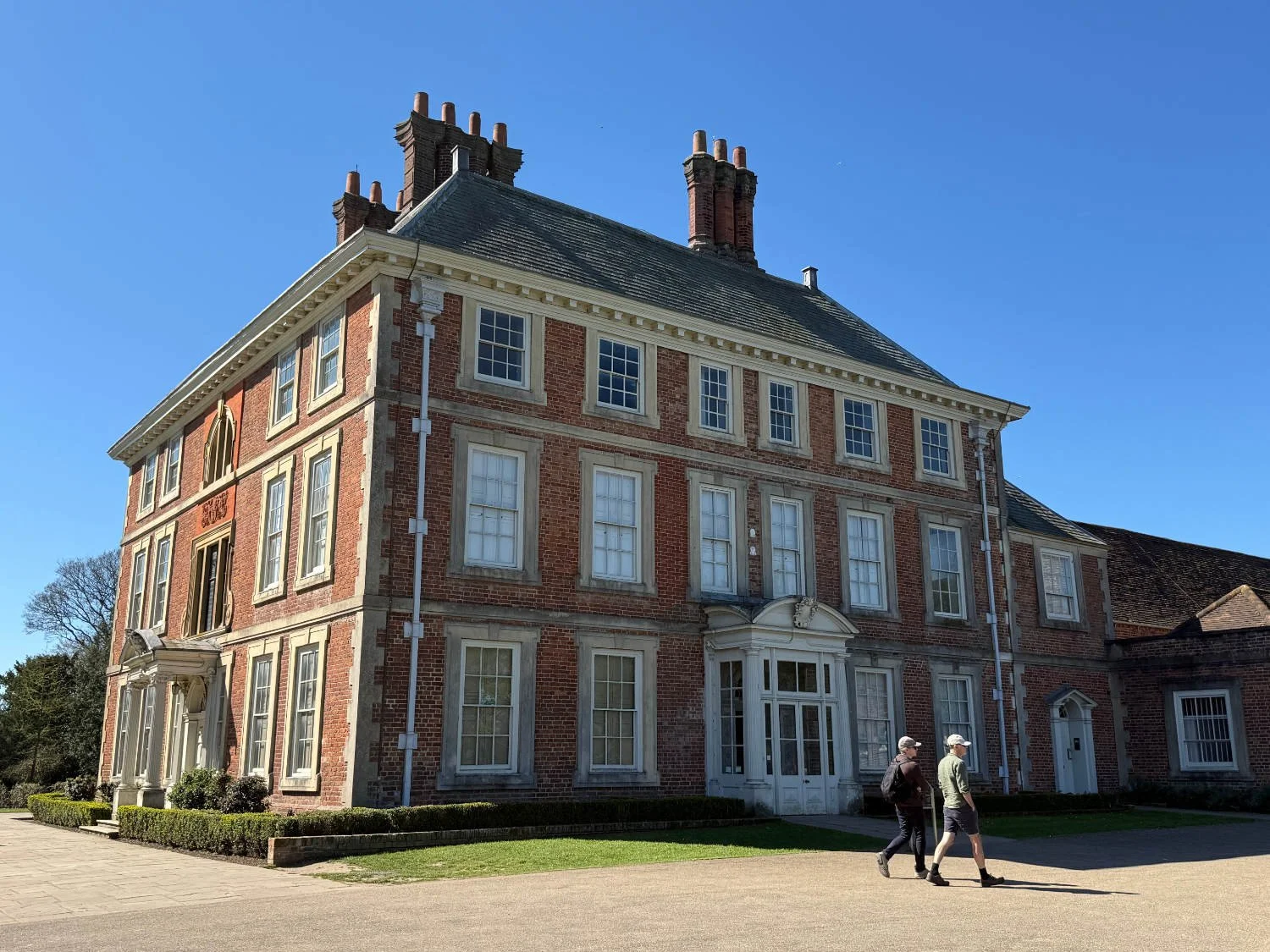
Through London on cycleways, across parks and beside the New River, a marvel of 17th-century engineering, a stop for coffee or lunch at the marvellous Forty Hall and then its bridleways and field-edge paths to Hatfield. The day ends at Hatfield House, a Jacobean masterpiece and one of the Treasures of England, where, amongst other fabulous items, you can see the 6.7-metre illuminated parchment tracing Elizabeth I's lineage back — imaginatively — to Adam and Eve. Stay: The Comet Hotel, Hatfield
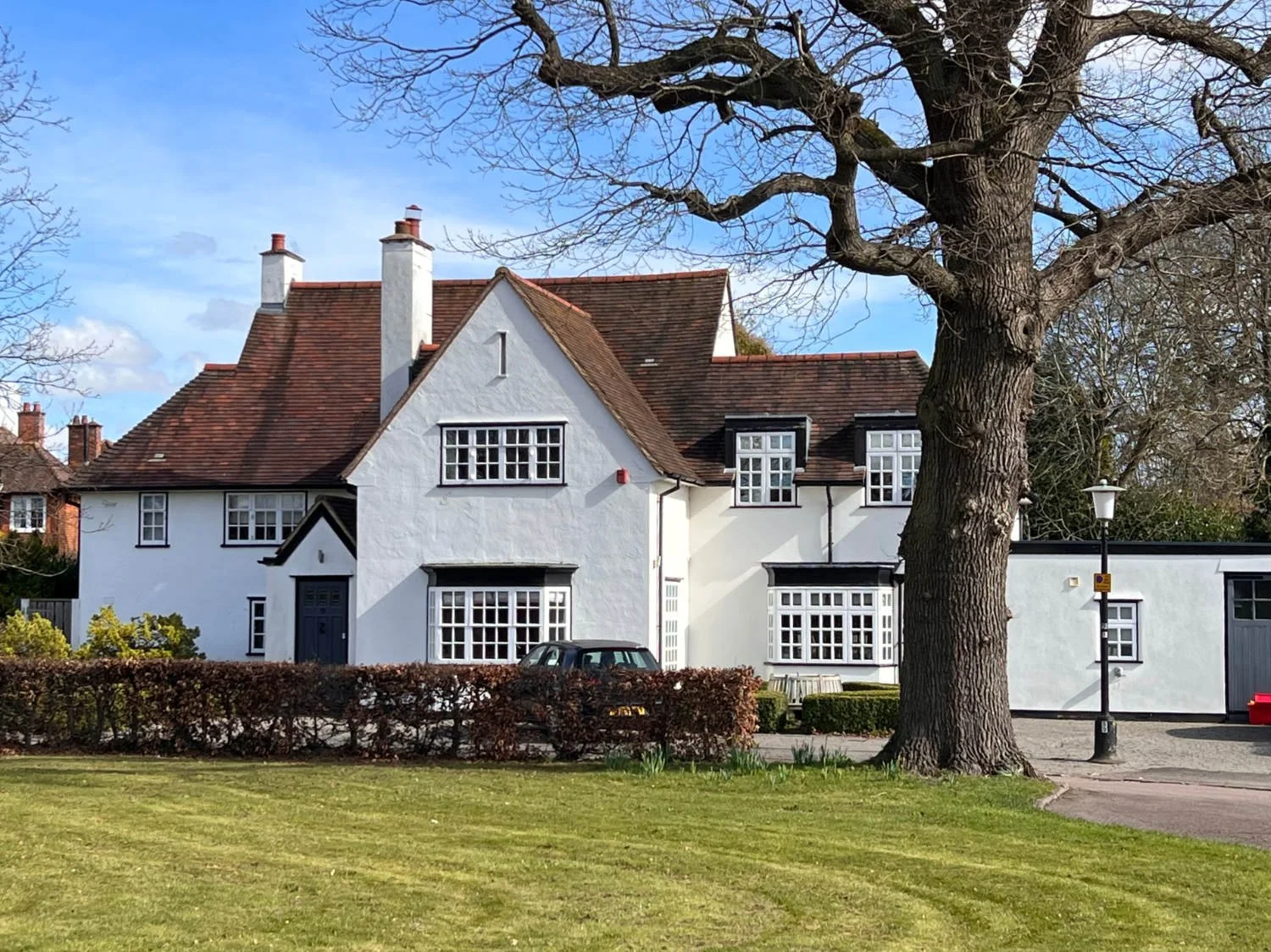
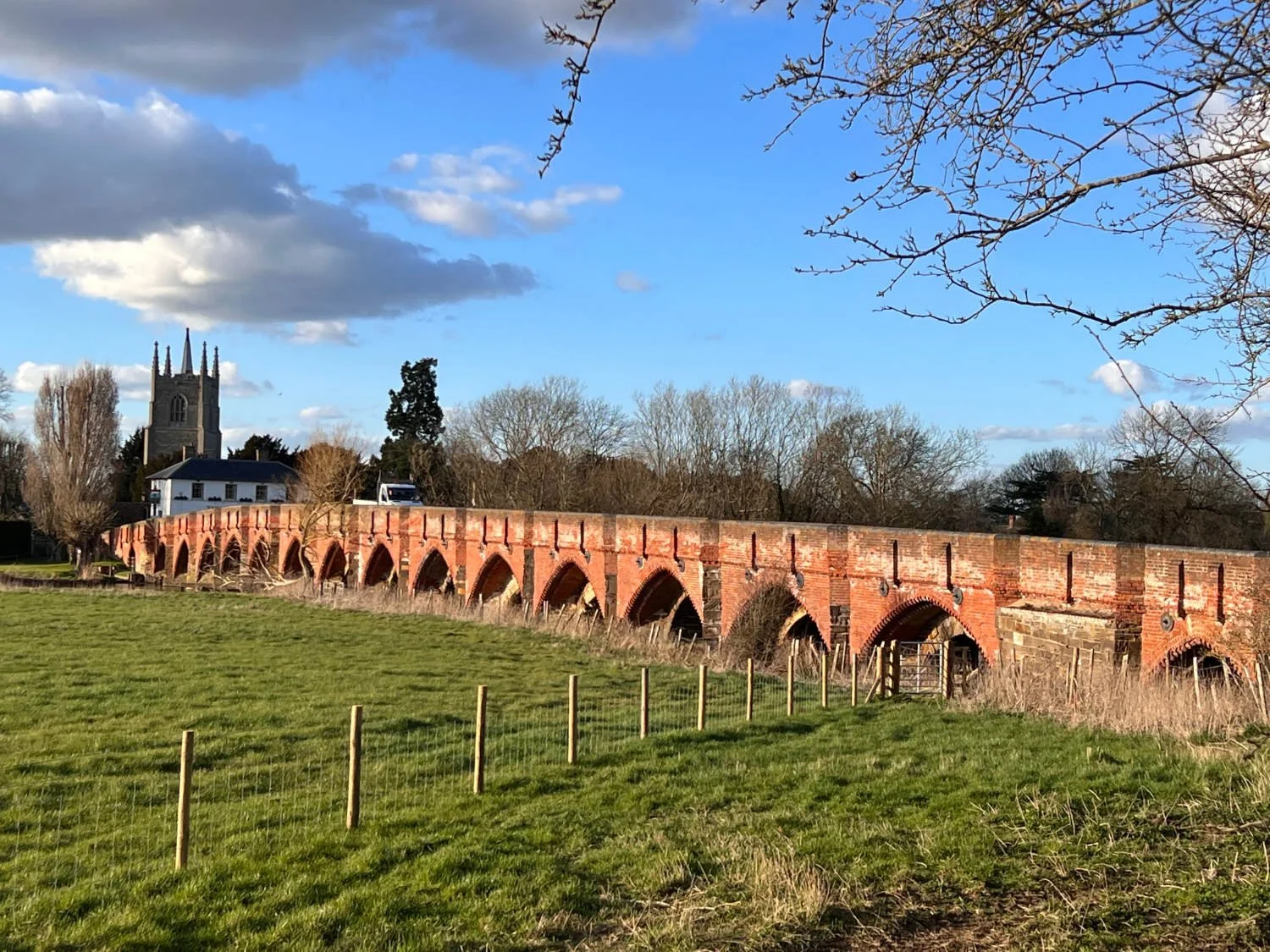
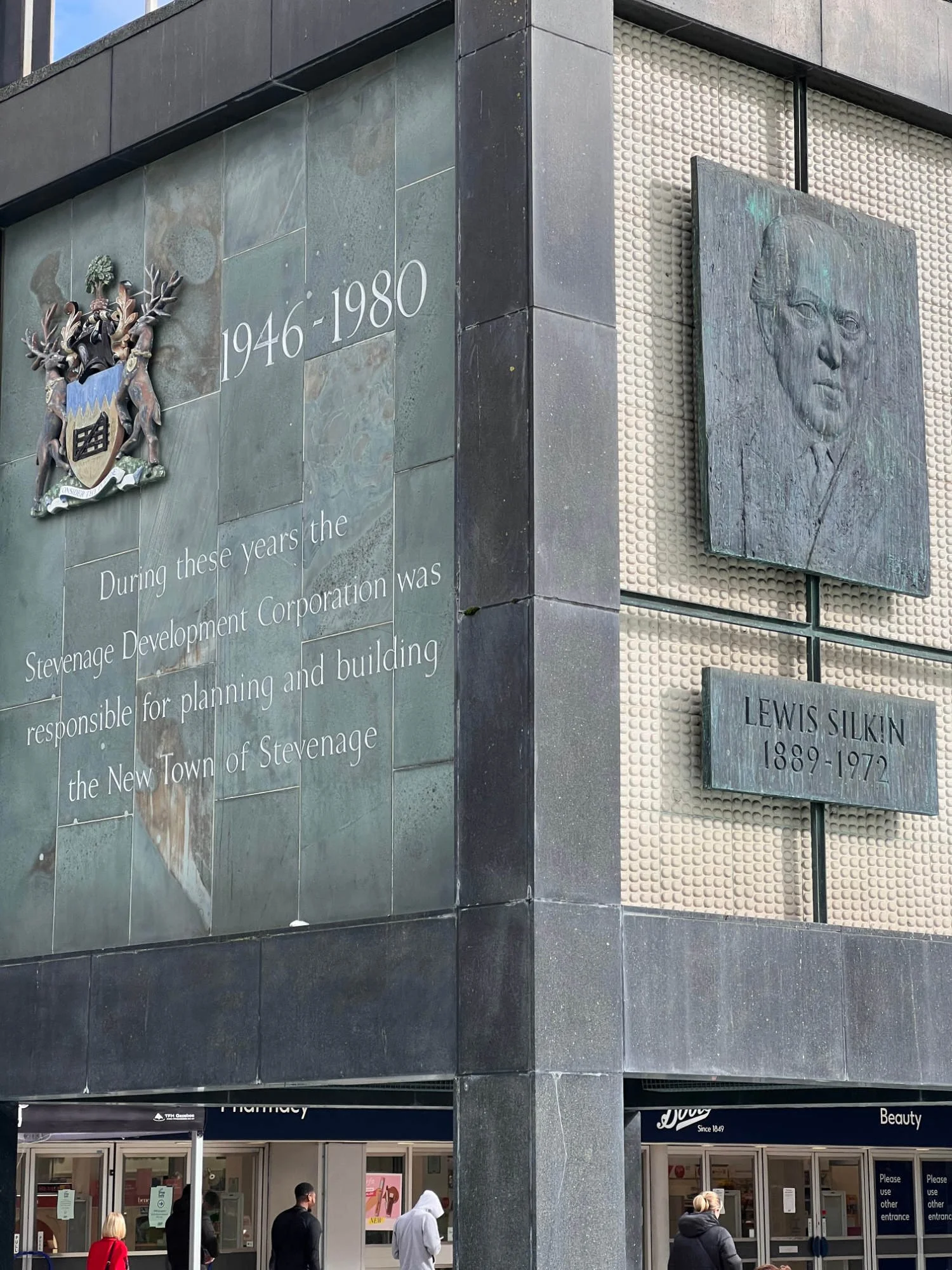
Day 2: Hatfield to Huntingdon (~80km) A short spin brings you into Welwyn Garden City, conceived in 1920 by Sir Ebenezer Howard as a marriage of town and country, followed by Stevenage — Britain's first post-war new town, utopian too in its way, and whose excellent cycling network makes navigation easy despite its brutal concrete. Then Letchworth, Howard's original garden city experiment, leafy and genteel. Beyond the garden cities, bridleways and field tracks carry you through a gentle, unhurried landscape — horses in neighbouring fields, crops growing quietly, villages. At Great Barford, a magnificent medieval bridge spans the Great Ouse. The route then follows country lanes mixed with cycle lanes into Huntingdon, birthplace of Oliver Cromwell, where the high street offers five hundred years of English architecture in a single glance. Stay: Bridge Inn, Huntingdon
Southwark Cathedral
Day 3: Huntingdon to Boston (~110km) The longest day but almost entirely flat. Square-cornered Fenland lanes whisk you to Stilton, whose famous cheese was never actually made here — supplies were likely sourced from Leicestershire and sold through the landlord of the Bell Inn, a 15th-century coaching inn on the Great North Road that still stands today.
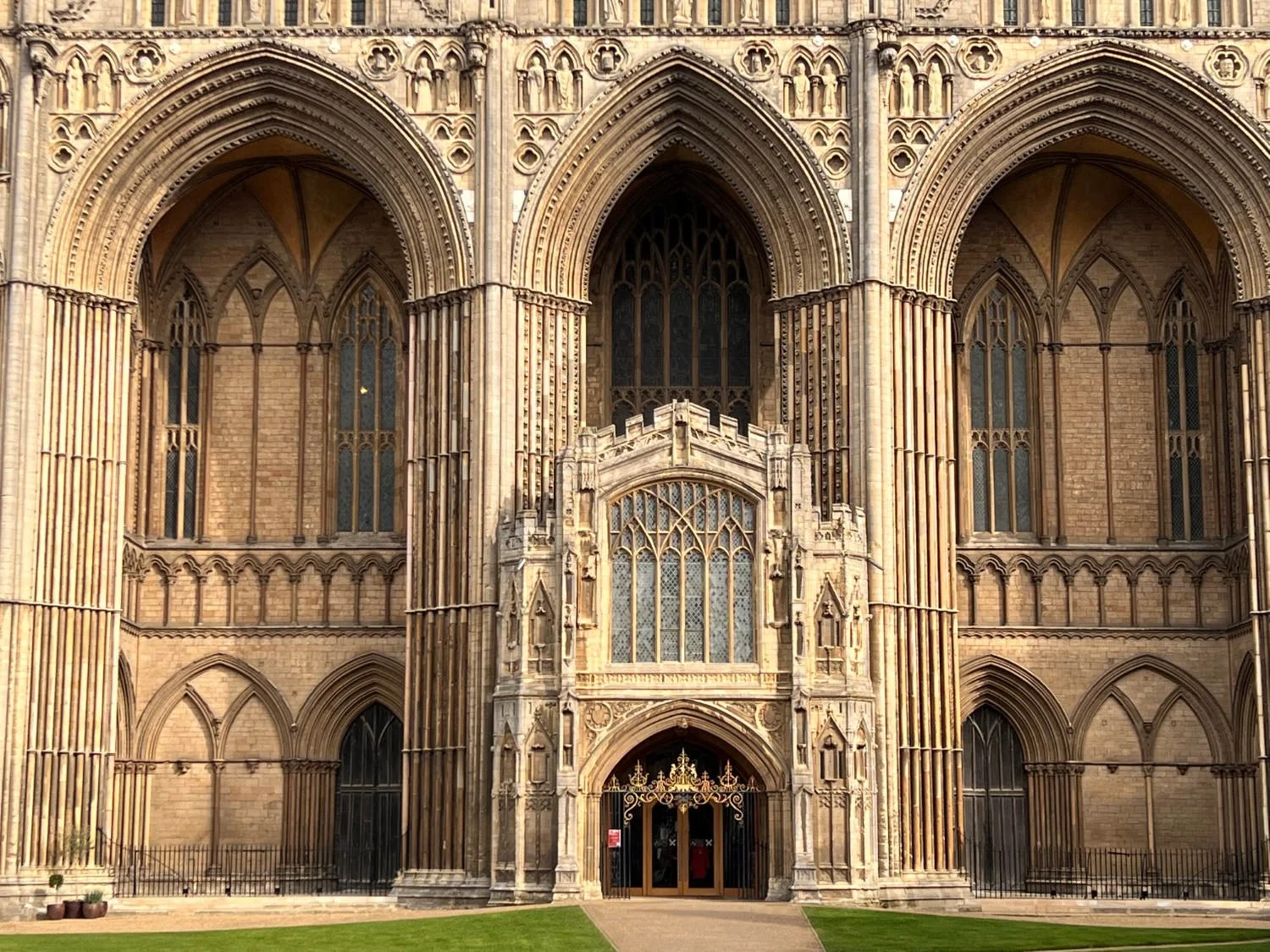
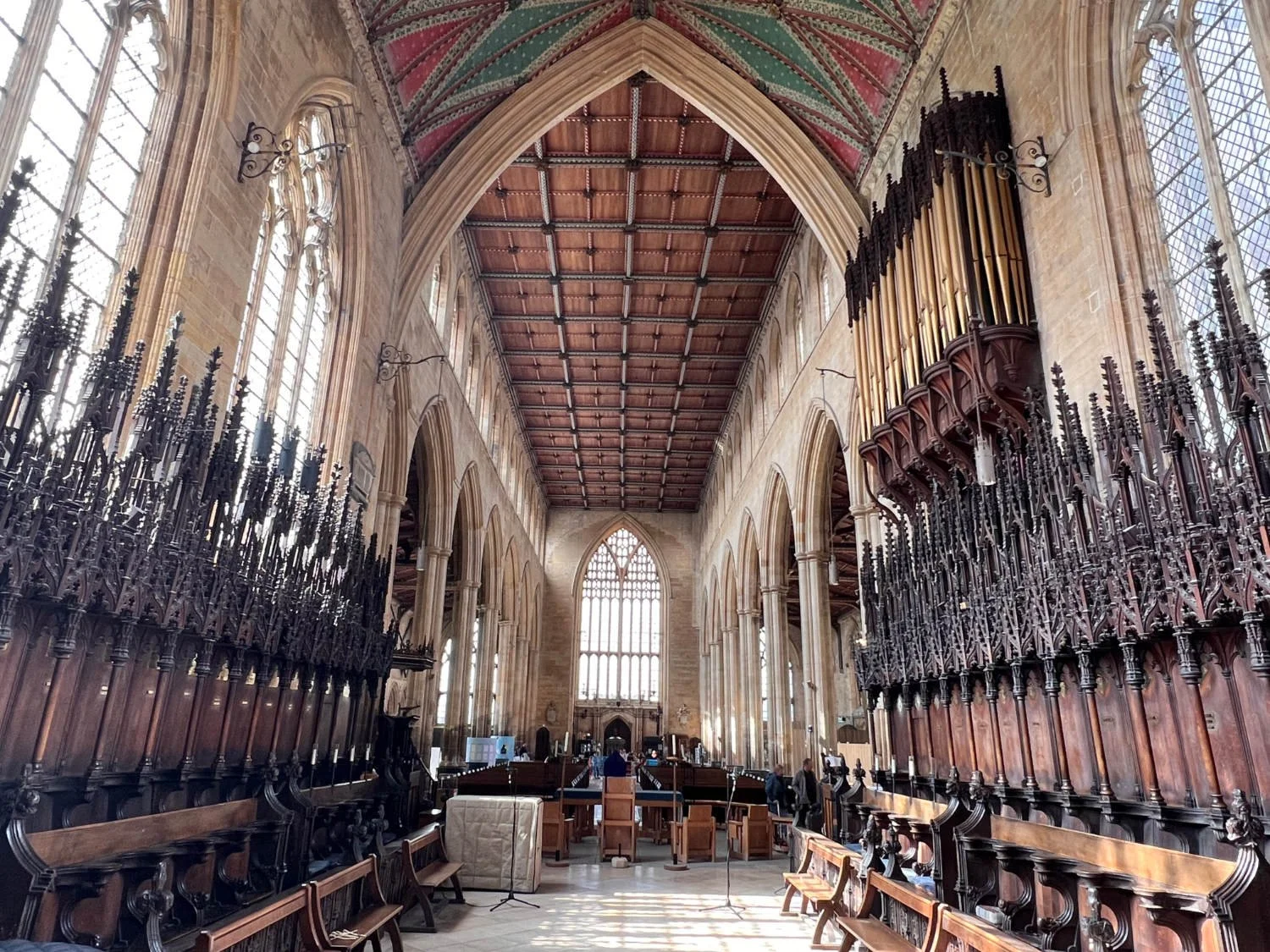
A cycle path runs alongside the Great North Road into Peterborough. The cathedral's west front — three vast pointed arches over deep carved recesses — is among the most idiosyncratic and impressive in Britain. Inside, the painted ceiling has been described as a 'carpet in the sky'.
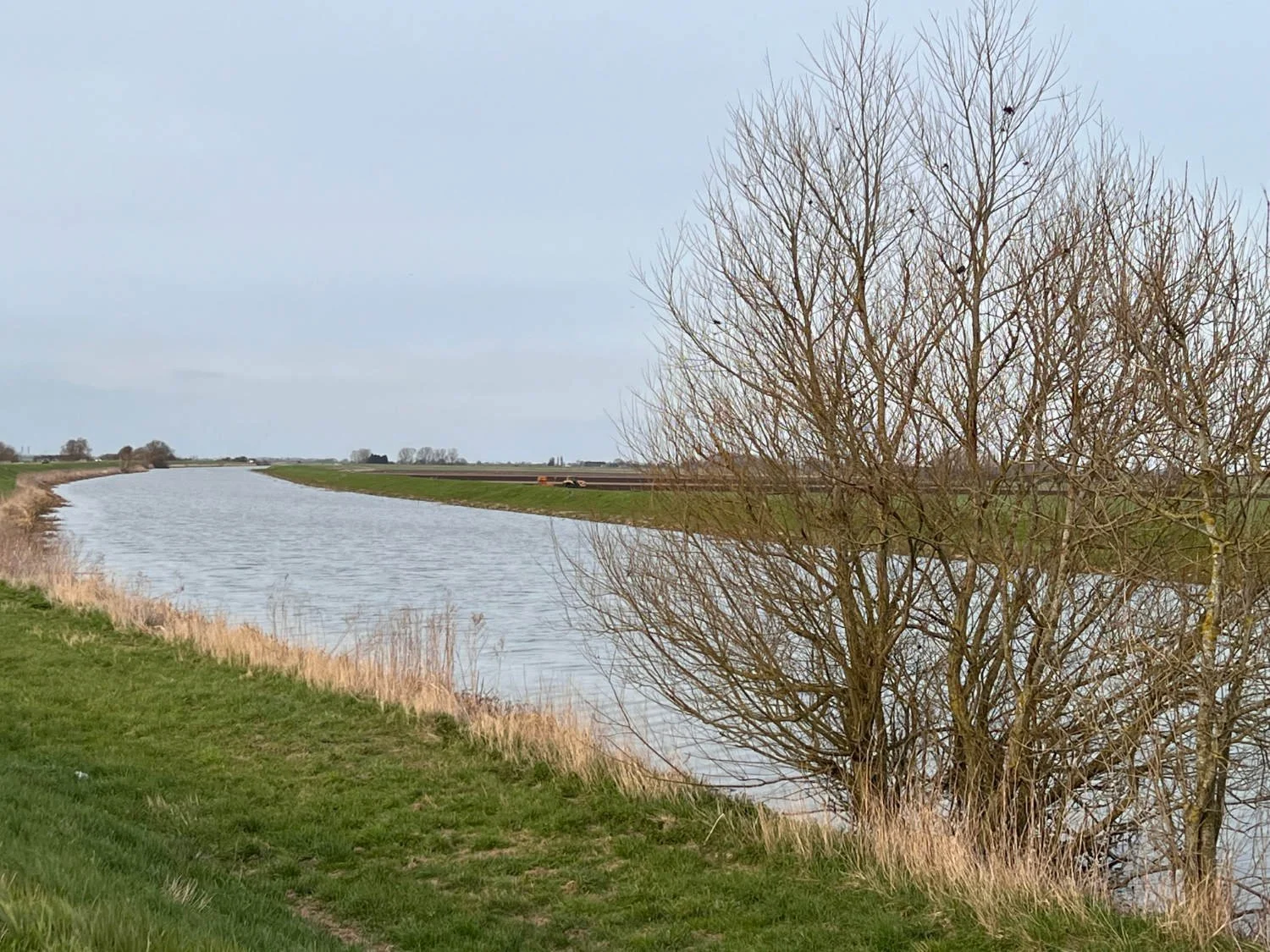
Beyond Peterborough, the Fens open up completely. Vast skies, enormous fields and, as you approach Spalding, there are (in spring) fields of daffodils and tulips. The area is known as Little Holland, a name which was given back in the 18th century when Dutchmen, against the wishes of the locals but with the full support of the government, drained the land.
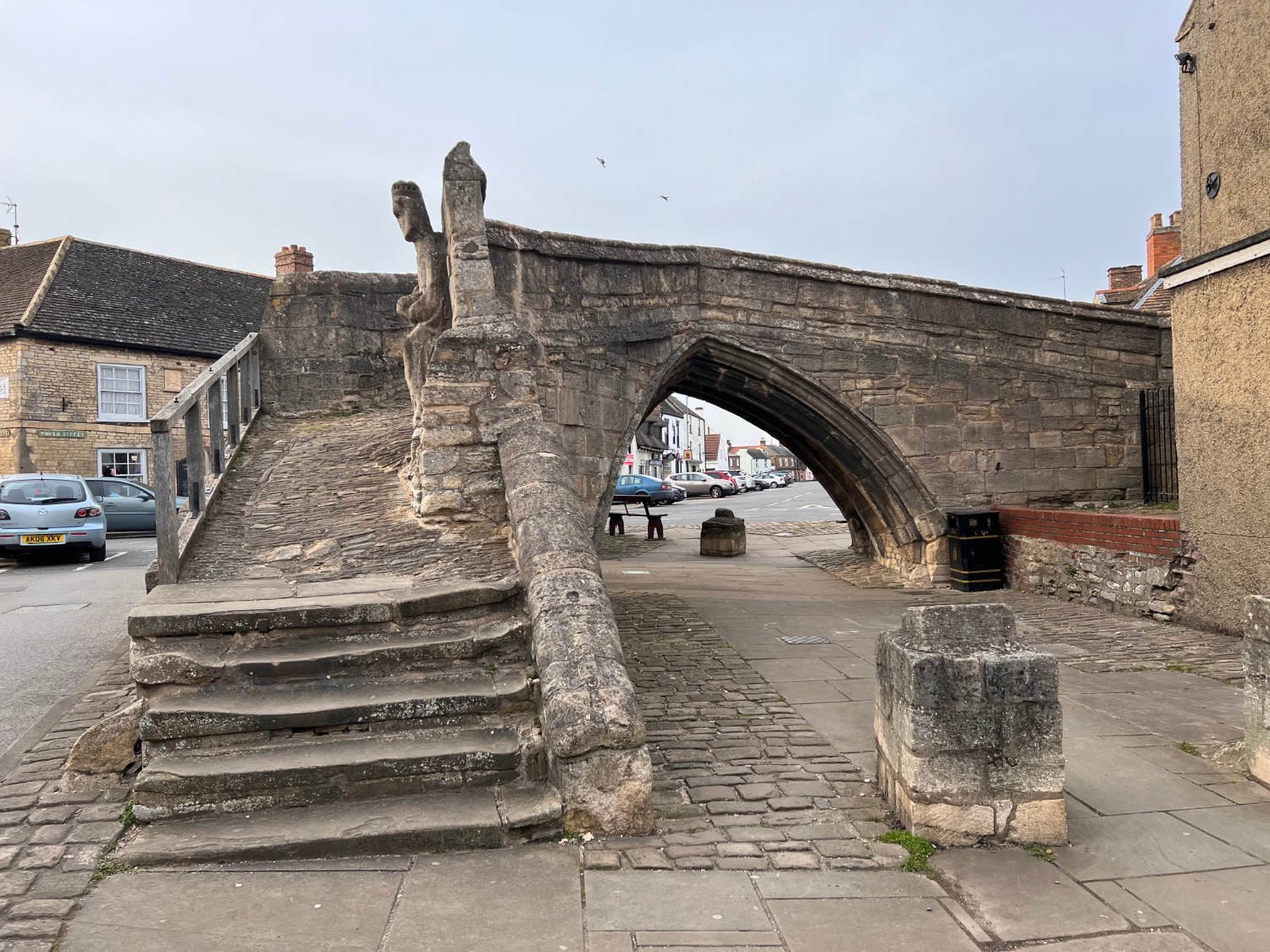
Crowland offers a 14th-century triangular bridge that now crosses nothing — the rivers it once spanned long since redirected — along with spectacular ruins of a once-great abbey. The day ends in Boston, a beautifully preserved historic port town dominated by the Stump, the tallest church tower in England, a landmark for sailors navigating the Wash for centuries.
Stay: The White Hart Hotel
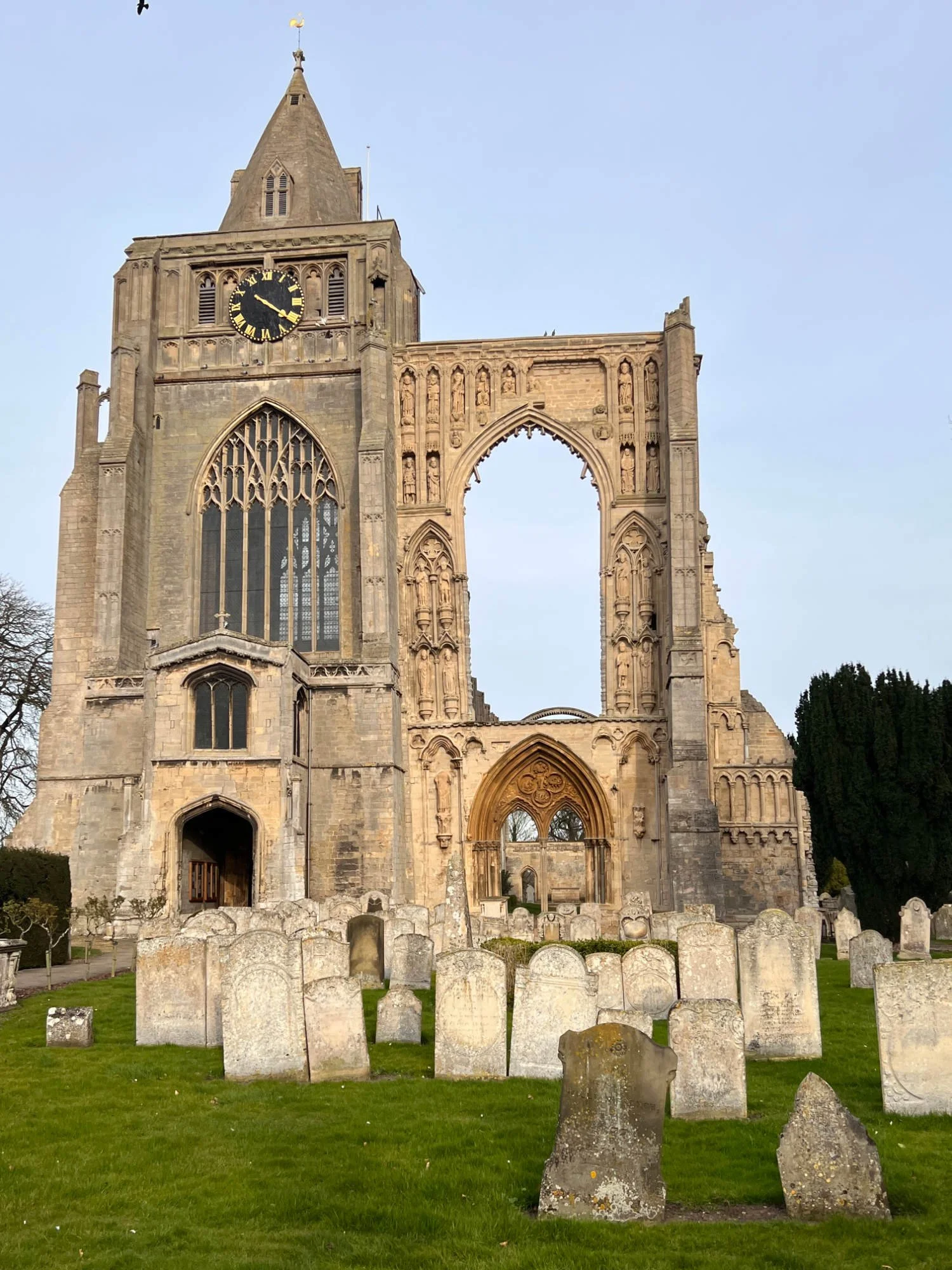
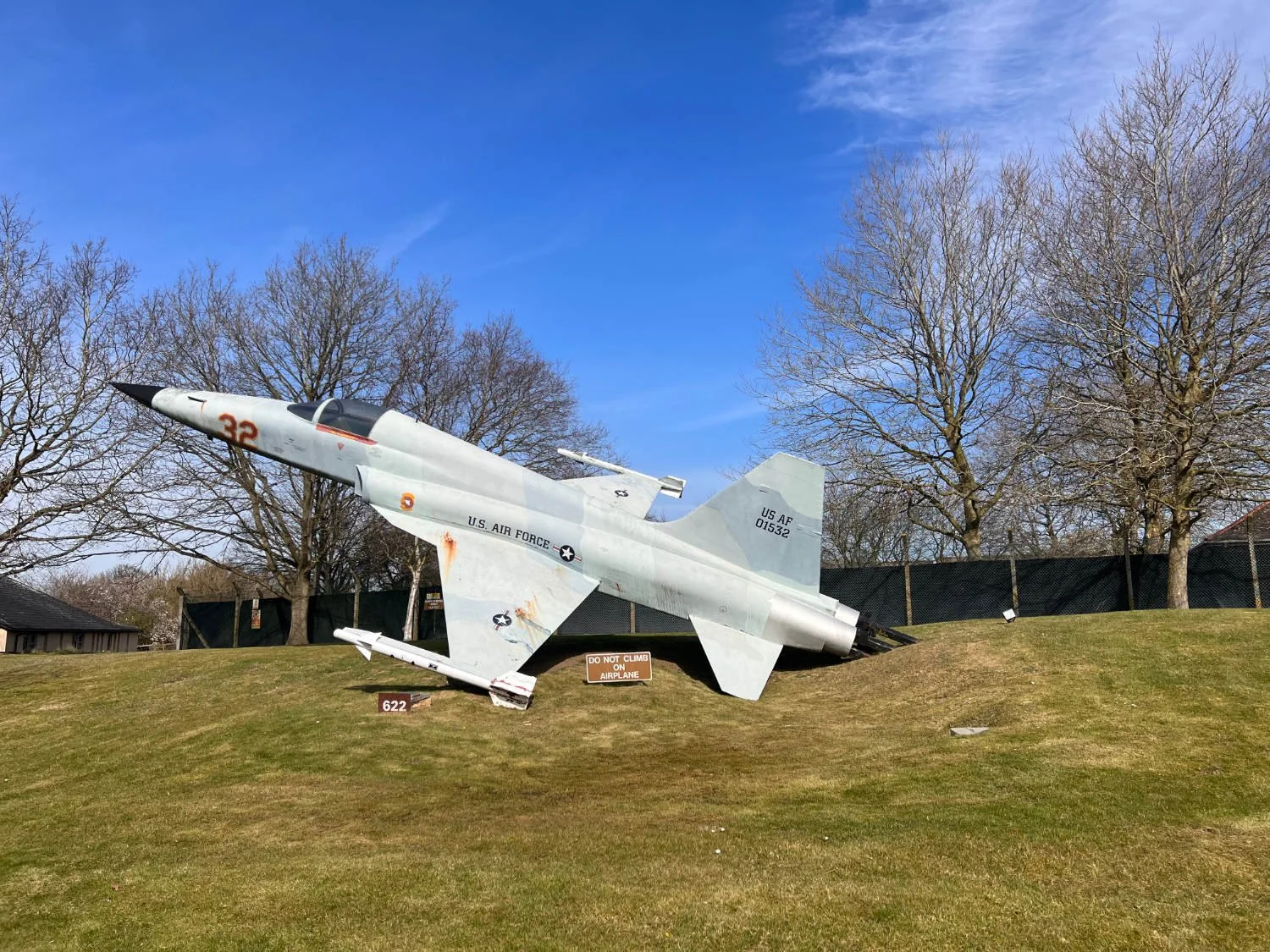
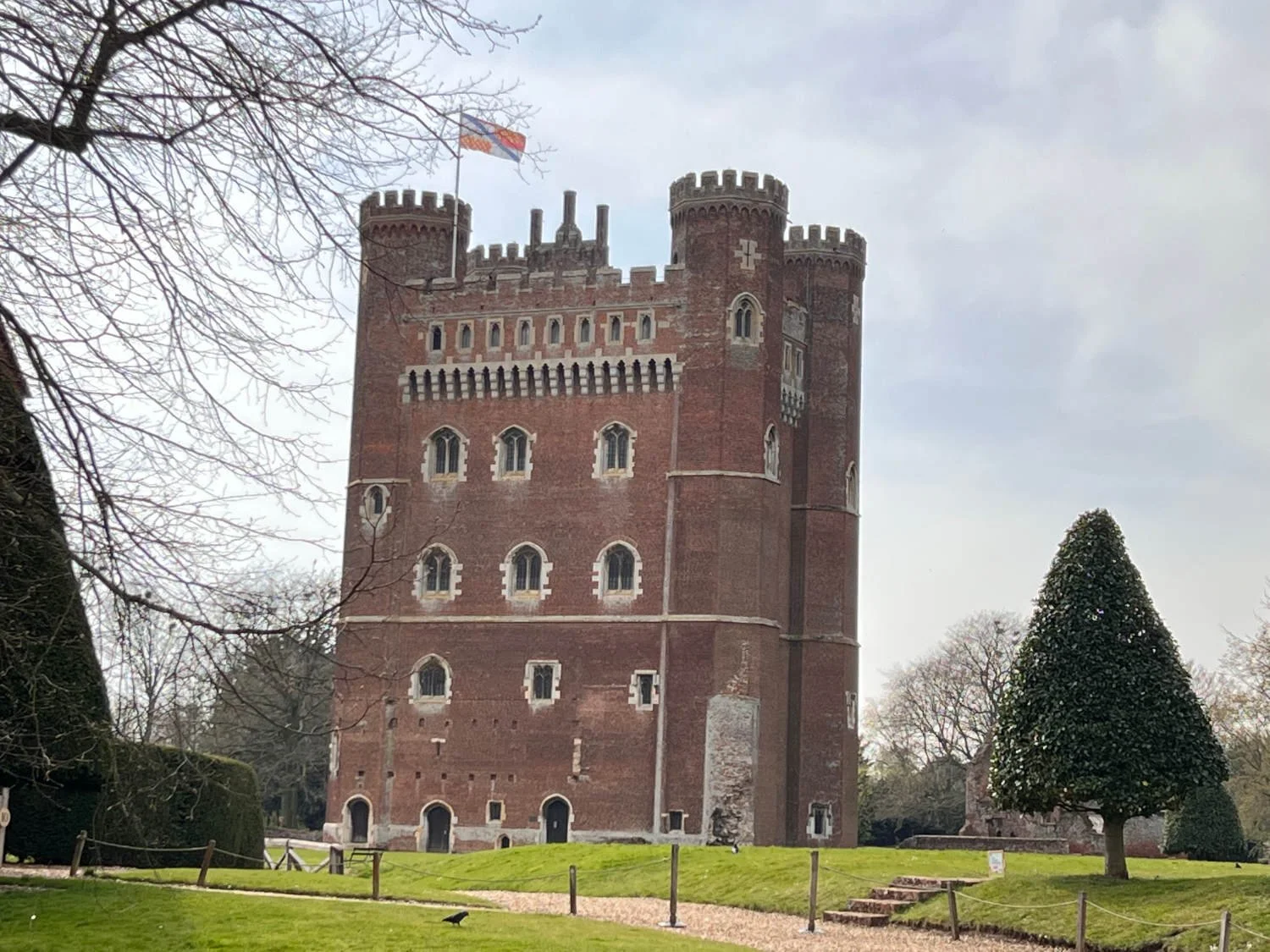
Day 4: Boston to Cleethorpes (~90km) Quiet lanes and a cycle path lift you out of the Fens and into the Lincolnshire Wolds — gently rolling limestone hills that remain one of England's most underrated landscapes. Near Coningsby, the medieval and the modern collide dramatically: a RAF Typhoon squadron is based here, and if the Russians are encroaching into UK airspace (a frequent occurrence), the ground shakes and the air splits as jets scramble overhead to see off the threat. Heard from inside the ancient church at the end of the runway, it is genuinely unforgettable. Around the corner is Tattershall Castle, built from some 700,000 bricks and now in the care of the National Trust. It was constructed for beauty rather than defence — a rare thing in castle-building. `
Woodhall Spa is an Edwardian town of pine woods and quiet streets, later, a proud RAF heritage. Beyond it, narrow lanes wind through Tealby — one of Lincolnshire's prettiest villages. Once up and over the Wolds, you're back onto the flatlands of the coastal plains which take you to the North Sea. Although the end of the route is only 8km away in Grimsby, Cleethorpes is worth overnighting in; a traditional seaside resort of the best kind: wide sandy beaches, a promenade and pier as well as fish and chips at Steels Corner House — formica tables, crispy batter, pots of tea. And if that's not your thing there are a couple of good restaurants too.
Stay: Cloves Boutique Hotel
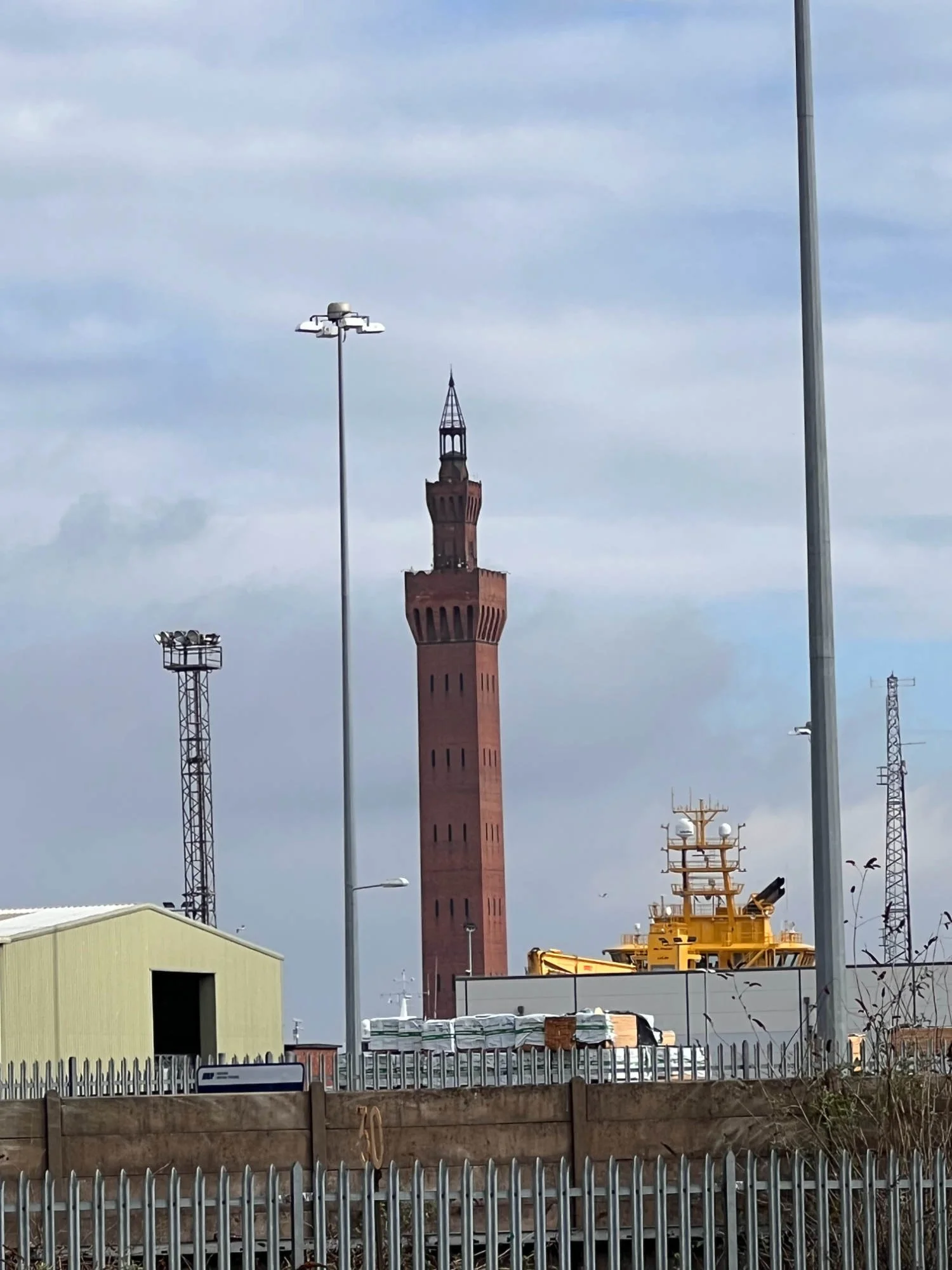
The Dock Tower, Grimbsy
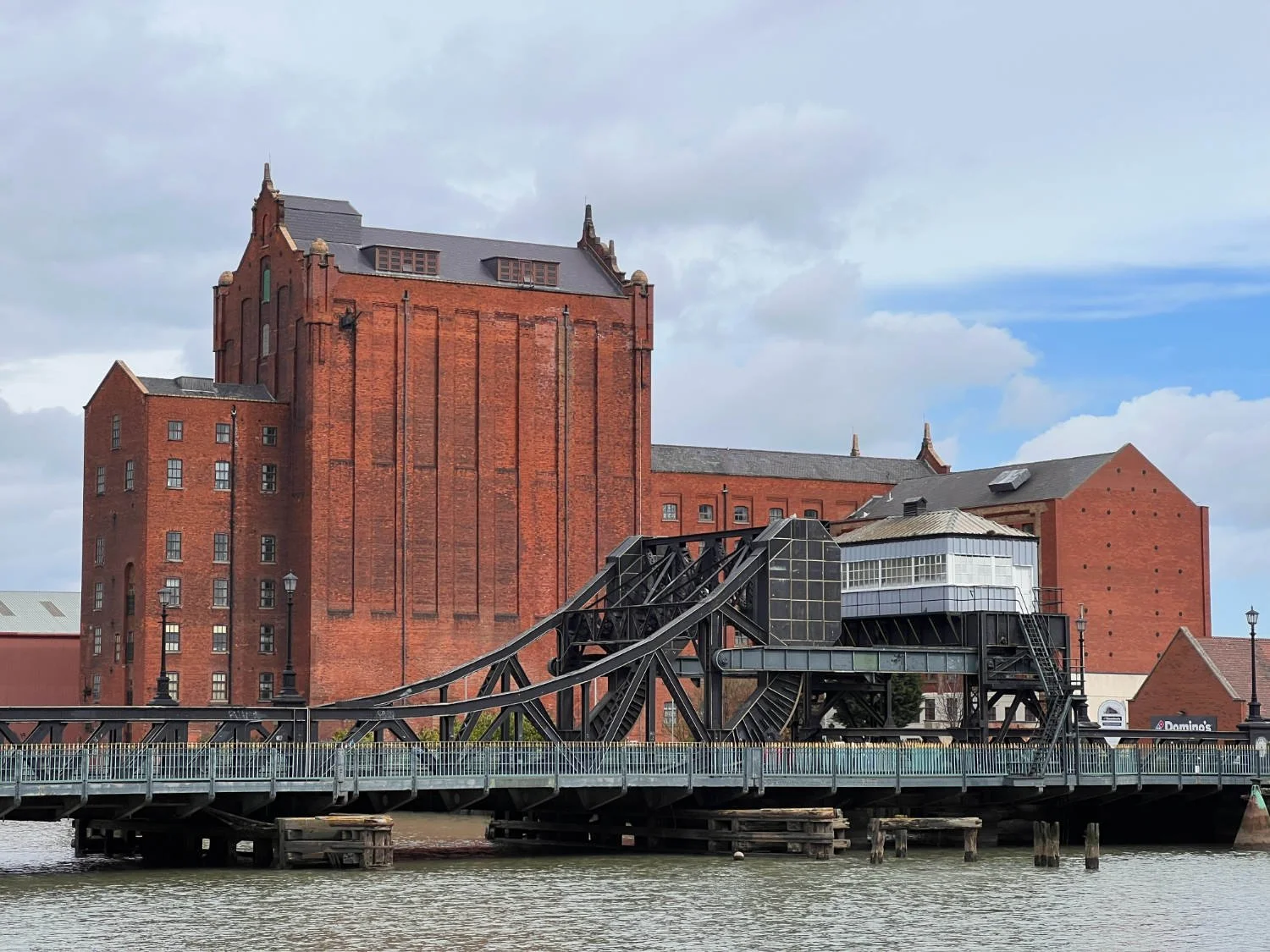
Day 5: Cleethorpes to Grimsby (~8km) A short final leg on cycleways brings you into Grimsby, once the largest fishing port in the world. The Fishing Heritage Centre is among the finest provincial museums in Britain. Grimsby Minster dates to 1114, reputedly the burial place of Grim — the Danish fisherman from whom the town takes its name. And then there is the Dock Tower: a Victorian campanile modelled precisely on the tower in the Piazza del Campo in Siena.
Sightseeing completed, head to the port, buy fresh fish from Riby Street Fishmongers, have it vacuum-packed.
Fast and regular trains connect Grimsby to all points in the UK and you'll be home in good time to cook your fish for supper.
Every route on this website has been carefully researched as well as ridden. However situations on the ground can change quickly. If you know of changes to this route, or cafes, pubs and the like which you think other cyclists need to know about, feel free to share your thoughts below.
If you enjoyed this guide, why not subscribe to the website so as not to miss other inspirational routes?
wheremywheelsgo.uk is a Feedspot UK Cycling top website